


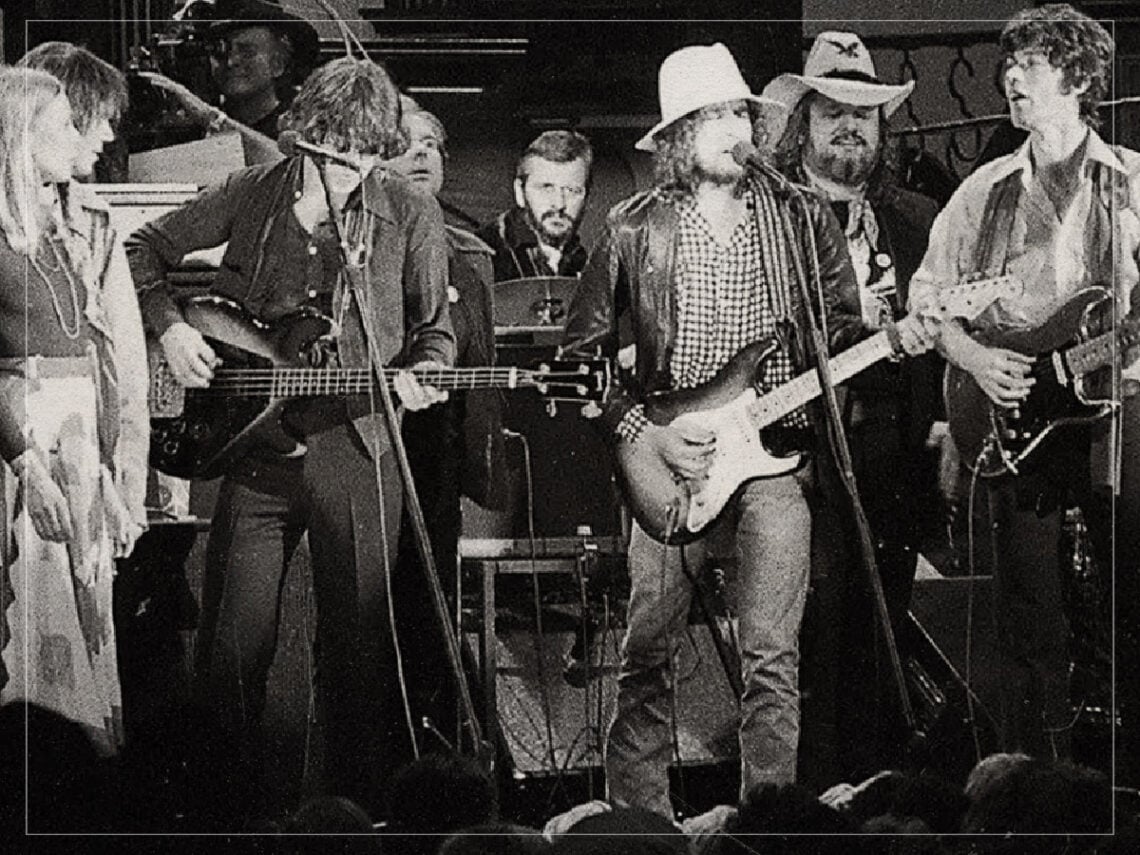
How did The Band first end up playing with Bob Dylan?

Before The Band was established as one of classic rock’s most defining bands, they were known as The Hawks, a group of young musicians getting their start as a backing band.
The Canadian-American outfit secured their proper start playing for rockabilly singer Ronnie Hawkins. Levon Helm had first met Hawkins when the singer arrived at his family’s farm, asking the then-17-year-old’s parents permission to join as his band’s drummer.
In 1958, once Helm graduated from high school and could officially join as a full-time member, he and Hawkins travelled from Arkansas to Ontario, Canada, to meet with the rest of the band: Robbie Robertson (who first met Hawkins at 15 years old and was initially recruited as a “song advisor”), Rick Danko, Richard Manuel and Garth Hudson. Each member was recruited by Hawkins intentionally, plucked from promising rival bands.
Under Hawkins’ mentorship, The Hawks evolved into a masterful unit and, with later Band member Stan Szelest joining the group, they became one of the best-known upcoming acts in Toronto’s music scene. However, Hawkins ran an infamously tight ship; he would enact fines if any of the young band were caught smoking marijuana or inviting girlfriends to shows.
“Playing with Ronnie Hawkins was like going to boot camp,” Robertson told Mojo. “You worked really hard, really long hours, you learned the rules of the road, and you got your street education.”

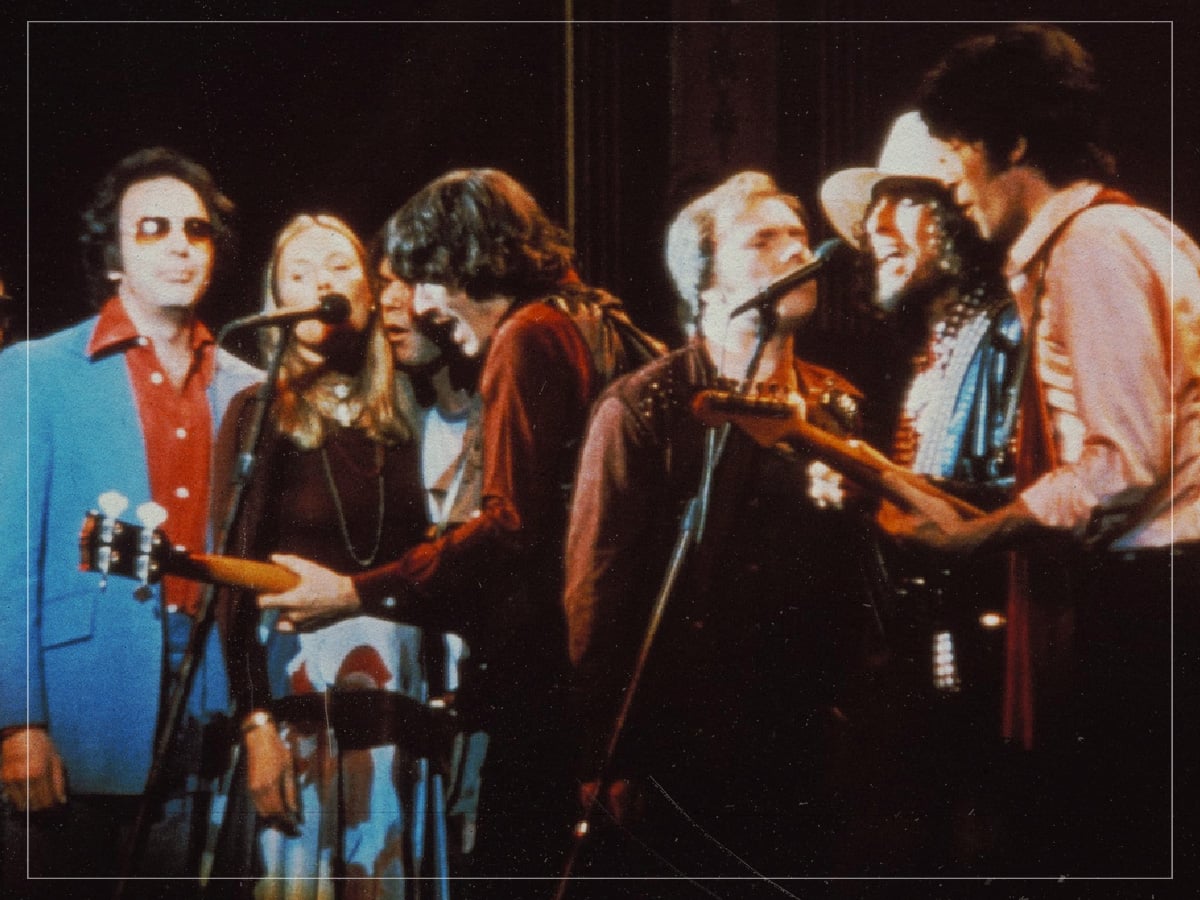
As The Hawks grew as both young men and musicians, they began to envision bigger things for themselves, ones that required a new autonomy. “Eventually, he built us up to the point where we outgrew his music and had to leave,” Robertson said. “He shot himself in the foot, really, bless his heart, by sharpening us into such a crackerjack band that we had to go on out into the world, because we knew what his vision was for himself, and we were all younger and more ambitious musically.”
In the coming years, The Hawks transitioned into their new independence with various name changes, eventually landing on Levon and the Hawks. Finally able to focus on honing their sound outside of Hawkins’ identity, they consistently played gigs in and around the areas of Philadelphia, Atlantic City, New Jersey and New York City, as well as in Toronto. One of these nights, they would be approached by Bob Dylan with the ultimate proposition.
Dylan had heard about the young band from blues musician John P Hammond, who had recorded with Helm, Hudson and Robertson on his studio album, 1965’s So Many Roads. Foraying into electric for the first time on his fifth album, Bringing It All Back Home, Dylan was searching for a backing band that could match his vision. The Hawks were also championed by Mary Martin, a friend from Toronto who was also the secretary for Dylan’s manager, Albert Grossman.
She enthusiastically told Dylan, “You gotta see these guys,” and he did, following them to The Friar’s Tavern in Toronto to see them perform.
Meeting with Robertson after the show, Dylan initially invited him and Helm to join his band, which they did. But, it only took two performances to realise that something – rather, someone – was missing. Robertson and Helm told Dylan that their loyalty remained with the rest of The Hawks and that, if they were to continue playing with him, the other members had to be hired, too. Dylan agreed, and Danko, Manuel and Hudson joined just before Dylan’s 1966 tour.
Robertson later admitted that he and his bandmates’ knowledge of Dylan’s material was limited, but they still felt a sort of kinship with the folk singer that intrigued them. As Dylan’s single ‘Like a Rolling Stone’ had just been released, taking him from an obscure singer with a cult following to superstardom, the merging of his talents with The Hawks’ felt like perfect timing, with the two exploring new methods of performance and collaboration that they had not had the freedom to before.
“Bob’s was a whole new school of music,” Robertson recalled. “We got to throw the rules out and say, We’re going to invent something new, we’re allowed to make this up as we go along, and hopefully we’ll find the passion and emotion in the music, the excitement, all those elements, and we can do it together.”
The Hawks would go on to endure lineup changes before and during Dylan’s tour, including Helm’s departure after just a few shows, but continued with Dylan for a while after his tour’s end. Soon, however, they would reinvent yet again as The Band, beginning their own legendary run.

Never Miss A Tale
The Far Out Bob Dylan Newsletter
All the latest stories about Bob Dylan from the independent voice of culture.
Straight to your inbox.