


The two “horrible” American bands Depeche Mode dethroned

When you think of Depeche Mode, likely glimpses of industrial synths fashioned in leather come to mind. But, when the band debuted in 1981 with their album Speak & Spell, they were initially considered “teenyboppers”.
In the UK and across Europe, Depeche Mode were the new saviours of synth-pop, plastered across teen magazines and idolised in the media. Surely, singles like the saccharine anthem ‘Just Can’t Get Enough’, the band’s first UK top ten hit, solidified their place as pop favourites, but as they grew more experimental, particularly after the departure of Vince Clarke (who would go on to found the synth-pop duos Yazoo and later, Erasure) and subsequent ascent of Martin Gore as the band’s core composer and lyricist, Depeche Mode were slowly revealing that there was more beneath their surface.
With Alan Wilder stepping in for Clarke’s place, Depeche Mode began to hone a signature darkness, in both their lyrics and sound, that would transition them from pop stardom to post-punk icons. Lyrically, with Gore at the helm of songwriting, his work veered into subversive territory, writing about sexual politics on songs like ‘Master and Servant’ and questions of religion on ‘Blasphemous Rumours’, both from their fourth album, 1984’s Some Great Reward, and sung by the unforgettable echo of Dave Gahan’s voice. Rather than intentionally trying to be controversial, their songs reflected life with a sheer honesty, however brutal that may have been to some.
The textures in their sound became more palpable, formed by a rigid set of rules that they self-imposed, including having no presets, no chords and no hi-hats. Chords, for instance, had to be assembled from separate monophonic parts, while samples had to be original and could only be used twice. These rules were all broken at least once, and they allowed certain exceptions, but the rules remained as pillars of the band’s authenticity.
This new approach came to a height with the release of their fifth album, 1986’s Black Celebration. “Relations were getting strained,” Gore admitted, of the time in the aftermath of the album’s release. “All of us needed a breath of fresh air.”
With the seeds from Black Celebration planted, Depeche Mode were able to conceive of their next venture in 1987’s Music for the Masses, their first without producer Daniel Miller. The album plunged further into their darkness, weaving introspection into their evolving production techniques heard in signature songs like the eerie ‘Never Let Me Down Again’, the dance hit ‘Strangelove’ and the haunting dance-rock of ‘Behind the Wheel’.
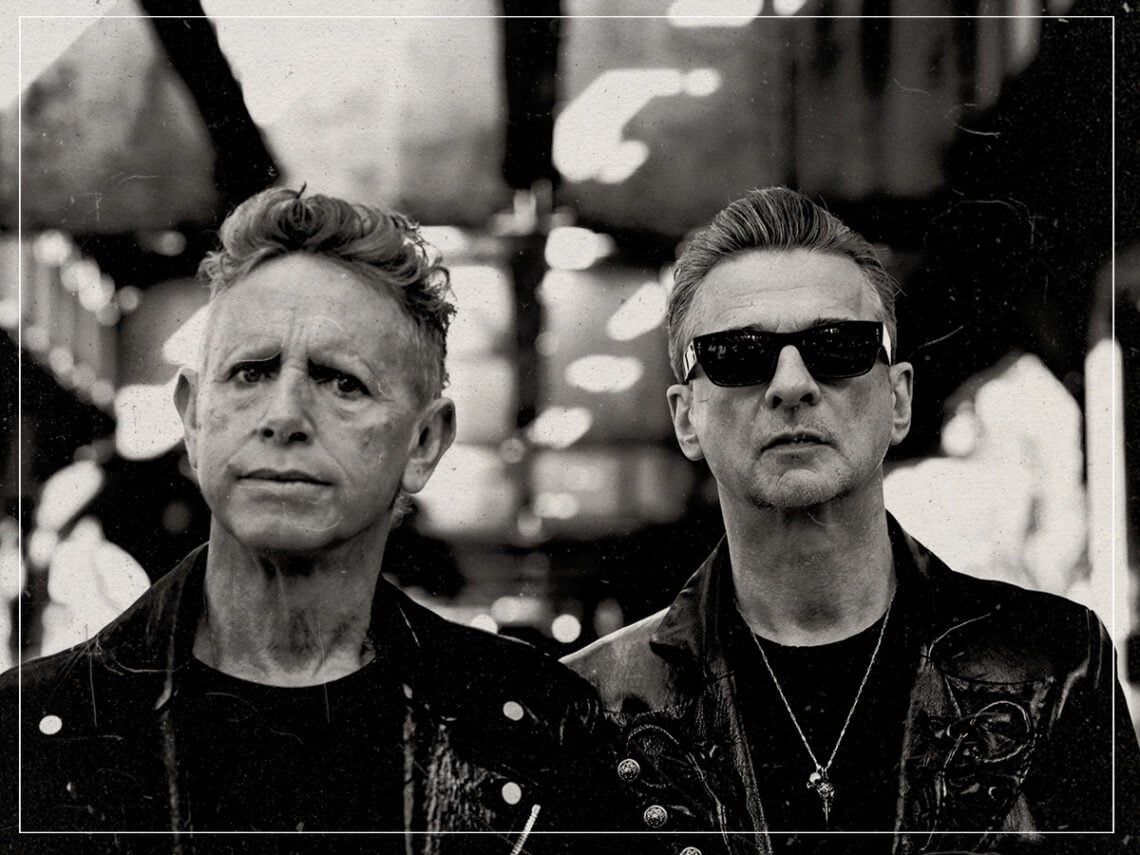
Coupled with the visuals from photographer/director Anton Corbijn, who’d worked with the band on the music video for their 1986 single ‘A Question of Time’, Depeche Mode’s image was set in stone, often immortalised in black-and-white imagery with a mysterious edge. “He’s been with us ever since,” Gore recalled, “so there must have been something cool about those albums.”
Music for the Masses came at a time when American audiences were yearning for something different outside of the tedium of national radio. “One of the problems we’ve always had with Britain is our so-called dodgy past, but America never got that,” the late keyboardist Andy Fletcher reflected, in conversation with Uncut in 2016. “They thought it was quite quaint. Punk had passed them by, and they had this horrible music at the time. This was the first time Americans were listening to music that wasn’t Journey or Aerosmith.”
Different from the previous decade’s stream of rock ‘n’ roll and disco that, while innovative in its own right, had run their course, Depeche Mode served as answers to America’s prayers for a band that was provocative, crafting a sound that fit into the niches of post-punk, new wave, synth and dance, and under the broader umbrella of “alternative”.
Officially “breaking” in America with Music for the Masses, Depeche Mode were finally receiving their due, one that would only amplify in the coming years, once they re-emerged with the invocation of a ‘Personal Jesus’.
