


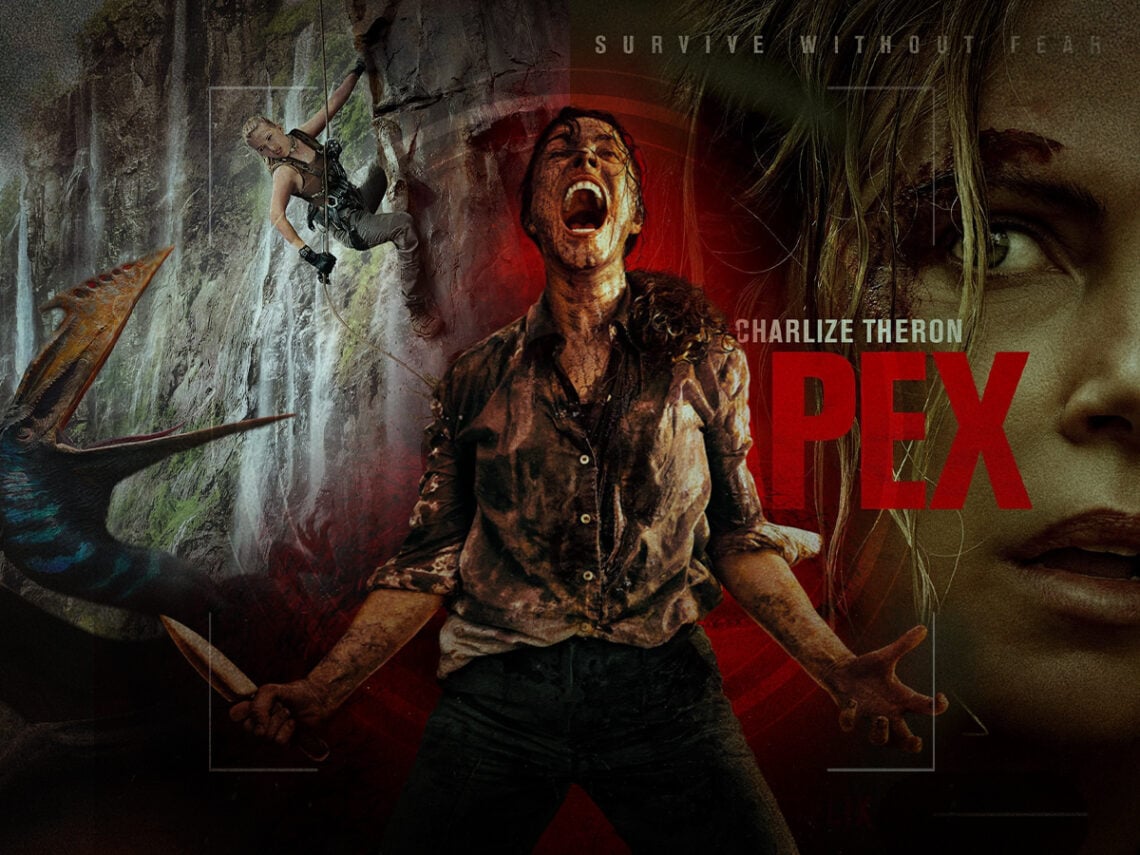
Have any filmmakers been outside lately?

The posters for Sam Raimi’s latest film, Send Help, appear to be modelled on Bob Peak’s iconic poster for Francis Ford Coppola’s Apocalypse Now.
It features Rachel MacAdams standing in the foreground, covered in blood, holding a knife, and screaming. Behind her is a deep red background of a looming face, like Marlon Brando’s looming blood-red face in the Apocalypse Now artwork. It also bears some resemblance to John Alvin’s poster for Martin Scorsese’s Cape Fear, in which Robert De Niro’s eyes create a similarly menacing background.
Like Apocalypse Now, Send Help features an eccentric character who becomes feral when she arrives in a tropical wilderness. Unlike Apocalypse Now, however, Send Help appears to have been made on a soundstage by filmmakers who have never been outside. The foliage is so manicured that it looks as if every leaf had been scrubbed gently with a toothbrush to remove dirt. You can count the number of insects that appear on this uninhabited tropical island on one hand.
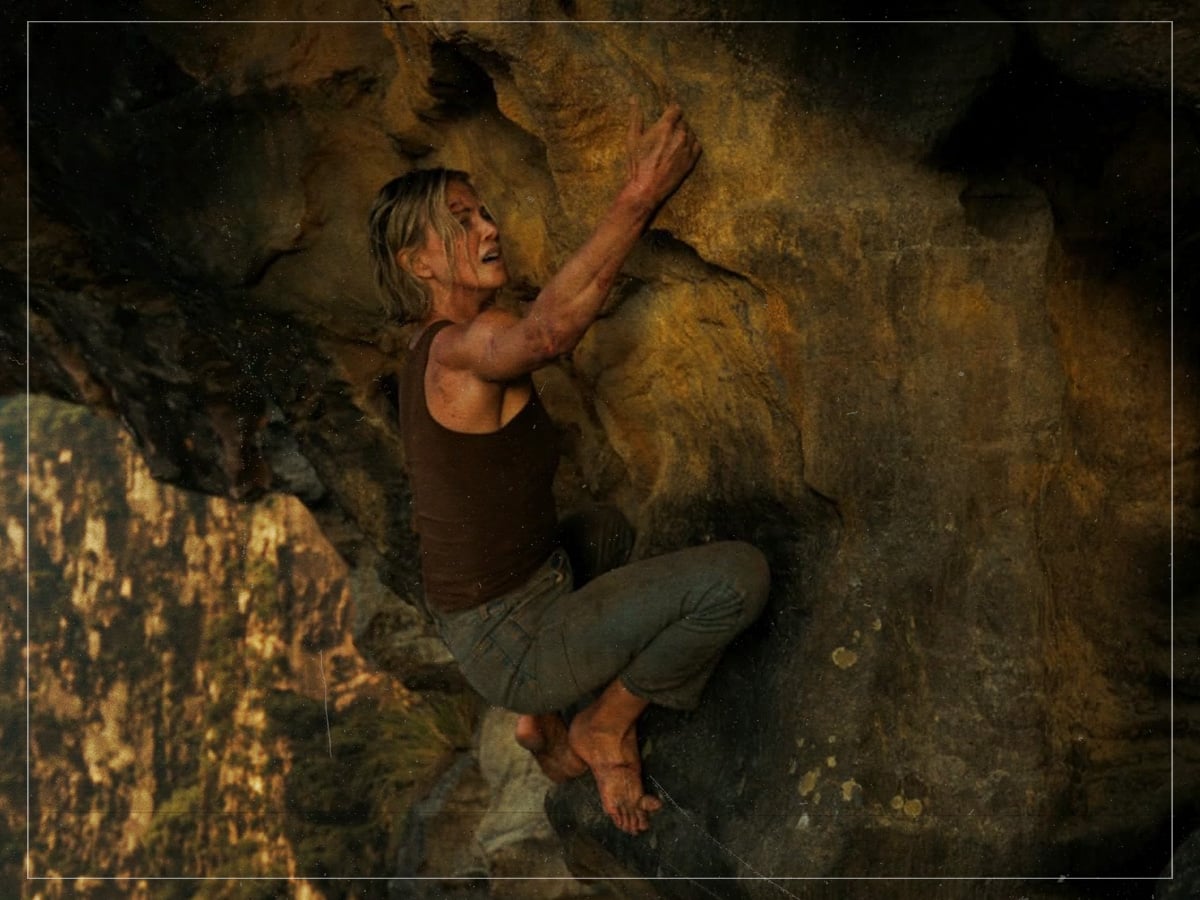
It’s not just Send Help, either. Netflix’s Apex, which was released around the same time, takes place in the wilderness of Australia but could easily have been filmed at Disney World. The rocks either look like they were CGI-ed in 2003 or built out of papier-mâché. At the most perilous moment, Charlize Theron’s character plunges into what looks like a 2010 video game. All those stunts that she probably spent months training for are pointless when everything she does looks like it was made out of ones and zeroes.
Bad special effects passing as a natural environment are excusable when what they’re depicting isn’t that important. If you’re watching a movie about two characters in a boat who never leave their cabin, it doesn’t really matter that the waves undulating outside their window look fake. But when the entire premise of the film hinges on the outdoors, how do you expect the audience to go along with the story if nothing looks real? You’d be better off filming some real nature and then CGI-ing the characters.
Apocalypse Now was famously filmed outside, and everyone involved paid dearly for that decision. The production of William Friedkin’s masterpiece Sorcerer was arguably even more hellish, featuring malaria, gangrene, dysentery, and a crew mutiny. Those films are spectacularly tactile. You feel the teeming life of the jungle, with or without the sound design. The sweat on the actors’ faces is grubby, not dewy. They look like they’re on the verge of quitting, because they absolutely were.
Both of these films helped put an end to the era of studios forking over gobs of cash, no questions asked, for young auteurs to disappear into the wilderness for a few years, and that’s probably a good thing. There are labour laws that would prevent a lot of what they got up to anyway. But filming movies outside is still an option, and it’s not just a matter of having an astronomical budget. Terrence Malick shot 2019’s A Hidden Life for less than $9million and captured the atmosphere of Tyrol so completely that you can practically feel the breeze on your face. Meanwhile, 2025’s Jurassic World Rebirth had a budget in the region of $225m and may as well have been animated (no offence to animation).
This isn’t just a matter of new technology, either, because Jurassic World Rebirth was shot on location and on film, and the cinematographer was John Mathieson, who knows how to shoot open fields of waving grass better than most (see Gladiator and August Rush for confirmation). In other words, the clinical, sanitised nature that we see in Jurassic World Rebirth is a deliberate choice, as is the nature in Send Help and Apex, which were also filmed partially on location.
There are plenty of technical reasons why these movies look so glossy and fake despite having been filmed in the actual environments they’re supposed to depict. Lighting could be part of it, as could the use of green screens to have as much flexibility in post-production as possible. Ultimately, though, the money and technology are there for these movies to look as if the people involved know what grass looks like. It all comes down to artistic decisions, and those decisions are currently very bad indeed.
It is worth noting that all of these movies did extremely well upon their respective releases. Jurassic World Rebirth had a script that was nearly as bland and unnatural as the backdrop, and it still managed to make eleventy-zillion dollars at the box office. Send Help was somehow a hit with critics and audiences. And Apex appeared to have high streaming numbers on Netflix. So perhaps no one actually cares what nature looks like anymore.
At the risk of sounding condescending, though, isn’t that the whole point? Movies give us a glimpse of new worlds, and at a time when we have never been more indoors – for work, leisure, and whatever else occupies us – isn’t it exactly the right moment to make movies that showcase the magisterial power and chaos of the natural world?
We don’t have to put people’s lives at risk like Coppola and Friedkin did in the 1970s, but surely we can make the outdoors actually look like the outdoors. At this point, not doing so is just lazy. Even worse, it’s diminishing the beauty and extremity that actually exists in the world, which is exactly the opposite of what cinema usually sets out to do.
