


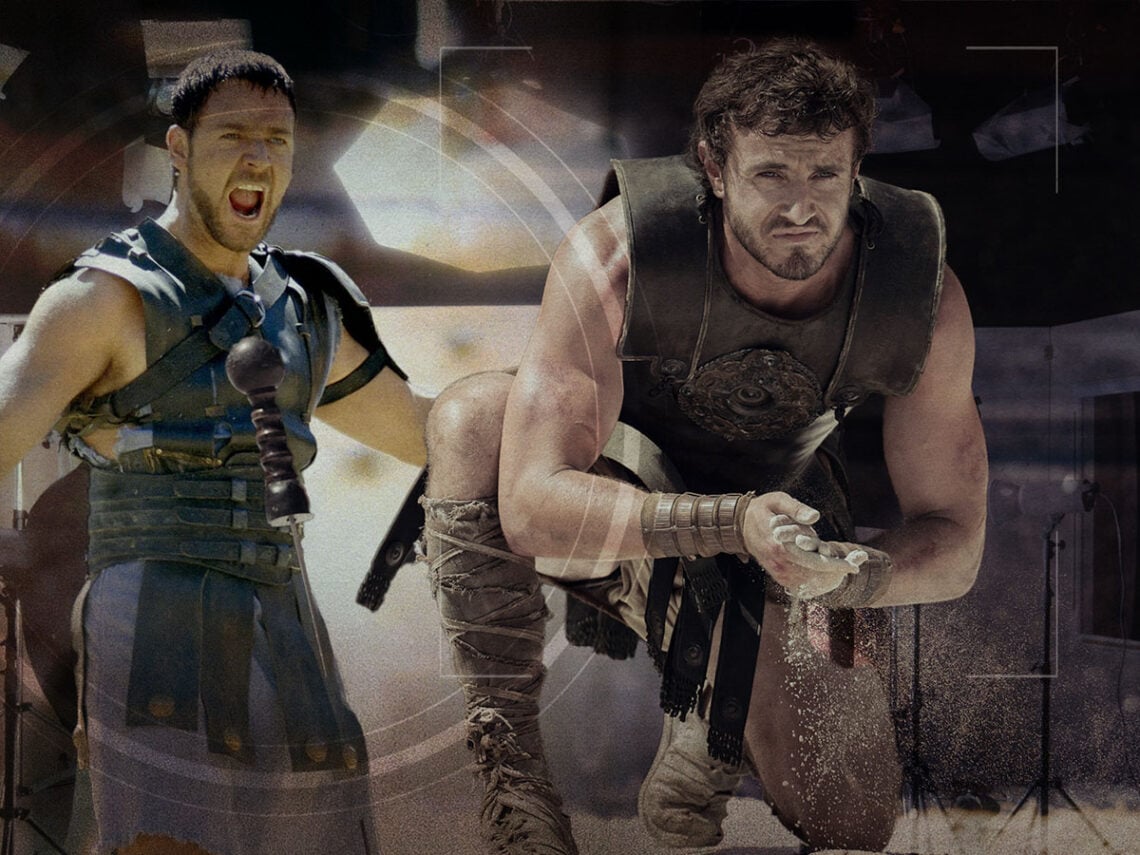
When did movie lighting get so hideous?

We live in a time of dizzying advancements in technology, and cinema is one of the greatest beneficiaries, for better or worse.
When digital cameras began replacing film in the early 2000s, making movies became cheaper and faster. Meanwhile, CGI and VFX became the focus of many productions, replacing everything from teapots to landscapes. Recently, though, all of this technology has become more of a hindrance than a help. In fact, some of the biggest blockbusters of the past few years have appeared distinctly un-cinematic, with flat, washed-out lighting that looks better suited to a Zara advert than an Oscar-nominated blockbuster.
If you go all the way back to the 1930s and ‘40s, lighting was everything. Film noir was an entire genre based on light and shadow. The high contrast lighting in the sewer scene in The Third Man or the streets of Bunker Hill in Kiss Me Deadly evokes a sense of dread without a single line of dialogue. Lighting was a form of wordless exposition, a way of showing the inner world of the characters and the mood of their environment without resorting to a voiceover. It was also used to create the mystique of the movie star. Think of how Marlene Dietrich’s cheekbones loomed from the shadows in Shanghai Express while her hair shone like a halo. Lighting was an art form that defined not just the movies but the stars themselves.
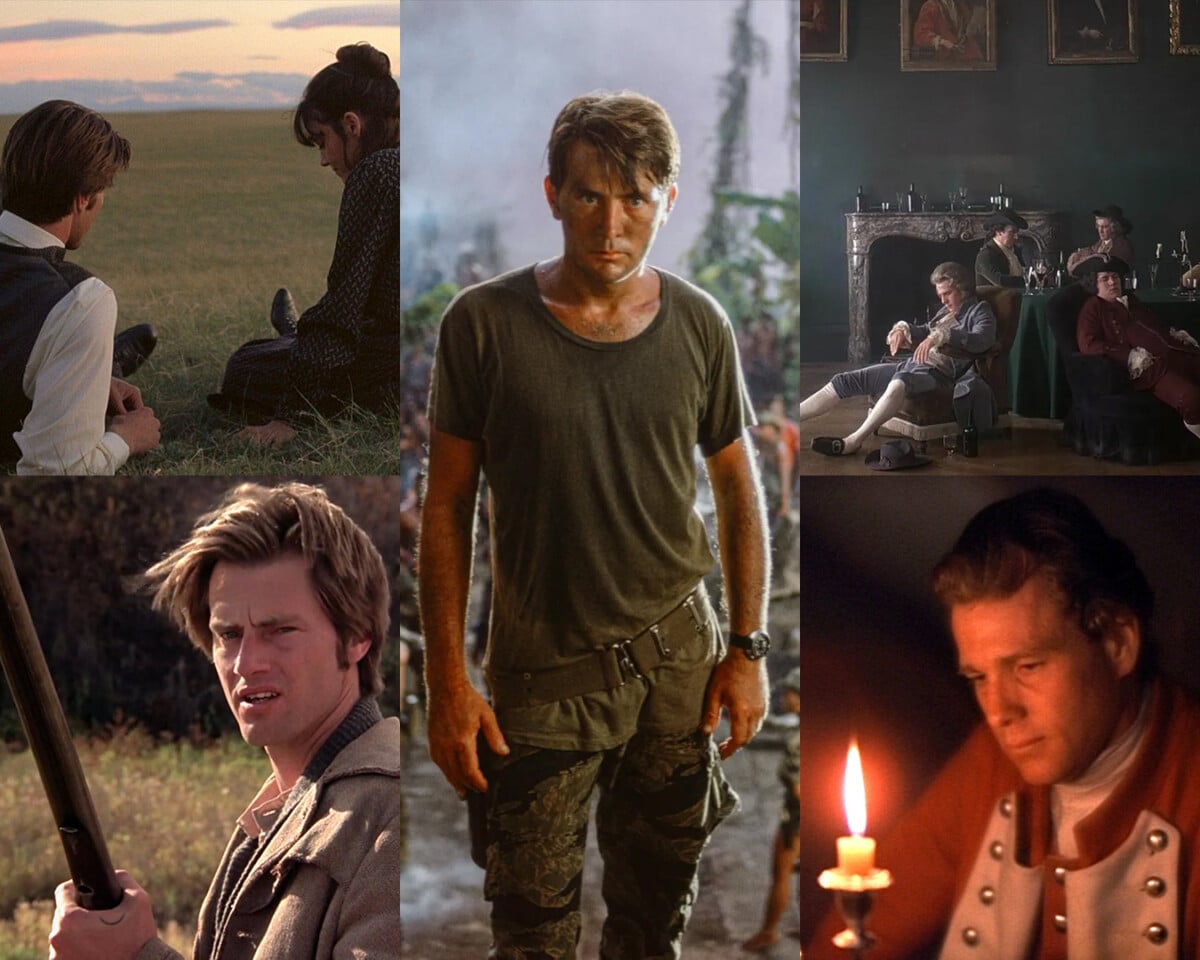
Over time, higher sensitivity film, better lenses, and more mobile cameras allowed filmmakers to use natural lighting as well. Movies like Days of Heaven, Apocalypse Now, and Barry Lyndon demonstrated how cinema could capture natural light to dramatic effect, using nothing more than a sunset or a flickering candle to ignite a scene with poignant beauty. The drama in these images comes from their contrast and colours, the way golden hour can illuminate an actor’s face to look holy, and a rising sun can cast slanting sun rays through the trees.
Watch a big-budget movie these days, though, and you might notice a distinct lack of dimension. The actors’ faces appear poreless. Every inch of the frame is illuminated like an operating theatre. How is it possible that movies have bigger budgets than ever and better technology than ever, but look worse than they’ve ever looked? When Wicked was released in 2024, fans marvelled at how bad it looked. It wasn’t CGI. The PR campaign had proudly shown off the enormous real-life sets that were constructed for it. It was the lighting – a soft glow that permeated every frame, making it look more like a Pixar movie than The Wizard of Oz.
Technology is to blame, of course. These days, movies and series can be shot quickly, using multiple cameras to capture all the angles in a given scene. Careful lighting, the kind that helps tell the story and subliminally shape the audience’s mood, takes time to create. It also requires resetting and relighting with every new camera angle. Applying one enormous soft light to a set allows the production to capture everything it needs without ever having to change the lighting. You might watch an entire movie and have no idea what time of day it is, simply because the lighting is so uniform.
Even filmmakers who should know better are guilty of succumbing to this shortcut. In 2024, John Mathieson, the Oscar-nominated cinematographer of Gladiator and The Phantom of the Opera, blasted Ridley Scott over his work on Gladiator II. Speaking on The DocFix Documentary Storytelling Podcast, Mathieson expressed frustration over the director’s use of multiple cameras.
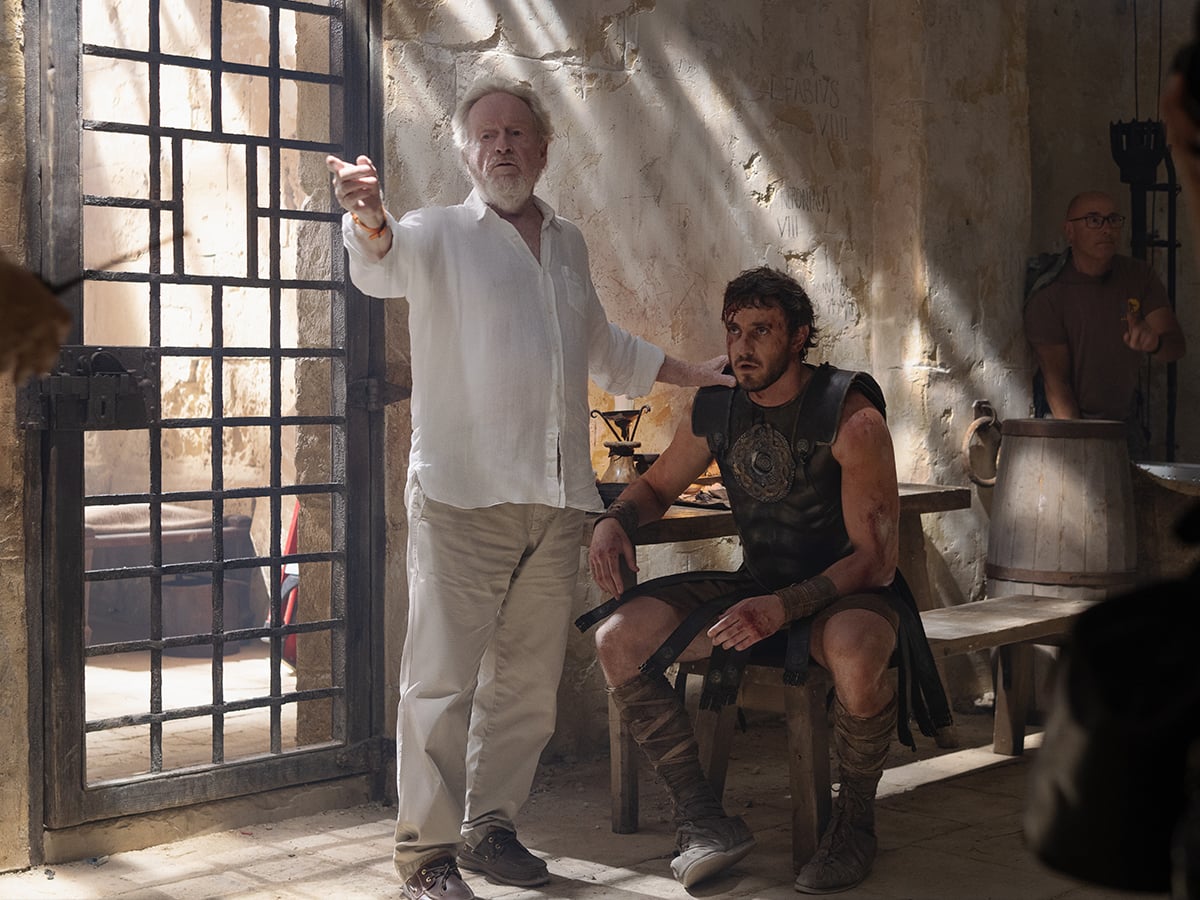

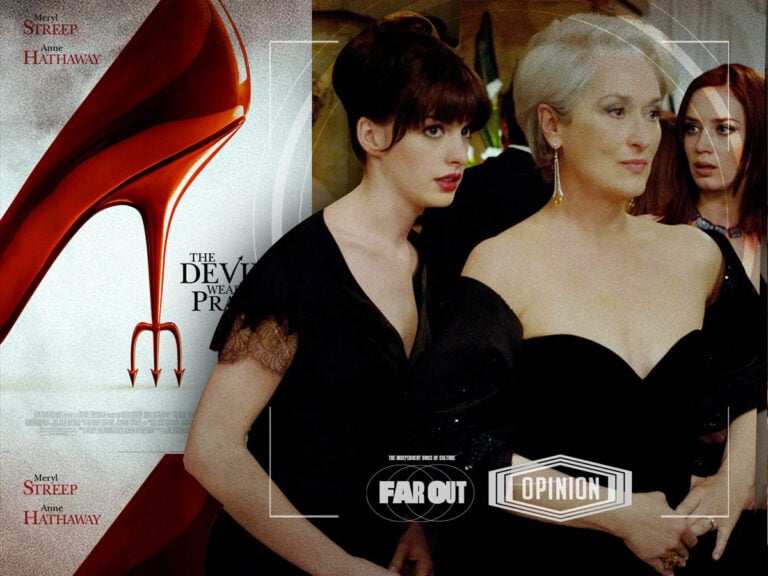
“It’s not very good for cinematography,” he said, adding, “Look at his older films and getting depth into things was very much part of lighting. You can’t do that with a lot of cameras, but he just wants to get it all done.” The director who once used film noir lighting principles to make the visually spectacular dystopia of Blade Runner is now more interested in moving quickly than capitalising on one of the key artistic elements of cinema.
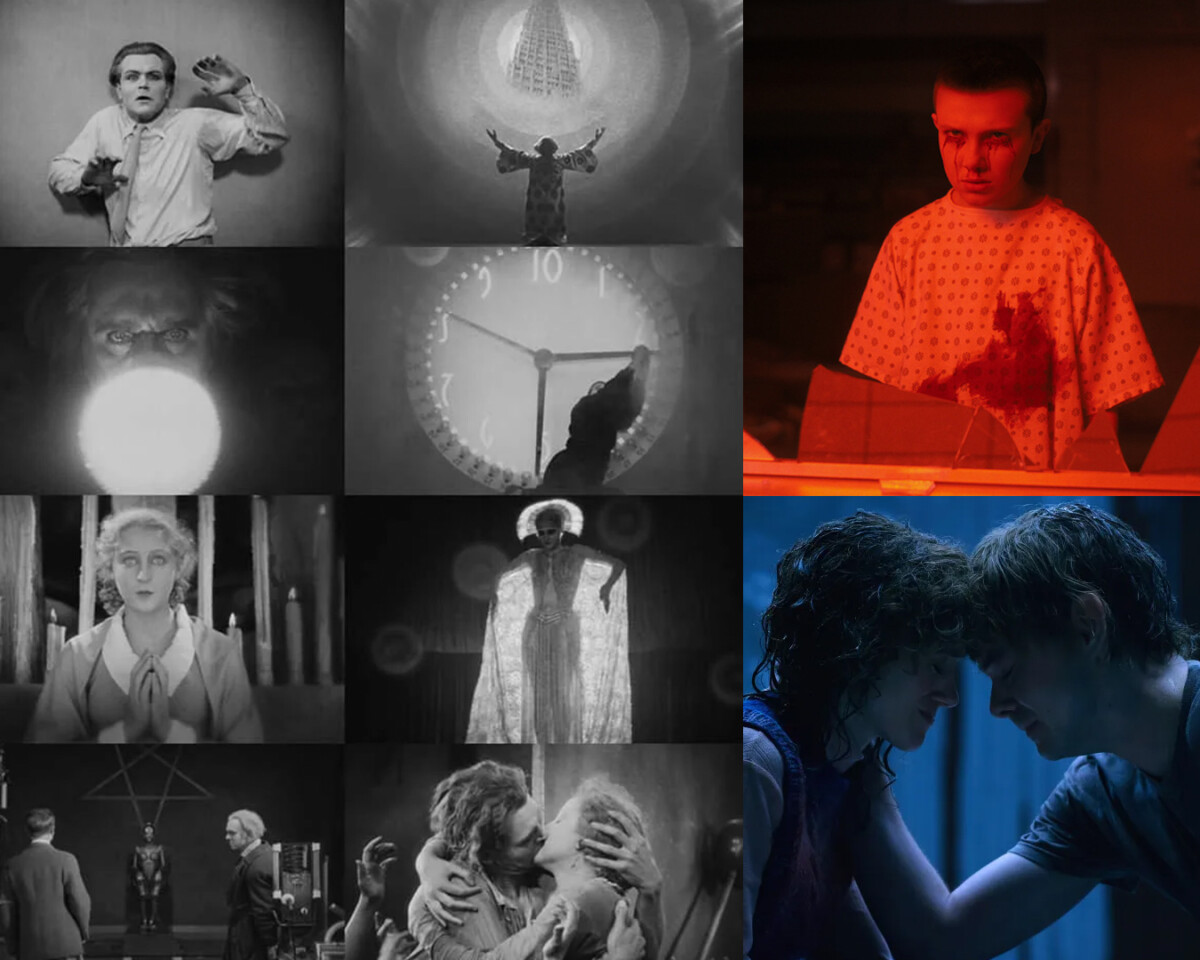
But there is more to it than expediency. The phenomenon of flat lighting has been dubbed ‘Netflix lighting’ for a reason. You might have noticed that it is pervasive in the final season of Stranger Things and many of the platform’s other signature releases. Not only is Netflix interested in shooting “content” quickly, but they also need to heavily compress it in order to stream it to millions of people simultaneously across different internet speeds.
The sharper and more defined the image (in other words, the more you can see an actor’s pores and wrinkles), the more likely there will be visible issues with the compression (otherwise known as “artefacts”). Smooth lighting acts as a kind of preemptive airbrush, smoothing away definition and allowing for greater compression. It’s also appealing to actors, for obvious reasons. If you’ve ever seen a movie and marvelled at how a 60-year-old actor looks barely 40, the soft lighting will absolutely be one of the contributing factors.
There are many reasons to embrace modern technology. The fact that aspiring filmmakers can hone their craft with nothing more than their own phones makes the art form more egalitarian, even if the industry is just as difficult to break into as it’s ever been. But when it comes to lighting, Hollywood has lost the plot. Just because you can shoot something faster doesn’t mean you should. Just because you can add atmosphere in post-production doesn’t mean you should forego creating atmosphere with lighting first.
When directors like Robert Eggers, Ryan Coogler, and Christopher Nolan are allowed to make movies their own way, they and their cinematographers demonstrate just how meaningful lighting can be. Even when the viewer can’t quite put their finger on why the film looks so much more cinematic and immersive than a Marvel movie, they will notice.
On the other end of the spectrum, the series Heated Rivalry used lighting to turn a small-budget production into one that looked sumptuous, cinematic, and steeped in feeling. It’s such a key part of the series’ aesthetic that it’s reasonable to assume that, had it been shot with ‘Netflix lighting,’ it would never have connected so intensely with audiences.
Bad lighting has become ubiquitous in many big-budget movies and streaming series, and no matter what the producers think they’re gaining (money, ultimately), they are not getting away with it unscathed. Movies are a visual medium, and when they look bad, it’s a problem. There is a century-old history of using light as an art form, even when the technology was vastly harder to work with. If Fritz Lang and Karl Freund could do it with arc lights and low-sensitivity film stock in 1927 to make Metropolis, anyone with access to a camera can do it today. The artistry was never in the technology.
