


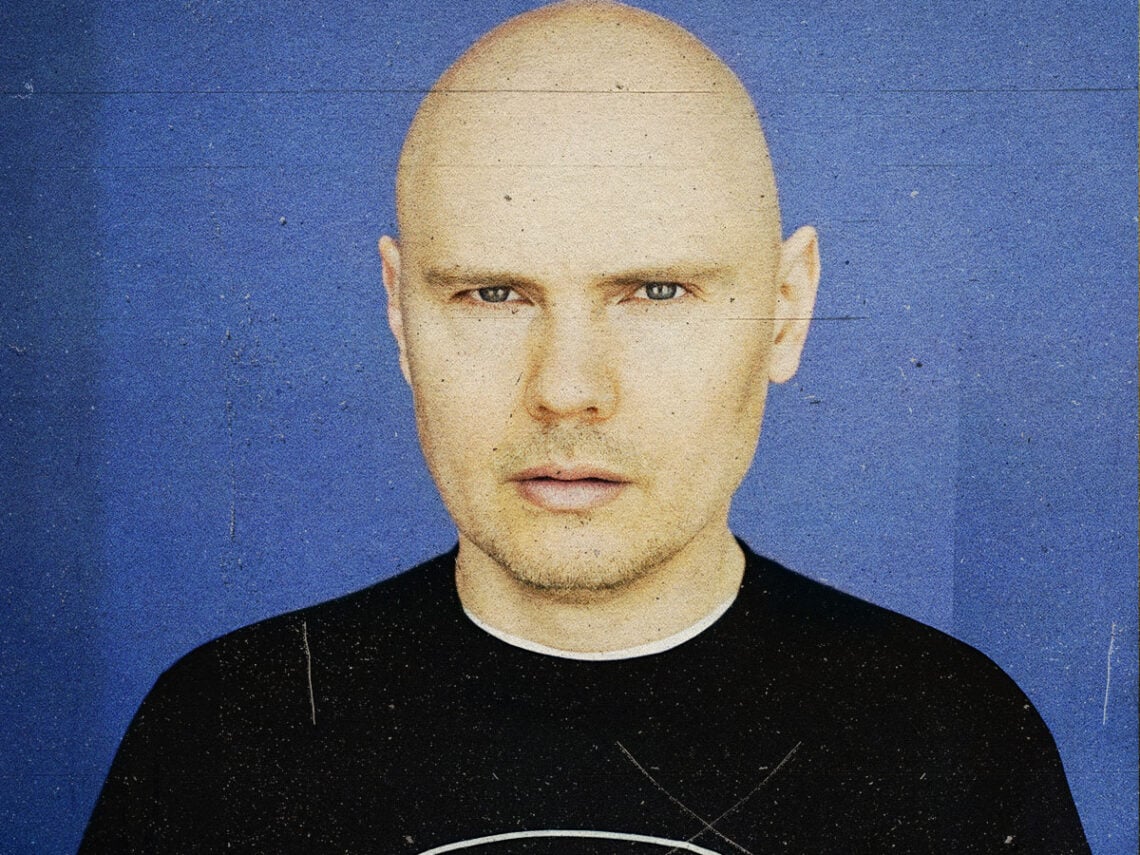
“At the time, I didn’t get it”: The valuable guitar lesson Billy Corgan picked up from Tony Iommi

The Smashing Pumpkins formed in 1988 under the leadership of frontman and guitarist Billy Corgan. Initially, he was joined by secondary guitarist James Iha, bassist D’arcy Wretzky, and drummer Jimmy Chamberlin, though the line-up has shuffled a number of times over the years. The band is adjacent to several genres, including grunge, goth, and neo-psychedelia, but thanks to Corgan’s creative nuances and restless creativity, it has never been chained to any one corner of the musical map.
The Smashing Pumpkins were at the height of their powers in the 1990s and struck particularly lofty peaks with the albums Siamese Dream and Mellon Collie and the Infinite Sadness. Corgan’s poetic verse and guitar chemistry with Iha struck a peak in these releases, marrying the band’s taste for the sounds of classic pop rock and more contemporary artists operating in the leftfield.
As a teenager, Corgan became particularly enamoured with glam-era and anthemic power pop stars of the 1970s, including David Bowie, Cheap Trick, Queen, Boston, and the Electric Light Orchestra. Throughout the 1980s, he was inspired by hardcore punk bands and the emerging noise and grunge rock scenes as championed by the likes of Sonic Youth and Black Flag.
While working on material for Mellon Collie and the Infinite Sadness, Corgan also became infatuated with the British shoegazing scene. He sought out Alan Moulder as a co-producer on the album after being impressed by his prior work with bands like Ride, Swervedriver, Slowdive, and My Bloody Valentine. At this point, Corgan began to work on busier wall-of-sound guitar textures with Iha.
Where The Smashing Pumpkins differ from most shoegaze and dream-pop acts of the early 1990s is their intensity, both vocally and instrumentally. This is due to the potent influence of punk and heavy metal. Alongside his taste for the likes of Queen and David Bowie, Corgan has also long been inspired by the early 1970s metal innovators Black Sabbath, not least because of Tony Iommi’s inspired guitar work.
Like many beginner guitarists, Corgan cut his teeth copying some of Iommi’s iconic riffs, like those heard in ‘Paranoid’ and ‘War Pigs’. Speaking to Chicago Music Exchange in 2023, Corgan discussed the enduring influence of Iommi, revealing the most important lesson he learned from studying the guitarist’s music over the years. “I remember talking to Tony Iommi years ago about his relationship with certain amp makers,” the Smashing Pumpkins singer recalled. “He was talking about how people romanticise the old sound, but how he’s trying to update that into the modern era.”
As a young guitar player, Corgan always tried to replicate Iommi’s early sound and initially couldn’t understand why the Brit moved on from that tone and style. “At the time, I didn’t get it, but as I’ve gotten older, I realised that you want your sound, but at the same time, you don’t want it to be dated or old,” he continued to explain. “You want your sound to be brought into the 21st century.”
In recent years, Corgan has taken this leaf from Iommi’s book, understanding that, although he still fronts The Smashing Pumpkins, he doesn’t have to stick to his old tricks in new material. Picking out ‘Bodies’ and ‘Zero’, two classics from Mellon Collie and the Infinite Sadness, as an example of his older, brighter guitar sound, courtesy of his old Reverend model.
“I was playing an original [Reverend] signature guitar which I still love, but it has a much brighter, more modern tone and a clarity that’s really good for recording with,” he said. “From the live side, playing old Pumpkins stuff, I found myself fighting with the guitar, wanting something a little darker with less high end on the very top and the Tony Iommi low-mid note.”
Using his newer guitars, Corgan can achieve a darker tone to bring variety to his stage show and studio exploits but likes to return to his iconic Reverend to honour the classics. “The most impressive thing about the guitar is its ability to get a vintage tone but find that balance with modernity,” he added. “I get so many compliments; people love the design element. It’s something I wouldn’t usually think of, and so it’s become really signature to the way I view the guitar, and it also represents a bit of my history.”
