


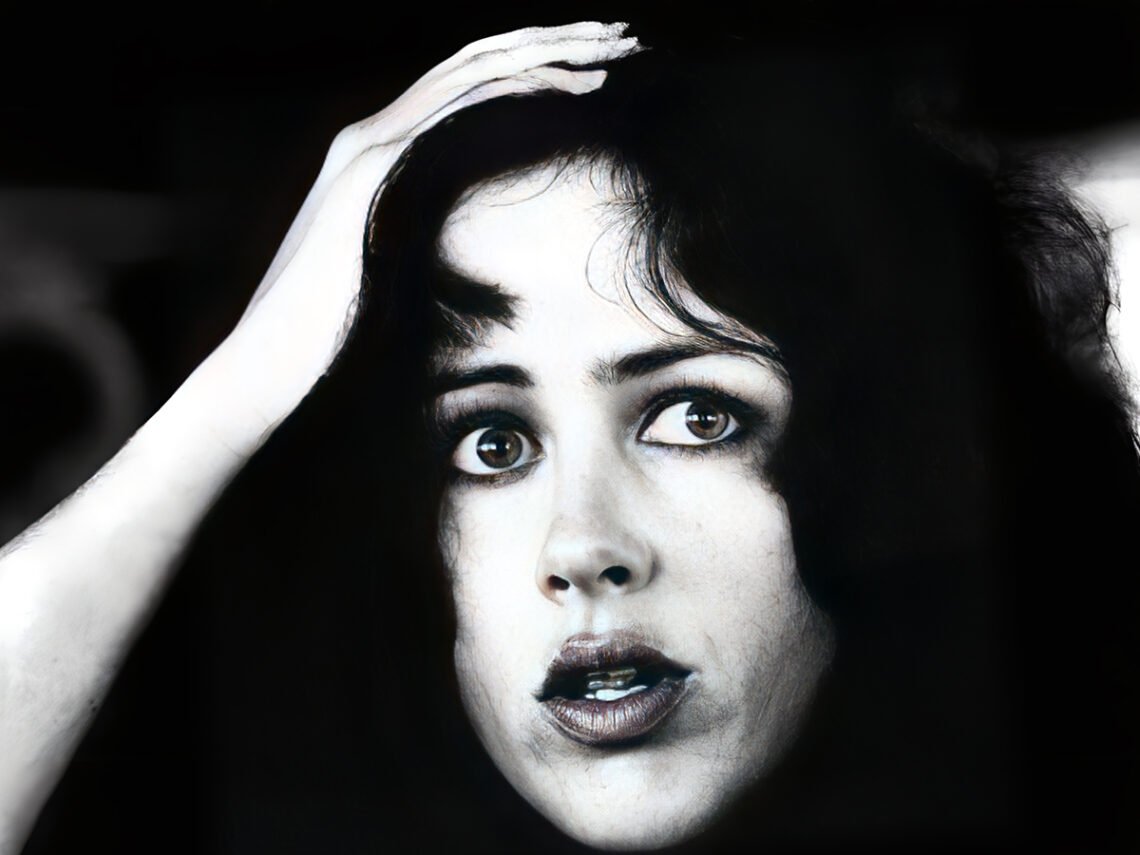
‘Manhole’: Grace Slick’s finest vocal performance

“Alright, friends, you have seen the heavy groups,” Grace Slick said to the crowd after the first song of Jefferson Airplane’s ridiculously early 8am set at the legendary Woodstock Music and Art Fair in 1969. “Now you will see morning maniac music, believe me. This is a new dawn”.
The band then launched into one of their best-known songs, ‘Somebody To Love’, and Slick wasted no time in turning up the heat with her eviscerating vocal performance. Despite the manpower on stage, with the number of guitars and drums behind her, it was Slick’s singing that stole the show. She yelled, howled, cried, and belted and bellowed her way through the song in a powerhouse performance.
Elsewhere in the set, she showed off her vocal prowess with songs like ‘White Rabbit’, and if there was any doubt about her abilities to sell a song, they were highlighted by her absence on the numbers she didn’t sing. ‘Come Back, Baby’ has a tight, funky undercurrent but is dearly missing her gritty vocals, and the audience would have been forgiven for wishing she’d follow the lead of the song’s title and return to the stage already. Paul Kantner may tear it up on his Rickenbacker guitar, but he’s no match for Slick at the microphone stand.
With her two-octave vocal range, Slick also had a stylistic range to boot, as evidenced by her impressive performances on such diverse songs as ‘Lather’, ‘Mexico’, ‘Hyperdrive’, ‘We Built This City’ and ‘Nothing’s Gonna Stop Us Now’.
But perhaps the finest example of her vocal abilities came on her debut solo album and its titular song ‘Manhole’. While she is best known for her work with Jefferson Airplane (and later, Jefferson Starship), ‘Manhole’ gave her the best opportunity to show off the full extent of her gritty, blues-infused and belting voice.
Clocking in at a whopping 15 minutes and 12 seconds, the song travels through a variety of tempos and styles, allowing Slick to flow with them and not settle in one mode for too long. This means she has to keep pushing herself, and the song demands that each musician is pushed to the outer limits of their abilities, too.
It’s a rock opera—a symphonic, bohemian, hippy rhapsody that builds and climbs and falls away and rises again, cycles through the seasons and emotions and expands and contracts eternally as it goes on.
The sleek strings and brass section, the pounding pianos and screaming guitars, and the rest of the oversized ensemble try to keep up with her massive vocals, but they’re no match for her expansive voice. You can hear every facet of Slick’s ability in this song, every note in her arsenal and every emotion in her heart. It might not be her most well-known number, but it is certainly her crowning vocal achievement, the real moment that unleashed the new dawn and told the world that nothing would stop her now.
