


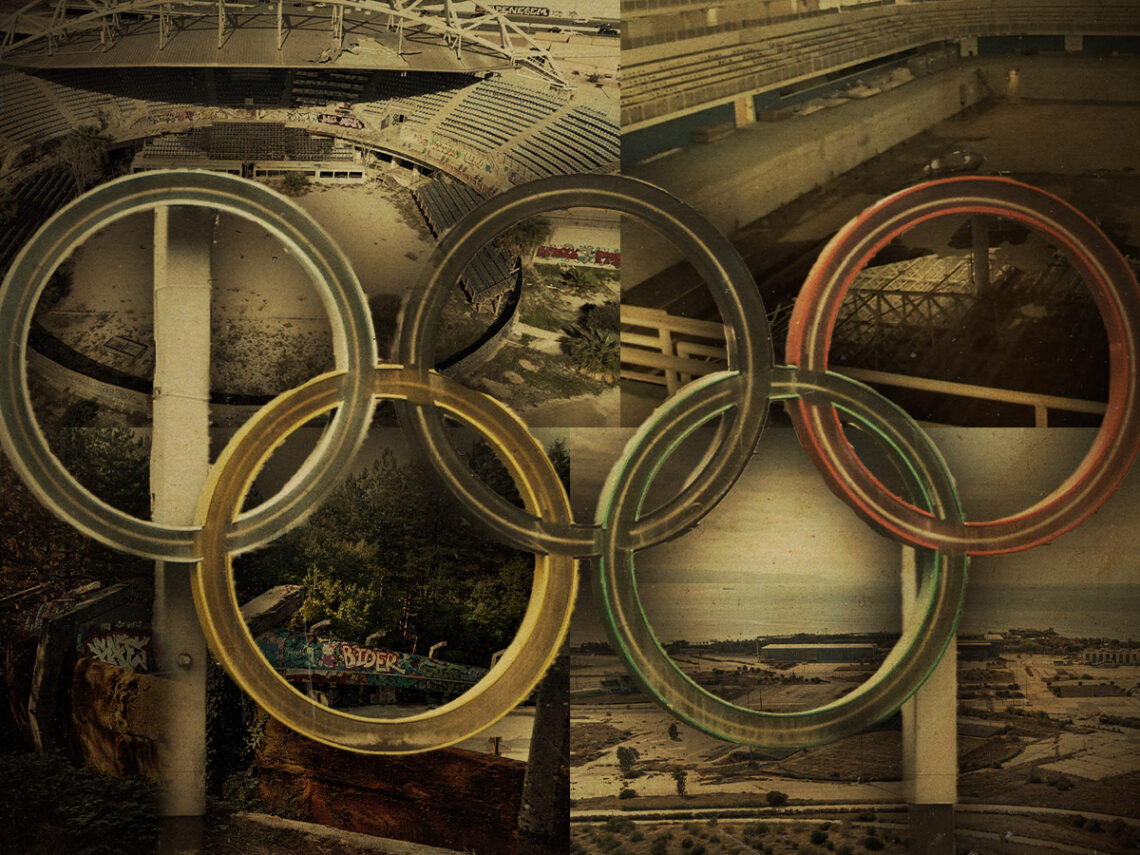
Ghosts of the games: The haunting Olympic venues which lie abandoned

The Olympic Games are one of the most important, celebrated and watched sporting events on the globe, where every four years it turns its host city into the centre of the sporting universe, with eyes transfixed from across the world.
They’re supposed to bring not only prestige but tourism and long-term infrastructure, but the reality is often very different, with host cities struggling to repurpose expensive stadia. For every success story, like the Copper Box from London’s 2012 games, there are countless failures, which now stand as warnings from the past, and symbols of the excess that the games can bring.
Mother Nature has begun to grow into some of these sporting meccas, alongside the graffiti and litter, winning a gold medal for reclamation.
The 2004 Olympic Games in Athens might have been a fantastic sporting event, but it has become the poster child for Olympic mismanagement, with grotesque sums of money spent, only for so much of its infrastructure to become obsolete, to the point where it’s often cited, perhaps unfairly, as one of the reasons behind Greece’s subsequent economic collapse.
There are a number of structures which have fallen into disrepair, but the Faliro Olympic Beach Volleyball Centre is perhaps the most well-known. At its pomp, the stadium held just shy of 10,000 spectators, but now it’s deathly quiet, with the seats empty and covered in dust and sand, the walls tagged by local street artists, and vegetation growing throughout.

This is not the only example of ghostly ruins from this Olympic edition, but there’s also the Hellinikon Olympic Complex that was built on the site of a former airport in order to host basketball and handball, amongst other events, but now the site is partially demolished and lies unused. The Hellinikon Softball Stadium is also creaking and falling apart, having deteriorated quickly with a lack of use and severe lack of maintenance. Across the city, there are relics from the 2004 Olympic Games that are rusting, broken and being overrun by weeds, having been claimed back by nature in the two decades since the closing ceremony.
Following 2004, there was a push for future Olympic Games to really focus on sustainability and legacy within any buildings built for the event. In many ways, Greece was a hostage to fate, with the economic crisis being largely to blame for the state that the facilities were allowed to fall into. Now, these Olympic remains are largely just visited by urban explorers and sport-loving tourists who are happy to jump over fences to take a look inside.



Sadly, not all the warnings from Greece were taken on board, and Rio, host of the 2016 games, also saw some of their facilities left as empty, unused shells, and while some buildings, such as the Olympic Aquatics Centre and the Future Arena, were at least designed to be temporary structures, little was thought about what would actually happen next, and it took years for dismantling and redevelopment to begin.
However, it’s not just the Summer Olympic Games that suffer from this fate, such as in Turin, which was host to the Winter Olympic Games in 2006, Cesana Pariol, the track that hosted the bobsleigh, luge and skeleton, has been closed since 2011, and has become a host for graffiti artists as well as nature. Having originally cost €110million to build, it was too expensive to maintain, and left unattended, while plans to renovate it and use it for future competitions, such as the 2026 Olympics, were ignored.
Perhaps the most iconic abandoned Olympic building of all is another bobsleigh and luge track, this time in Sarajevo, running down Mount Trebevic, which was used during 1984’s Yugoslavian Winter Games. Within a decade of that opening ceremony, the region was at war, with Sarajevo being brutalised, the track itself used as an artillery position during the siege of the city, was heavily damaged, and now, some of the scars of war remain on the concrete track, alongside the obligatory graffiti and weeds, becoming something of a dark tourist attraction for visitors to the city: a distant memory of the glory years of Yugoslavia, and the subsequent war that followed in the 1990s.
Alongside the ski jumps on Mount Igman, it’s now decaying and a reminder of everything that the city has been through. Every four years, the Olympic Games come into our lives, with the fantastic tales of hard work, talent, and perseverance entertaining and enthralling us. Within weeks, the show is over, and the athletes have left, and while the gold medals might live forever, the same can’t be said for the infrastructure, but those decaying ruins can be nostalgic, informative and tourist destinations within their own right.
