


The strange commercialisation of Xochimilco: Mexico’s tragic island of dolls

Deep in the canals of Xochimilco, Mexico, sits one of the world’s weirdest tourist attractions, the Island of the Dolls, or as it’s known locally, La Isla de las Muñecas.
A place that has become synonymous with horror, the island was the creation of an isolated man who has gone viral and developed into a dark tourism hotspot, but underneath the Instagram photos is a far sadder and more complicated tale, which raises questions around mental illness, grief and the commercialisation of tragedy.
The story of Xochimilco goes way back; long before the Spanish colonised Mexico, it was developed into a series of canals and floating islands. These agricultural islands, known as chinampas, were used by the Aztecs to grow crops to feed their population, but in this life, they’ve become tourist destinations. Boats rammed with travellers, food stalls, and mariachi bands flood the canal system, offering not a lick of authentic Mexico, but a shallow tourist trap designed to part visitors from their cash.
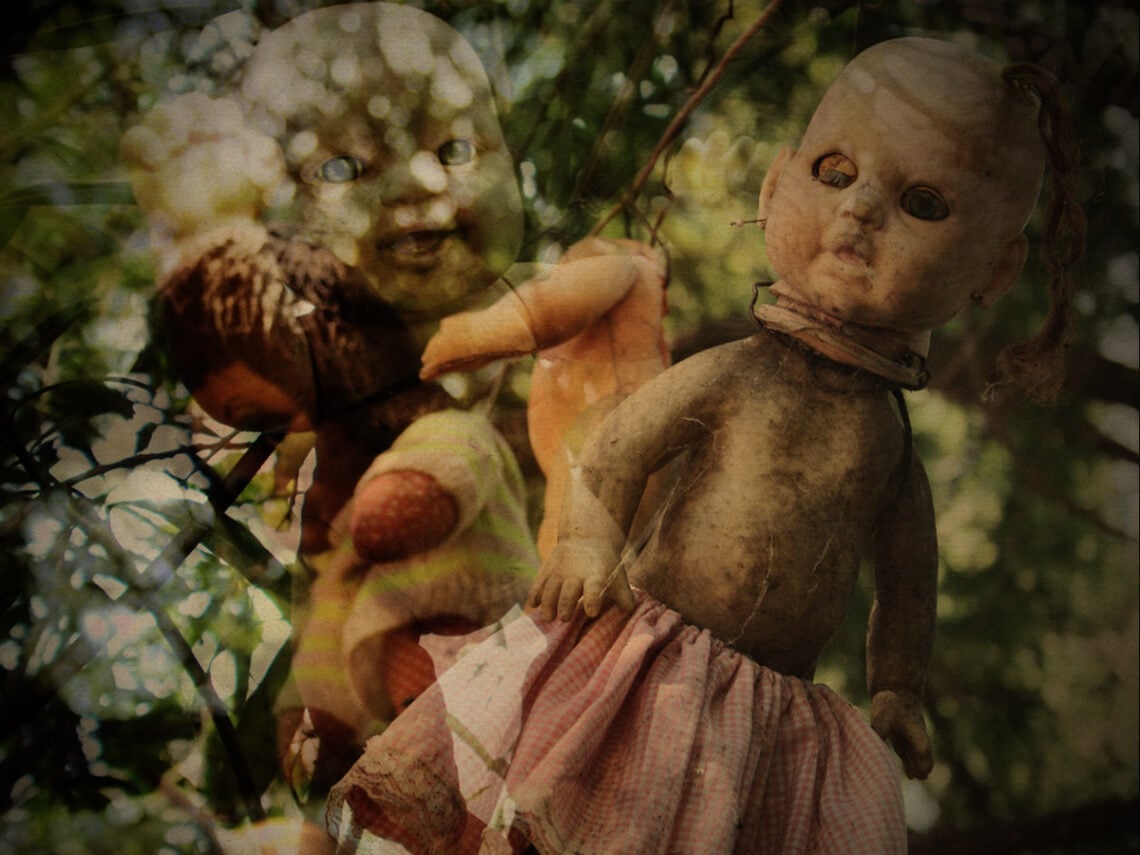
However, just away from the humdrum is the Island of the Dolls, a place where time slows down, and the atmosphere is without music or joy, with visitors going there to see hundreds of dolls, sitting broken and rotting on the island, some hung from trees, others nailed to walls or suspended above the water. Discoloured by the weather and years of decay, these dolls are tired, often missing eyes or limbs.
It all started when Don Julian Santana Barrera moved to the island. Not much is really known about him, or when he arrived, but it is believed he moved in the middle of the last century, ditching his family to stay alone in the canals of Xochimilco. Some say he was a religious man, some say he was a hermit, and others suggest he was suffering from mental illness, but one thing was certain: he was by his sole self.
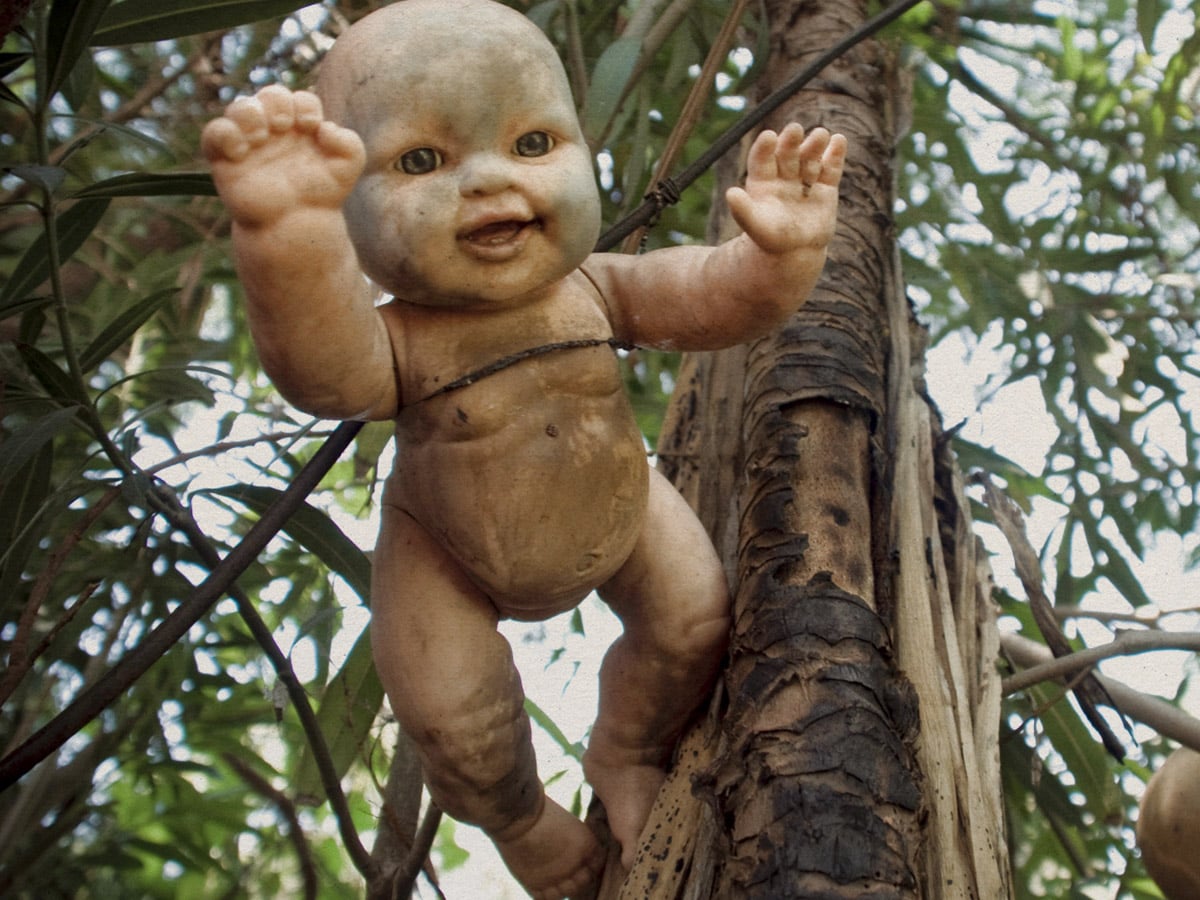
The story goes that Barrera then discovered the cold, lifeless corpse of a young girl who had drowned in the canal, which haunted him, and then, days later, he found a doll floating in the canal that he believed must have been hers. Then, in a bid to pay tribute to her, or perhaps protect himself from her spirit, he hung the doll from a tree. He’s said to have then continued hearing her ghost stalk the area, with footsteps and whispers, so he began to collect more dolls and hang them up.
Over the course of decades, this grew into an obsession with Barrera scavenging dolls from rubbish dumps, the canal itself and markets. These dirty, damaged dolls were then hung up straight away and placed over the small island, giving it the haunted, terrifying look that still survives to this day. At this point, the island was gaining attention, thanks to its scary atmosphere, and visitors often paid Barrera a small fee to take photos and hear his stories, with people convinced that he thought the island was haunted and viewed the dolls as protectors.
Visiting the island became as much about meeting this eccentric man as it did the dolls themselves. Then, in 2001, the legend was cemented forever when Barrera was found dead in the canal, at the exact spot that he claimed to have found the dead girl decades prior, with his cause of death unclear. Some reported that he had heard voices calling him to the water, while others suggested accidental drowning or a heart attack, which were more likely, but regardless, the legend of the Island of the Dolls didn’t stop growing.
Dig deeper, and things become murky, with some uncertainty around whether the little girl ever existed, let alone drowned. Some of his own relatives believe that it never happened, while others think it could have been part of Barrera’s own imagination, or perhaps an over-embellishing of a real drowning that happened decades before. In many ways, the real truth of that drowned girl is irrelevant, thanks to everything that has followed.
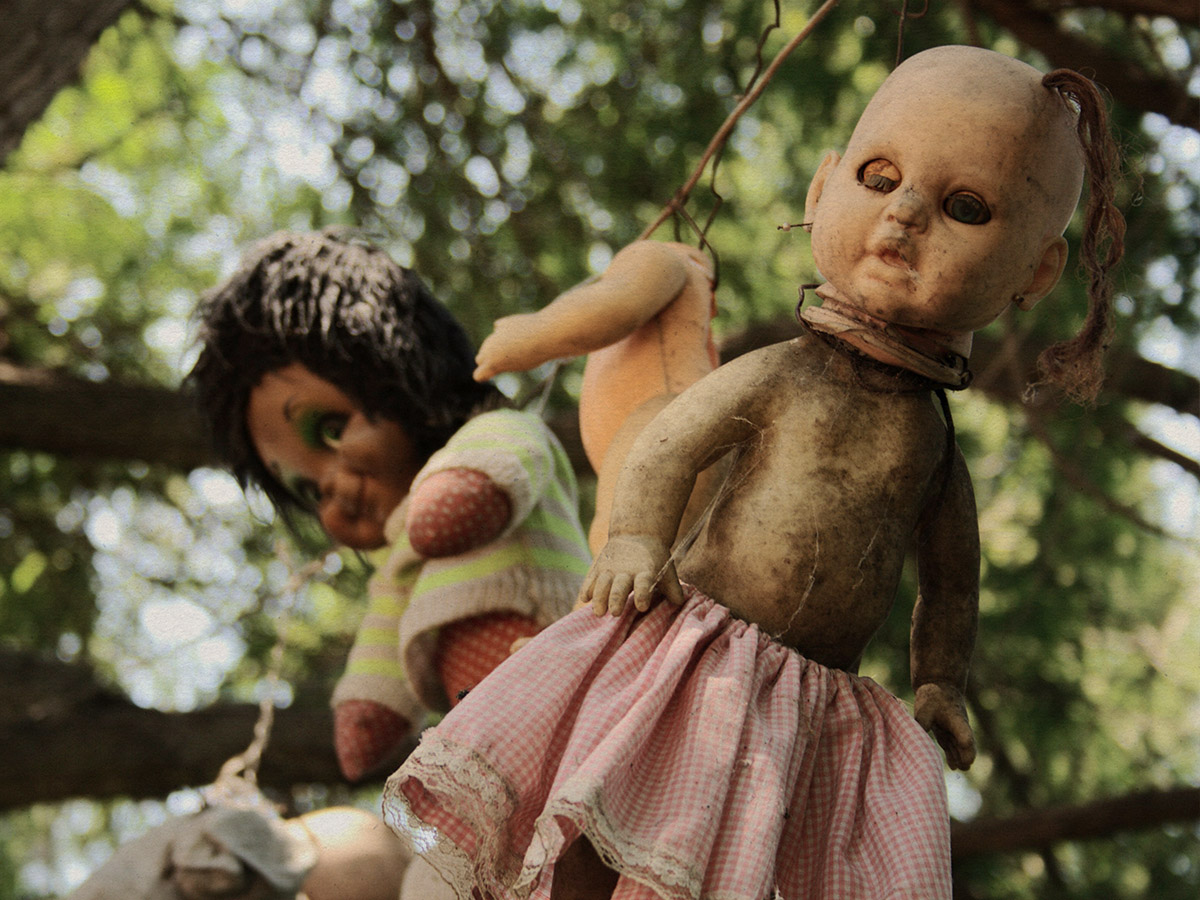
Since his death, visitor numbers have skyrocketed, and the Island of the Dolls has featured on travel shows and YouTube channels, and been visited by ghost hunters too. The cycle has continued, with some visitors even bringing their own dolls to add to the island. The internet has only helped to speed the process up, with the haunting doll heads reminiscent of scenes from horror movies.
The interesting question is around the commercialisation of these deaths, even if just Barreras’ was real. The entire appeal of this island is based on the horrible events that transpired there, and even the uncertainty around the drowned girl can be used to make it more marketable.
Mexico has a rich and unique history in terms of engaging with death. Through folklore and the Day of the Dead, they’ve tackled the spectre of mortality more than most cultures, so perhaps have more wriggle room here. The island reflects the country’s relationship between mortality and spirits, but for most visitors, it’s about witnessing something creepy and getting some good photos that can rack up some likes.
Ultimately, the Island of the Dolls has captured the imagination of tourists because it sits perfectly on that intersection of myth, tragedy, reality and strong visual aesthetics. It’s both a memorial, an art project, an Instagram backdrop, a set from a horror movie and a legend, all at once. Perhaps, even more than that, it’s something that can force us to confront death and its place in our own lives.
