


Seeing stars: The rise and rise of astrotourism

It wasn’t long ago that merely overseas travel was the preserve of the rich and famous, and the idea of travelling abroad just to look at the night sky would have been absurd, but in 2026, astrotourism is in the process of moving from a niche concern to being a legitimate, mainstream travel trend.
Whether it’s Chilean deserts or villages in the heart of Africa, people are increasingly looking beyond traditional locations and searching for darkness over beaches and museums, and with astrotourism on the rise, we need to ask ourselves whether this is a fad and what it says about modern life and how we view travel.
Astrotourism destinations span the globe, but there are some traits that apply without fail, such as clear skies and low levels of light pollution, which are essential in order for people to be able to stargaze and get the best, uninterrupted views of the expanse of the night sky, so quite often, this means that destinations are at high altitudes or have dry climates too.
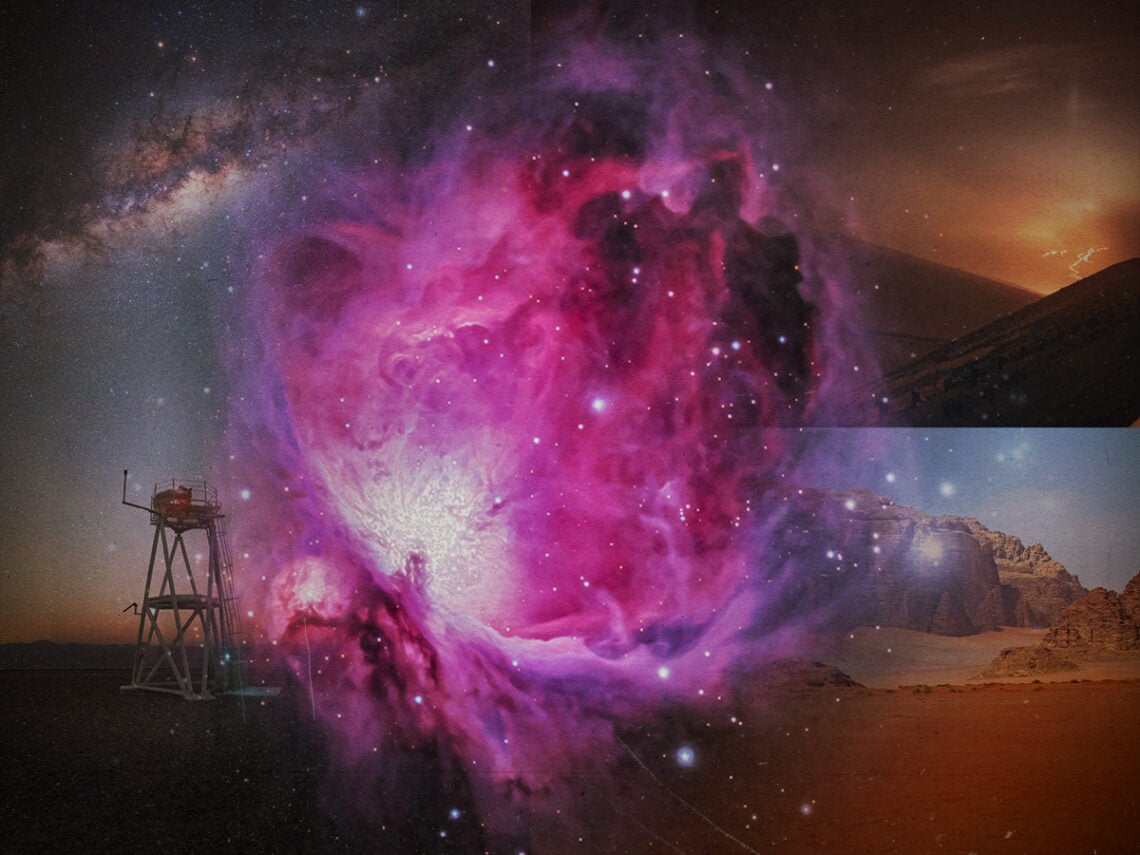
Unsurprisingly, given their sparseness, deserts are amongst the best locations for looking up at the stars. Jordan’s Wadi Rum and the deserts of Namibia are two of the better options out there, but Chile’s Atacama Desert, with its mix of both dryness and altitude, is arguably the best. Across Africa, we’re now seeing an increase in luxury lodges being built in order to better facilitate those coming to enjoy the skies above.
Mountains, with their lack of infrastructure, are popular choices, and Hawaii’s dormant volcano, Mauna Kea, is another location that offers exceptional, clear views of the stars. Beyond that, smaller, less densely populated islands are also experiencing a boom in astrotourism, and while the Maldives have been a popular destination for a long time, New Zealand’s Aoraki Mackenzie Dark Sky Reserve on the South Island has also become the gold standard. It’s had strict lighting restrictions since the 1980s and offers great views of the Milky Way, making it important for not only astrotourists, but scientists and local Maori tribes. Even in the UK and US, both countries with high amounts of light pollution, there are areas, such as the Brecon Beacons or Utah’s national parks, that can play host to astrotourists.
It’s estimated that the astrotourism market was worth around $1billion in 2025 and could triple in size within seven years, as people look for experience-focused travel. Internet data backs this up, with searches for ‘dark sky destinations’ increasing by 40% between 2022 and 2025. One of the most interesting questions is why stargazing has captured the public consciousness, and it’s most likely a mixture of a number of factors.
Firstly, the stars are getting increasingly harder to see, and the night sky is disappearing for a large chunk of the world’s population. It’s believed that artificial lights, from cities, roads and businesses, have increased around 9.6% per year. Now over 80% of the planet’s entire population lives under skies polluted by light, and in Europe, over 60% are unable to see the Milky Way from where they live, with estimates of just 15% being able to see it, marginally lower than the 20% in America. When you look up at the sky at night, it’s often possible to make out some stars alongside the moon, but in truly dark locations, you can see so much more, with the black sky littered with hundreds and thousands of stars.


The drive to get back to nature isn’t just stopping at stargazing and has become part of a wider trend, with digital detoxes and wellness tourism also modern buzzwords. This is also part of a mixing pot that is seeing people wanting to get away from big cities and go native, experiencing remote places and taking in the natural beauty that our ancestors would have seen. While the desire to put down our phones and live in the real world is increasing, there’s an irony at play in that Instagram, amongst others, has helped make astronomy more accessible and raise interest in the hobby.
Within the tourism sector, there’s been a rise over the past decade in experience-driven travel, and this is no different, with a chance to see the Milky Way or watch a solar eclipse, truly once-in-a-lifetime opportunities for many people. The danger is that an increase in astrotourism could actually harm the very thing that it longs to protect, because if visitor numbers to these remote locations increase, as well as the infrastructure needed to look after them, then it could negatively impact the night skies above. This is a delicate balancing act, and one that a number of destinations are already tackling through regulation and reducing visitor numbers.
Light pollution has spread across the globe, making clear skies and views of the stars a valuable and rare commodity, so as modern life gets further and further away from traditional human existence, it’s understandable that people are searching for something that they feel like they’ve lost. While astrotourism only really exists because we’ve damaged our skies beyond repair, it could actually help us preserve the last places where we can truly see a perfect night sky.
