


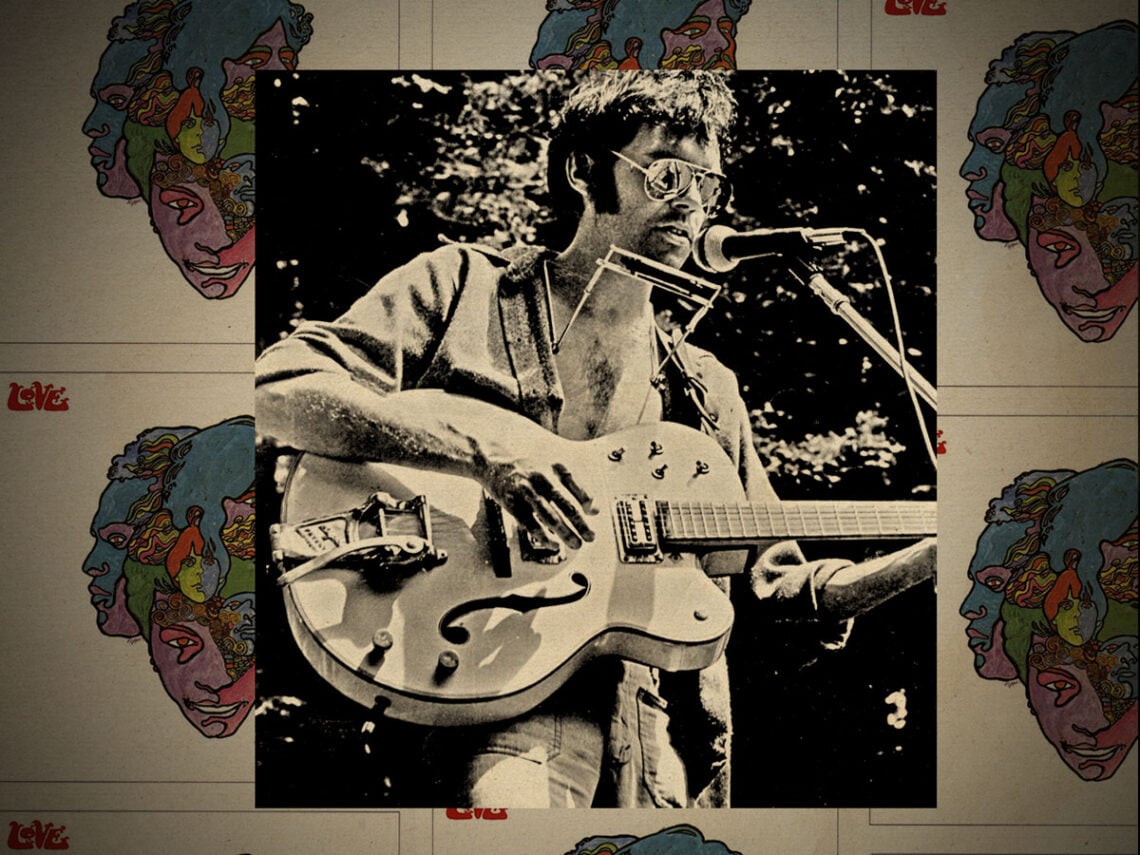
‘Forever Changes’: The 1967 album that saved Neil Young’s career in the strangest of ways

Forever Changes is a story of luck. It’s the story of an album that captured a decade so faithfully that it took decades to be appreciated. It’s the story of capitalism and dark descents. It’s the story of guys dating “the same girls” and wearing “each other’s clothes”. But you’re probably wondering, ‘How on earth is it also the origin story of Neil Young’?
Well, we’ll get to Young in about 200 words’ time, but first we must reconcile the seismic message that the record represents. The fabled ‘American Dream’ can roughly be decoded as the myth that the world is a meritocracy. We like to imagine that great things get their just reward, that hard work pays off, and that the goodies win in the end.
The story of Love is the opposite of that. It’s a more common story, and it bears far more realism, but it is one that doesn’t get told unless there’s a miraculous, redemptive second act. That didn’t look likely when Forever Changes, the band’s third studio album, was released on November 1st, 1967. It peaked at a measly 154th in the US charts. By the myth of the ‘American Dream’, that shouldn’t have been the case.
Scores of people have since come forward to profess that Arthur Lee was a genius. The band were progressive, part of a scene, and boyishly handsome. They were hardworking in a rock ‘n’ roll sort of way, too. But they weren’t getting anywhere. What’s more, they already had two very credible albums under their belt. If the many expert polls placing Forever Changes among the greatest LPs of all time, let alone the 1960s, are to be believed, then the record should have been their breakthrough. As it happens, it led to the opposite: their breakdown.
Lee was crestfallen. His greatest work, the opus he had been gathering towards, was once again a flop. The impact was disastrous. Love would wheel out three further records, all before December 1970. But as the timeline implies, they were rushed and rudderless. In the meantime, Lee was wavering. Left despairing by the lack of success, he succumbed to drug addiction and faced various run-ins with the law.
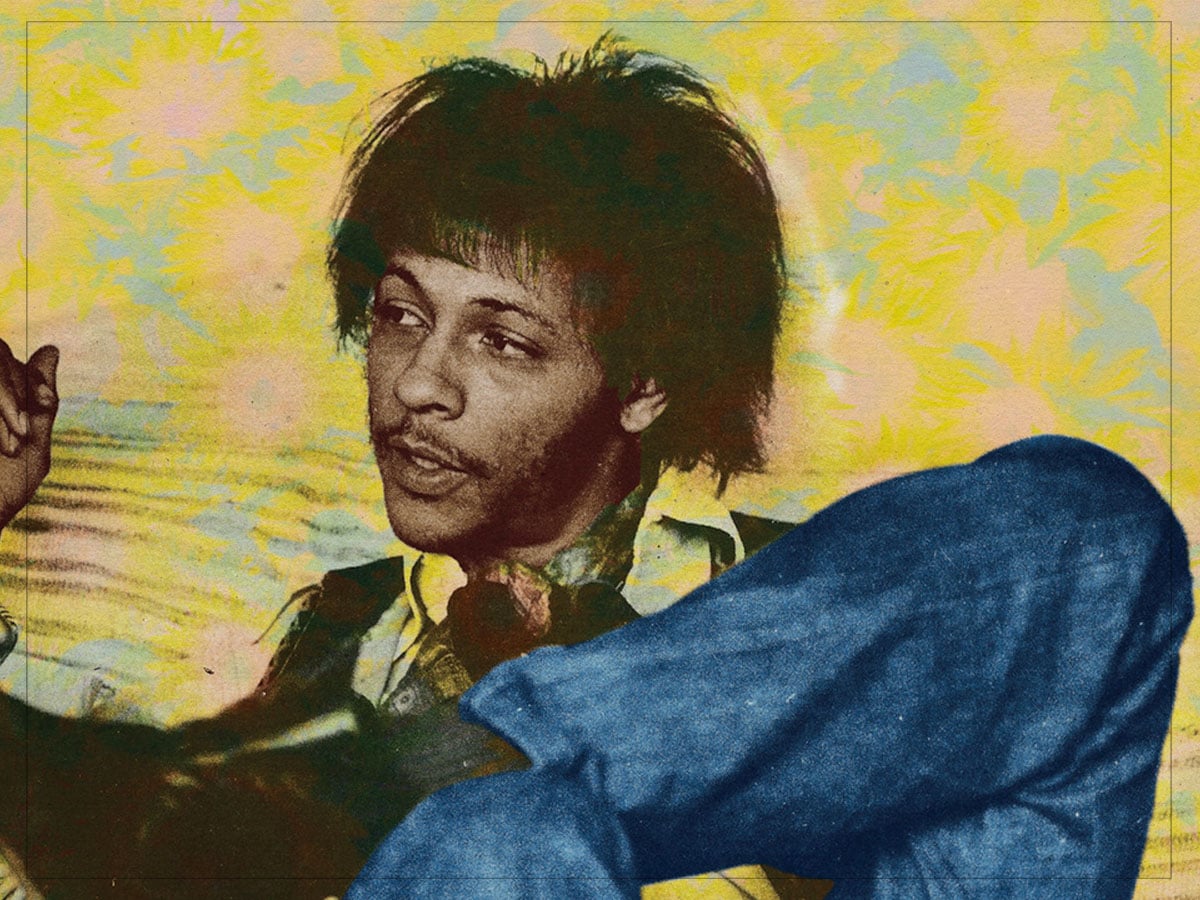
Now, retrospective polemics often frame this as evidence for why Love flopped. They posit that Lee was simply too much of a maverick to make it. But the truth is that his latter-day reprobate days were a product of a lack of luck. In 1967, when his opus was unleashed, he was just your average would-be icon of the ‘60s. Ironically, those arrests would work in his favour. You can never foresee how luck might pan out. Suddenly, when musos went snooping back into the ‘60s years later, they discovered an angle that would sell: a dark descent from Love to hate, beautiful music tarred by crime. Now, with a ‘troubled genius’ backstory that never truly existed, Love were more popular than they ever had been.
Left picking up the pieces of this randomness, their drummer, Michael Stuart-Ware, simply supposed, “He was a man ahead of his time. It stands to reason that it just took everybody else a couple of generations to catch up.” Alas, Sgt Pepper’s Lonely Hearts Club Band was ahead of its time too, and that was instantly lapped up. Both its failure and rebirth were simply a matter of luck: Forever Changes was more of an apt title than the band could’ve ever envisioned.
Further evidence for that comes from Neil Young’s role in the story. The Canadian had also been dreadfully unlucky leading up to late ‘67. Buffalo Springfield had basically broken up, essentially because of a drug bust and bad management. Things hadn’t gone to plan thereafter, and Young was broke and on the brink of having to call it a day. Bruce Botnick, an esteemed producer and engineer, recognised that. So, he had a bit of a word with a few higher-ups and brought Young in to co-produce Forever Changes.
As it happens, the former Buffalo Springfield man was good friends with Love and, as Johnny Echols, the group’s guitarist, told Uncut, “There was no way we were going to listen to him as a producer”. Botnick knew that, too. But his plan was never to have Young co-produce, as the eventual credits for the album suggest. All in all, Echols claims that Young spent “maybe 45 minutes tops” in the studio with the band. But that was enough for Botnick to secure the downcast Canadian a bit of an uplifting payday. The cash was just about enough to keep him in beer long enough to land a solo record deal with Reprise Records.
So, while on the surface, it might seem dramatic to say that Forever Changes was the album that saved Young, you only have to look at the inverse story of Arthur Lee that unfurled simultaneously to know that the lucky break that Botnick offered might just be why we now have ‘Harvest Moon’ and a long line of other masterpieces to bask in.
