


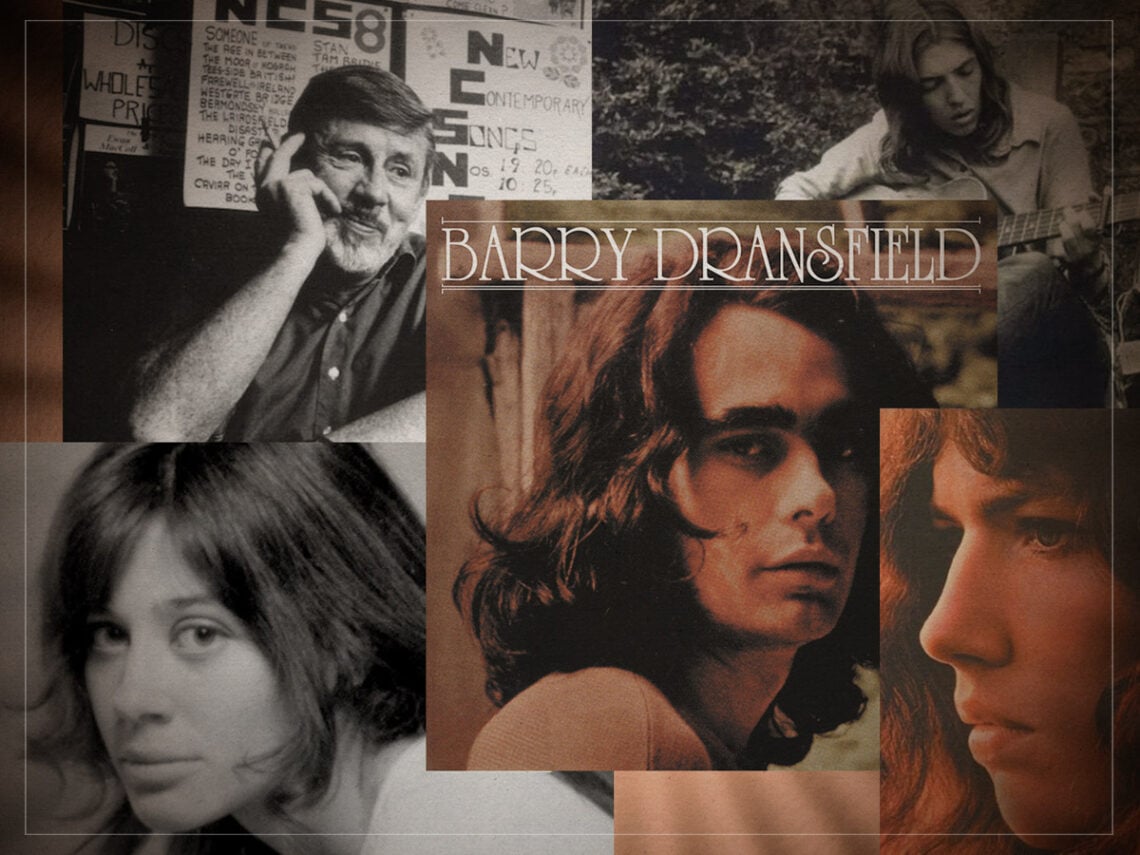
Acoustic odysseys: Five underrated British folk masterpieces

One of the oldest art forms known to mankind, folk music has a history going back many centuries, with timeless songs being passed down through the generations and taking on new meanings with each new arrangement.
During the 20th century, folk witnessed something of a mainstream resurgence in the United States, ushered in by the likes of Bob Dylan and his endless adoration for Woody Guthrie and Pete Seeger – among others. On this side of the Atlantic, though, a similar resurgence occurred, albeit one that rarely got the kind of mainstream attention it so richly deserved.
With the backdrop of the counterculture era, figures like Nick Drake helped to create an entirely new age for folk, even if the mainstream audiences of the day weren’t overly interested in hearing it. Drake wasn’t the only one, either. Today, there are countless essential British folk singers who have been largely forgotten outside of dedicated circles of folk obsessives and record collectors.
These are the artists who birthed the modern age of folk music in Britain, building upon centuries of diverse, highly localised history, and traditional songs, many of which have origins that have since been lost to the erosion of time. Yet, even in the 21st-century, there is something about their acoustic playing, ethereal voices, and universal lyrics that still registers with audiences; folk is perhaps the most timeless music genre of all.
Here, we cite five prime cuts of British folk, all recorded between the 1950s and 1960s, each of which shows the intensity of talent within the folk circuit during that era, and the diversity of its offerings, spanning from political odes to workers’ rights to pulchritudinous explorations of nature. None of these tracks was adopted by mainstream audiences upon their initial release, but equally, none appear to have aged a day since their initial release.
Five underrated British folk masterpieces:
Ewan MacColl – ‘Fourpence A Day’
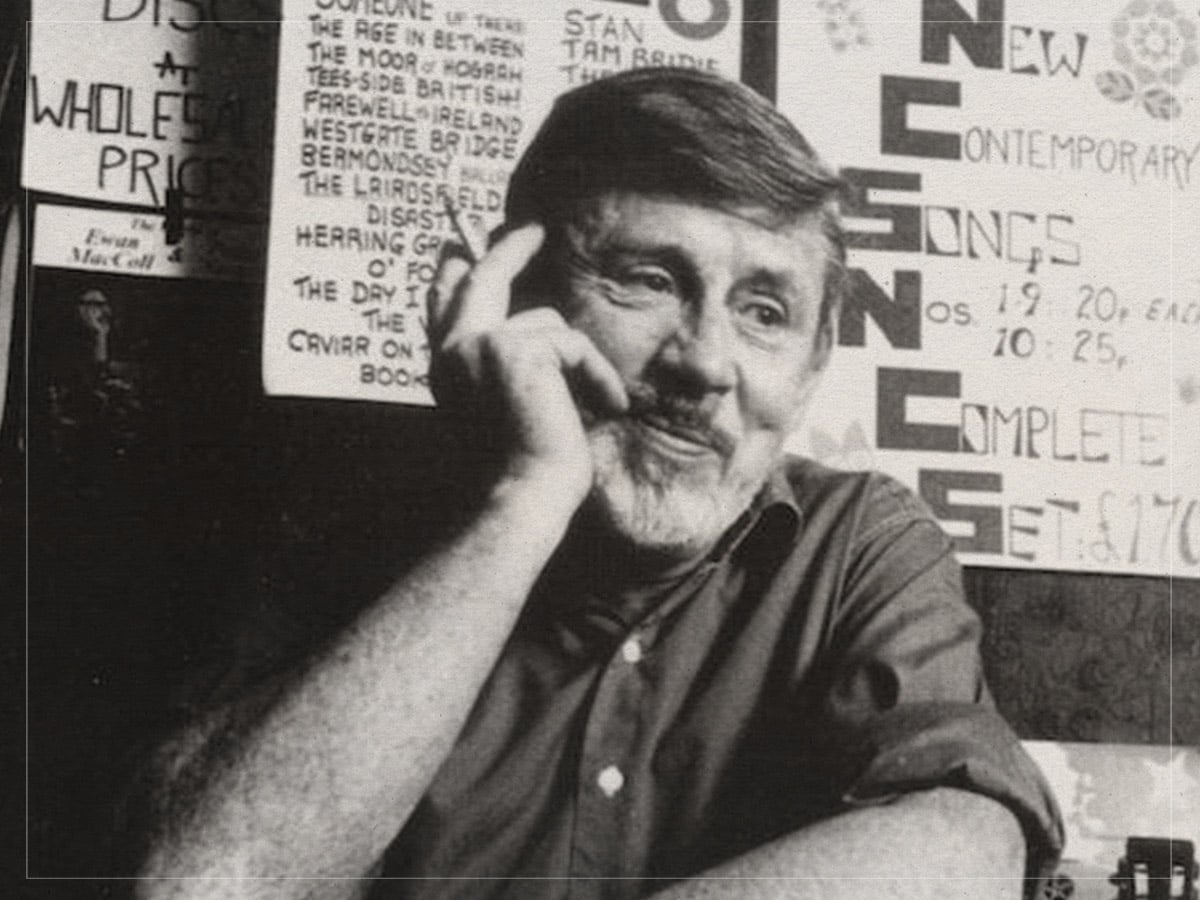
Kicking things off with one of the most important artists in the entire history of British folk, Ewan MacColl composed countless political protest anthems over the course of his illustrious discography, including a handful tailored for the Communist Party of Great Britain. One of his greatest, though, was ‘Fourpence A Day’, a song dedicated to the lives of mineworkers, typically attributed to Durham lead miner John Gowland.
It was back in the mid-1950s that MacColl first recorded the song, first on The Shuttle and Cage, Industrial Folk-Ballads, but it became all the more poignant during the Miners’ Strike of 1984 and 1985. During that time, the elderly folk singer remained incredibly active in terms of tailoring his work to stand in solidarity with those striking mineworkers. So, while attention often goes to ‘Dirty Old Town’ or ‘Scarborough Fair’ when it comes to MacColl’s output, it is his many odes to workers’ rights, like ‘Fourpence A Day’, that make up the backbone of his output.
Bridget St John – ‘Curl Your Toes’
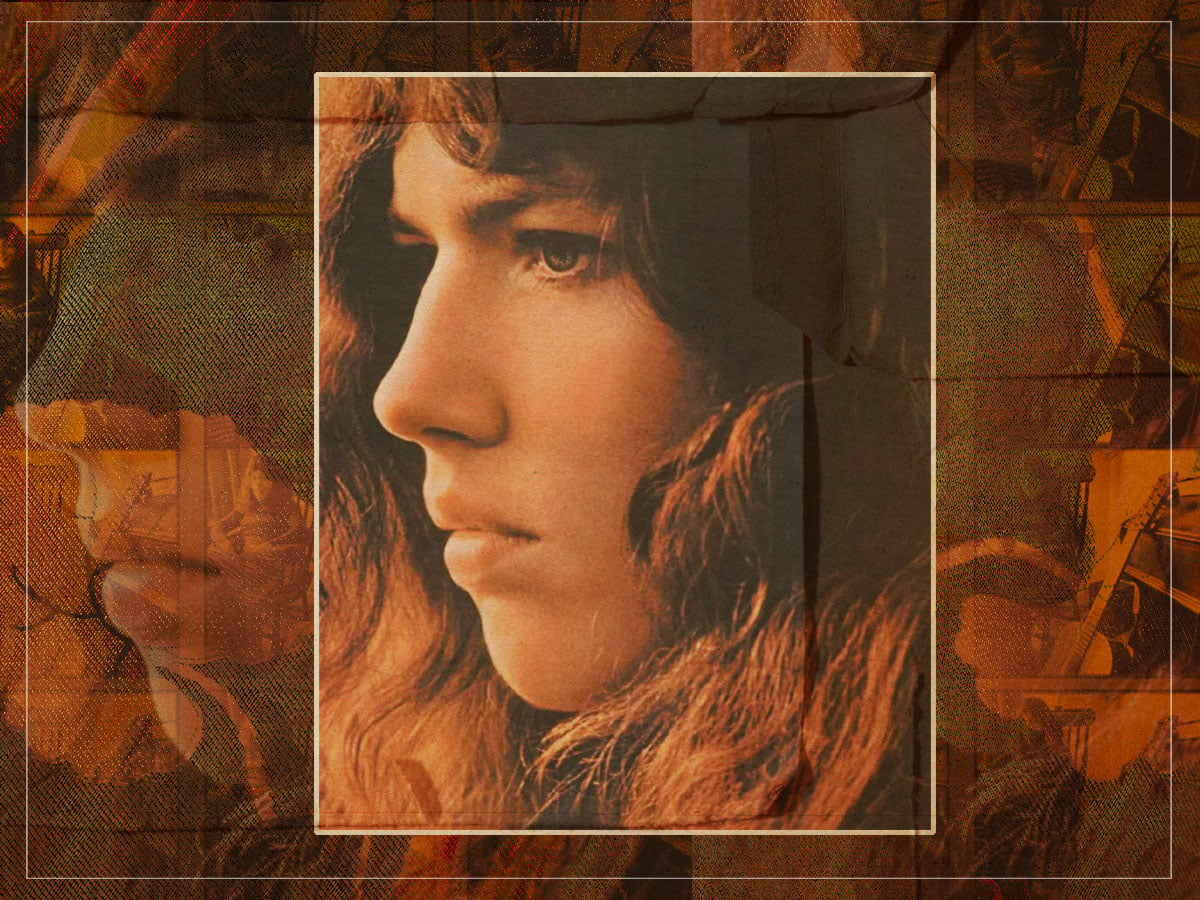
An endlessly beautiful voice and the songwriting talent to do it justice, Bridget St John was a key figure within the folk boom of the late 1960s, sharing bills with the likes of Paul Simon and Nick Drake, and earning the adoration of everybody from Paul Chapman to the psychedelic master, Kevin Ayers.
It is tracks like ‘Curl Your Toes’, from her 1969 debut album Ask Me No Questions, that best exemplify the appeal of the songwriter, crafting a naturalistic, serene atmosphere using little more than her distinctive vocal tones and incredible guitar talents. Even today, St John is still performing and has lost none of the appeal or musical talent that went into recordings like ‘Curl Your Toes’ back in the late 1960s.
Anne Briggs – ‘Blackwater Side’
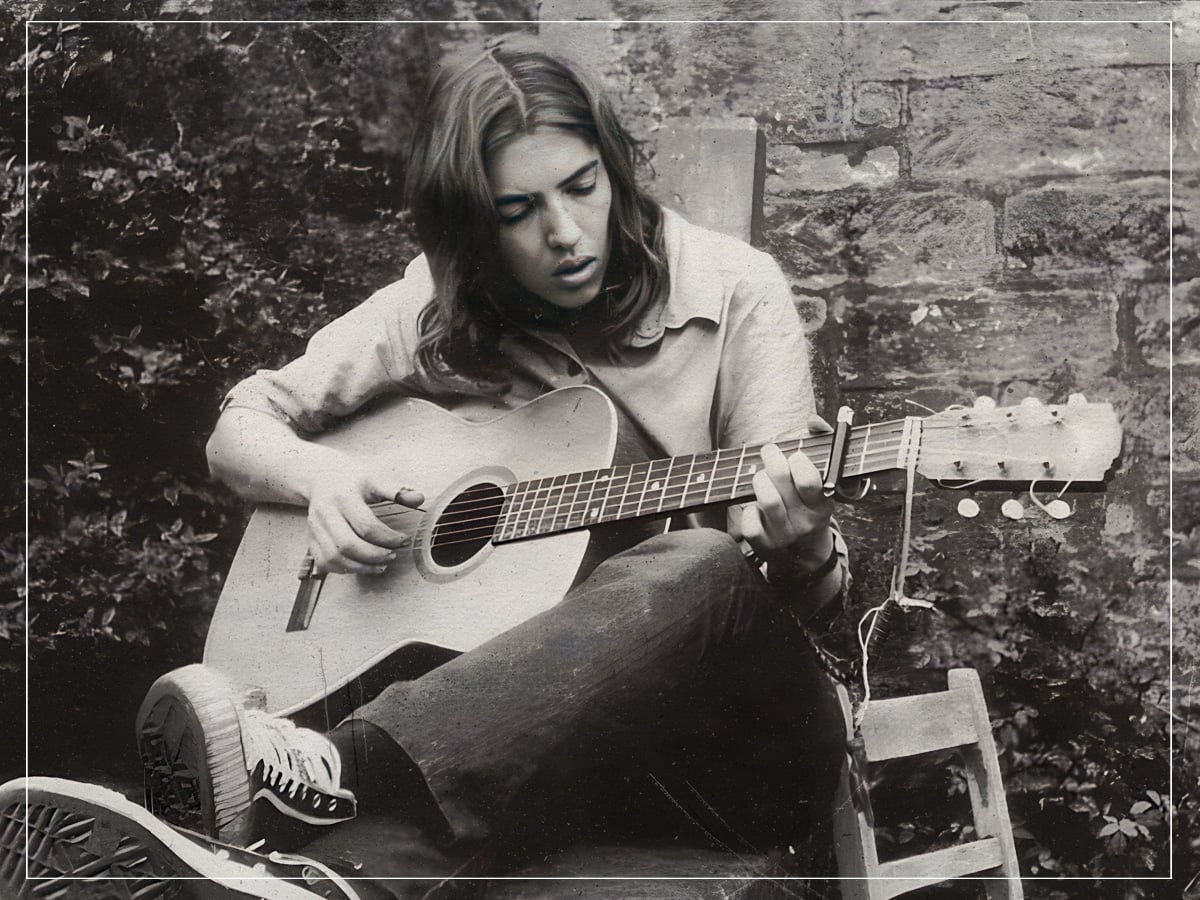
Beloved by her fellow musicians and ignored by the commercial interests of mainstream music, Anne Briggs is a true original, and her countless recordings of traditional folk songs not only helped to preserve those tracks for future generations but also added entirely new layers of appeal to them, too.
‘Blackwater Side’ formed the opening track of her self-titled debut from 1971, and it sees her rearrange the age-old folk standard – the origins of which are debated, but most likely come from the River Blackwater in the north of Ireland. With her arrangement, the Nottinghamshire-born performer beautifully demonstrates how much emotional power can be conjured up using only an acoustic guitar and a voice as impactful as hers.
Vashti Bunyan – ‘Rose Hip November’
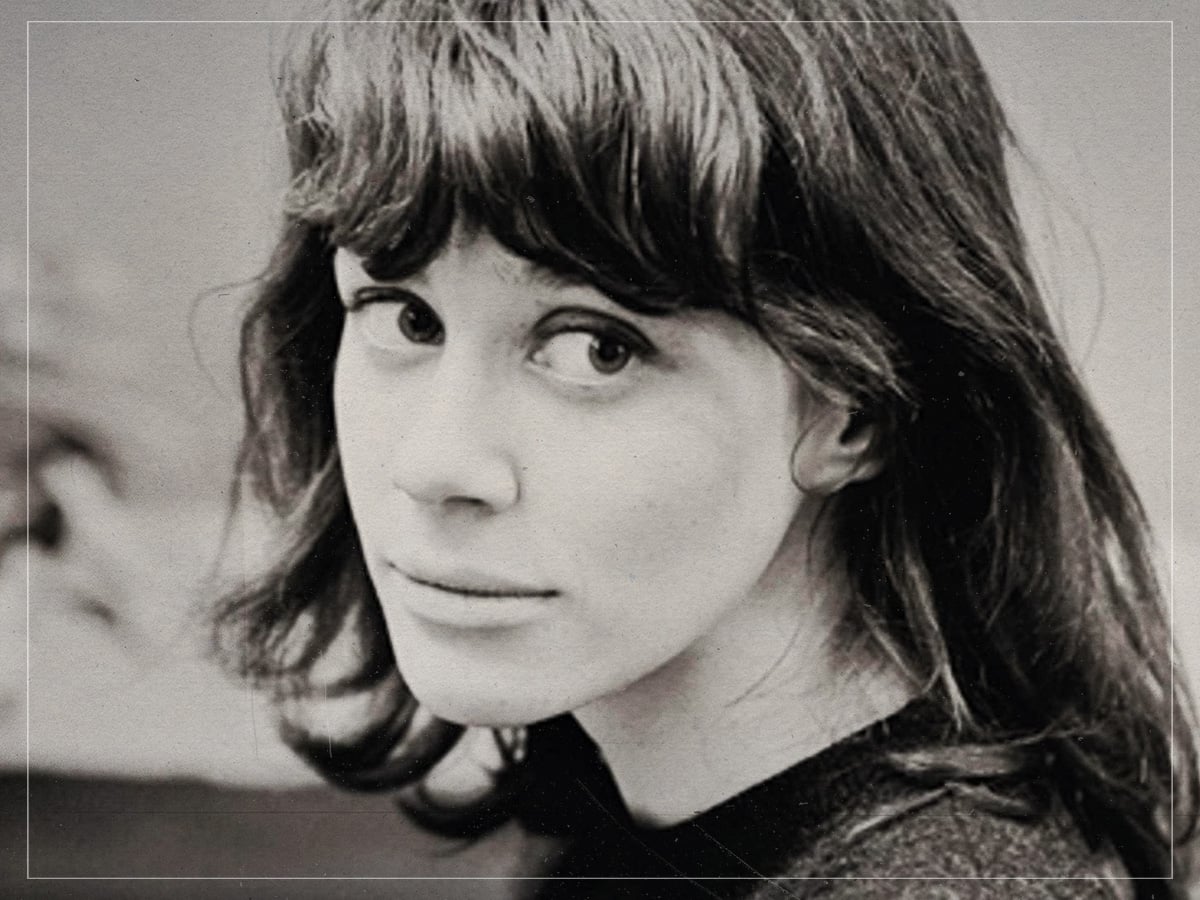
Although in relatively recent years, the otherworldly sounds of Vashti Bunyan have been rightly reappraised and rediscovered, the folk singer spent many decades in obscurity, having largely abandoned the musical realm during the early 1970s, after releasing Just Another Diamond Day.
Centred around the songwriter’s journey from London to the Isle of Skye with a horse and wagon, the entire album is awash with the kind of ethereal, pastoral scenes that you might expect from such a journey, but ‘Rose Hip November’ is a particular highlight. There is a unique power to Bunyan’s voice which seems to speak directly to your soul, operating on a wavelength beyond the realm of time and space. Close your eyes, and you could quite easily be on that journey with Bunyan, and there aren’t many songwriters capable of conjuring up that quality.
Barry Dransfield – ‘Lots of Little Soldiers’
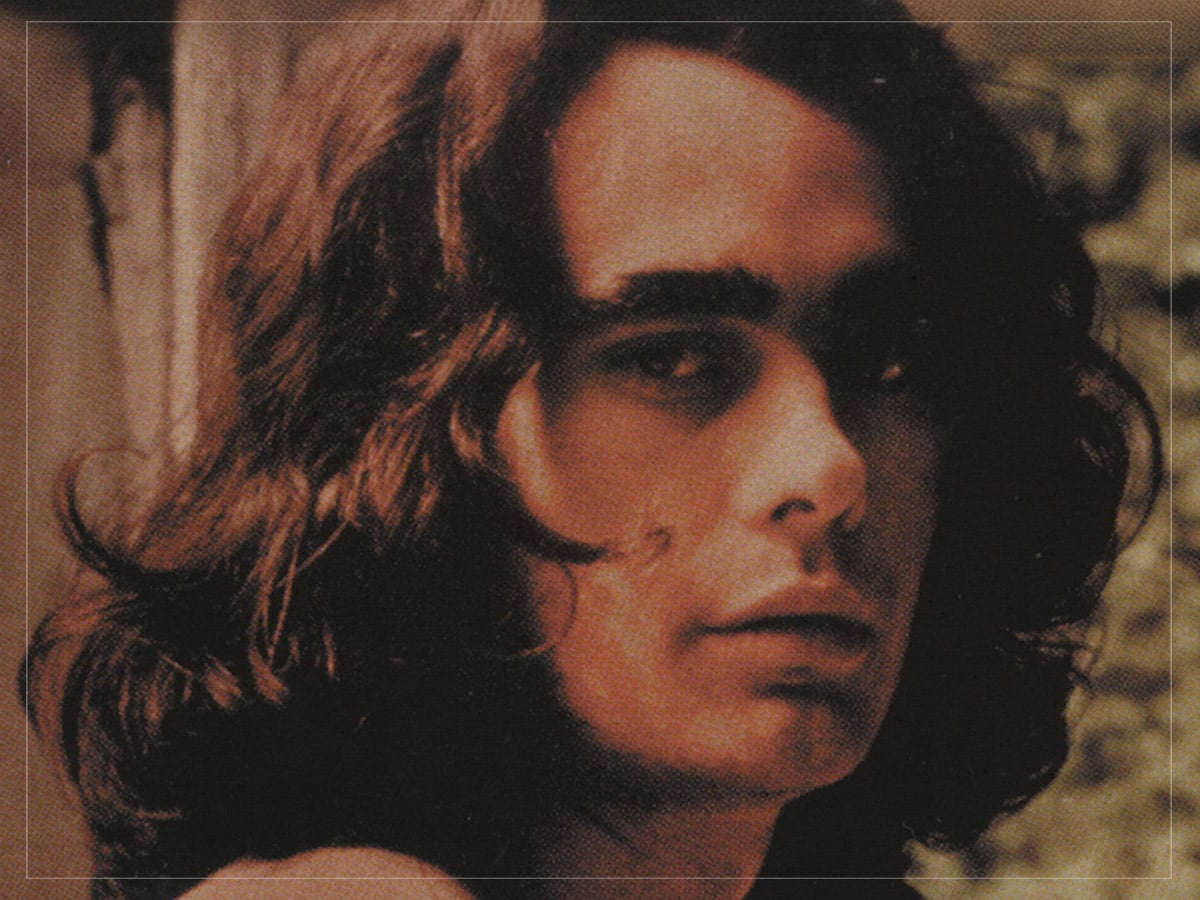
Bookending this list is another protest song, and perhaps one of the finest anti-war songs of the 1970s. Hailing from Harrogate in North Yorkshire, Barry Dransfield might not be a household name, but his self-titled 1972 album is routinely cited among the most coveted and expensive records within the realm of folk.
Taken from that album, ‘Lots of Little Soldiers’ is a timeless message about the futility and destruction of war, focusing on the mechanics of conflict rather than – as many folk anti-war songs do – honing in on the specific story of one particular soldier. Released during the tail-end of the Vietnam War, when protest songs were rife, Dransfield’s combination of Celtic folk influences made the song a unique masterpiece, which has recently been resurrected by Irish folk outfit The Mary Wallopers.
