


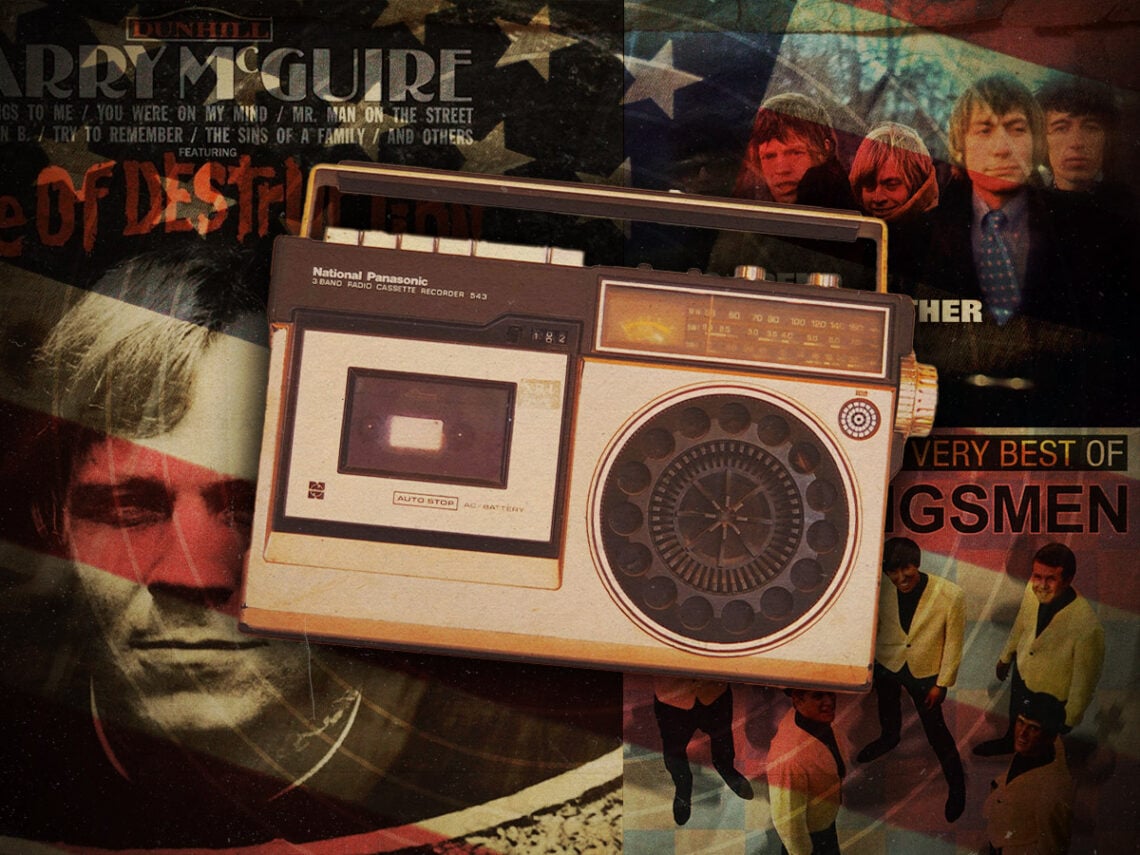
Five songs from the 1960s that stirred up huge controversy in the US

In a 1966 edition of Susan Szekely’s ‘Teen Talk’ column for the New York Post, the young reporter sat in on a meeting at the radio station WMCA to see how its staff determined whether or not to play potentially ‘controversial’ records.
Among the new singles up for debate on this particular day were Simon & Garfunkel’s unusual cover of the Christmas classic ‘Silent Night’, in which they’d spliced in news reports about rioting in American cities, the war in Vietnam, and various other bleakness to juxtapose against the loveliness of the harmonised carol. The WMCA crew loved it, with one proclaiming it to be a “great record”, while another declared, “It’ll be the biggest protest song yet”.
Maybe it’s not surprising that a New York pop station was more open-minded about such things. When it came to another song up for discussion, however, the tone changed a tad. Janis Ian’s single ‘Society’s Child’ dealt with the topic of interracial dating, and in the mid 1960s, that was an even more taboo subject than protesting the war. WMCA had already put the song on hold twice before, and they remained hesitant to add it to their rotation.
“Have we got any calls about it?” one of the disc jockeys asked, to which another responded, “No, but we’ve been getting a lot of postcards”, and the matter was promptly dropped with a, “Forget it then”.
It might seem like the media landscape has changed beyond recognition in the subsequent 60 years, but these kinds of conversations haven’t entirely gone away. Along with terrestrial radio and television broadcasters, who remain beholden to advertisers, plenty of online influencers are now similarly learning about the tightrope walk sometimes involved with propping up a certain artist or song that might alienate a portion of their audience.
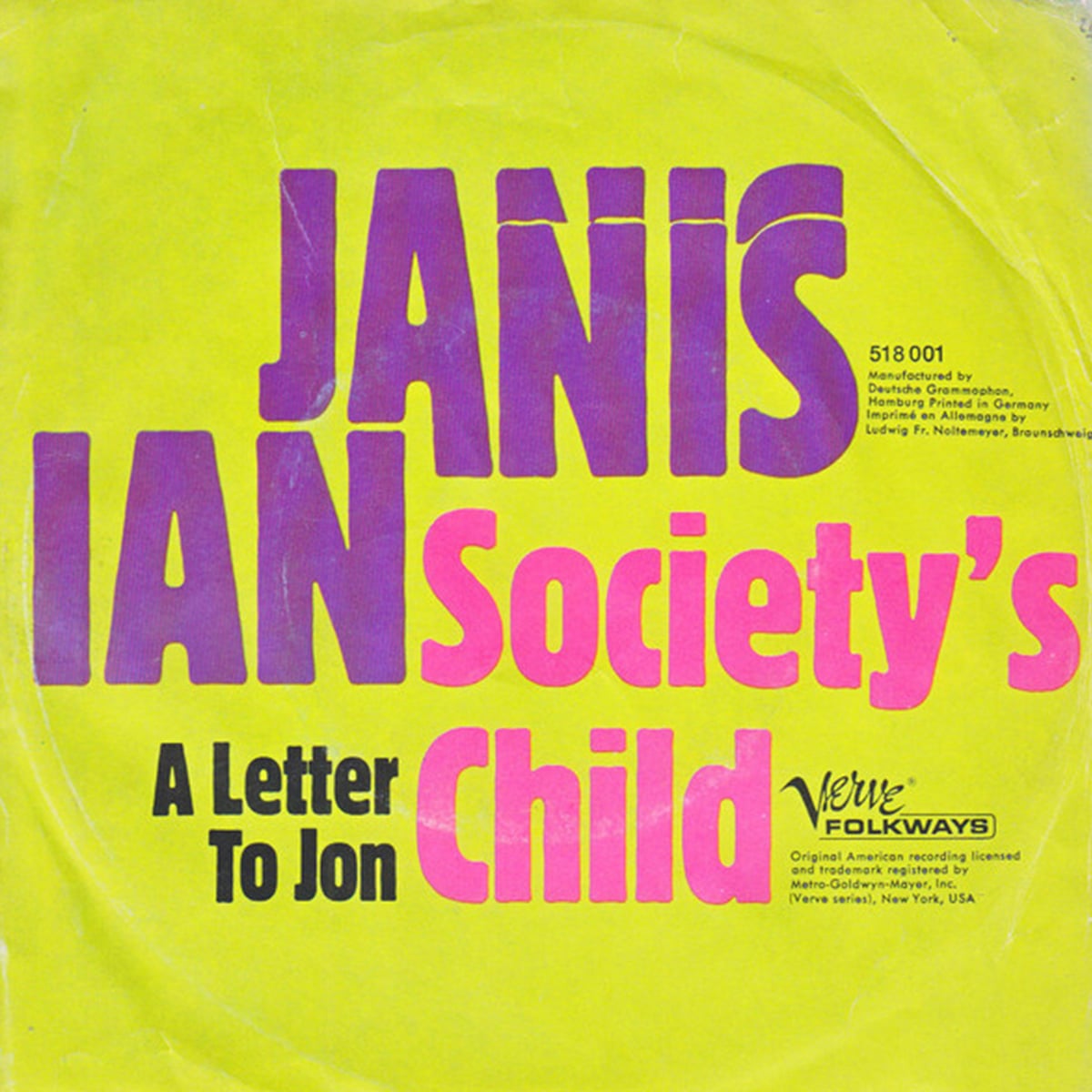
Society’s perspective on what makes something inappropriate or controversial has certainly evolved, but it’s hard to argue that there are fewer controversies about music in the 2020s than there were in the 1960s. The ethical dance is essentially the same: ‘Is the message or intent behind this song worthwhile enough to warrant offending some listeners?”
The battle lines are also quite similar, with some people arguing that music should only be there as entertainment, and that injecting heavy subject matter or political stances into a performance is needlessly divisive. Others correctly remind everyone that art has never been about offending the fewest people. You don’t need to ask Johnny Rotten or Kendrick Lamar to confirm this either; you can go back to 1966 and ask one of Britain’s most beloved pop singers, Cilla Black.
“I revel in doing a controversial song,” Cilla told The Argus newspaper that year, “I don’t want people to say it’s commercial. I don’t like putting out records regularly just so they’ll sell. In two months, everyone has forgotten them. I like the songs I sing to be remembered.”
That’s certainly one thing nobody can deny about the following five songs from our list of 1960s lightning rods. While all five of these tracks might well have sold plenty of records without the aid of any controversy, they’re arguably remembered today because of the countless conversations they sparked in their own time.
Each song transcended its youth-targeted listenership to become examples of a supposed ‘problem’ in America’s rapidly changing culture. Whether it was recreational drug use, a lack of support for the government and the military, a radical view on race relations, or the promotion of sexual promiscuity, there was always something to write an angry letter about if you were part of Richard Nixon’s so-called “silent majority”. In turn, any artist who felt the wrath of these people tended to wear it as a badge of honour; if the status quo got anxious, you were clearly doing something right.
Five of the most controversial songs in 1960s America
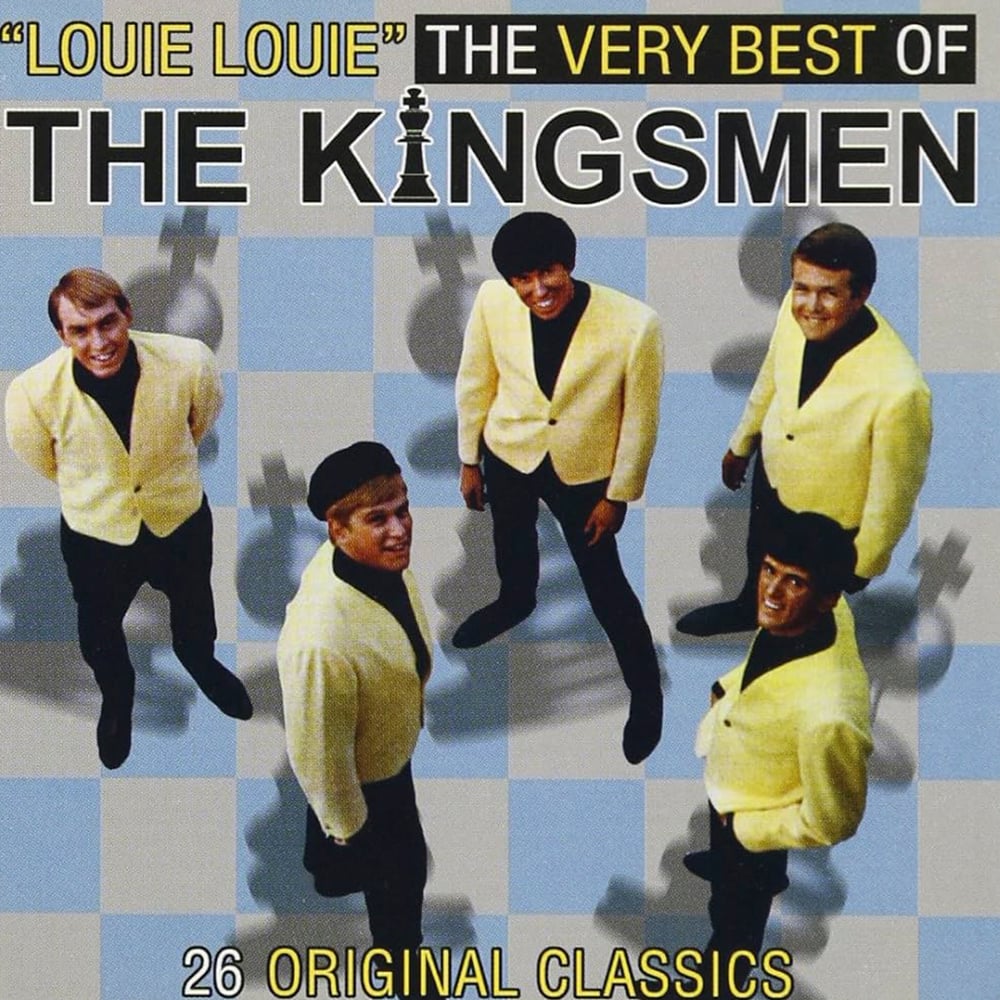
The Kingsmen – ‘Louie Louie’ AKA
Reason: The fear of the unknown
Why put all your effort into penning the perfect protest song or political statement when you can just shout gibberish over a fuzzy guitar riff and achieve a similar response? The Kingsmen’s ramshackle garage-rock version of Richard Berry’s ‘Louie Louie’ sounded so slurred and chaotic that gossipping teenagers began circulating homemade lyric sheets claiming the song contained hidden obscenities. There was no internet, so young folks had a lot of time on their hands.
Once a few of these guesstimated lyric sheets got confiscated, parents were predictably horrified, and radio stations were quickly urged to ban the song, with some complaints eventually reaching the highest levels of the US government. The FBI spent more than two years investigating the record, painstakingly analysing the recording to determine whether it violated obscenity laws.
If they’d merely asked Richard Berry, he could have told them that ‘Louie Louie’ is a fairly innocent story about a sailor longing to return to his girlfriend, but instead, the almost cartoonish panic surrounding the track revealed more about America’s growing anxiety over youth culture and rock music. By trying to suppress it, authorities transformed a regional hit into one of the defining records of the early rock ‘n’ roll era.
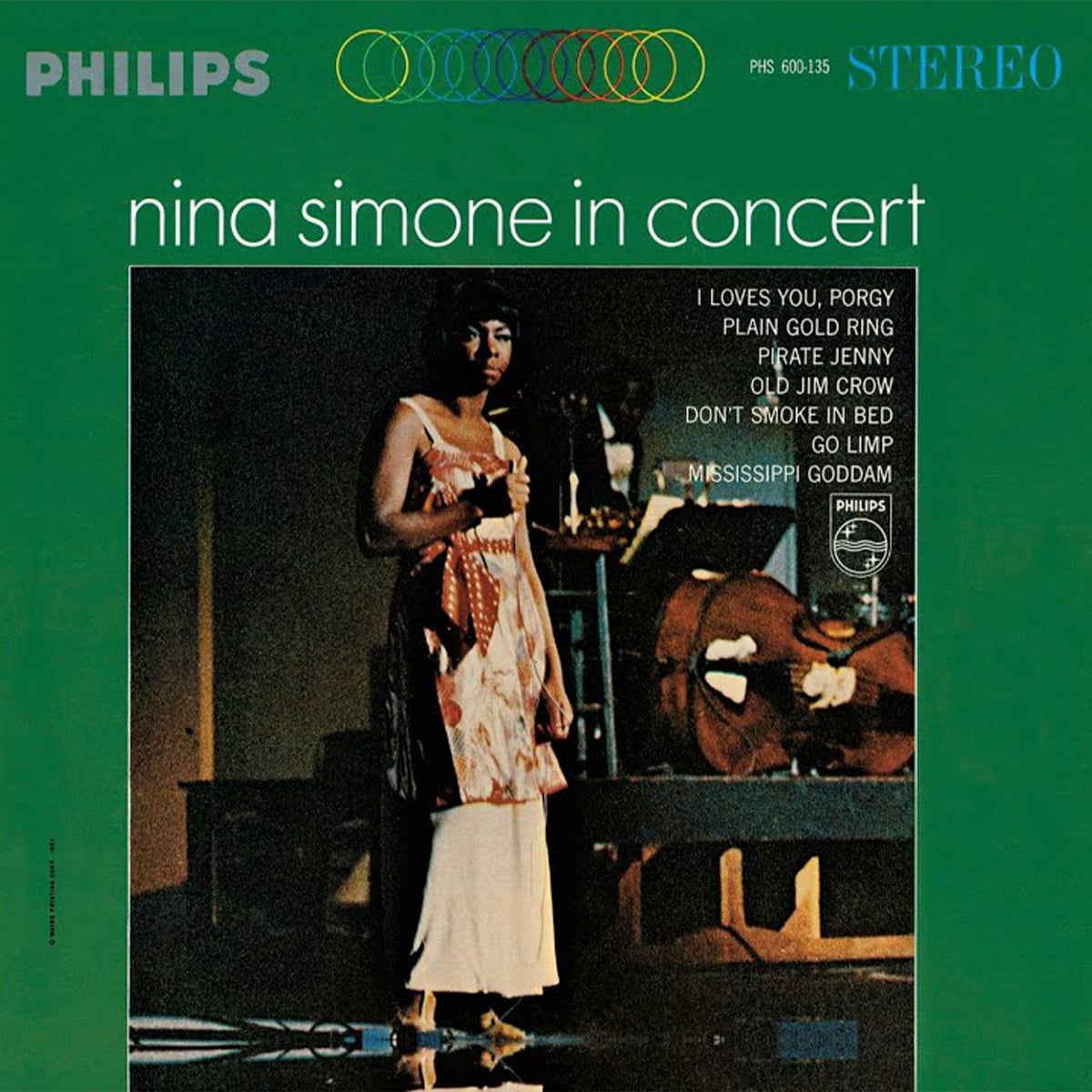
Nina Simone – ‘Mississippi Goddam’
Reason: The fear of accountability
At a time when many entertainers avoided direct political statements, Nina Simone delivered a blistering condemnation of racism, segregation, and white indifference with ‘Mississippi Goddam’. Carrying a title that alone was enough to guarantee controversy, Simone wrote the track in a state of fury after the murder of civil rights activist Medgar Evers and the bombing of the 16th Street Baptist Church in Birmingham, Alabama, which led to the death of four young African-American girls.
Radio stations across much of the South refused to play the record, while distributors reported that promotional copies were snapped in half and mailed back in protest. Simone wasn’t bothered, saying, “I felt more alive…because I was needed and I could sing something to help my people, and that became the mainstay of my life. It was not classical piano, not classical music, not even popular music, but civil rights music.”
Barry McGuire – ‘Eve of Destruction’
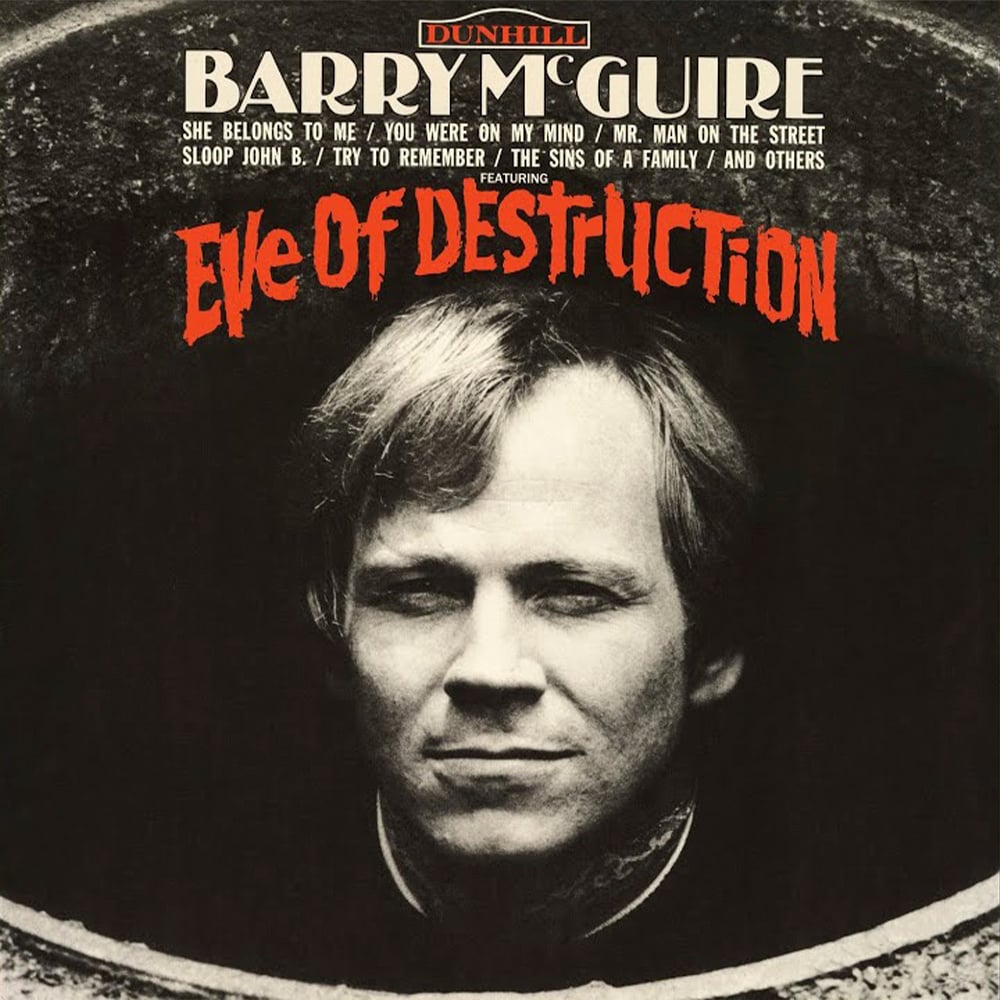
Reason: The fear of an unjust American war
In 1965, mainstream pop music had yet to fully grapple with the implications of America’s ever-increasing entanglement in Vietnam, but Barry McGuire’s ‘Eve of Destruction’, written by songwriter PF Sloan, changed that overnight. The song painted a bleak picture of nuclear anxiety, racial unrest, political hypocrisy, and a generation losing faith in its leaders, such that its apocalyptic lyrics alarmed politicians, broadcasters, and conservative commentators, who accused McGuire of being anti-American and defeatist, with numerous radio stations banning the song.
Critics argued that it exaggerated the nation’s problems and undermined support for the government, and yet the controversy only boosted its profile, sending it to number one on the Billboard chart, a stunning development for McGuire, who recorded the track in one take with no plans of releasing it as a single.
“The media frenzy over the song tore me up and seemed to tear the country apart,” McGuire later said, “I was an enemy of the people to some and a hero to others, but I was still only 20 years old, and nobody really was looking. I have felt it was a love song and written as a prayer because, to cure an ill you need to know what is sick. In my youthful zeal, I hadn’t realised that this would be taken as an attack on ‘The System!’”
The Rolling Stones – ‘Let’s Spend the Night Together’
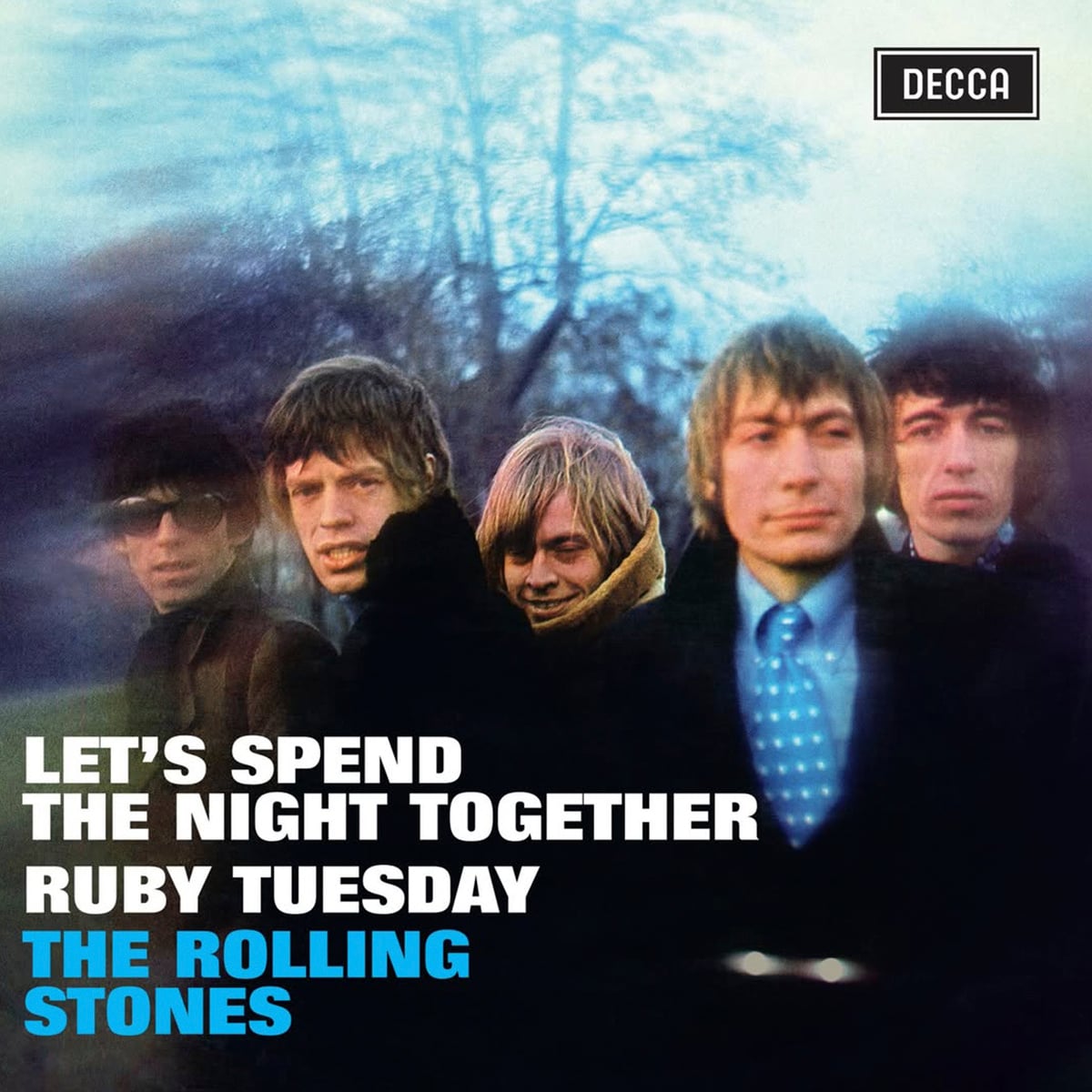
Reason: The fear of casual sex
Today, the phrase ‘let’s spend the night together’ sounds almost quaint, but in 1967, it was enough to trigger a national moral panic. Add to that, The Rolling Stones were already viewed as the dangerous alternative to The Beatles, and this openly suggestive invitation to casual intimacy reinforced every fear critics had about them corrupting the American youth.
The controversy reached its peak when the Stones appeared on The Ed Sullivan Show, and CBS network executives insisted that Mick Jagger change the lyric to “let’s spend some time together”. Jagger reluctantly complied, though he famously rolled his eyes during the performance to make sure everyone knew what he thought of the censorship, and the moment became almost as famous as the song itself.
60 years later, you might presume that CBS has moved beyond such petty censorship tactics, but in truth, the network has recently become a puppet of the Trump administration, firing talk show host Stephen Colbert and demolishing the journalistic integrity of the revered news programme 60 Minutes. Thus, requiring singers to alter their lyrics certainly isn’t outside the realm of possibility.
The Jefferson Airplane – ‘White Rabbit’
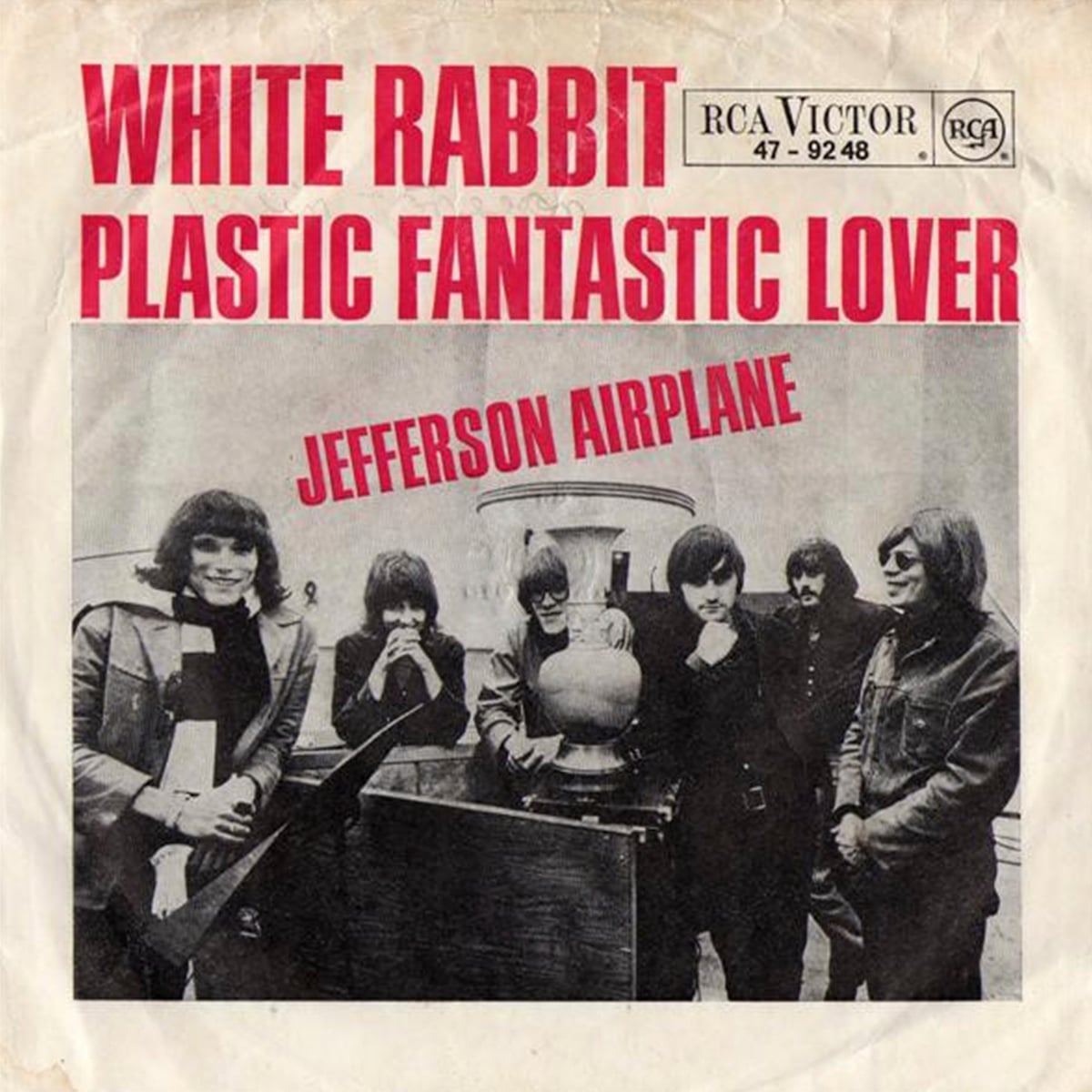
Reason: The fear of drugs
If ‘White Rabbit’ had been released a few years earlier, it might never have made it onto commercial radio. Grace Slick’s surreal masterpiece used imagery from Alice’s Adventures in Wonderland to create what was, in essence, one of the most obvious drug songs ever to become a mainstream hit. References to pills that make you larger or smaller and instructions to “feed your head” hardly required a decoder ring.
Many parents, educators, and politicians viewed the song as a thinly veiled endorsement of LSD and psychedelic experimentation, yet because the lyrics never explicitly mentioned drugs, broadcasters had difficulty justifying outright bans, especially amid a sea of other psychedelic pop hits coming out at the same time. Interestingly, singer Grace Slick would later downplay the drug themes of ‘White Rabbit’, seeing it more as a feminist anthem.
“All fairytales that are read to little girls feature a Prince Charming who comes and saves them,” Slick told Parade magazine, “But Alice’s Adventures in Wonderland did not. Alice was on her own, and she was in a very strange place, but she kept on going, and she followed her curiosity. That’s the White Rabbit. A lot of women could have taken a message from that story about how you can push your own agenda.”
