


Five songs from 1966 that should be deleted from history

I never get tired of the way that Ozzy Osbourne used to talk about The Beatles and what they did for the world when they became big.
“When I heard The Beatles. I knew what I wanted to do,” he said in an interview with Blabbermouth in 2019, “My son says to me, ‘Dad, I like The Beatles, but why do you go so crazy?’ The only way I can describe it, is like this, ‘Imagine you go to bed today and the world is black and white, and then you wake up, and everything’s in colour. That’s what it was like!’ That’s the profound effect it had on me.”
The ‘60s represent a time in music where people didn’t just like the art form, but it brought joy to the lives of everyone around the world. Both listeners and artists were realising exactly what sound was capable of, and the result was that songwriters wanted in, and this led to the creation of some truly exceptional pieces of music, as well as some duds.
Today, we will be focusing on the latter. 1966 was a great year for music, as The Beatles released Revolver, The Beach Boys put out Pet Sounds, and Bob Dylan released Blonde on Blonde, but it wasn’t all good, and these are some tracks that are better left forgotten.
Five 1966 songs that should be deleted from history:
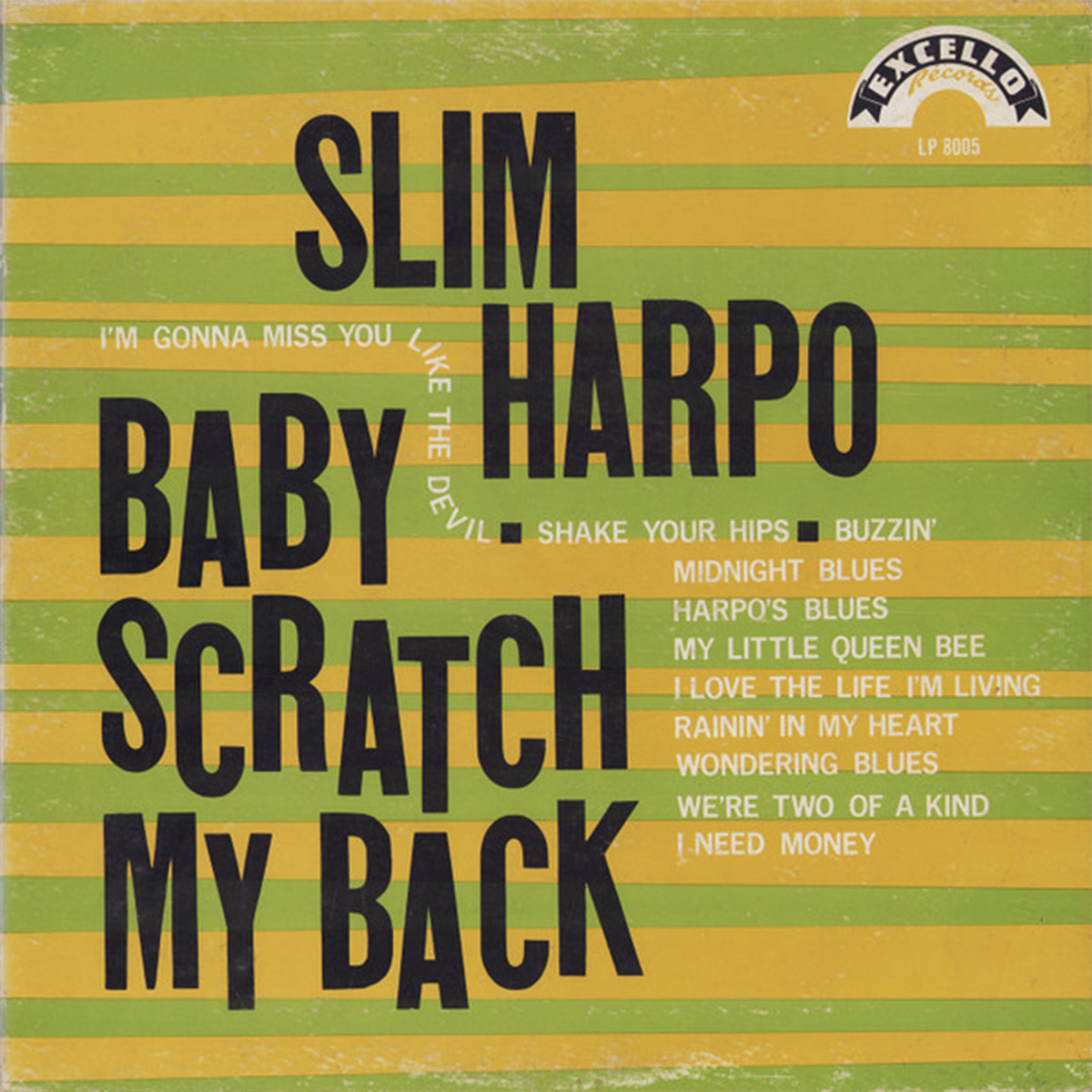
Slim Harpo – ‘Baby, Scratch My Back’
Lyrics can do a lot for a song. They can take a track and elevate it to new heights that previously weren’t considered possible. They can also ensure that a track connects with the public, as unspoken emotions are suddenly sung into existence and touch the hearts of those in earshot. That being said, while such lyrics can be incredibly powerful, they also aren’t always necessary.
One of the best examples of this comes in the form of Slim Harpo’s ‘Baby, Scratch My Back’. The instrumental on this track is pretty darn good. It’s rooted in the blues, as scratch guitar and harmonica bleed through every second of the song. However, rather than sing, Slim Harpo opts to deliver a strange spoken word section where he talks about having his partner scratch his back. It’s odd, unnecessary, and the song would work better as an instrumental.
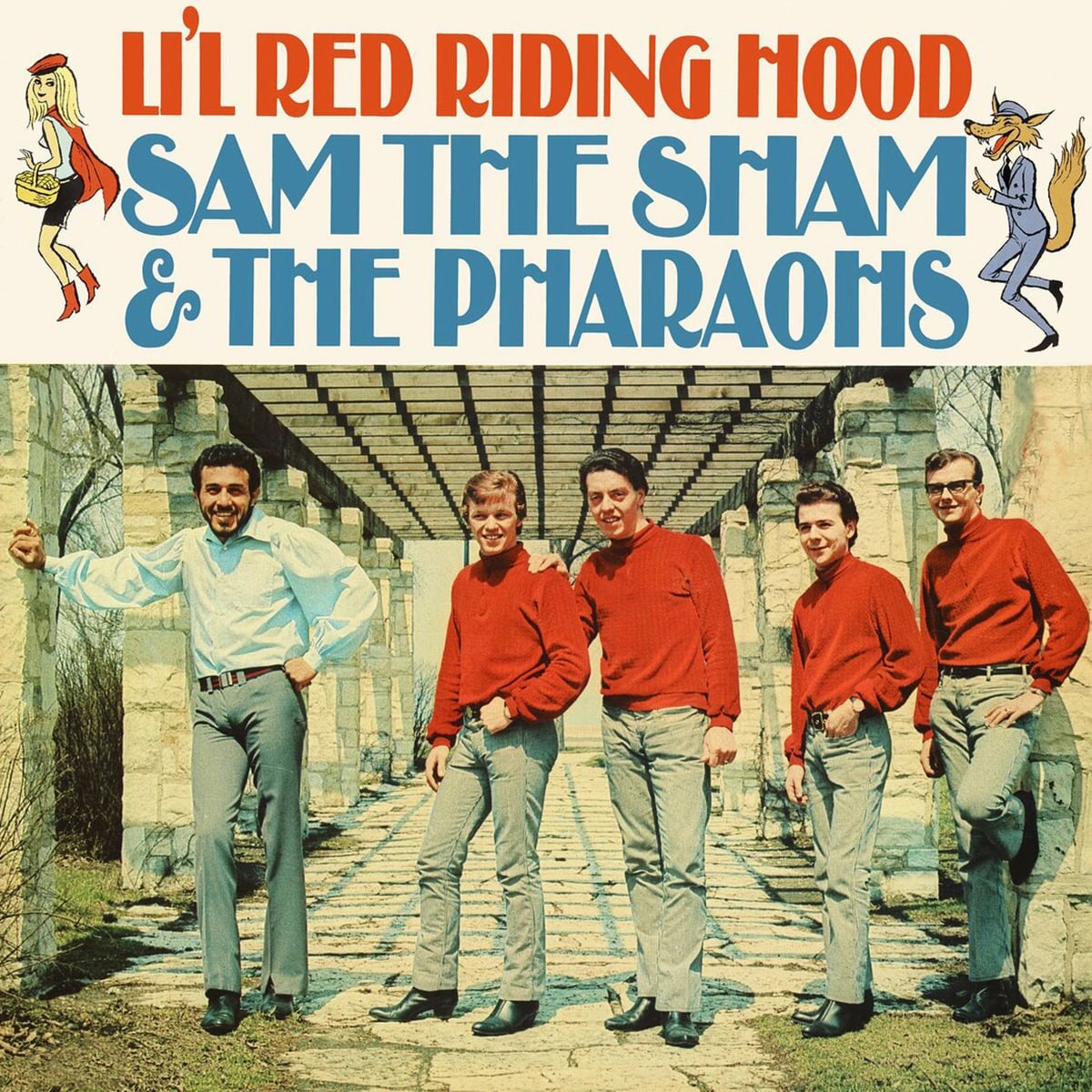
Sam the Sham & the Pharaohs – ‘Li’l Red Riding Hood’
Just because two different emotions are the opposite of one another doesn’t mean that they can’t work in a piece of art, because contrasting themes can often complement one another incredibly well. This is why creepy love songs can land pretty well, as when you take the extreme emotion of love and expand upon it so that it becomes borderline sinister, it can make for a pretty compelling piece of music.
Unfortunately, that’s not the case with Sam the Sham & the Pharaohs. In 1966, they tried to combine contrasting emotions in their track ‘Li’l Red Riding Hood’, which was a love song from the point of view of the big bad wolf, directed towards Little Red Riding Hood. It’s an ambitious attempt at a track, but it falls completely flat. On top of the awkward narrative, the musicianship and the vocals throughout the song sound terrible. Leave the fairytale be, as this is a song which worlds both real and fictional could have done without.
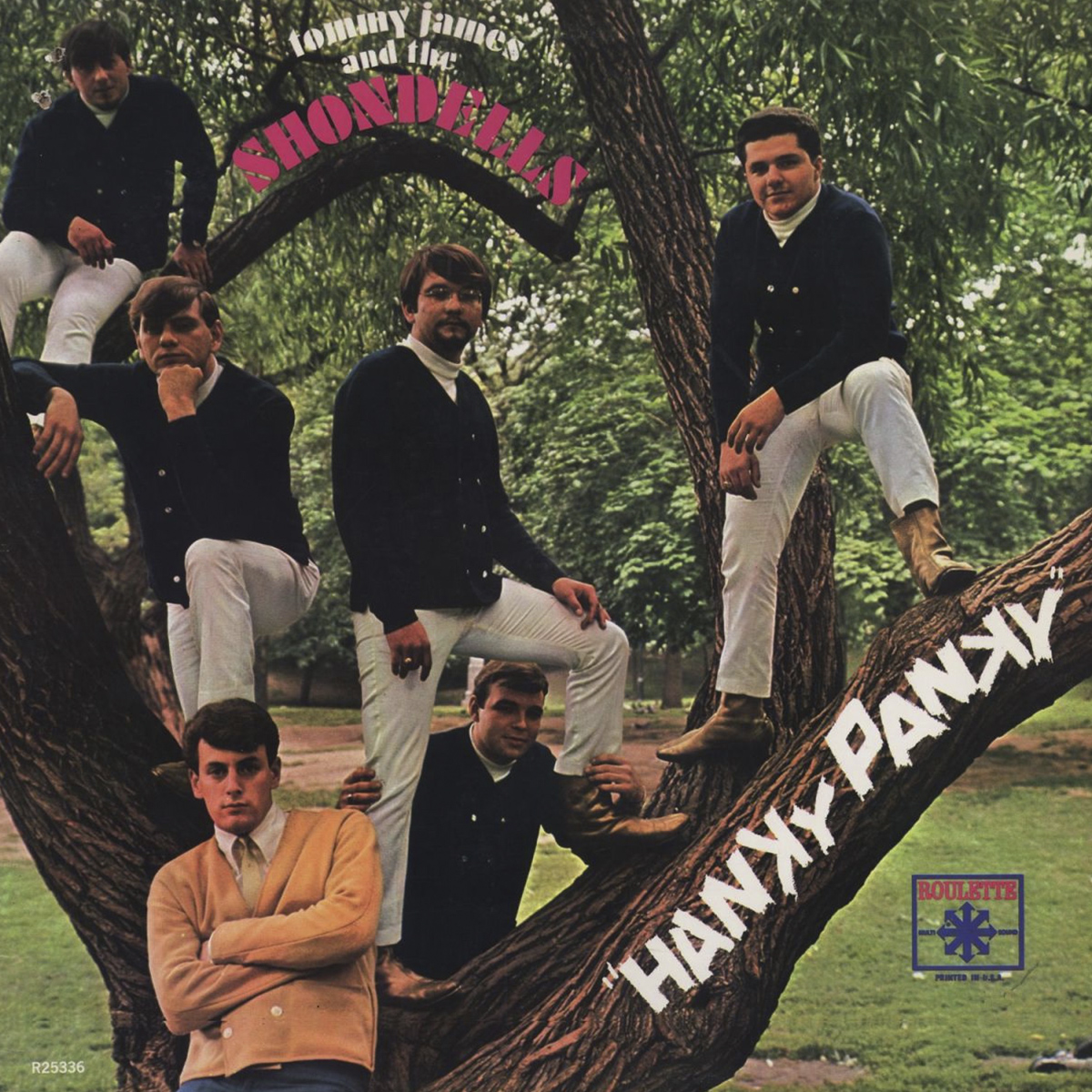
Tommy James & the Shondells – ‘Hanky Panky’
Look, repetition in a song can work pretty well for a number of reasons, where, firstly, it can make a song catchy, but, secondly, it can also imply meaning. Consider a track like ‘Maps’ by Yeah Yeah Yeahs, which is pretty repetitive, but the reason behind that creative decision is that it highlights the strange cycle that the two people at the centre of the song were going through.
That being said, repetition can also be annoying, which is what happens on the track ‘Hanky Panky’. Released in 1966, about three-quarters of the track is spent singing the words, “my baby does the hanky panky”. It makes for a pretty annoying listen, as this earworm is a track that the majority of people would have been better off missing out on.
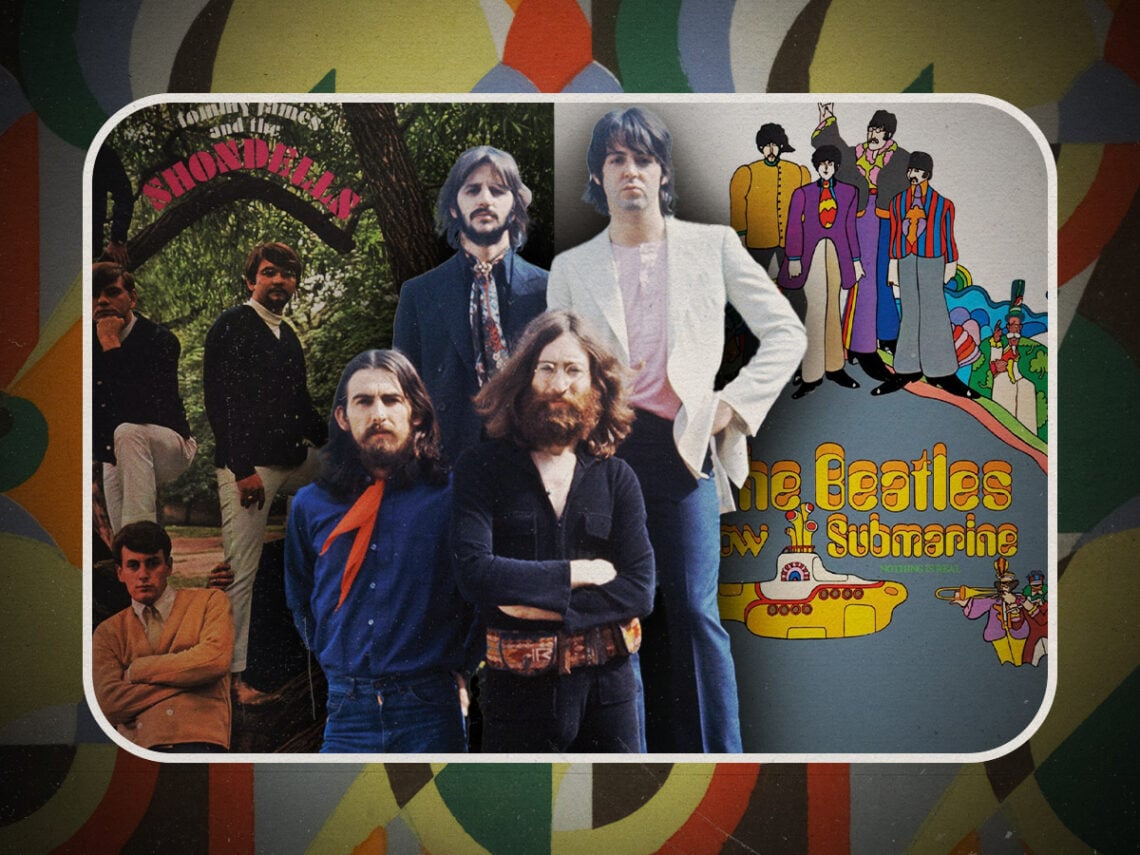
The Beatles – ‘Yellow Submarine’
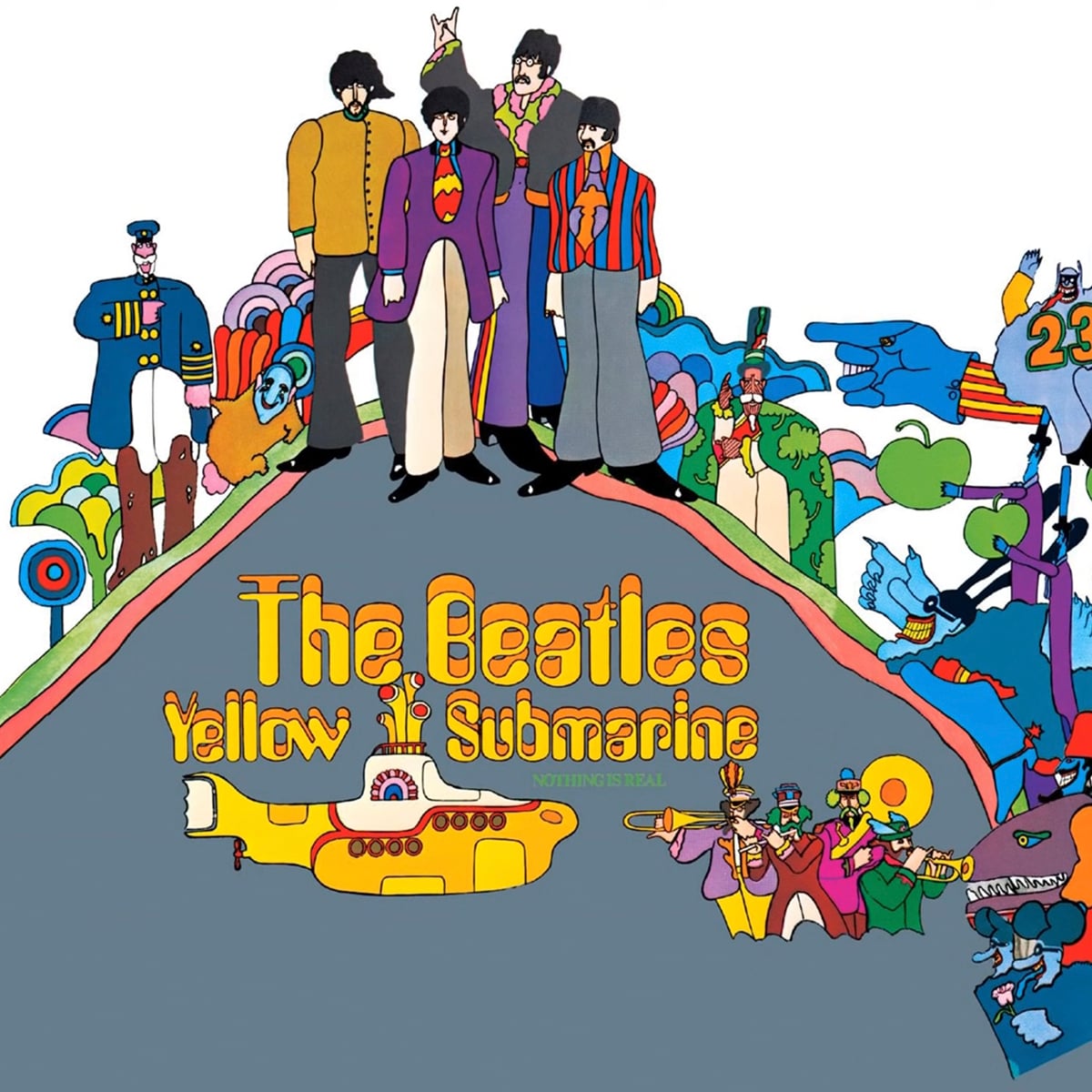
Yes, The Beatles are one of the most important bands in the world, and throughout the years that they were making songs together, they composed some of the greatest pieces of music ever put to tape. But every band releases the occasional dud, and that’s what happened with the song ‘Yellow Submarine’.
While it divides opinion, if we’re being honest, this is a track that the Fab Four could have done without. It was released on 1966’s Revolver, which contained some of the band’s best material. When you compare ‘Yellow Submarine’ to the likes of ‘Taxman’, ‘Eleanor Rigby’ and ‘Tomorrow Never Knows’, it falls completely flat.
The Monkees – ‘I’m a Believer’
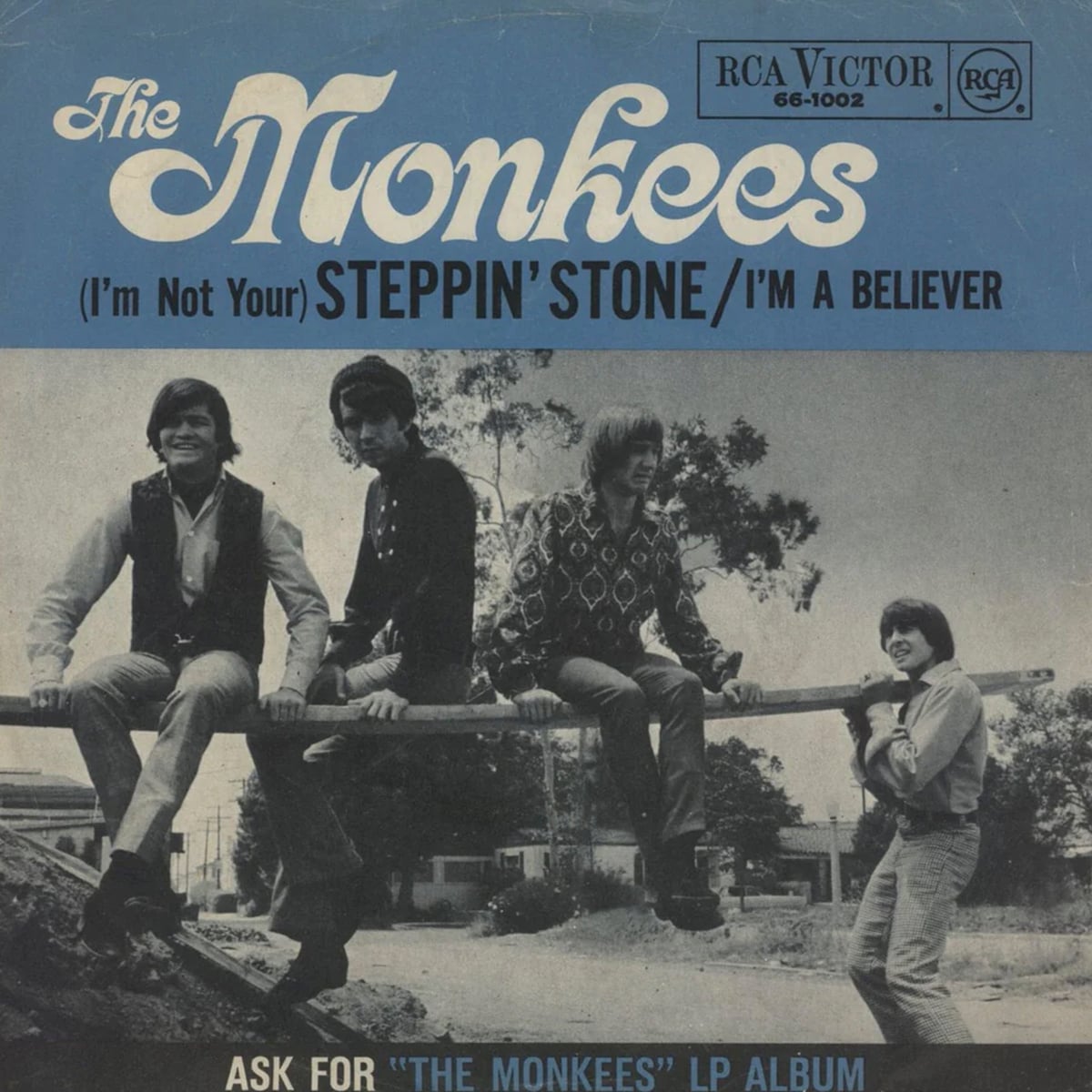
If there’s one thing worse than a bad Beatles song, it’s a bad song written by a band who were created purely to replicate The Beatles. In a world where we value the authenticity of the music that artists make, a band like The Monkees, who were put together to essentially be an onscreen representation of The Beatles, offered music the world could have done without.
Tracks like ‘I’m a Believer’ are just blatant grasps at pop smashes, and they don’t sit right in the pages of history. Not to mention, the song didn’t even feature half of the actual band, as session musicians were brought in to play the parts instead. This, simply put, didn’t even need to see the light of day.

Never Miss A Beat
The Far Out Beatles Newsletter
All the latest stories about The Beatles from the independent voice of culture.
Straight to your inbox.