


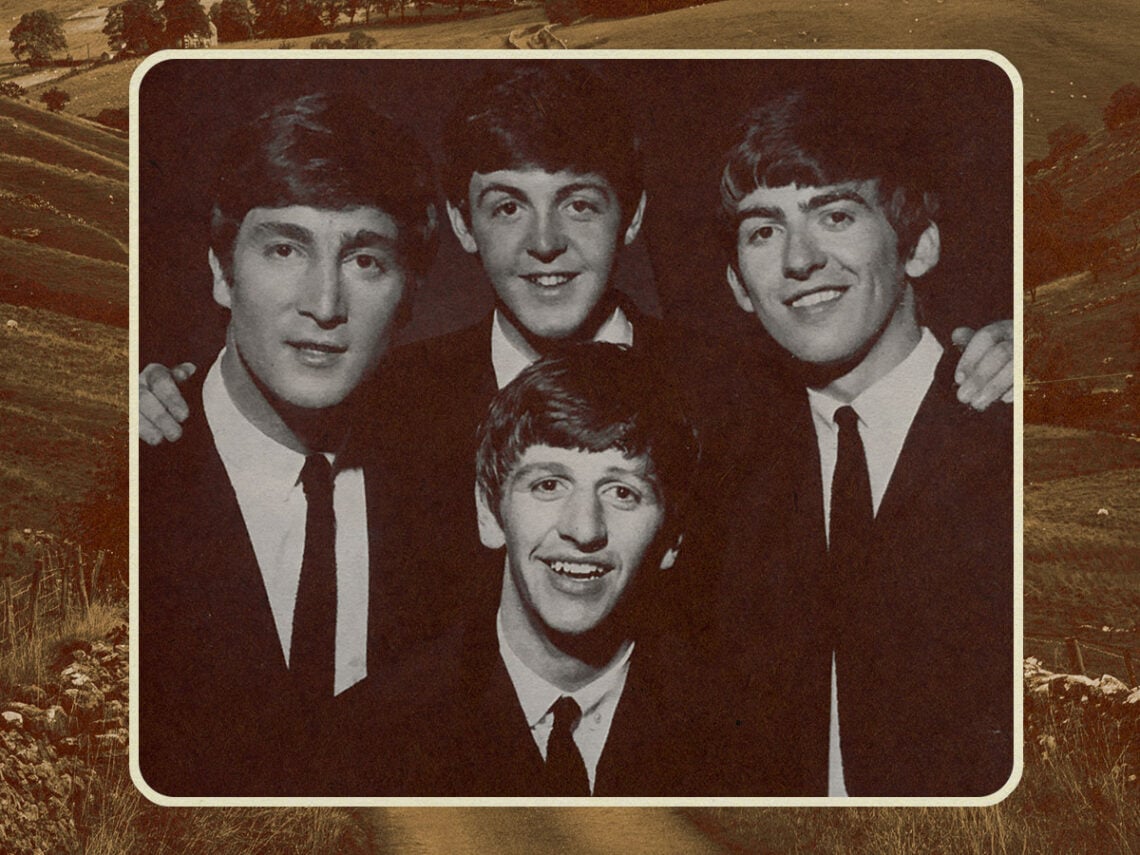
The worst Beatles song from each of their albums

There’s no greater celebrated songbook in the rock and pop canon than The Beatles, even over 60 years later.
Such lauded stature winds up the most committed Fab Four haters, and does beg the question as to how long a band can command such a totemic presence, but The Beatles’ work is a dazzlingly inventive one, packed with adventure, a hunger for new ideas, an intrepid pulling of pop toward high culture, and a set standard of just what one band can achieve that’s yet to be touched.
Yet, they suffer from the ‘greatest ever band’ tag, rendering their oeuvre slopped in a stultifying heritage industry that can wring the life out of their legacy. The Beatles wrote some shit songs, daft numbers, and questionable lyrics that make the Fab Four story all the more interesting for their flaws. They weren’t inhuman deities effortlessly summoning masterpieces left, right, and centre, and the occasional screwed balls of rubbish or average album fillers only brighten their pop gold in comparison.
With this list, we’re ignoring the Yellow Submarine soundtrack and the Magical Mystery Tour mishmash, the latter originally an EP with various singles and B-sides tacked on the end for the US version. There’s going to be no interludes or buffer skits either, so cuts like ‘Wild Honey Pie’ won’t make our list, and we’re staying away from covers, which cancel out much of their early rock and roll renditions from the first batch of LPs.
So, join us as we scrutinise the pimples and warts of The Beatles’ titanic discography, and perhaps pull Liverpool’s finest down a notch or two from their unassailable pop pedestal.
The worst song from each Beatles album:
‘There’s a Place’
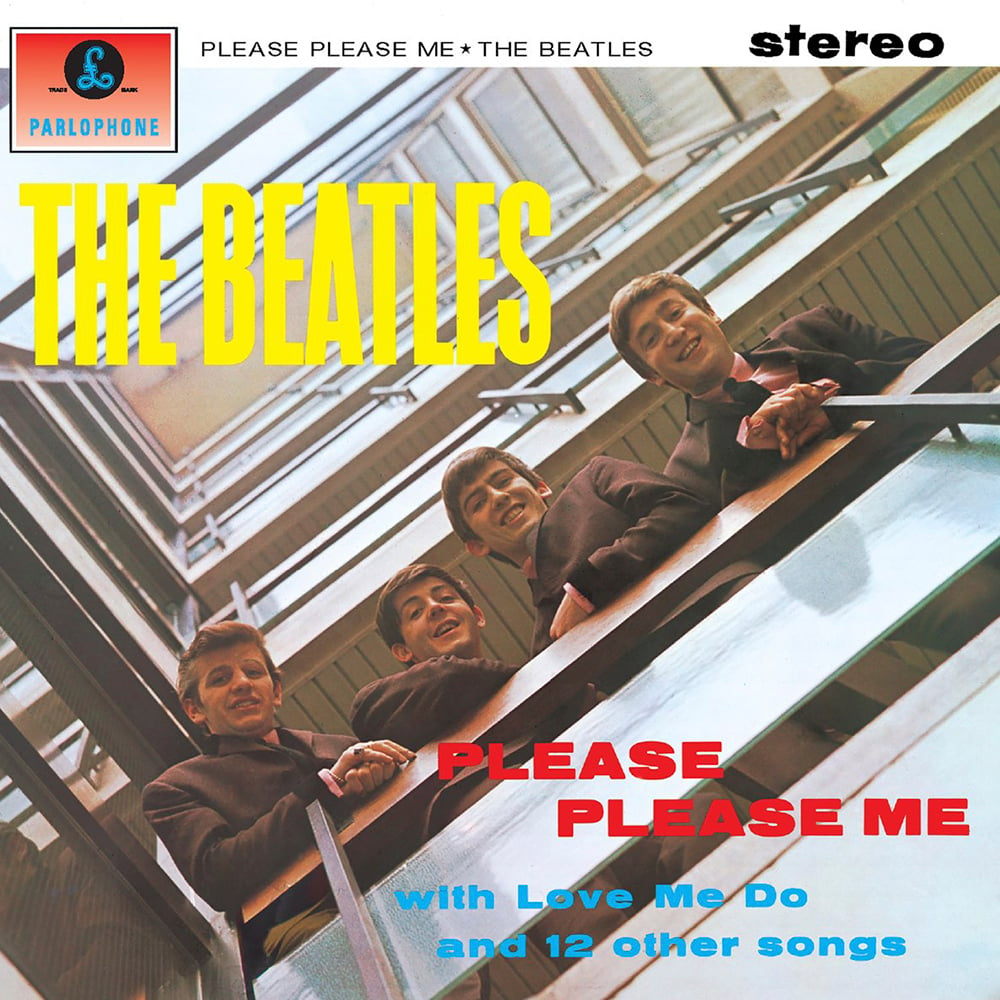
Even back when they launched their LP debut in March 1963, The Beatles cut a rawer and more arresting popcraft than anyone in the Merseybeat or much of the country’s rock and roll scene in general. Brimming with vim and confidence, Please Please Me marked the sound of a hungry band eager for all their exhaustive touring and hard graft to start paying off.
There are no bad songs from the Lennon-McCartney pen on their first album, but if forced, Lennon’s stab at Motown shines less brightly than the bursting title track or ‘I Saw Her Standing There’. Interesting fodder for a pop tune, exploring the sanctuary of one’s own mind, but ‘There’s a Place’ is just nudged into our worst selections by virtue of the strength of Please Please Me’s other original material, offering no hooks that aren’t sharper elsewhere.
‘I Wanna Be Your Man’
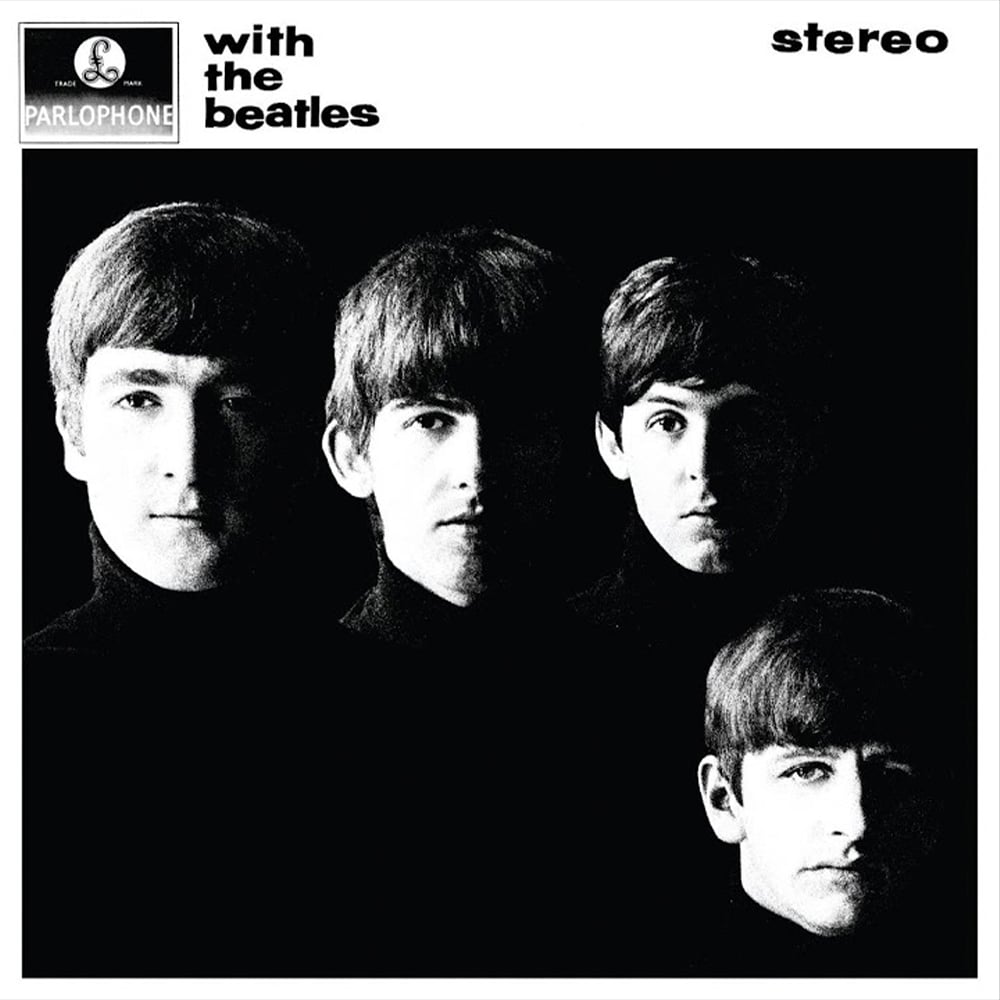
Mere months after their debut, The Beatles were already becoming the Fab Four, counting knock-out singles like ‘From Me to You’ and ‘She Loves You’ in the interim between With the Beatles, with the mop-tops eclipsing their Merseybeat foundations and scoring the teen hysteria who had been waiting for a force like them to upend the day’s pop climate.
“We weren’t going to give them anything great, right?” Lennon quipped regarding ‘I Wanna Be Your Man’. Gifted to The Rolling Stones, who cut the first version, The Beatles’ throw-away ditty captures Ringo enjoying himself on lead vocals, but little else, sitting in their sophomore like an accidental demo inclusion rather than a Lennon-McCartney gem that stands up to ‘All My Loving’ or ‘It Won’t Be Long’.
‘You Can’t Do That’
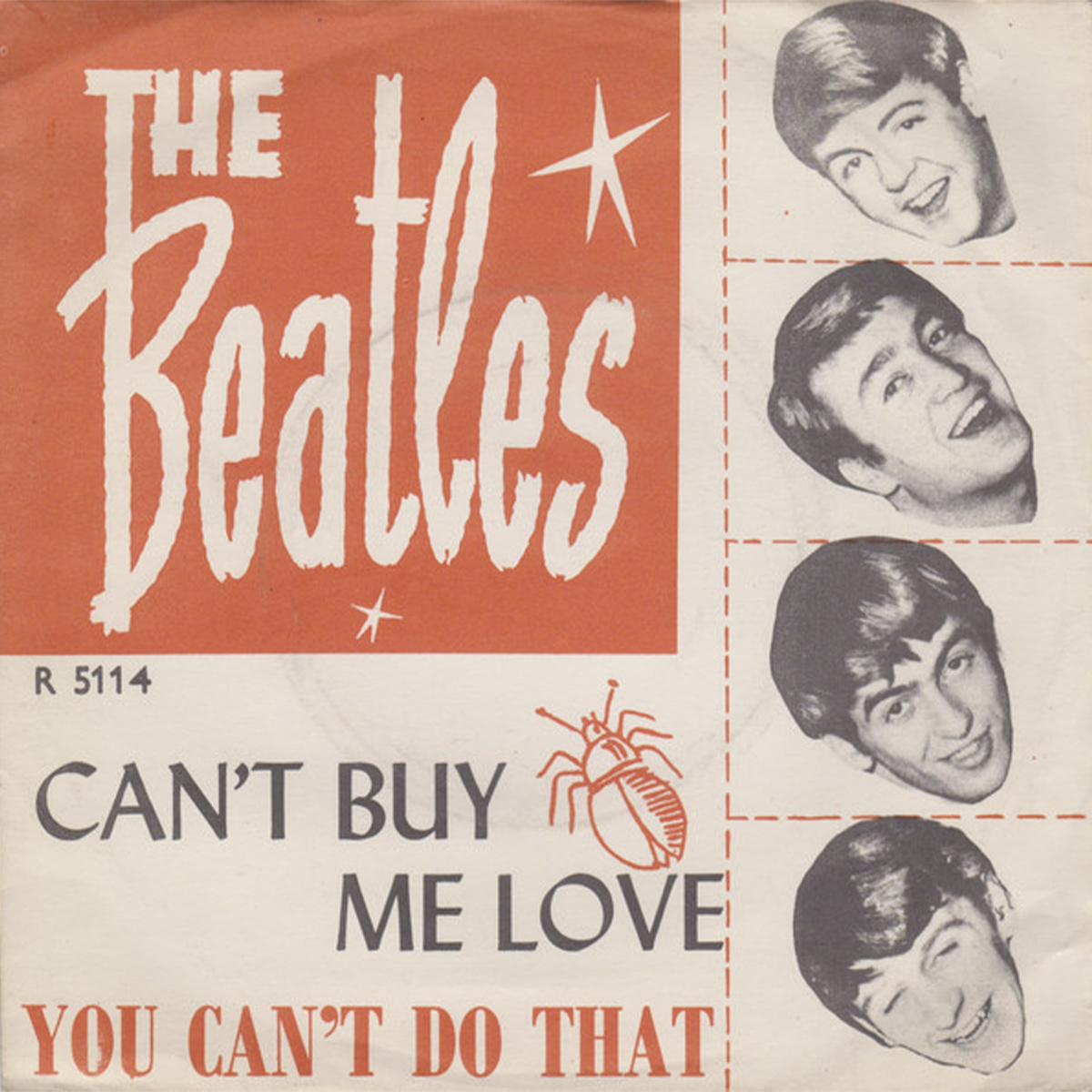
By summer 1964, Beatlemania was in full swing, out went the covers in favour of a full 13-track record of pure Lennon-McCartney, and all the better for it. Promoting their entrance to the silver screen, A Hard Day’s Night races through its numbers with all the dizzy fervour of their running from fans and jumping through multiple taxis during the peaks of Fab Four madness.
The first half of the album is solid gold Beatles, with an ever-so-faint taper of quality by the final few numbers. Hitting the lowest tier, Lennon’s snarling ‘You Can’t Do That’ dwells at the bottom, a perfectly reasonable R&B stomper flashing his lyrical penchant for nasty jealousy but overshadowed by the towering classics that dominate their first real genius LP.
‘I Don’t Want to Spoil the Party’
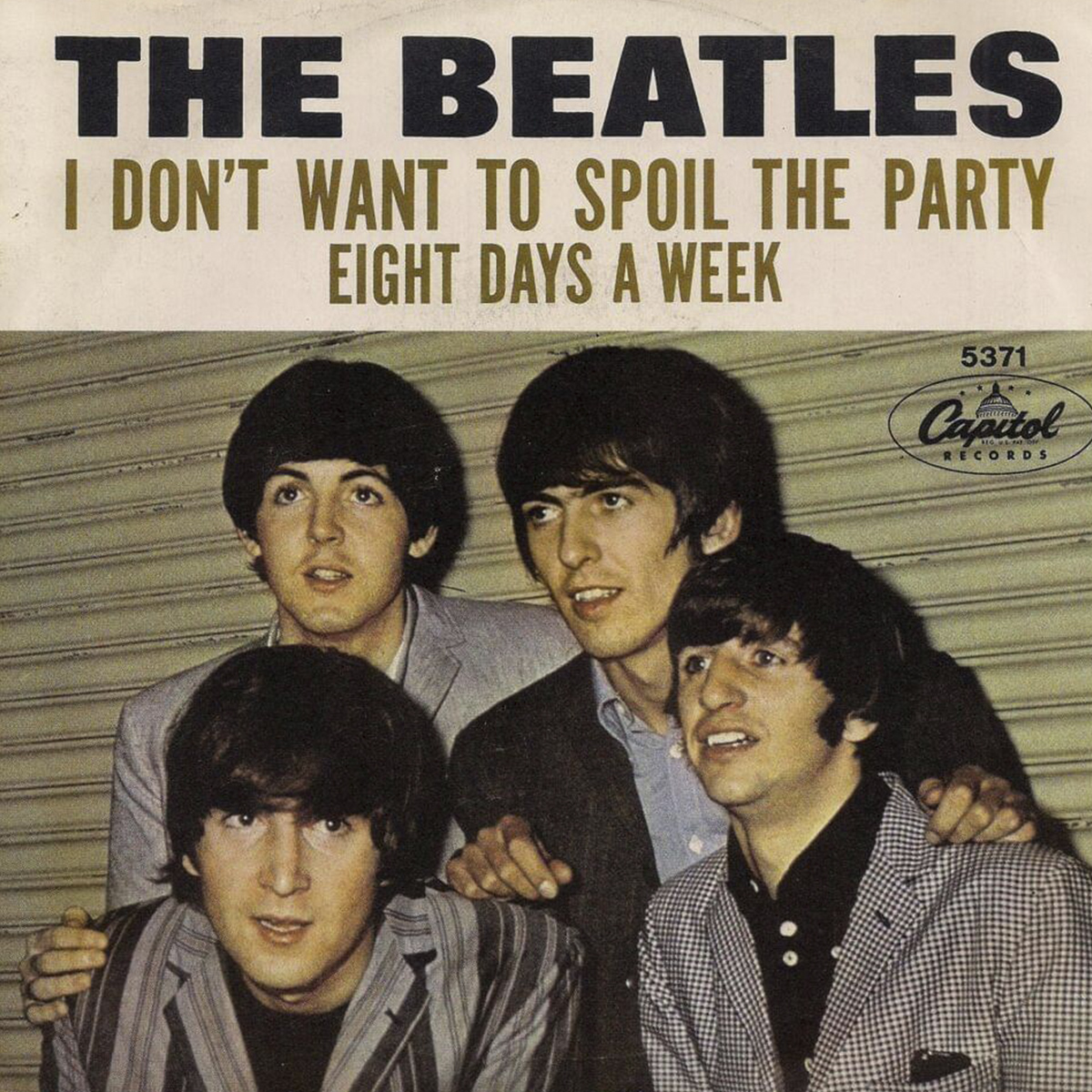
There’s an air of superfluity to Beatles for Sale. A looser, more slapdash collation of numbers that lacks the firmer cohesion of LPs either side of it, a handful of bona fide jewels can lose their gleam amid the influx of antiquated covers and what feels like studio offcuts for padding.
‘I Don’t Want to Spoil the Party’ is a number from Beatles for Sale that never quite lifts off. A country-lite piece lamenting the absence of one’s young love, such morosity was better bottled on ‘I’m a Loser’ and kicks its heels without the pop-rock zest that The Beatles wielded so successfully at the end of 1964.
‘You Like Me Too Much’
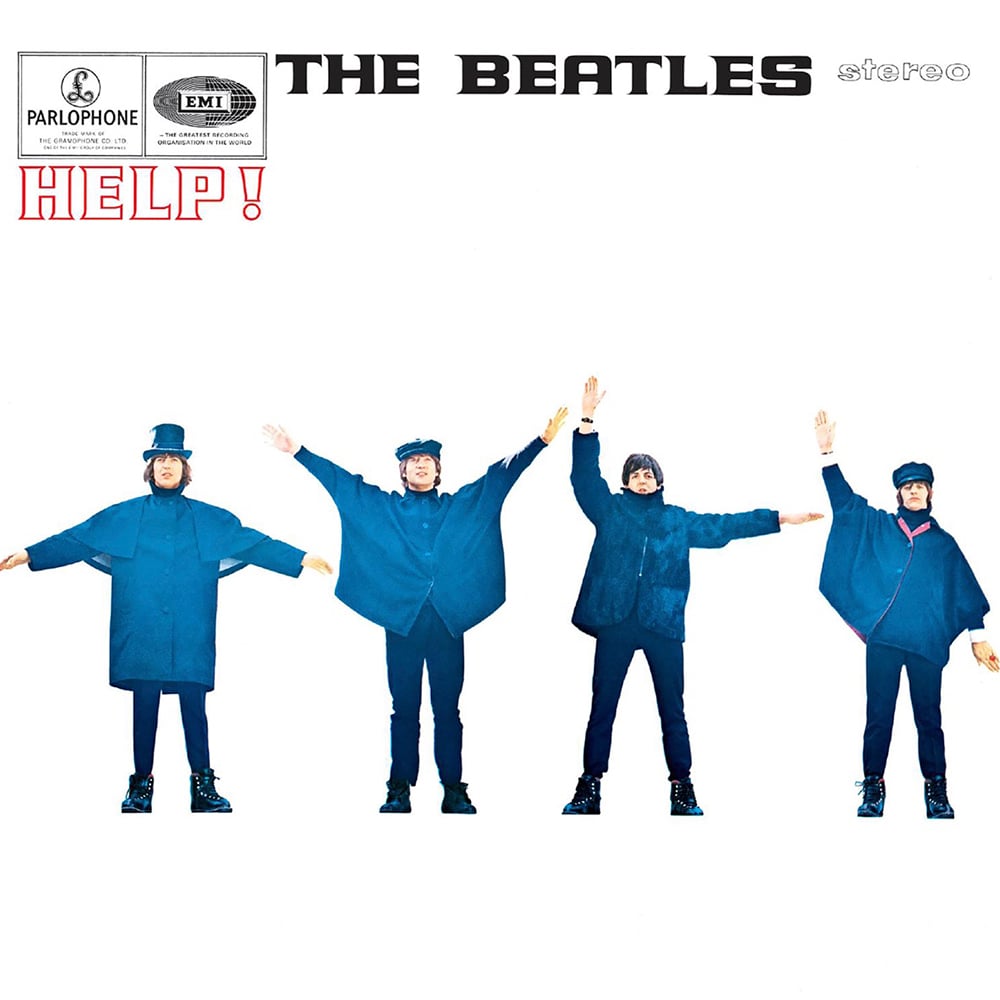
The Beatles camp was seriously evolving with Help! LSD had entered the equation during the sessions, and the folk stylings of Bob Dylan inspired the band to pick up the acoustic guitar and further immerse themselves in lyrical confessionals. Countering the title track’s exaggerated howl, Lennon would conjure the stirring ‘You’ve Got to Hide Your Love Away’ while McCartney dreamed up ‘Yesterday’s’ immortal hymn.
Again, Help!’s songbook is of a high standard, but we’ll plumb for George Harrison’s ‘You Like Me Too Much’, standing as an intriguing insight into his sideways songwriting style, but yet to form the legs that would give the principal hitmakers a run for their money a few short years later.
‘What Goes On’
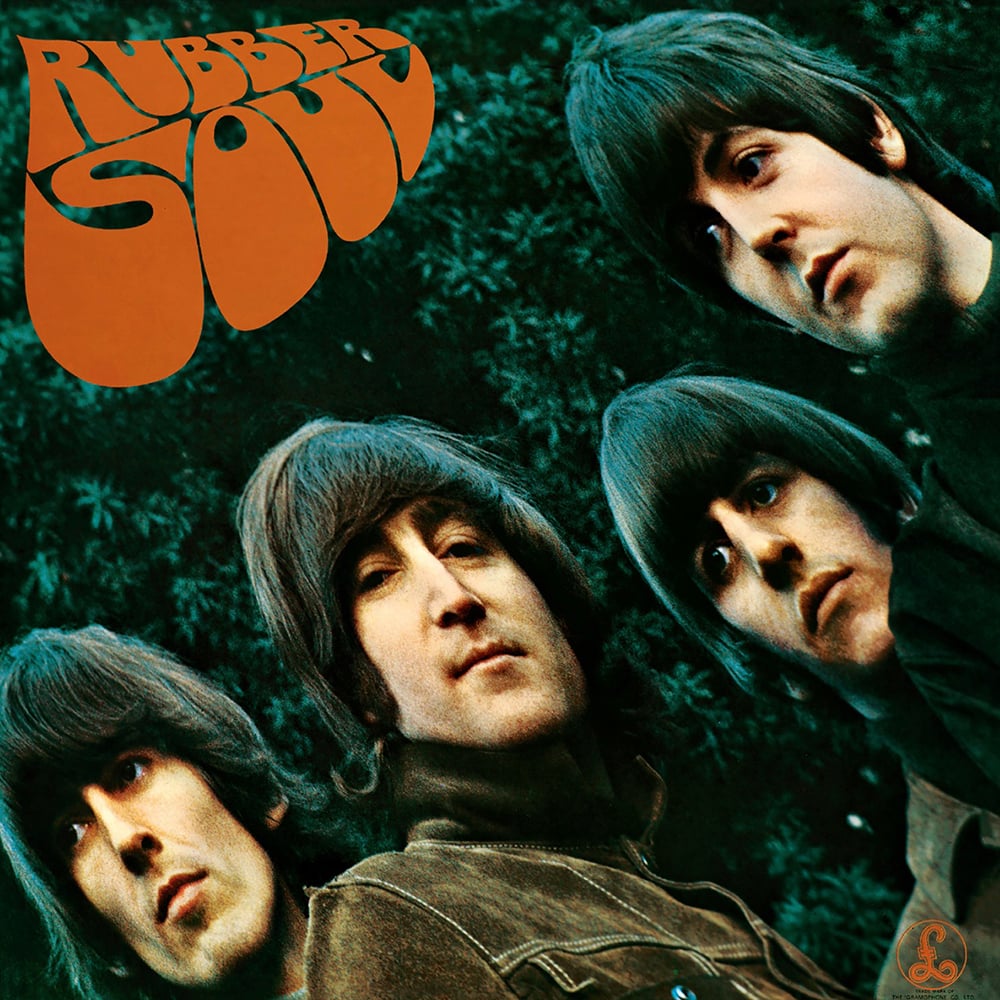
Most fans consider Rubber Soul the true spark of The Beatles’ god-tier oeuvre, and for good reason. The arrangements were more ambitious, the lyrical wanders more mature, and the sonic palette expanded into ‘Norwegian Wood (This Bird Has Flown)’s’ Indian sitar touches and the baroque harpsichord injecting reflective stir to ‘In My Life’s pensive reverie.
It’s rare that Ringo’s behind the mic for a cracker of a Fab Four tune, and ‘What Goes On’s’ a case in point. The only Beatles song credited as Lennon–McCartney–Starkey, ‘What Goes On’ sits stiffly in Rubber Soul’s second side, full of stilted country rockabilly pastiche that was a B-side at best. While Lennon’s viciously sexist ‘Run For Your Life’ was a contender for the album’s nadir, its undeniable rock and roll bluster means Ringo’s only lead song on the album makes the sin bin.
‘Yellow Submarine’
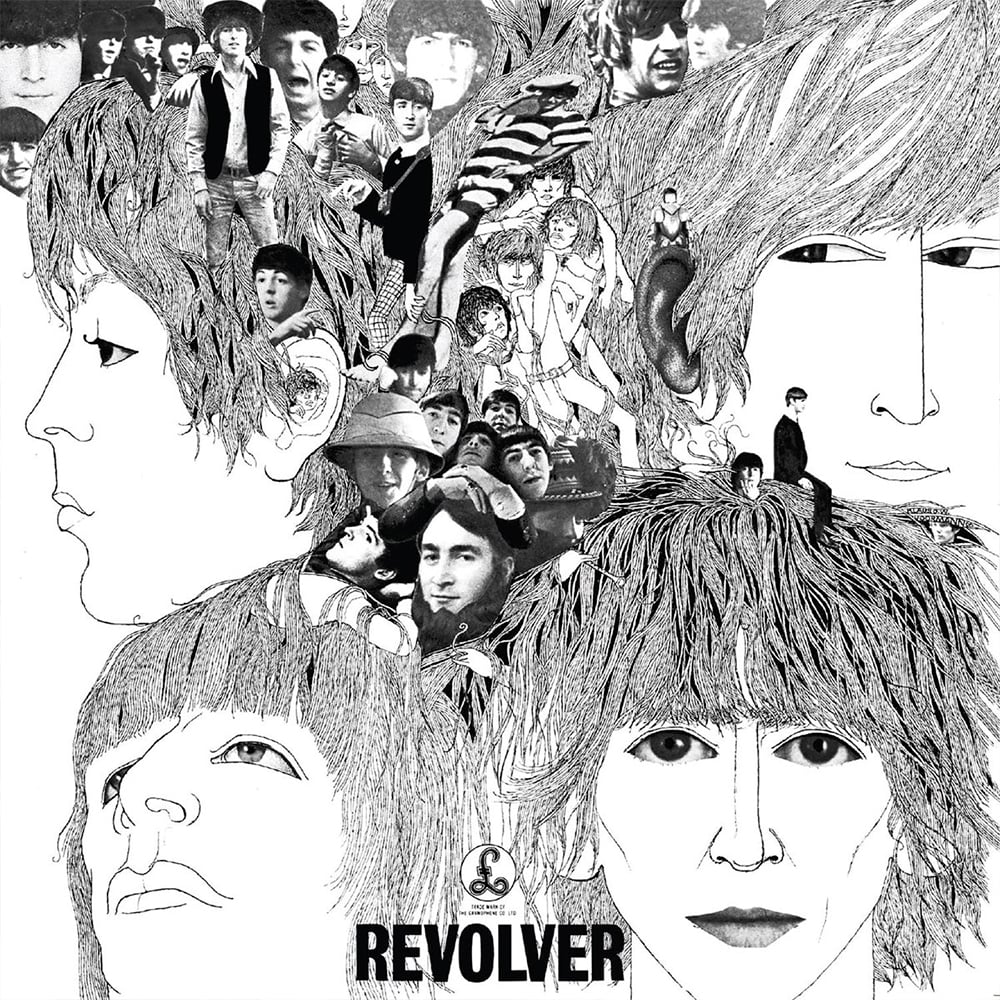
Firstly, this is not a bad song. Not only does it exude a sincerely enchanted whimsy, but ‘Yellow Submarine’ is a success on its own terms, aiming to paint a colourful and charming children’s novelty song which will absolutely sail into the aeons, possibly enjoying the most life out of the entire Fab Four’s canon bar of ‘Yesterday’.
Yet, every time ‘Yellow Submarine’ ascends from Revolver’s surface after the stunning ‘Here, There and Everywhere’, it’s hard to shake off the tonal jar with the balance of the album, the moment Ringo introduces the playful surrealism. Better suited as a novel, stand-alone single, The Beatles’ first entry into kids’ tunes ensures an inarguable bottom of Revolver’s visionary pop.
‘When I’m Sixty-Four’
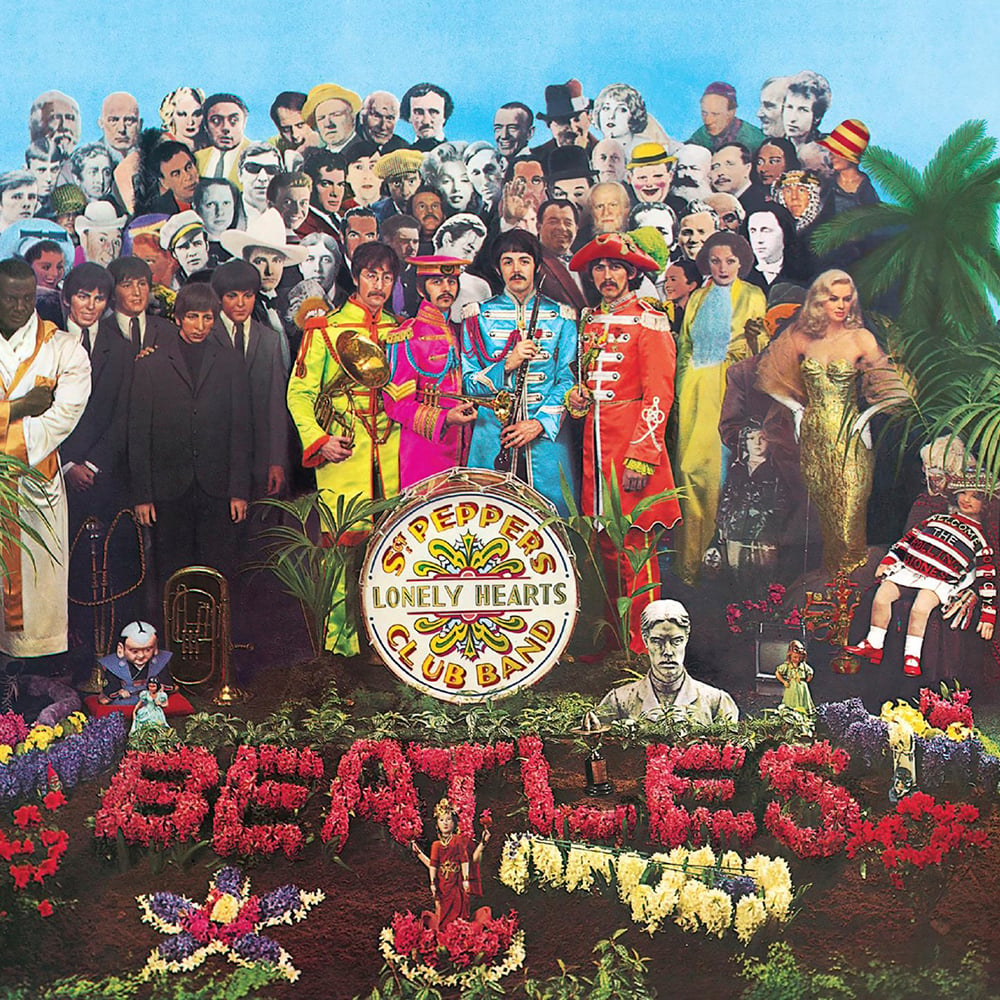
Mirroring its busy lysergic collage of a cover, Sgt Pepper’s Lonely Hearts Club Band lands on the senses like a vibrant psychedelic plume joyously chasing unreined artistic freedom in the studio. In this spirit, The Beatles sought to unleash a mosaic of kaleidoscopic rock and pop, standing as a culmination of the terrain explored on previous LPs, every cut different from each other.
It’s this context that elevates ‘When I’m Sixty-Four’s’ music hall merits, which finds McCartney leaning into his undying love for nostalgia and deciding to spike their Summer of Love opus with a slice of Anglo-surrealist cabaret. It works in the album’s myriad context, but in isolation, there’s a whiff of McCartney’s “granny music” all over his geriatric vaudeville plod.
‘Ob-La-Di, Ob-La-Da’
Sprawling, flawed, dazzling, incoherent, The Beatles’ eponymous double LP is a jumbled-up toybox of a record, packed with haphazardly disparate numbers that careen between the finest contributions to the rock and pop songbook, as well as junk cuts reflecting the fracturing creative unit’s untrammelled hurtle toward their own foibled songwriting idiosyncrasies.
It may appear there’s a good chunk to choose from, be it Ringo’s ‘Don’t Pass Me By’ or the syrupy ‘Good Night’, but the selection’s made all the more easy the moment ‘Ob-La-Di, Ob-La-Da’s cod reggae piano raises the blood pressure within the first few seconds. Gratingly chirpy, it feels like a minor achievement to sit through its three-odd minutes without feeling the walls close in on you.
‘Maxwell’s Silver Hammer’
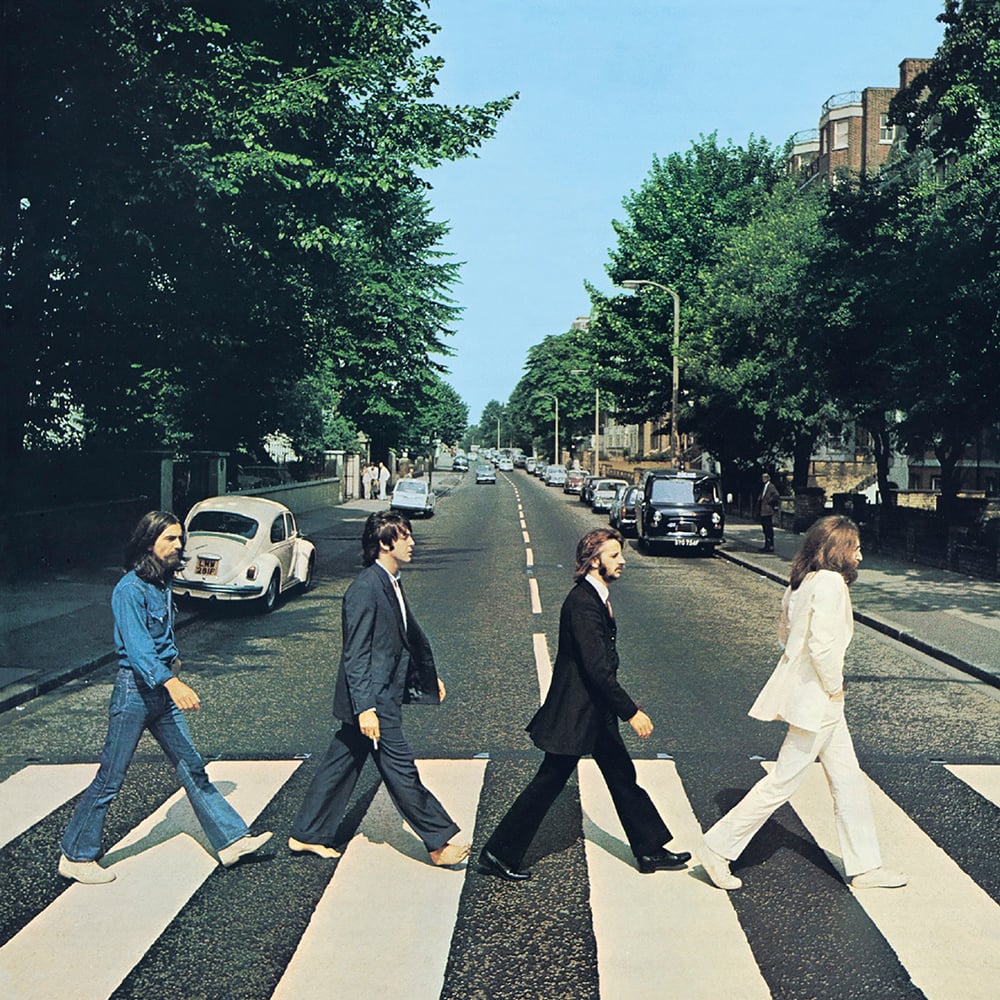
McCartney’s taste for cloying music hall began to seriously rear its head on Abbey Road, as well as testing all The Beatles’ patience for such a seemingly twee sing-along. Supposedly an analogy on life’s many sudden pitfalls, a little Alfred Jarry and The Goon Show hovers over ‘Maxwell’s Silver Hammer’s’ musical tale of the titular murderer’s comic kills with his likewise titular silver hammer.
You can feel the exasperation flooding EMI Studio throughout the track, a chore of a jaunty joke, only entertaining to McCartney and representing the worst of his saccharine excesses, a lapse that would only get worse in the 1970s and blight their last chronological LP offering.
‘For You Blue’
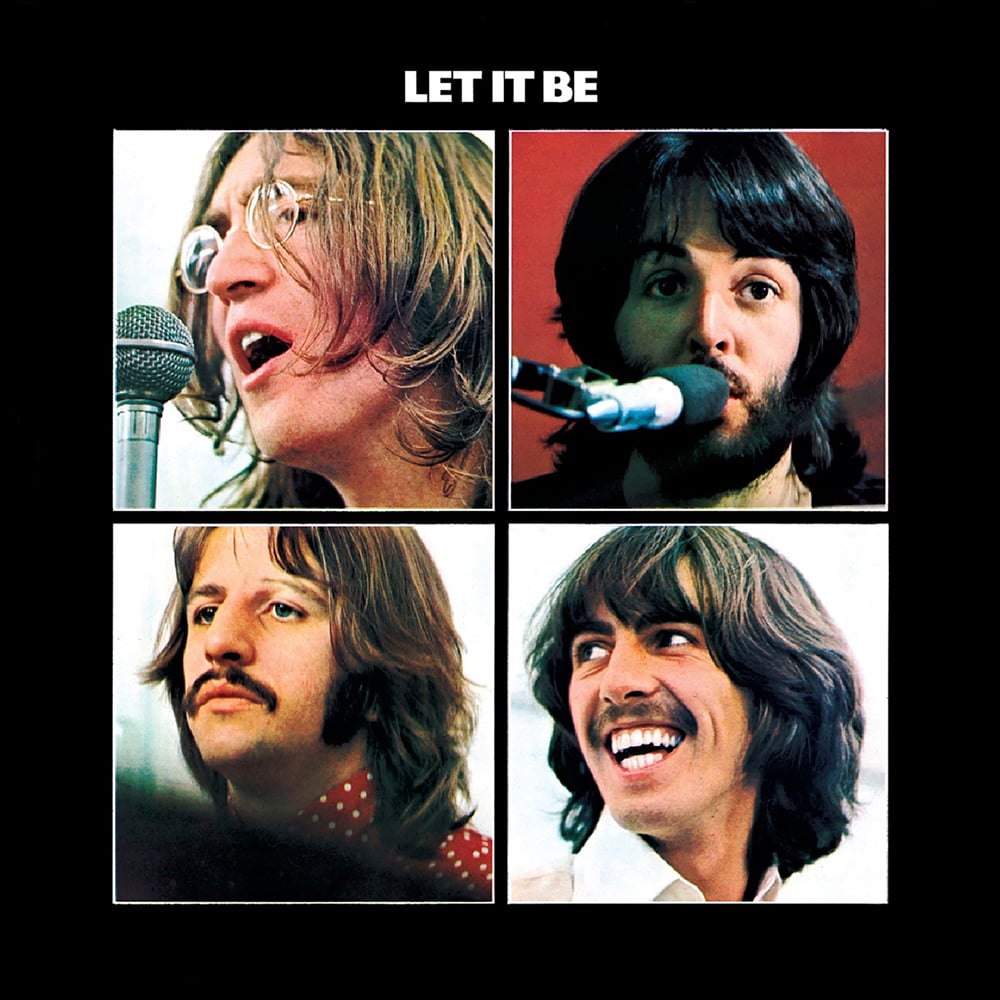
There’s an unfortunate mishapen and half-finished character to Let It Be. Lumped with material from the doomed recording sessions, Phil Spector slapped a dollop of orchestral overdubs onto cuts like ‘Across the Universe’ and ‘The Long and Winding Road’, upsetting the record’s ‘back to basics’ approach, as well as including the two interludes of useless studio chatter where ‘Don’t Bring Me Down’ could’ve sat.
Still, the songs are great, but if we’re forced to point to a weaker song without copping out with ‘Dig It’ or ‘Maggie Mae’, Harrison’s pleasant if unremarkable country jam, ‘For You Blue’, stands with the least essentiality than any other number, including ‘One After 909’s’ anchorage to their past, becoming just another fine Beatles cut that dwells as a lesser band’s highest achievement.

Never Miss A Beat
The Far Out Beatles Newsletter
All the latest stories about The Beatles from the independent voice of culture.
Straight to your inbox.