


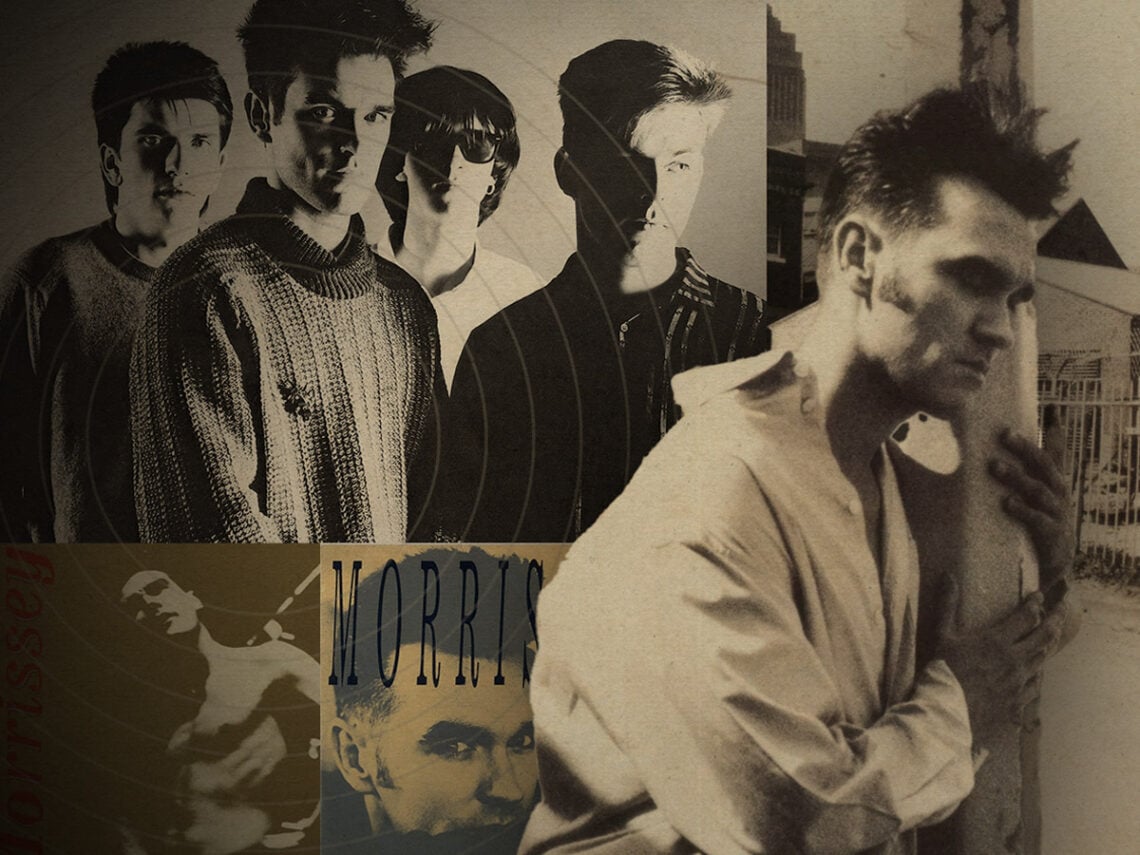
Five solo Morrissey songs that could be on albums by The Smiths

Not even the most devout Morrissey apologist could argue that their man, misunderstood though he may be, doesn’t perpetually have a shed full of axes to grind.
Just the past week, the former Smiths frontman has taken to social media twice to yet again rebuke his nemesis, Johnny Marr, the guitarist he last shared a stage with 40 years ago, first claiming that Marr and the editors at The Guardian were trying to retcon him out of the Smiths’ origin story, then providing a quick, semi-related anecdote about the beloved Salford Lads Club.
“For those who care about detail, being photographed outside of Salford Lads Club was not a Smiths idea or design, it was solely my idea,” Morrissey wrote, referring to the iconic 1985 photo of the band taken in front of the entrance of the local landmark, adding, “…Now that millions of people come from all over the world to be photographed on that very spot, it is claimed as a Smiths idea. It wasn’t, it isn’t, and it never shall be. If I had suggested a photo outside Kellogg’s [cereal factory], the likelihood is that the other three would have done that instead.”
Morrissey is nearly 67 years old and has had various health problems in recent years, likely elevating his concerns and preoccupation with his own legacy. The publication of his memoir in 2013 theoretically would have eased some of that stress, allowing him to set the record straight and communicate his version of the events of his career, both with the Smiths and afterwards, but little has changed in the years since.
More recently, the surprising news that he was still open to a lucrative Smiths reunion tour, and that Marr had axed an invitation to do so in 2025, seems to have kicked off another chapter in this depressing, endless feud. While the media and the record industry might be the foes that Morrissey still despises the most, Marr and the Smiths tap into a far deeper, more personal vein.
The music that the band made together during its relatively brief existence is still almost universally hailed as unimpeachably great work: clever, innovative, influential, and timeless. Morrissey’s solo albums, by contrast, have famously been met with wildly inconsistent responses, as the singer’s battles with the press, especially in the UK, have unquestionably affected the way his music has been assessed and written about.
For Smiths fans who couldn’t quite square themselves with Morrissey’s evolution into a right-leaning rockabilly gangster in the ‘90s, it became easier to simply sever all ties and pretend that Marr had been the sole source of magic all along.



Fans in North America, however, being less aware of all the tabloid kerfuffle in the UK, often had an easier time appreciating Morrissey’s solo records for what they were: consistently enjoyable indie rock albums with loads of good riffy guitar tunes and a lot of the same dark comedic storytelling and soul-crushing self-analysis that had made The Smiths a life-changing band.
If we’re going to point out how Moz is always falling out with record labels or feuding with the surviving members of The Smiths, it should at least be noted, in fairness, that his relationship with his primary post-Smiths collaborators, namely guitarists Boz Boorer and Alain Whyte, has carried on for over 30 years with nary a whisper of animosity reported among them. Boorer and Whyte, perhaps by no coincidence, keep remarkably low profiles, and when they do give interviews, their commentary on Morrissey rarely veers beyond simple professional pleasantries.
Ironically, if Boorer and Whyte had ever had a giant public falling out with Morrissey at some point, the world would probably be a lot more aware of who they are and how big a contribution they’ve made to Moz’s solo output from 1992’s Your Arsenal onwards, both as musicians and songwriters. Instead, the pair have remained consistently overlooked and underappreciated, usually only mentioned in unfavourable comparisons to Marr. The fact that Morrissey’s ‘90s work had a distinctive sound and attitude, wholly separate from The Smiths but still well suited to his voice, is a major credit to these men.
Of course, especially in those early solo years, there were the occasional Morrissey tracks that sounded a bit more inspired by the proven formulas of The Smiths days. In some cases, the adaptation came off pretty seamlessly, while in others, it was hard not to imagine Marr, Andy Rourke, and Mike Joyce getting their own crack at crafting the song.
Here’s a closer look at five Morrissey solo songs that would have sounded right at home on a lost Smiths album, assuming everyone could have co-existed long enough to record it.
Five Morrissey tracks that could have worked on Smiths records
‘Suedehead’ (1988)
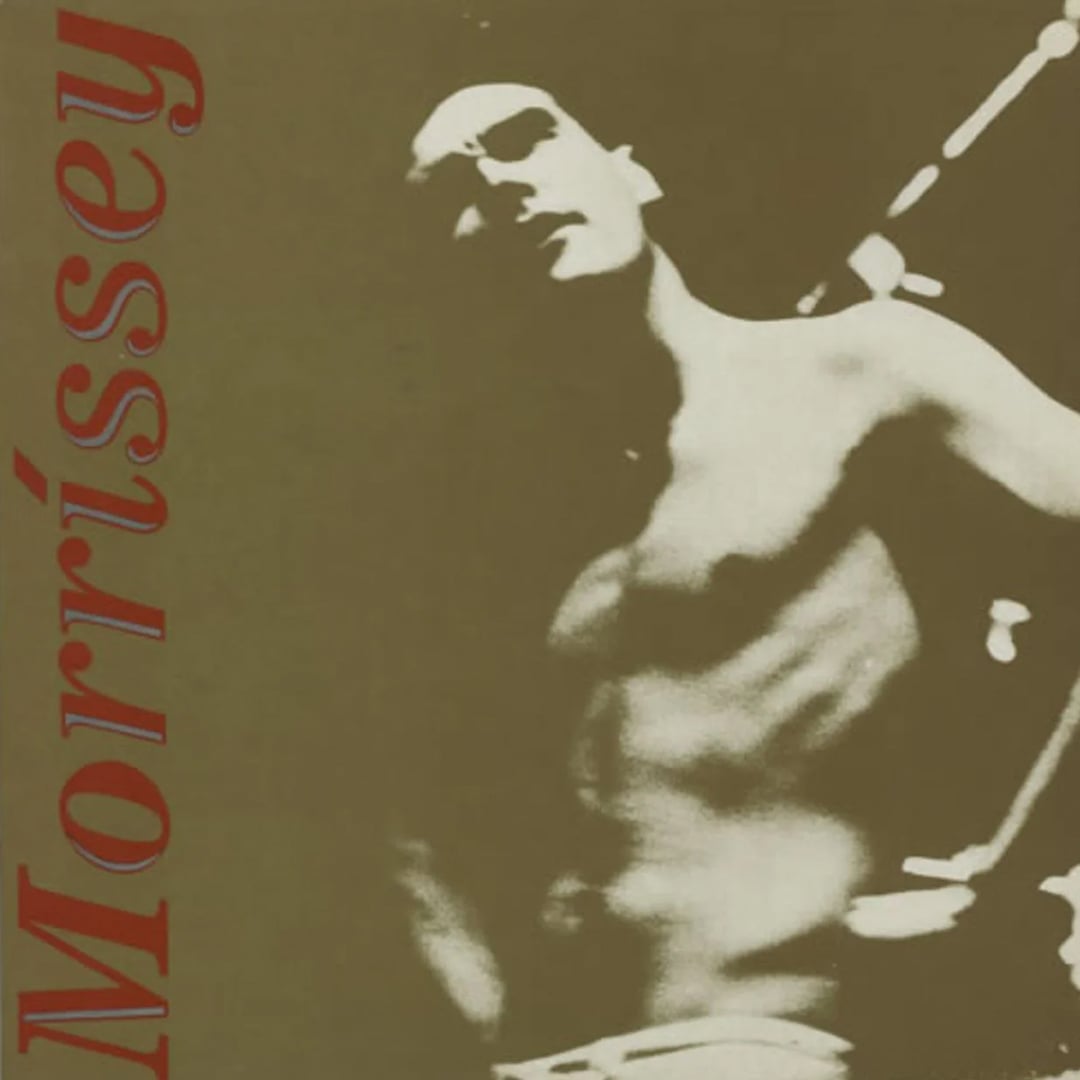
“Lyrically, it wasn’t the best, I’m well aware of that,” Morrissey told Sounds shortly after his debut solo album, Viva Hate, and its lead single, the jangly ‘Suedehead’, were released, adding, “It was a very peculiar time for me, making that record so suddenly, so unexpectedly, and I wanted to try something different.”
The “different” thing was trying to be more spontaneous with his lyric writing, avoiding too much line-reading in the studio, and relying more on instinct and memory, something he rarely attempted again. Musically, producer Stephen Street was slightly less adventurous, hoping to recreate a suitable stand-in version of The Smiths on tracks like ‘Suedehead’, which featured guitarist Vini Reilly of the Durutti Column admirably handling the Marr-ish lead guitar. The song wasn’t a huge hit, but it holds up quite well all these years later, and certainly did enough to show that Morrissey would still be someone to pay attention to in the aftermath of his band.
‘Piccadilly Palare’ (1990)
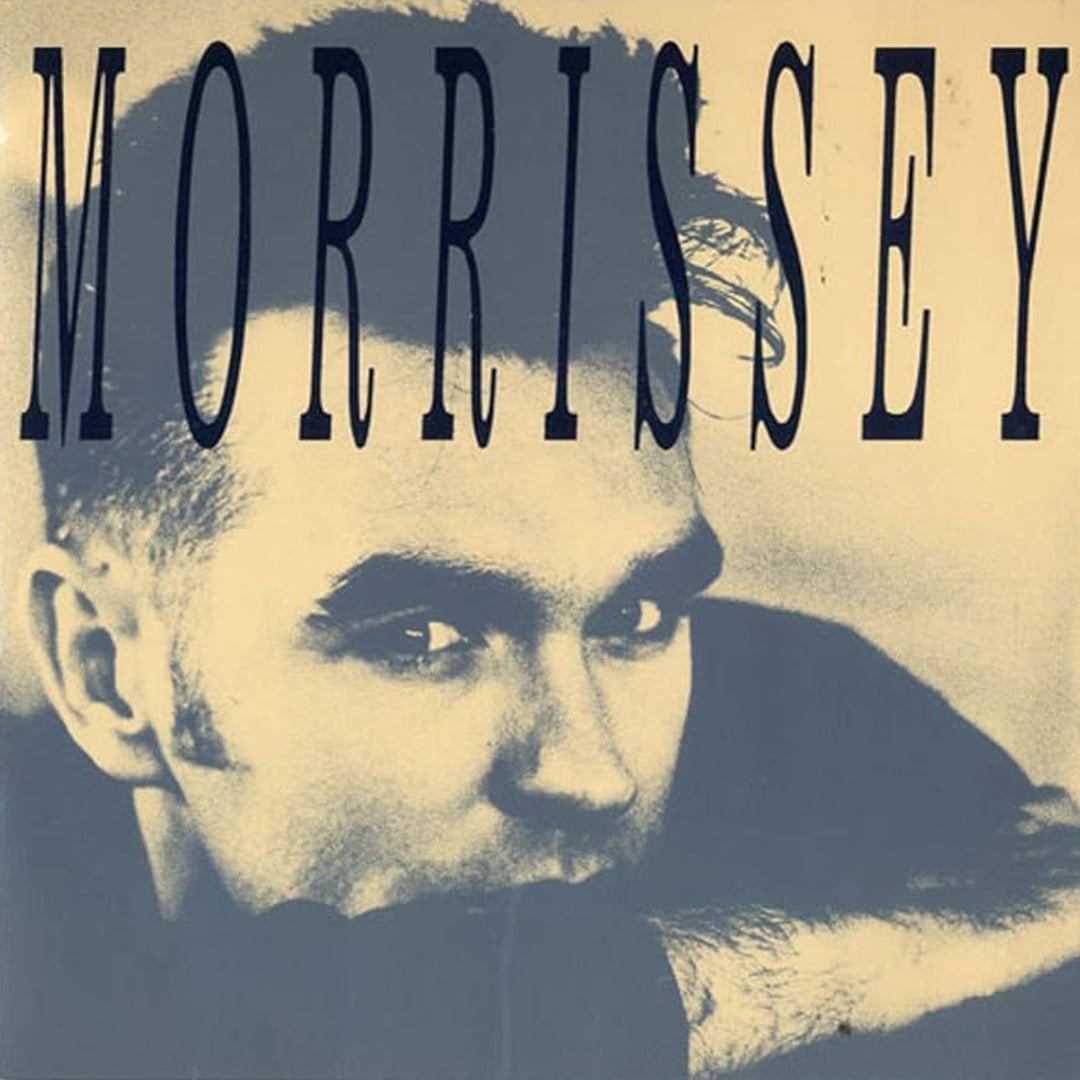
Smiths bassist Andy Rourke plays on this track, the last occasion in which Morrissey ever recorded with an original member of his old band. It’s a noticeable contribution that gives ‘Piccadilly Palare’ a bit of the same feel as some of the more peppy, strut-inducing Smiths tracks like ‘I Can’t Help the Way I Feel’ and ‘I Started Something I Couldn’t Finish’.
The song was written about male prostitutes in London, and was probably the boldest, most interesting release Moz had offered up to that point. For whatever reason, though, he quickly soured on this track himself, later writing in his autobiography that it had a “rinky dink Kinks sound” and was equivalent to a “student work of novelty that wears off before noon”.
‘We’ll Let You Know’ (1992)
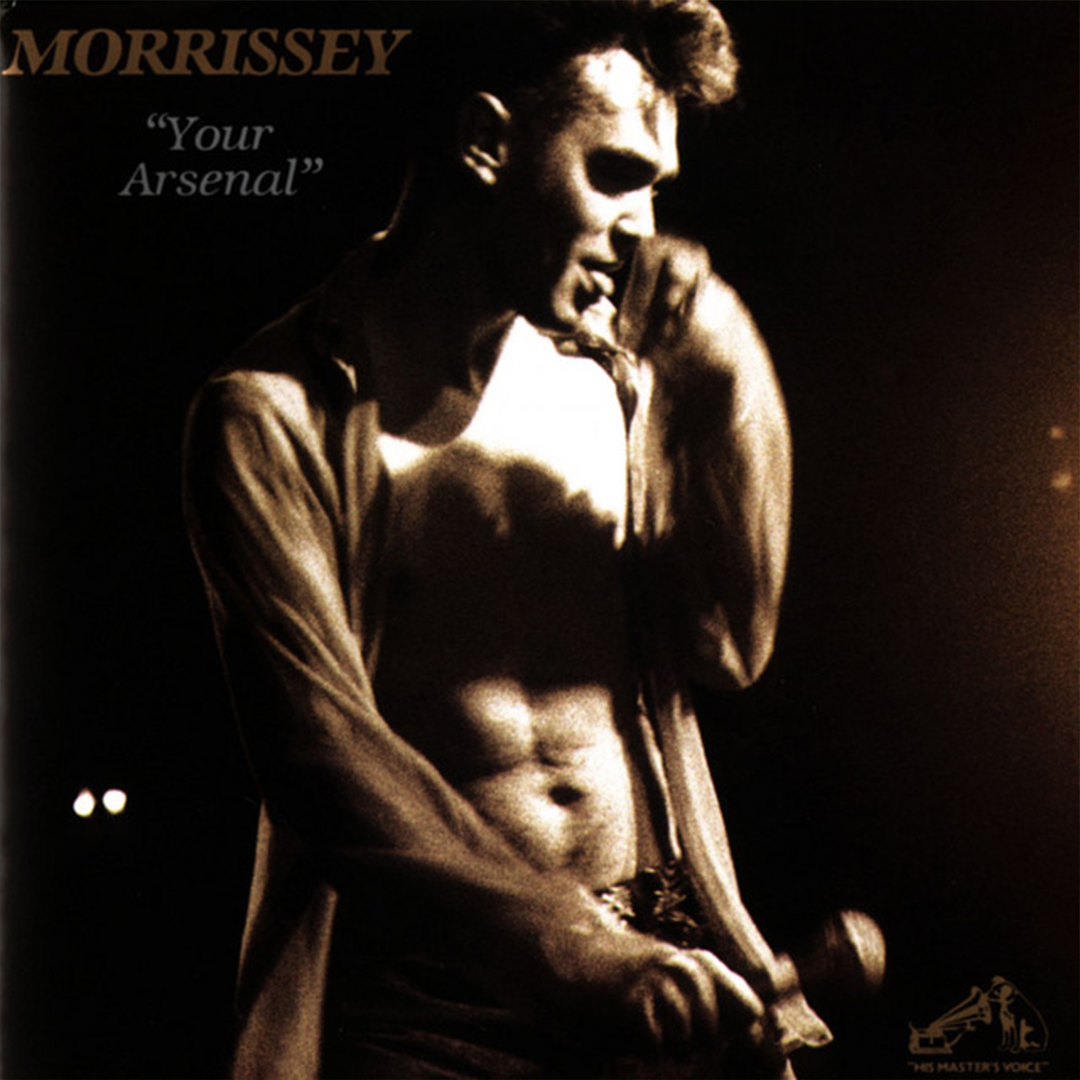
While Alain Whyte and Boz Boorer ushered in the new, refocused era of Morrissey’s solo career here on the Your Arsenal album, produced by the great Mick Ronson, there were still songs that deviated from that new glam-rockability direction into the same sort of dark, slow-brewing territory as Smiths tracks like ‘Death of a Disco Dancer’ or ‘That Joke Isn’t Funny Anymore’. One of the better examples, in terms of composition and production, at least, was ‘We’ll Let You Know’, a brooding, foreboding number seemingly told from the perspective of a football hooligan.
In retrospect, a lot of early Morrissey songs that once felt like interesting character studies have become slightly more difficult to revisit now, even the ones that feel Smiths-like in their execution. “I understand the level of patriotism, the level of frustration,” Morrissey told Q magazine in 1992, speaking of hooliganism; he then bridged the subject into English nationalism. “I want England to remain an island,” he said, presumably forgetting about Scotland and Wales altogether, “I think part of the greatness of the past has been the fact that England has been an island.” Cheeky talk of hanging DJs was all well and good during the Smiths years, but it’s hard to imagine Johnny Marr signing off on the closing lines of ‘We’ll Let You Know’: “We are the last truly British people you’ll ever know”.
‘Spring-Heeled Jim’ (1994)
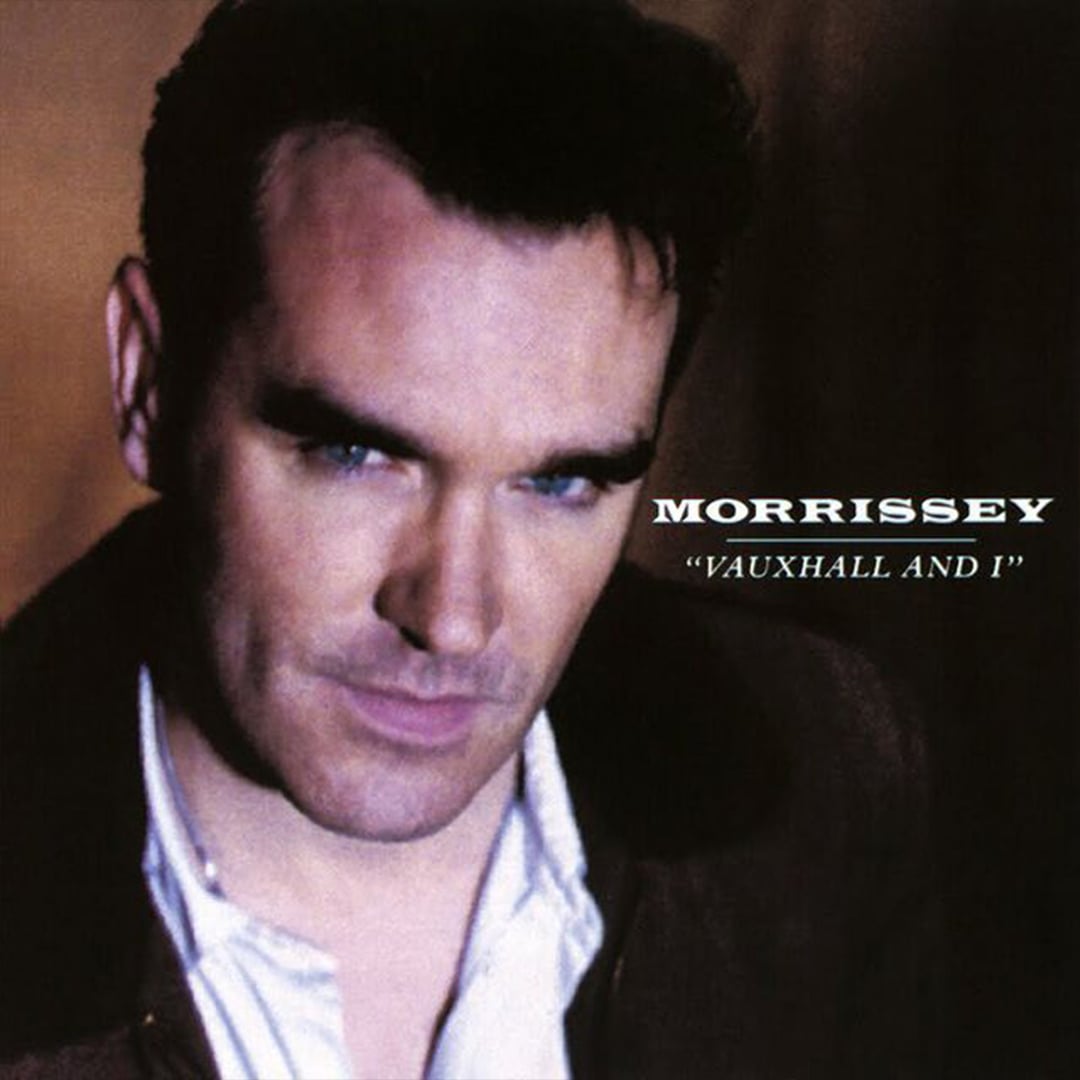
A sonic cousin of ‘How Soon Is Now’, but written about a wildly different sort of character, the type that would never be found leaving a club on his own. Vauxhall and I is arguably the best album Morrissey ever released, a moody, shadowy record with great melodies and little to no concern for the Britpop trends going on around it. Its second track, ‘Spring-Heeled Jim’, is a Boorer number with a great bass intro, an eerie guitar yowl, and spliced-in samples of television dialogue, setting the stage for the title character, an ill-intentioned ladies’ man from some ring of hell perhaps: “So many women / his head should be spinning”. Consider it an upgraded version of the sloppy early Smiths single ‘Handsome Devil.’
Morrissey returned to these dark illustrations of male characters quite a lot in the ‘90s, with ‘Dagenham Dave’, ‘Roy’s Keen’, ‘The Last of the Famous International Playboys’, and more.
‘Boxers’ (1995)
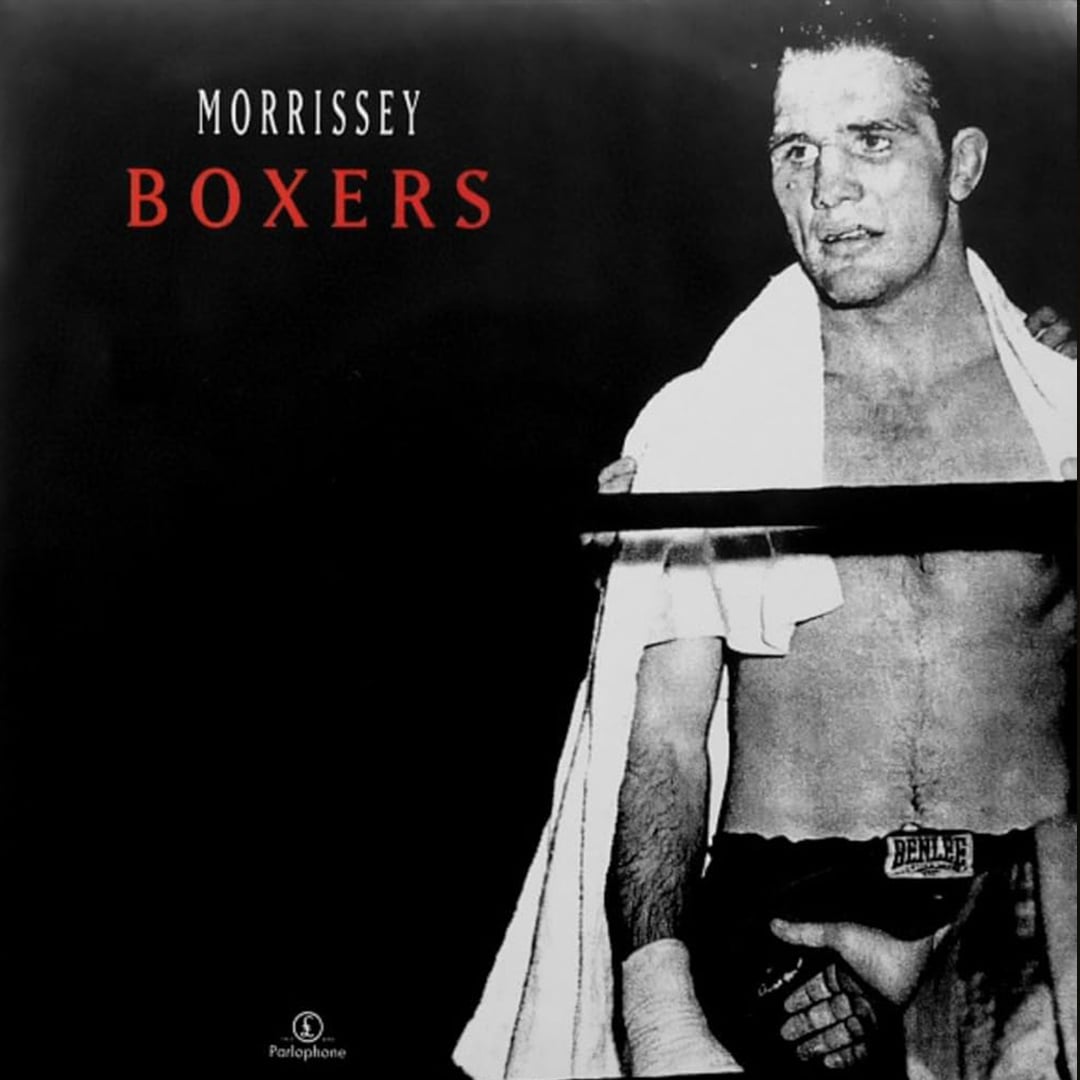
One of the lovelier pop singles of the Boorer-Whyte era, but despite being a top 25 hit, it feels largely forgotten, probably because it didn’t get a spot on a proper studio album. Once again, Morrissey’s subject is a ruffian of sorts, a London boxer who’s about to hit the mat in front of his weary wife and teary-eyed nephew. It’s an old-fashioned subject even for 30 years ago, but he does paint the scene beautifully, and the song’s chorus is among the best in the solo Moz catalogue.
Not long after this single was released, Morrissey began his legal battle with Smiths drummer Mike Joyce, the beginning of a very long and ugly fallout that basically set fire to any real hopes of a true Smiths reunion. It’s a shame, too, because it’s easy to imagine how ‘Boxers’ could have had a second life someday in the hands of Joyce, Rourke, and Marr, the song’s forgettable bridge rebuilt into a Marr solo, then jolted back into the ring by that all-timer of a rhythm section, but it wasn’t to be.
