


Five short-lived movie trends that didn’t stand a chance of catching on

For as long as people have wanted to watch a movie, there have been other people there to try and sell them a bridge.
Film history is full of big ideas that proclaimed to be the next watershed moment in cinematic history. Some of them caught on, like IMAX, Technicolor, even sound itself; others didn’t fare so well.
Crazes. Trends. Fads. Call them what you will, true to their nature, none of these concepts stuck around for longer than a decade and even then, they didn’t exactly set the world on fire. Some were earnest attempts to move the medium forward, while others were nothing more than shady dealings to wrench more money away from paying customers.
Disclaimer: this list will not feature 3D. The idea of adding an extra dimension to moving pictures has been around for donkey’s years and continues to reappear every decade or so. It doesn’t feel fair to call it a craze, as it’s had a continuous (albeit minor) presence for much longer than most people think. Also, it’s been talked about to death.
You can chuck your red-and-blue glasses away and stare straight down the barrel of some of these long-forgotten novelties.
Five movie trends that faded fast:
Polyvision

Back when moving pictures were still a relative novelty, filmmakers experimented with all kinds of formats in the hopes they would become standard practice. One of the most adventurous attempts came from the silent era’s standout French director Abel Gance, who is perhaps best known for tackling a subject that has confounded some of the finest minds in cinematic history: the life and times of Napoleon Bonaparte. In 1927, Gance released Napoléon, an epic 562-minute biography of one of history’s most notorious war generals in his attempt to challenge the filmmaking game.
The film also premiered the brand new polyvision technology especially for it, which involved stacking three cameras on top of each other to capture three different images at the same time. They were then projected onto a screen simultaneously, offering a triptych perspective that mirrored the tricolour of the French flag. As bold as this vision was, not only did it require audiences to follow three sets of events at once, but it also asked theatres to provide three separate projectors, which simply wasn’t going to happen. It did provide the basis for Cinerama many years later, which became much more widely used.
Western remakes of Asian horrors
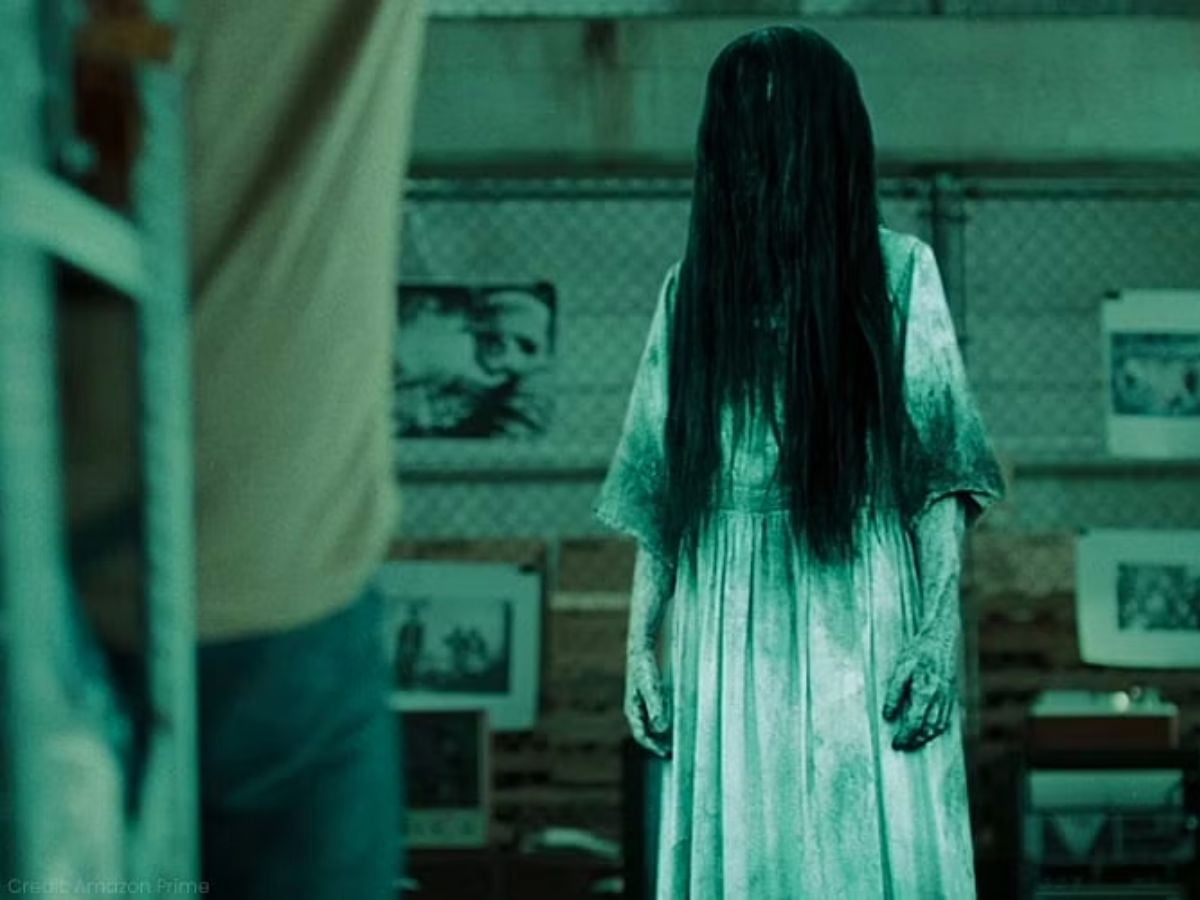
If Hollywood ever gets the opportunity to make a boatload of cash without doing any real work, then you can bet your backside that’s what they’ll do. In 2002, Gore Verbinski directed Naomi Watts, Martin Henderson, and Brian Cox in The Ring, a questionable remake of the Japanese horror film Ringu, and Western audiences went bananas for a creepy girl crawling out of a TV set. As soon as the first box office receipts were in, the success opened the floodgates for lazy executives to have their fill.
A slew of English-language remakes of Japanese horrors followed in the next few years, with The Grudge, Dark Water, Pulse, and many more getting the substandard reboot treatment. The West has always had trouble remaking Eastern movies, but the Hollywood conviction that they can knock out a bunch of quick and easy rehashes have only made things worse. This trend was nothing more than a cash grab and was only ever going to end one way.
LoveFilm

As soon as watching movies outside the cinema was made possible, the home release market turned into a massive part of the film business.
From the early days of videotape to the streaming boom in which we currently find ourselves, there’s a constant race to find the next best way to deliver content into people’s living rooms. Established in 2002, the UK-based company LoveFilm seemed to have triumphed by offering a simple service: DVDs delivered to your door. Subscribers could choose from a range of titles, watch them, and then send them back, which, for a short time, was very successful.
Unfortunately, by the time LoveFilm established itself, physical media was on the way out. Digital downloads and later streaming were on the horizon and would quickly make anything that came on a disc obsolete. The company tried by starting their own digital service, but they couldn’t compete with the likes of Netflix and iTunes. In 2011, the monolithic Amazon purchased LoveFilm, eventually folding the brand into their own ‘Instant Video’ platform, whose final form would be Amazon Prime. They had had a good run, but it was never going to last.
Any of William Castle’s mad ideas
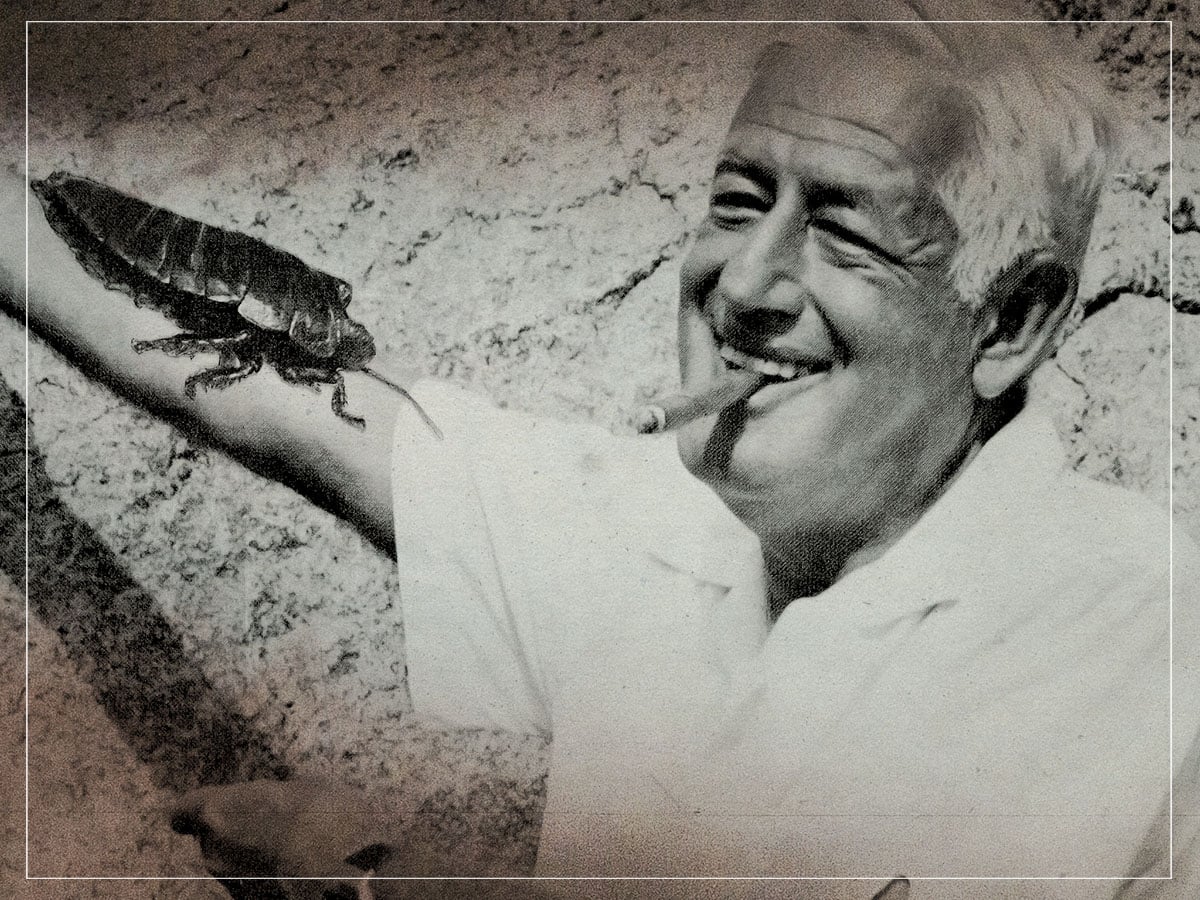
William Castle was part lunatic, part genius, all crazy.
His biggest impact on the genre of horror was producing Roman Polanski’s seminal Satanic chiller Rosemary’s Baby, but before that, he was best known as a purveyor of some of the wackiest gimmicks cinema has ever seen. He was a talented director, but his movies were often given low budgets and limited advertising space. In an attempt to get people through the doors, he made sure that watching one of his films would be a truly unique experience, for better and for worse.
Let’s look at his 1959 film The Tingler. Castle rigged certain seats to vibrate wildly during the plot’s climax, sending ‘tingles’ up certain audience members’ unsuspecting spines. In his 1961 film Homicidal, he included a ‘fright break’ to allow petrified punters the chance to leave and get a refund before things got too scary. These ideas are all fantastic and a testament to Castle’s creativity, but they were always going to be viewed as cheap gimmicks.
This sort of promotional tactic wasn’t sustainable long-term, as viewers wised up to the various tricks. Still, it’s fabulous to read about and really makes you romantic about a lost era of moviegoing.
Paris Hilton

In 2003, hotel heiress Paris Hilton got very famous, all thanks to…well, we don’t need to get into that now. Suddenly, it wasn’t just fancy galas and reality TV that was available to her. She could basically do whatever she wanted. Unfortunately for all of us, what she wanted to do was act. Between 2002 and 2010, Hilton appeared in about a dozen movies and TV shows in the hope of diversifying her portfolio. All this venture actually achieved was making lots of people very sad.
She appeared in a remake of the horror movie House of Wax, in which her performance was about as lifelike as one of the mannequins. She starred in and served as executive producer for National Lampoon’s Pledge This!, a film with a rare 0% on Rotten Tomatoes. Then there’s the worst of them all, 2008’s The Hottie and the Nottie. You can read about that one in your own time. To spare Ms Hilton’s feelings a little, this entry actually encompasses all non-actors who think they can just waltz into a film set and let their famous name do the rest. She was pretty bad, though.
