


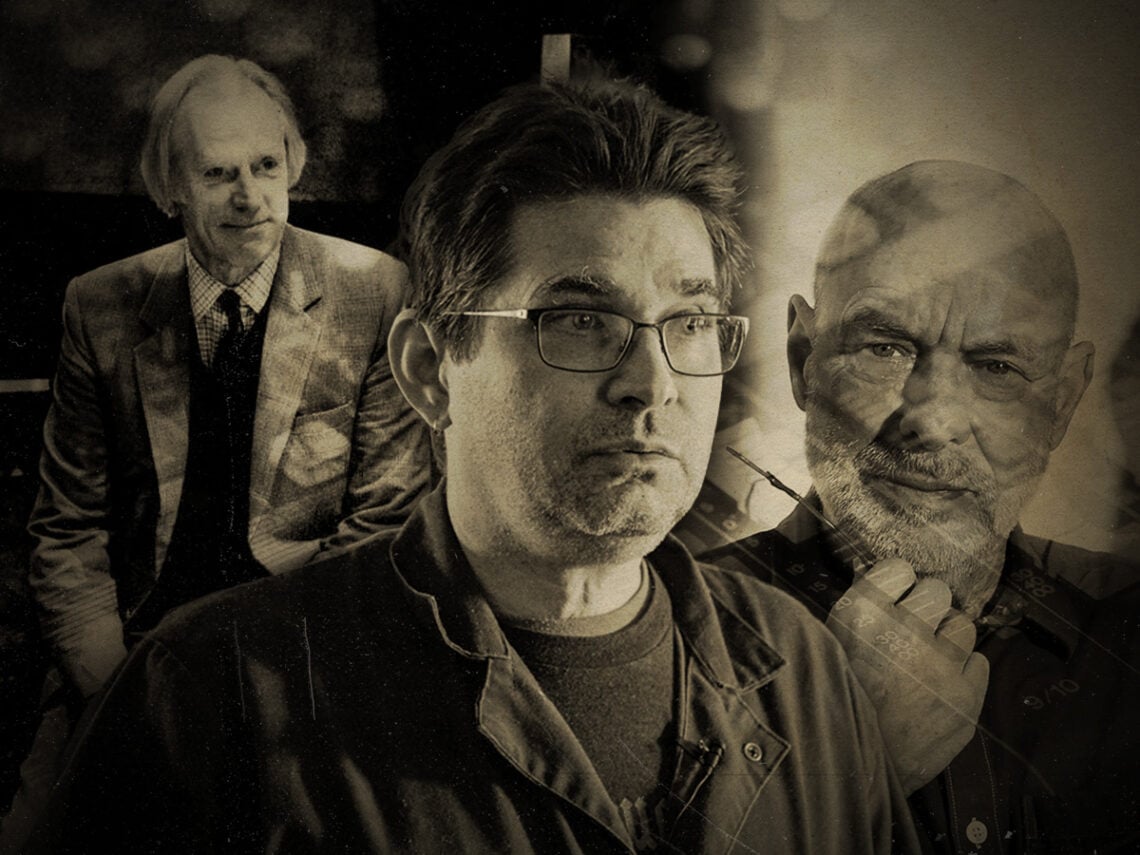
Five producers who helped make amazing rock bands

If any band has an ‘extra member’, you can bet money that such a tag will land on the producer.
It’s a nebulous role that can mean all kinds of things and lean into wildly different approaches. Perhaps the band just needs a solid gearhead who knows the mixing desk inside out and could likely do the engineer’s job too, eager to leave their sound capture to a technical authority. Perhaps they need a fellow musician, someone who can easily jump on a piano or capably sketch out a tune for a group struggling to realise their material in the demo. Or, maybe an artist is stuck in a musical rut, seeking the services of a zen guru to prod the left side of the brain and coax new and intriguing ventures to wander down.
Such disparate practices can just as easily spark studio clashes as winning albums, but when the right producers are recruited for the right band, magic can certainly be captured. It’s the producer that grapples with the material and trims away the flab, ensuring a positive atmosphere, orients a band to consider the endurance of their work, and simply runs a well-organised ship with schedules met and budgets managed. It’s no small feat, and sometimes unsung except for the few who manage to carve as much a stature in the rock and pop canon as the world heavyweights they share the studio with.
Staying firmly in the world of rock, we take a look at just five who proved instrumental in shaping and propelling some of the biggest bands on the planet to greatness.
Five producers who helped make amazing rock bands:
Robert ‘Mutt’ Lange
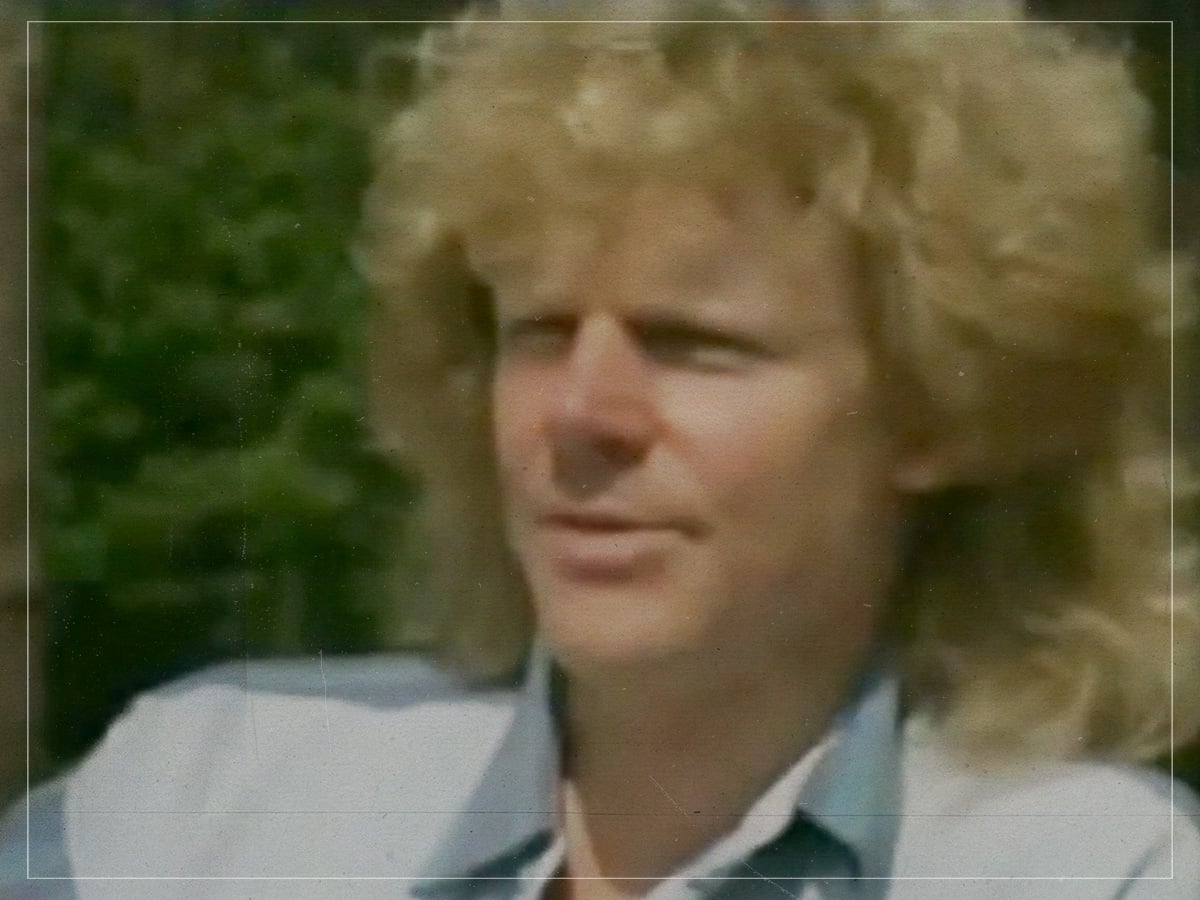
There’s no question that AC/DC owe their global hard rock conquering to Robert ‘Mutt’ Lange. Playing the club circuits since their days back in Australia, it was Lange who further boiled down their meat and potatoes riff attack to potently powerful blasts of hooky, proto-metal swagger. Sitting in the producer’s chair for their classic Highway to Hell, Back in Black, and For Those About to Rock We Salute You, Lange’s purification process on the Aussie clod rockers proved the essential ingredient in ensuring the timelessness of their heyday’s material.
He’d work similar wonders on Def Leppard, treating 1987’s Hysteria like a rock Thriller and viewing every track as a potential single to mammoth sales, then years later would lend his popcraft to Shania Twain’s monster-selling, Come on Over, counting that and AC/DC’s Back in Black as two albums in the ten biggest-selling of all time with his production credit. As Muse, The Cars, and Lady Gaga would attest, if you need big, blustering pop bombast aiming to hit hard after the 100th listen, Lange’s the man.
Nigel Godrich
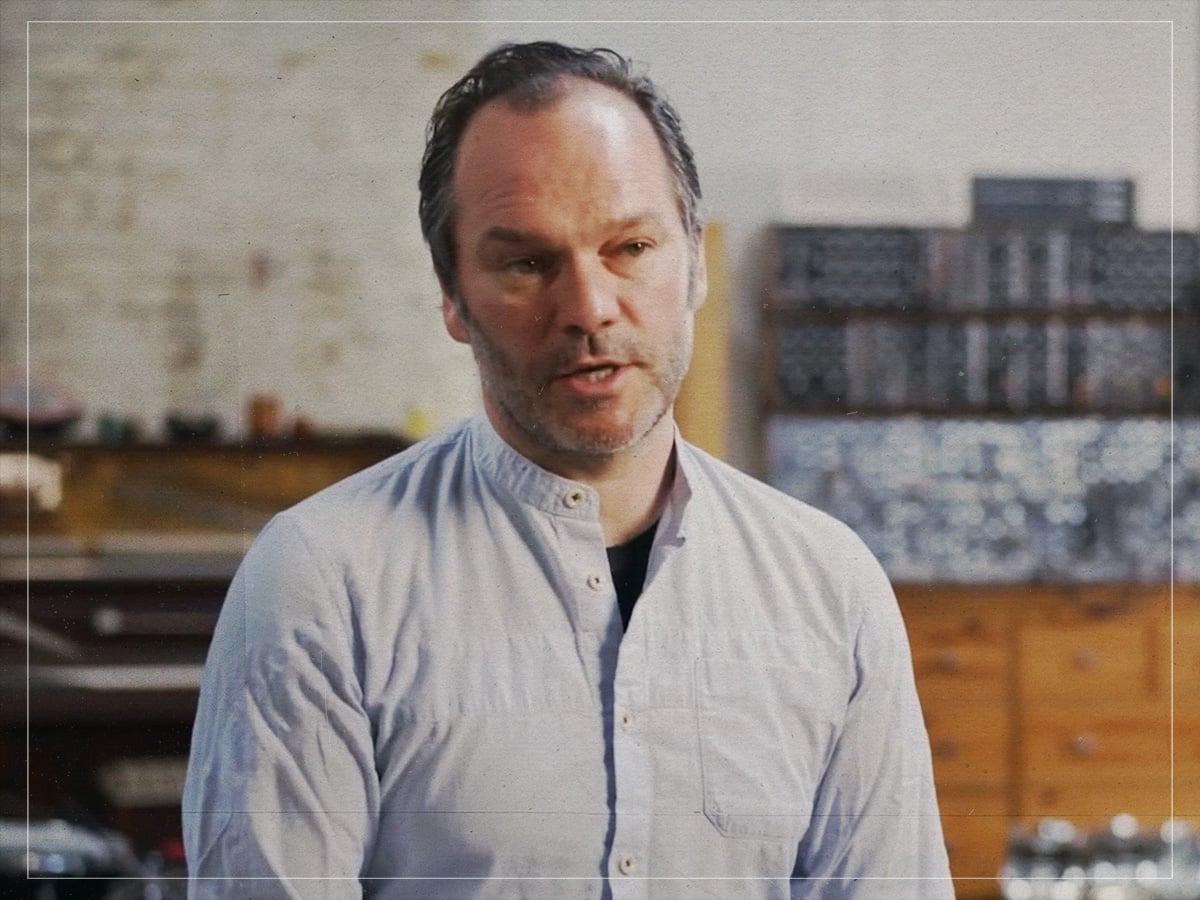
Often, a band will seek to pursue a new producer to stave off stagnation or avoid lapsing into artistic comfort zones. Others, however, simply put the years into developing an almost telepathic understanding of each other’s roles and nurture that ‘click’, yielding a best practice and finest work. Nigel Godrich is such a producer. First crossing paths in 1994 as an engineer during The Bends sessions, Godrich has stood as a decades-long mainstay across all future Radiohead releases, including frontman Thom Yorke’s plethora of solo efforts and side-projects.
He’s all things at once. A deft layerer of rich and immersive textures, able to plunder Radiohead’s mountainous bulk demo recording and spot where the jewels lie, and, reportedly, a good bloke who knows how to keep the morale high when the pressure’s on. An essential component to Radiohead’s electric alchemy, Godrich just about nudges longtime visual stylist man Stanley Donwood as the Oxford art-rockers ‘sixth member.’
Steve Albini

The Electrical Audio honcho always preferred the recording engineer title, but a producer’s list would be remiss not to include the late Steve Albini. Burnished in the Chicago punk underground, a fervently DIY ethos guided his studio practice right up to his death in 2024, from rejecting royalty payments, never crossing creative lines with a band’s style, and treating a fringe indie group’s debut EP with as much reverence as the rock royalty under his watch.
A mastery of sonic abrasion and an intimate tension imbued in the aural dynamism organically bouncing off all the instruments with organic volatility, thousands of artists signed up for the former Big Black frontman’s studio touch. An Albini credit acts as a marker of integrity, the likes of Nirvana, Pixies, PJ Harvey, The Stooges, Joanna Newsom, and SUNN O))) all boasting their most rewarding records with the old curmudgeon’s unmistakable, aesthetic stamp.
Brian Eno

He’s almost become a byword for any band’s leftfield muse, but Brian Eno indeed exists in the rock and pop canon as many an artist’s key coaxer of unorthodox vitality, able to push a band out of a rut and into new creative territory. His credit on any album or project makes clear a process, exercises in prodding the left side of the brain, plenty of sessions tipping out the gubbins blocking artistic intuition, and always possessed with his knack for sonic sculpting.
Such conceptual guidance would work wonders on David Bowie’s ‘Berlin Trilogy’ – produced by Tony Visconti – Eno’s methods would pull everybody from U2, Coldplay, Devo, and John Cage to seek his services. It’s the three LPs with Talking Heads that cemented his production guru reputation. Across More Songs About Buildings and Food, Fear of Music, and Remain in Light, David Byrne’s idiosyncratic songcraft would find the perfect marriage with Eno’s thick atmospheres and plunder of Afrobeat polyrhythms, the two camps unleashing some of the finest art-pop of the new wave era.
George Martin

Legend has it that when The Beatles played their audition session at EMI Studios back in June 1962, a professional chat about their equipment and musicality ended with George Martin asking if there was anything they didn’t like. Lead guitarist George Harrison quipped back, “Yeah, I don’t like your tie.”
Far from a severe reprimand and a bridge burning with the Parlophone label, a hearty laugh broke across all parties and forged their enduring creative unit there and then. A down-to-earth character coupled with a classically trained background and capable knowledge of the avant-garde would prove essential in realising the Fab Four’s pop ambitions across nearly all of their output until finally winding down in 1970. Did Paul McCartney need a string arrangement? Martin would compose ‘Eleanor Rigby’s stirring violin, viola, and cello octet. Was John Lennon after a psychedelic extravaganza? The EMI bigwig deployed his former electroacoustic tricks learned with the BBC Radiophonic Workshop to translate ‘Tomorrow Never Knows’ lysergic collages.
The shirt and tie studio man was the consummate professional that The Beatles needed, always able to grapple with a far-out idea, no matter how removed he was from the day’s counterculture. Across the Fab Four’s dazzling songbook, it’s Martin who stands as the essential pair of hands who helped the Fab Four pull high art and the pop medium that bit closer together during their dizzying seven-odd years together.
