


Five overused songs that nobody needs to hear in a movie again

A fantastic soundtrack can be a real game-changer for a movie, turning a good scene into a great one.
The problem is, once a song proves to be successful in a movie, it won’t take long until it rocks up in another film, trying to manipulate you into feeling the emotions you felt when it played in the previous one. Yet, when a song becomes so iconic within a film that has already been released, it’s never going to have the same effect when it crops up in several more; it just gets old.
That somehow doesn’t stop plenty of movies from recycling the same songs, even if they do just play into clichés. It’s always disappointing when you’re watching a good movie, only for it to fall into the safety of one of the most popular classical pieces of all time, or riffing off a famous musical moment that already exists. Where is the originality? How is anyone going to remember your film when you’ve used the same song as everyone else?
So, from classic rom-com hits to overdone classical numbers, here are five songs that we’d be happy never to hear in a movie again.
Five overused songs that movies need to retire:
‘This Will Be (An Everlasting Love)’ – Natalie Cole

There’s nothing quite like watching an old romantic comedy and hearing ‘This Will Be (An Everlasting Love)’ by Natalie Cole, standing as a track full of nostalgia and longing for a life like those in girly chick flicks, where true romance and friendship can be found, but I’m afraid if one more film uses Cole’s song, its magic might start to disappear.
The song, released way back in 1975, long before it was co-opted by ‘90s and ‘00s rom-coms, can be heard in While You Were Sleeping, although it’s perhaps best known for its feature in The Parent Trap, with the track serving as the opening and closing credits theme. Following that, it cropped up in the likes of A Cinderella Story, Bride Wars, and Charlie’s Angels: Full Throttle, becoming one of cinema’s most ‘rom-com’ songs.
‘Kung Fu Fighting’ – Carl Douglas
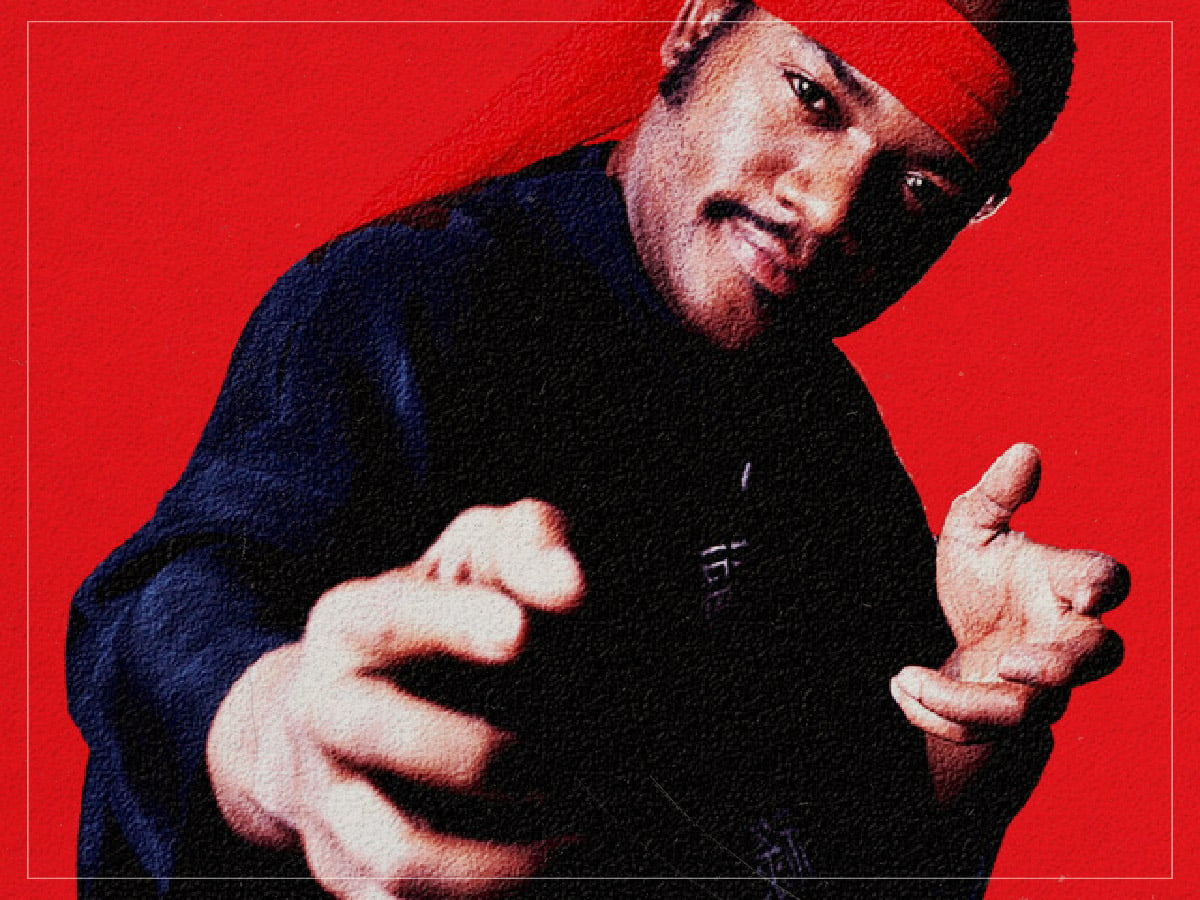
‘Kung Fu Fighting’ was a proper one-hit wonder when it was released back in 1974 by Carl Douglas, but unfortunately, the track, which features that classic ‘Oriental riff’, as it’s known, has been repeatedly used on the big (and small) screen ever since. It’s the ultimate cliché, usually used to parody martial arts in comedies and family-friendly movies, and Cee-Lo Green and Jack Black even lent their own version of it to the Kung Fu Panda franchise.
The song has been featured across cinema and television for years, appearing in everything from Beverly Hills Ninja and Daddy Day Care to Epic Movie, Rush Hour 3, Horrible Bosses, and Ma, but it’s hardly a good song, and it’s the easiest way for a filmmaker to express a lack of interest in having original and interesting music on their soundtrack; using a one-hit wonder is hardly a good sign.
‘Rebel Girl’ – Bikini Kill

Don’t get me wrong, I love Bikini Kill as much as the next ‘90s alt-rock-loving feminist, but we really don’t need to hear ‘Rebel Girl’ in another movie or TV show, a track too often used as a cinematic shorthand to depict a rebellious teenage girl who listens to punk, reads Sylvia Plath, and probably rolls her eyes at every single thing her parents have to say. Released in 1993 and produced by Joan Jett (whose ‘Cherry Bomb’ and ‘Bad Reputation’ also fit into this category), ‘Rebel Girl’ has since become the ultimate riot grrrl song.
Unfortunately, it seems like filmmakers and music supervisors are blind to other riot grrrl bands, or even other songs by Bikini Kill, for that matter. You can hear it in Moxie, Itty Bitty Titty Committee, She’s Beautiful When She’s Angry, Orange Is the New Black, Sex Education, and Yellowjackets, to name a few, so it’s really time that filmmakers picked a different angry girl song, for this one has been worn out.
‘Sweet Home Alabama’ – Lynyrd Skynyrd

Lynyrd Skynyrd’s ‘Sweet Home Alabama’ is a classic of the ‘70s, even if it remains a controversial one, where certain single covers carry an image of the Confederate flag. An anthem of Southern pride, the track rallied against several Neil Young songs that the band disagreed with in terms of their stance on slavery, and despite its questionable lyrics, not helped by the fact that the neo-Nazi group Skrewdriver once covered it, the track can be found in many movies.
The big ones include Forrest Gump and 8 Mile, while there was even a whole movie named after the track, starring Reese Witherspoon and Josh Lucas. You can hear the song in family-friendly movies like Despicable Me and Rio 2, while The Girl Next Door, 2003’s The Texas Chain Saw Massacre, Crimson Tide, To Die For, Con Air, Rick and Morty, and How I Met Your Mother have also featured the track. I think it’s high time to pack it in.
‘On the Nature of Daylight’ – Max Richter

In 2003, Max Richter released The Blue Notebooks, an album made in protest of the Iraq War, and its most famous track soon became ‘On the Nature of Daylight’, a stoic, contemplative piece filled with emotive strings that sounded like it was practically designed to get the listener thinking about the saddest things to ever happen to them, to shed a tear for the bitter state of the world. Of course, it didn’t take long for filmmakers to recognise the potential of this contemporary classical piece for particularly emotional scenes.
Since its release, it has been used in countless movies and TV shows, becoming a glaring cliché. From Shutter Island and Arrival to The Last of Us and The Handmaid’s Tale, the incessant repetition of this track has driven it into the ground as nothing more than a manipulative and unoriginal choice. Most recently, it featured at the end of Hamnet, which really is the ultimate embodiment of the film’s trite, Oscar-baiting existence.
