


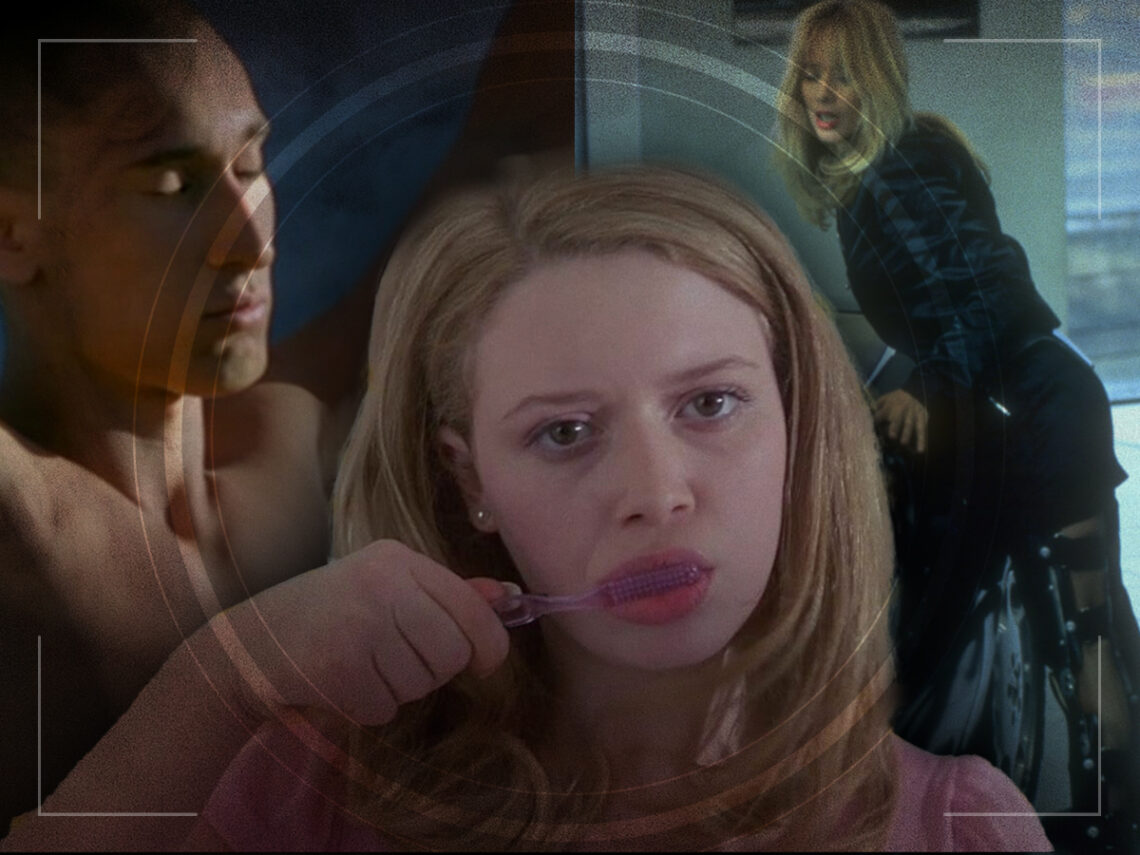
Five movies from the 1990s that were way ahead of their time

The 1990s were a tumultuous time for everyone. Capri pants and tie-dye T-shirts ruled our wardrobes, and a number of incredibly problematic films dominated the cinema under the guise of being ‘edgy’ and ‘subversive’. The times were changing, something that was reflected through every aspect of the movies, whether it be the emergence of new digital technology or narratives that mirrored the changing socio-political structures of the real world.
However, while there were many directors who marketed themselves as being the saviours of cinema, viewing their work as symbols of modernity, there were many cases in which the films deemed most groundbreaking were actually incredibly regressive.
Many limiting narratives kept popping up on screen, while some directors worked to counteract these with challenging stories that went against the status quo, even if few people saw them or they only found their audiences many years later.
Most often, the films that slipped under the public radar were the ones that caused the biggest stir, with some genuinely revolutionary stories that caused shock and uproar for all the wrong reasons and are now deemed as masterpieces.
Five 1990s movies that were ahead of their time:
But I’m A Cheerleader (Jamie Babbit, 1999)

While Natasha Lyonne might now be one of the most out-of-touch people in Hollywood after creating an AI film studio, the actor used to be at the forefront of creative innovation after her star-making performance in But I’m A Cheerleader.
Directed in 1999 by Jamie Babbit, the film is a satirical fever dream about a teenage girl called Megan whose parents suspect she is a lesbian, carting her off to a ‘sexual redirection’ school where gays are taught to be straight. Megan is completely shocked, because after all, she is a cheerleader. With killer supporting roles from RuPaul (with the exceptional line of “I myself was once a gay”) and Julie Delpy as a hot lesbian, it is both incredibly self-aware and cutting in its commentary on the cruelty of conversion therapy and the way straight people view queerness. It expertly toes the line between tragedy and comedy, emphasising the absurdity of it and ending on a high note as Megan escapes the camp and embraces her queer identity.
Beau Travail (Claire Denis, 1999)

I have gushed about Beau Travail an almost ungodly number of times, but there is no such thing as too much praise when discussing the genius of Claire Denis’ 1999 masterpiece. Beau Travail is a mesmerising portrait of masculinity, order and repression, carefully framed through Denis’ subtle lens in which every image feels brutal yet delicate at the same time.
The men are shot in an almost stoic way, defined by their physicality and slowly becoming trapped by the masculine cage. However, Denis contrasts this with soft imagery that shows their simultaneous vulnerability, adding a tenderness that reminds us of the humanity they are being pushed away from and the duality within us for both. We see these beautiful, delicate men and their pursuit of intimacy through aggression, where the simple act of peeling a potato or having your head shaved by another becomes the only break from the unfeeling facade.
The Watermelon Woman (Cheryl Dunye, 1996)

The Watermelon Woman is one of the most influential films within the canon of queer cinema, exploring intersectional lesbianism in a way that is rarely seen even today. The film follows a black lesbian filmmaker who begins researching the life of The Watermelon Woman, a 1930s black actress who was rarely credited for often playing the ‘mammy’ archetype.
The result is both hilarious and profound as Cheryl delves through Black history on screen while also navigating the choppy waters of her own romantic life, exploring the intersection between the personal and political as she untangles the many threads that have led to this woman being erased from Hollywood history. It is an incredibly authentic and incisive film that looks at what it means to be left behind and how the erasure of Black history affects the identities and relationships of people today.
Crash (David Cronenberg, 1996)

David Cronenberg has always been a master provocateur, but Crash is perhaps the best example of this, merging sex with the grotesque to create a strangely erotic commentary about the violence of modern living. The director is often known for merging both territories together, looking at a grey area in which sex, death and violence all coalesce, leading to physical transformations that become a living embodiment of the liberation we long to feel.
While many of his films shock audiences, Crash was both a pivotal moment within his career and the wider history of cinema, defining a subgenre now known as technoporn as he blurs the differences between bodies and machines, evolving into one carnal being that thrives and is turned on by its own mutilation. In a world obsessed with technological progression, Cronenberg looks at what happens when we drift so far from humanity that machinery and metal become a replacement for love and sex, with the characters pushing themselves to new heights to find any feeling of pleasure in an increasingly isolated world.
Mary Jane’s Not A Virgin Anymore (Sarah Jacobson, 1996)

Female sexuality has always been a contentious and taboo subject in cinema, especially when it comes to teenage girls and the sexual coming-of-age experiences that we often see on screen. We’ve seen countless first-time narratives in which girls are coerced or manipulated into sex, either shamed into doing it when they don’t really want to or having a bad experience that leads them to become disinterested in sex entirely.
Given that male directors often reiterated damaging narratives about female sexuality, Mary Jane’s Not A Virgin Anymore was hugely ahead of its time in showing a young woman who commits herself to the mission of having good sex after her disastrous first sexual encounter in a graveyard. It was incredibly rare to see teenage girls with agency in their sex lives, who were often portrayed as having no control or autonomy in their romantic lives, simply submitting to the demands of the boys around them and not being proactive in what they want. The film was too controversial at the time of its release to be picked up for wider distribution, with the male perspective of sex being prioritised as stories like Jane’s were deemed too radical, with the sight of a woman asserting sexual agency being too much to handle.
