


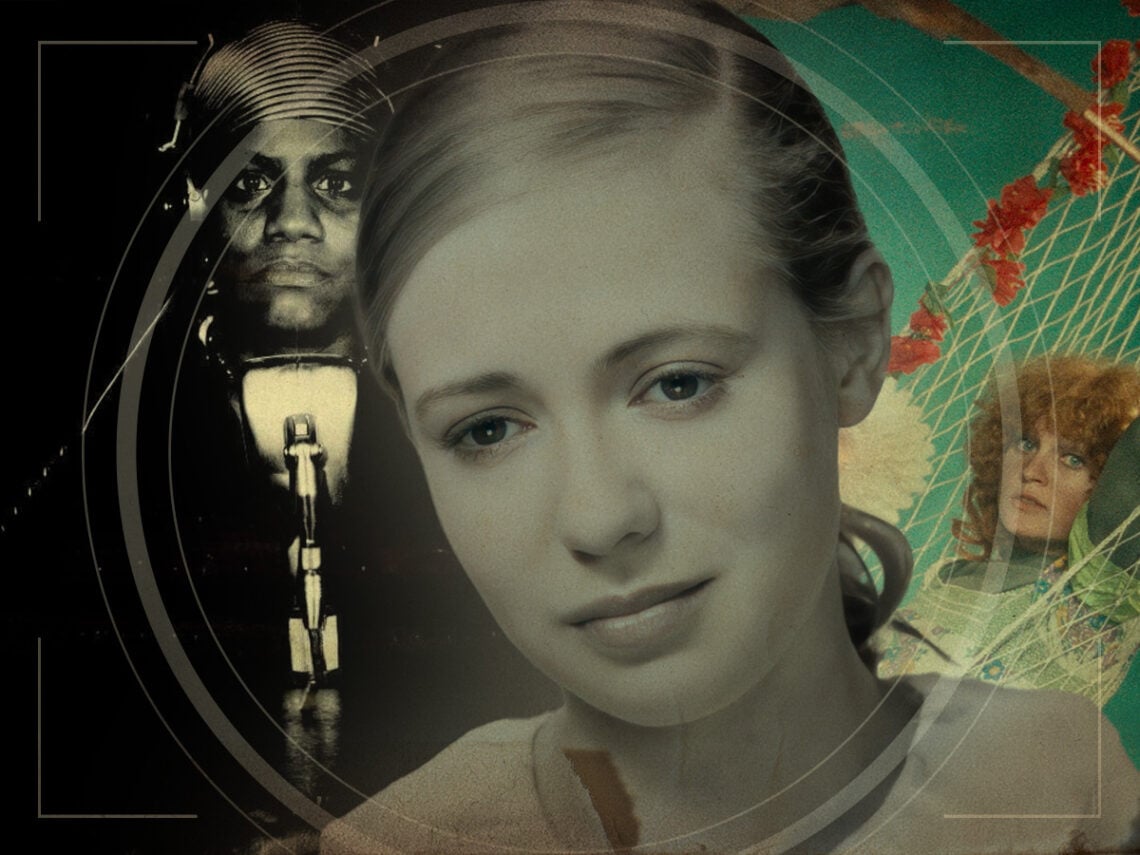
The five most underrated yet essential feminist movies

It has never been as easy for women to make movies as it has been for men. Interestingly, the first filmmaker to ever make a narrative film was a woman—Alice Guy-Blaché —yet, since then, women have been widely discouraged from becoming directors. Guy Blaché’s contributions to cinema were incredibly pioneering, but she was soon overshadowed by the likes of Georges Méliès and DW Griffith, fading into the background of cinema history for many years.
Throughout the decades that cinema has thrived as a medium, female directors have been few and far between, with men seemingly running a monopoly over the industry and discouraging women from becoming visual storytellers. For centuries, women have been discouraged from becoming artists – patriarchal society demands adherence to expected roles like being a mother and a housewife – so, for a long time, it has been rare to find a female director, let alone a female writer, producer, or cinematographer working in the industry.
While this has slowly begun to change, the lack of female filmmakers has led to a disparity in the kinds of stories depicted on screen. Male directors have long categorised women into stereotypical tropes, objectified female characters, and presented rather one-dimensional explorations of women’s issues, ignoring the first-hand experiences of women from all backgrounds. Yet, it’s these stories, when consumed by audiences from all walks of life, that educate us and inspire empathy, creating a landscape where marginalised people can perhaps be understood.
Moreover, female audiences want to be able to identify with the characters they see on screen. Thus, we’ve picked out five underrated movies, all directed by women, that tell distinctively female stories, from the intersectional and fiercely political Born in Flames to the surreal avant-garde world of The Seashell and the Clergyman, directed by the queer experimental filmmaker Germaine Dulac back in the 1920s.
Five essential feminist movies:
Madchen in Uniform (Leontine Sagan, 1931)

Based on a play by Christa Winsloe, who also adapted her story for the big screen, Mädchen in Uniform is a seminal entry to the queer canon, with director Leontine Sagan taking us to an all-girl boarding school where a young student falls for her female teacher. The German film features an all-female cast, with Sagan, one of the country’s first female directors, lending a tender eye to create an emphatic and beautiful film about identity, coming-of-age, anti-authoritarianism, and repression.
The movie was banned by the Nazis after they came to power two years later, but Mädchen in Uniform has since become a landmark film, both in the world of feminist filmmaking and queer cinematic visibility. Rarely is a tale of lesbianism given adequate space to be told, and rarely are they so delicate and understanding of its subjects. The film communicates what it means to grow up in a world where a specific path is laid out for women, even though many feel like their desires stray from this predetermined destination.
The Seashell and the Clergyman (Germaine Dulac, 1928)

We often talk about Man Ray or Salvador Dali when it comes to early surrealist artists, but what about Germaine Dulac? Born in 1882, the filmmaker made many early feminist movies, like The Smiling Madame Beudet and The Seashell and the Clergyman, both of which are fantastic pieces of silent experimental cinema that communicate Dulac’s dissatisfaction with the status quo, with the latter using incredibly unique techniques like quick editing, shadows, and the isolation of various images.
In fact, The Seashell and the Clergyman is recognized as the first surrealist film, coming before Un Chien Andalou. Dulac uses these experimental techniques as a feminist statement; as the male protagonist lusts after a woman, surreal imagery saves her from his lecherous, pathetic grasp. Haunting and beautiful, the film is an early feminist masterwork that has managed to baffle viewers for almost a century.
One Sings, The Other Doesn’t (Agnes Varda, 1977)

Abortion wasn’t made legal in France until 1975, with women fighting for their right to accessible healthcare for years beforehand. In 1971, Simone de Beauvoir wrote The Manifesto of the 343, highlighting the many women who had undergone illegal abortions in France, which Agnes Varda signed. The filmmaker was a huge advocate for abortion, and in 1977, her movie One Sings, The Other Doesn’t directly explore the topic, following two young women as they attempt to secure money so one of them can have an abortion.
The film charts the pair of friends as they grow older, experiencing motherhood, grief, new relationships, and protesting for abortion rights. The power of friendship and female community is continually highlighted, with Varda using her film to illuminate the necessity of allowing women the right to choose.
Born in Flames (Lizzie Borden, 1983)

Clocking in at just 80 minutes, there’s no excuse not to watch Lizzie Borden’s striking and defiant manifesto Born in Flames, which imagines a feminist uprising in New York. Made with a shameless DIY sensibility, Born in Flames feels real and raw, communicating the desperate urge for female liberation in a world supposedly operating peacefully. Ten years after a revolution that has left New York supposedly equal, the women in the film express their concerns via pirate radio, highlighting the deep-rooted issues that have prevented a true sense of harmony for all.
Born in Flames takes into consideration a variety of women with a desire to enact change, exploring issues like racism and homophobia alongside sexism. Blending genres like sci-fi, documentary, and crime with a fierce feminist message, Borden crafts a world where women come together to help one another fight against the prejudices of men, even if that means resorting to violence. It’s a powerful film that still remains terribly underrated, and with its references to countless issues that are still relevant today, like police brutality, it still carries a particularly poignant weight.
Daughters of the Dust (Julie Dash, 1991)

In 1991, Julie Dash made cinematic history by becoming the first African-American woman to release a feature film that would receive widespread US distribution. It’s shocking that it took so long, but with Daughters of the Dust, Dash was able to present the kind of story that had been missing from Hollywood. Taking audiences to the early 1900s, the movie focuses on several generations of Gullah women, celebrating their lives as some of the family prepare to migrate further North.
Using a non-linear structure, Dash creates a gorgeous and poetic landscape as family members offer differing opinions on the opportunity to relocate from the island they call home. The filmmaker once said, “I always wanted to make films about African American women. To tell stories that had not been told. To show images of our lives that had not been seen.”
Daughters of the Dust depicts the opinions and experiences of several generations of Black women, with Dash proving her brilliance as a filmmaker by using experimental techniques to capture the beauty of her story.
