


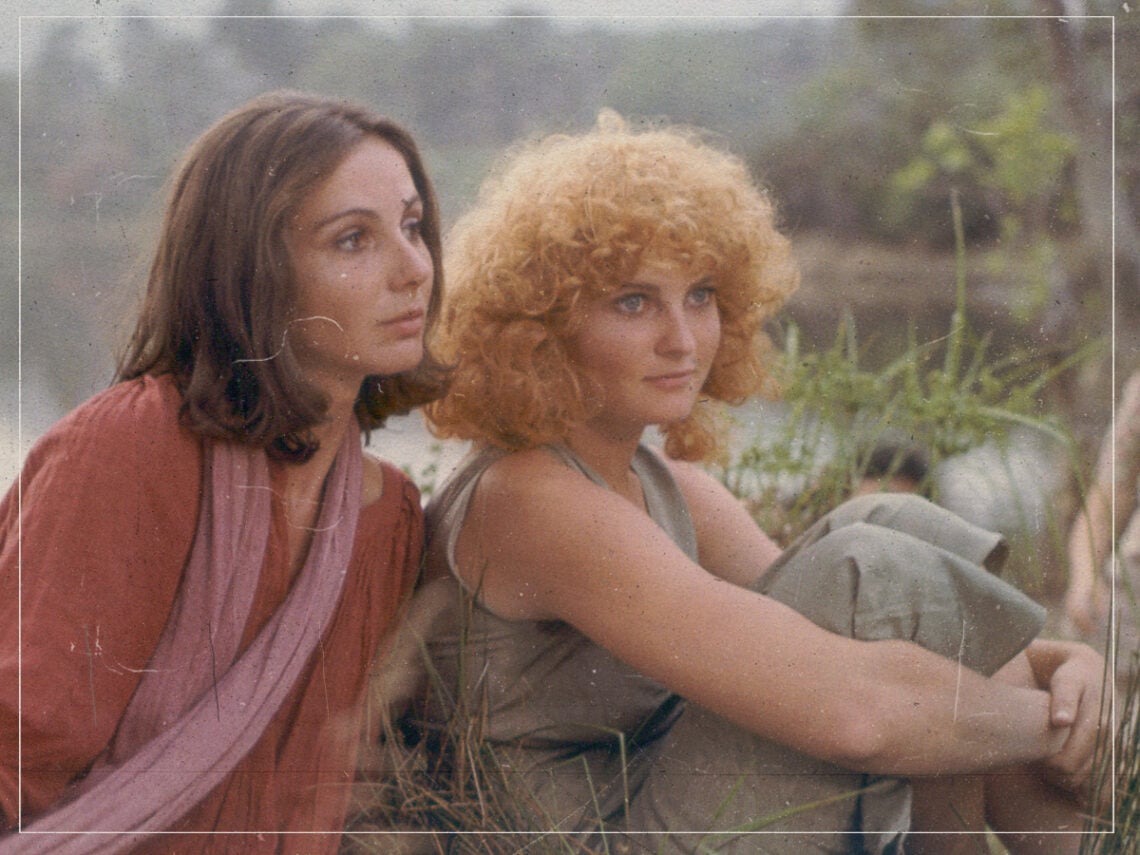
‘One Sings, The Other Doesnt’: Agnès Varda’s revolutionary exploration of reproductive rights

The French New Wave’s influence over modern cinema cannot be understated – from its championing of low-budget filmmaking, free from the bounds of studios, to its frequent foray into overtly political themes. Agnès Varda was the only female filmmaker who formed part of the French New Wave, becoming one of the movement’s most profound and important voices.
Varda started her career in filmmaking in 1955 with her debut movie, La Pointe Courte, made despite the fact she had only ever seen one movie until this point. Thus, her approach to cinema was untainted by the influence of other films, instead drawing from her career as a photographer.
However, the ‘60s allowed Varda to become one of France’s most celebrated filmmakers with the additions of Cleo from 5 to 7 and Le Bonheur to her repertoire. These were both examples of Varda’s staunchly feminist approach to filmmaking, exploring the objectification of women at the hands of the male gaze and the desire for liberation.
As the quest for women’s rights gained steam due to the rise of second-wave feminism in the late ‘60s and ‘70s, Varda’s output became even more concerned with explicitly exploring feminist issues, such as abortion. Varda was an advocate for reproductive rights, signing the Manifesto of the 343 in 1971, declaring that she once had to undergo an unsafe illegal abortion.
Inspired by her own experiences of motherhood, abortion and a desire for safe reproductive healthcare for all women, Varda made One Sings, The Other Doesn’t in 1977, just two years after abortion was finally made legal in France.
The film is one of Varda’s finest achievements, charting the lives of two women as they experience motherhood, grief, friendship, community and relationships. We meet Pauline (who later changes her name to Pomme) when she is a teenager, helping an old acquaintance, Suzanne, to find the funds for an illegal abortion. The pair become friends before drifting apart due to a series of events, such as the suicide of Suzanne’s partner.
However, once reunited ten years later, the pair keep in contact via postcards, and the film charts their experiences of motherhood in the coming years. Pomme and her boyfriend Darius welcome a child, although their relationship soon begins to suffer. Meanwhile, Suzanne helps other pregnant women at her own clinic, and at one point, this includes Pomme, while trying to find love again.
Varda’s film is gorgeously shot in vivid colours and is best watched on the largest screen you can find in order to soak up the rich visuals. Breathtaking shots of Iran, fabulous costumes and set design from Pomme’s performances as a singer, and tenderly framed shots of the friends and their children make One Sings, The Other Doesn’t unforgettable. Varda explored abortion so openly at a time when attitudes towards it were still rather hostile. This was revolutionary, and despite the many hardships the women go through within the film, there is an overwhelming sense of celebration present.
The filmmaker took cues from her husband Jacques Demy (director of The Umbrellas of Cherbourg) and incorporated several musical numbers, although these strictly revolve around motherhood and abortion. Getting her message across accessibly and enjoyably, Varda invites audiences to understand the importance of female solidarity and community, access to safe abortion, and the right for women to take ownership of their own bodies.
By making the film, Varda hoped to reduce stigmas around abortion, demonstrating the catastrophic effects of societal ignorance and hostility within various parts of the film. Always ahead of the curve and unafraid to tackle topics that few others were exploring, Varda proved her unwavering talents with One Sings, The Other Doesn’t.
