


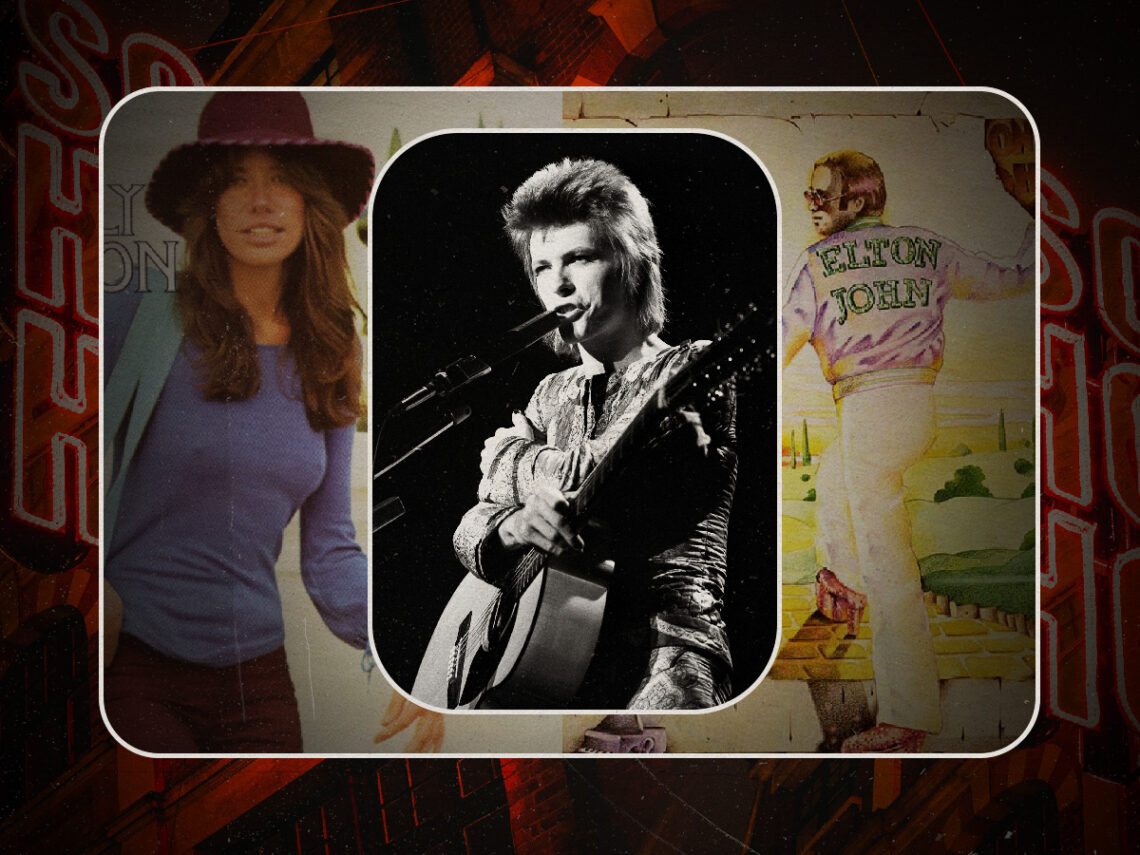
Five iconic classic rock albums made in Soho, London

The changing history of London‘s culture can clearly be traced through the history of one of its most beloved and mythologised suburbs.
Much like its New York and Hong Kong counterparts, Soho acts as something of an epicentre for our capital city, littered with venues, bars and restaurants that have all hosted cultural tales of drama, romance and debauchery. Whatever cultural storm comes crashing onto British shores, you can be sure that Soho will be at the heart of it. In 2026, that might mean Guinness-sipping content creators, scoffing over the latest small plates opening, while in the late 2000s, it meant booze-addled indie stars stumbling out of Groucho’s looking for their next afters; trends come and go, but Soho always remains.
Ultimately, though, it was a precedent set by the much fantasised era of classic rock, and the likely names of the cultural lexicon are the ones responsible for making this tightly packed suburb of our booming capital, the much-loved epicentre of artistic culture.
It was the beating heart of a blues scene that platformed a generation of iconic rockstars in the 1970s and provided a safe environment for liberal and bohemian communities to express themselves without judgment, so naturally, it’s one of the most iconic music neighbourhoods in the entire world, with a string of groundbreaking albums breaking out of its postcode.
Below are the very best five that were not only made in Soho, but recorded in the very same space: Trident Studios.
Five classic rock albums from London’s Soho:
‘No Secrets’ – Carly Simon
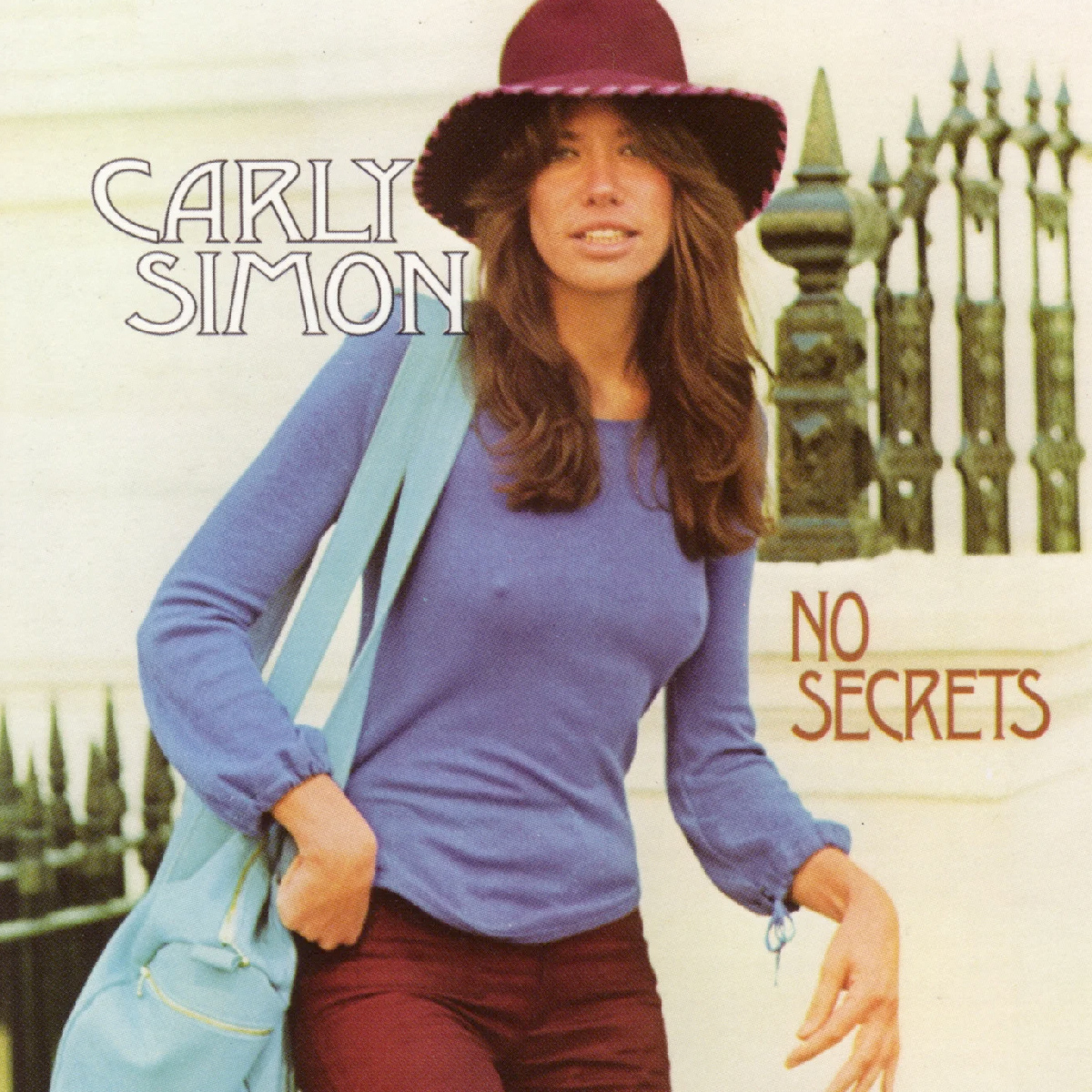
The more you think about it, the more fitting it becomes that Carly Simon’s seminal record No Secrets was recorded in Soho. Famous for the iconic breakup track ‘You’re So Vain’, whose anonymous subject was shrouded in mystery, it feels as though any of the swaggering characters from London’s glamorous neighbourhood could have been the point of reference for the song, one of which was Mick Jagger, a Soho stalwart and rumoured ex-partner of Simon.
After many questioned whether his obvious vanity was a source of inspiration for Simon, she denied it to be true and instead revealed that the London musician was actually present in the studio during recording and laid down backing vocals for the chorus. It was a story typical of the era, where Soho saw a string of famous faces rubbing shoulders both inside and outside of the studio, adding weight to the mythology of the time.
‘Transformer’ – Lou Reed
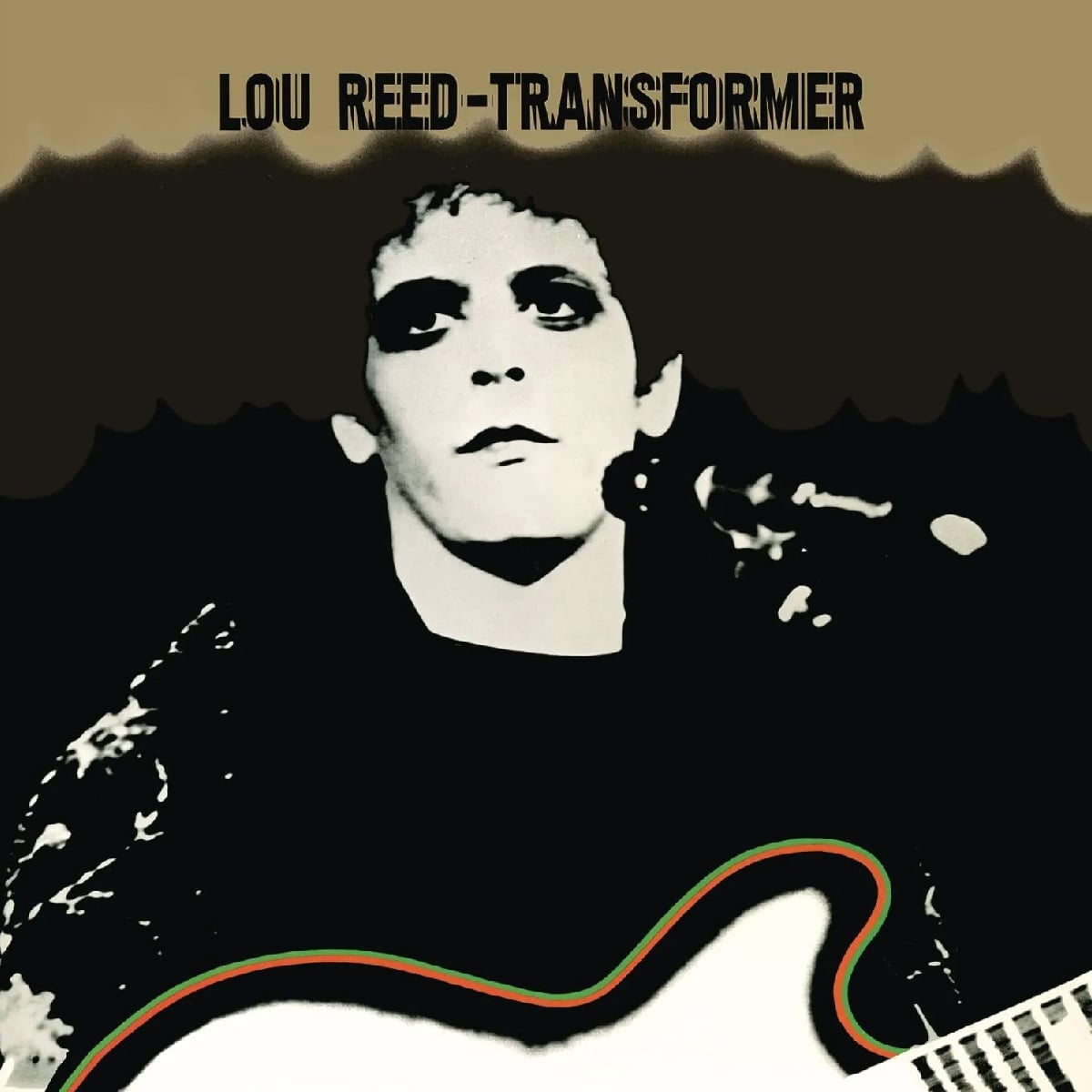
Like his friend, David Bowie, Reed was an adventurous artist, always sniffing out the next great trend that his more limited musical peers hadn’t quite discovered yet. Realising that he had squeezed every drop of potential out of New York come the end of the 1960s, he decided it was time to pack his bags and head to Bowie’s homeland in a bid to evolve his musicianship.
It was a move that reaped benefits for Reed, whose experimental and ambitious sound felt right at home in the liberal streets of Soho, but where Trident really polished his sound was the endless possibilities afforded to him by the studio’s unlimited range of high-end equipment. There, he achieved a somewhat polished sound that he hadn’t before and took his songwriting and production to an entirely new level.
‘A Night At The Opera’ – Queen
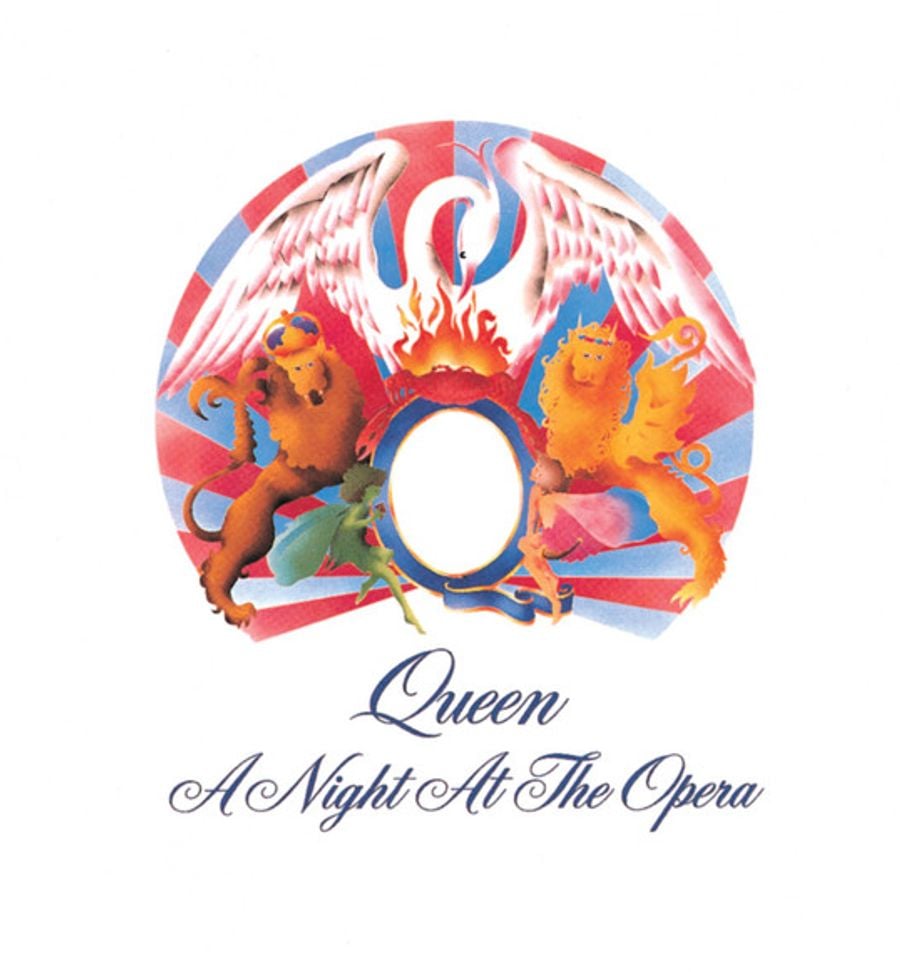
In great metropolitan neighbourhoods, there are countless stories to be told about the various intersecting lives that exist there. When Queen camped out in Soho’s Trident Studios, it’s almost as though they felt it was a musical duty to shine a light on the neighbourhood’s shadowy corners and tell every story that lurks within them.
But unlike the remaining records on this list, the backdrop of Soho provided the subtle tragedy that laced the album. Trident managed the band, controlling their publishing and music rights, and as a result, Queen were left in a financial hole, not even being able to afford a piano, which meant the opulent backdrop of Soho was no place for the band, but they used it to record what was quite simply the album of their life.
‘Goodbye Yellow Brick Road’ – Elton John
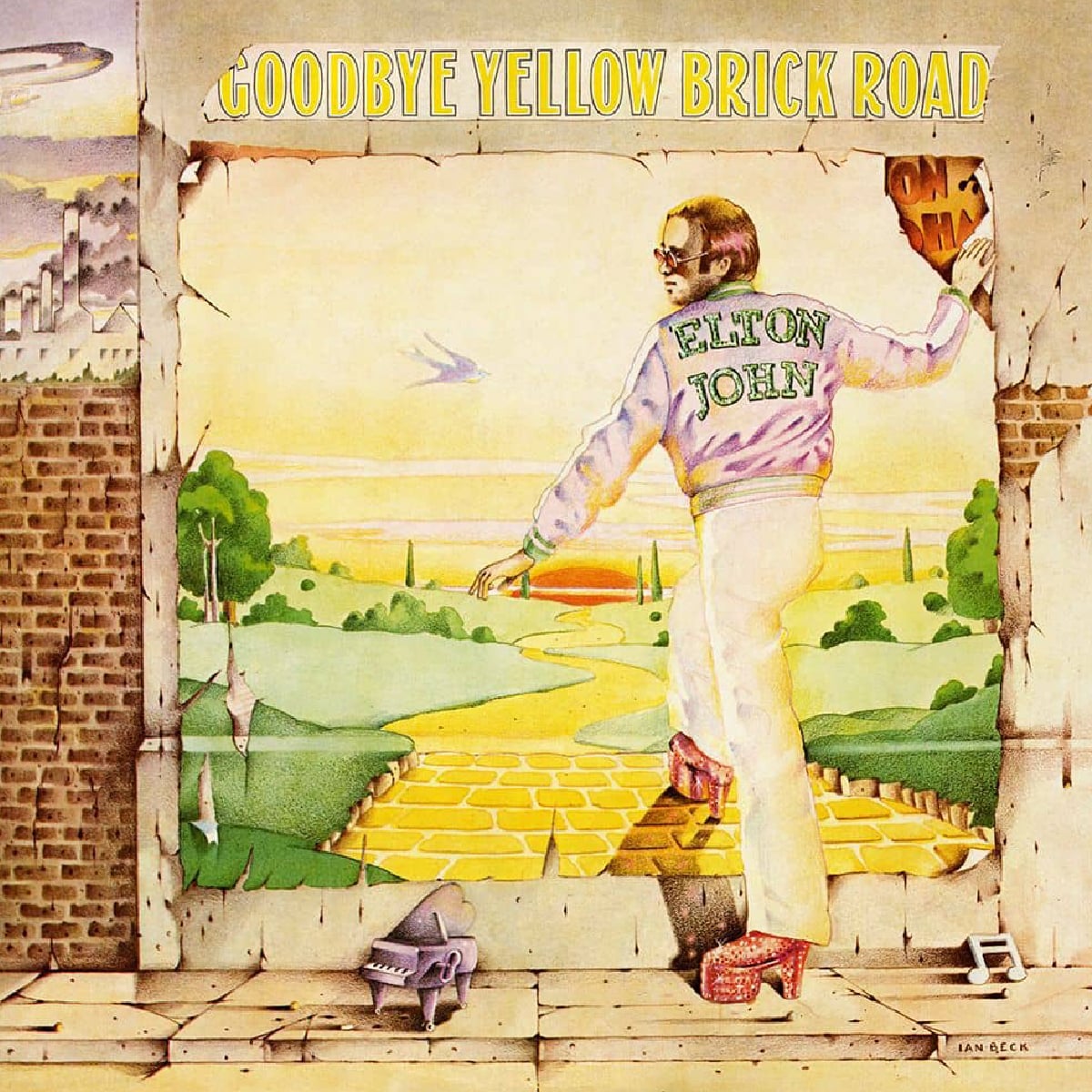
With an early life spent in uncertainty and confusion, swiftly liberated by the freedom of his own artistry, no one quite understood just how freeing music could be better than Elton John, who was destined to make music at the epicentre of Britain’s forward-thinking culture. So, of course, that brought him to Soho in 1973, where outside of the studio he could rub shoulders with the very best of modern art and thrive in the safety of community acceptance; thus, Goodbye Yellow Brick Road is the sound of an artist coming to that realisation and hitting their stride as a performer.
It was at Trident Studios that ‘Bennie and the Jets’ evolved from a humble piano ballad to a jubilant live singalong, fit for the late-night bars littering the street, with the colour and vibrance of the neighbourhood seeping into a record that could only have been made in the eye of a cultural storm.
‘The Rise and Fall of Ziggy Stardust And The Spiders From Mars’ – David Bowie
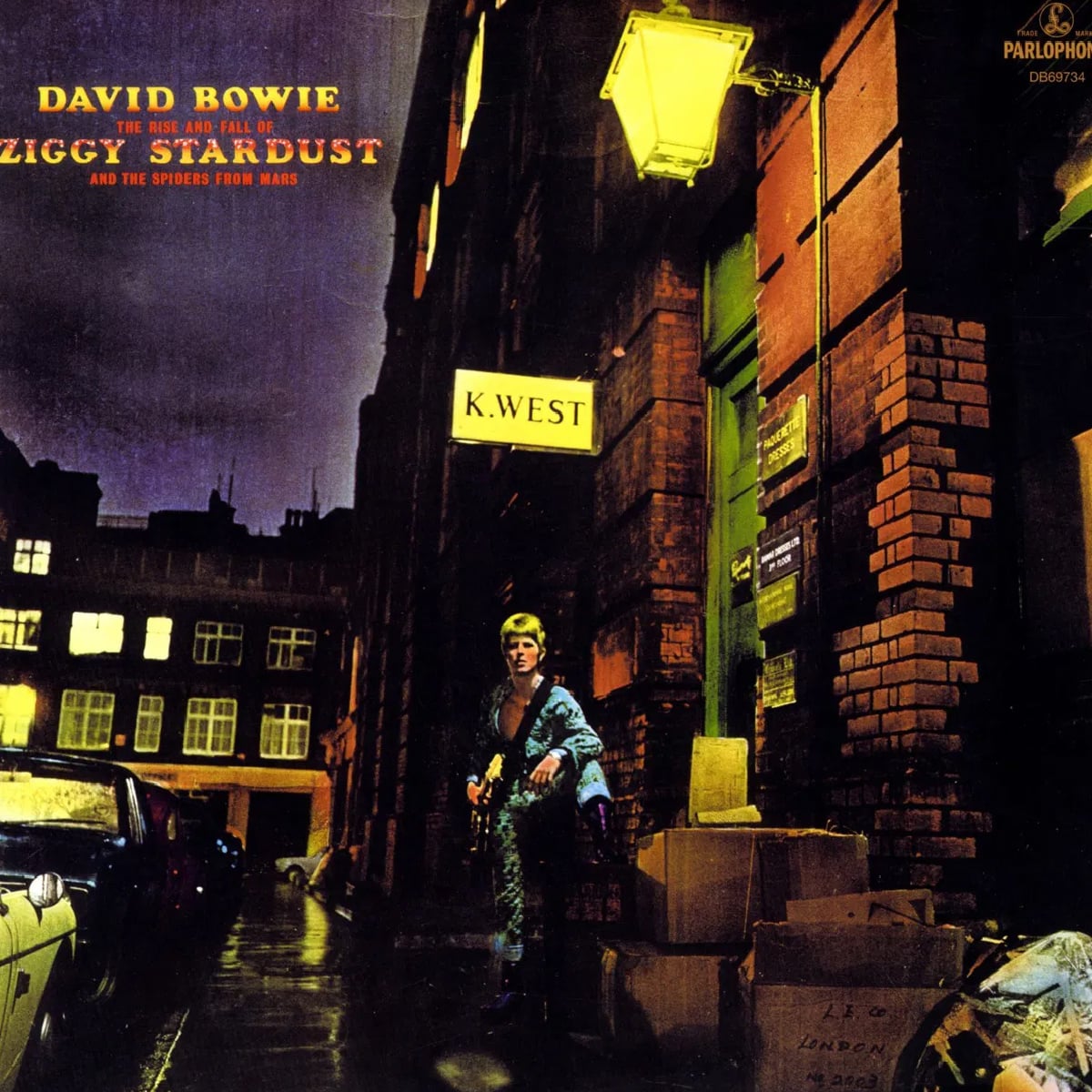
While this album was delivered from Bowie’s outer space alter ego, it was very much born on the cobbled streets of Soho. The album cover pits Bowie in the shadows of Heddon Street, lurking under the late-night vice of the neighbourhood, which sits a mere ten-minute walk away from the studio in which it was recorded. Between those two locations sits a myriad of bars and clubs that made up the iconic Soho nightlife of the early 1970s, where the spirit of glam rock seemed to thrive. He and Marc Bolan would meet at La Gioconda cafe, a spot nestled amongst the music shops of Soho’s beloved Denmark Street, before bouncing into the Marquee Club on Wardour Street, where a string of blues rock heroes were tuning up their guitars for another late-night show.
It was the wonderland of a booming counterculture, and Ziggy Stardust was the fictional character who came of age on its streets, and the charisma, danger and celebration of the neighbourhood can all be heard in this truly iconic album.
