


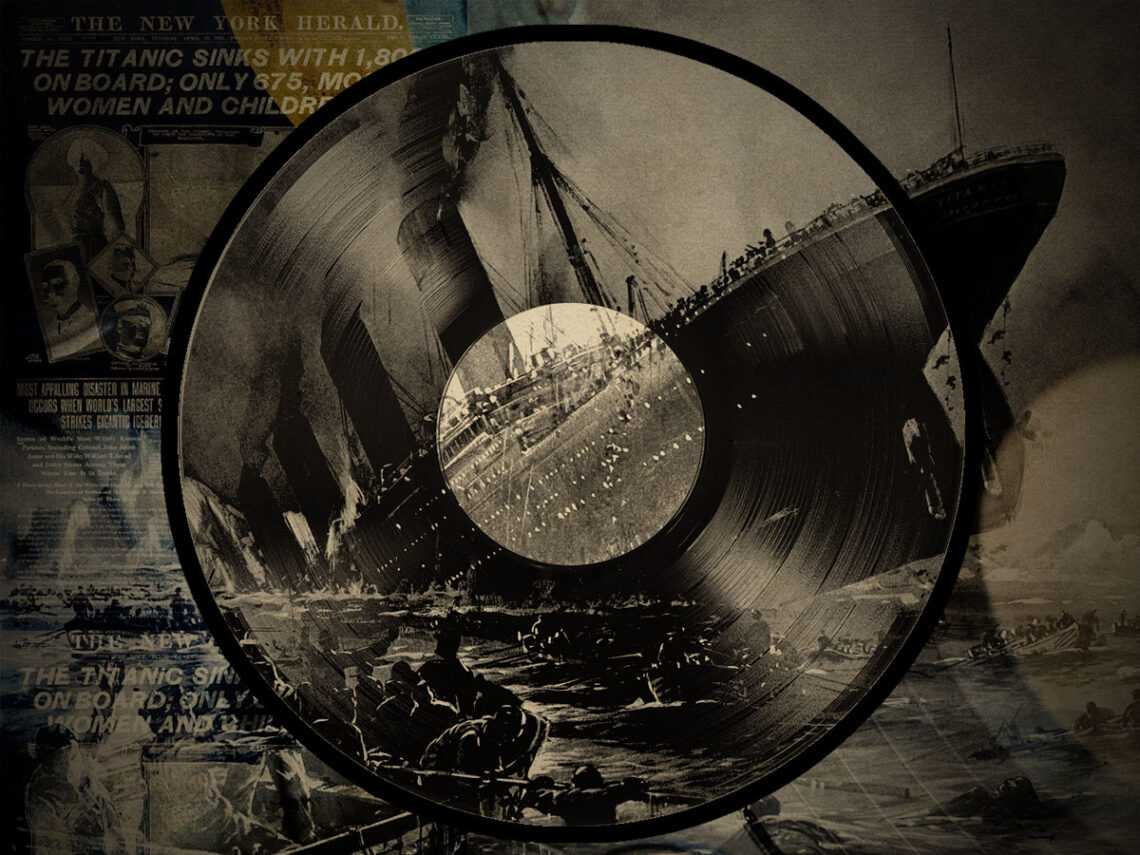
Five classic albums that are now closer to the Titanic sinking than the present date

Your least interesting friend has probably told you at some point that Cleopatra was alive closer to the invention of the iPhone than the construction of the pyramids. At Far Out, the home of all things classic rock, punk, indie and funk, music for young and old, we would never bore you with something so trivial.
Completely unrelated, the Titanic sank over 100 years ago, and that might sound like a long time, well, it is a long time, but the years move differently when you’re talking about music. 100 years suddenly isn’t that long anymore, as important cultural shifts in sound tick by slowly, to the extent that you don’t realise just how old some of your favourite albums actually are.
Producer Jonathan Snipes put it best when he said, “[People] talk about 100 years as if it’s a long time. I think it’s actually still just a blip […] If someone doesn’t really listen to classical music and doesn’t have a sense of music history, [then] if you play them Bach, Mozart, Beethoven and Brahms, they might not be able to tell the difference, even though they’re like years and years apart.”
To show just how quickly time moves in the context of music, these are classic albums which were released closer to the Titanic sinking than the present day.
Five albums released closer to the Titanic sinking than now:
The Who – ‘Tommy’
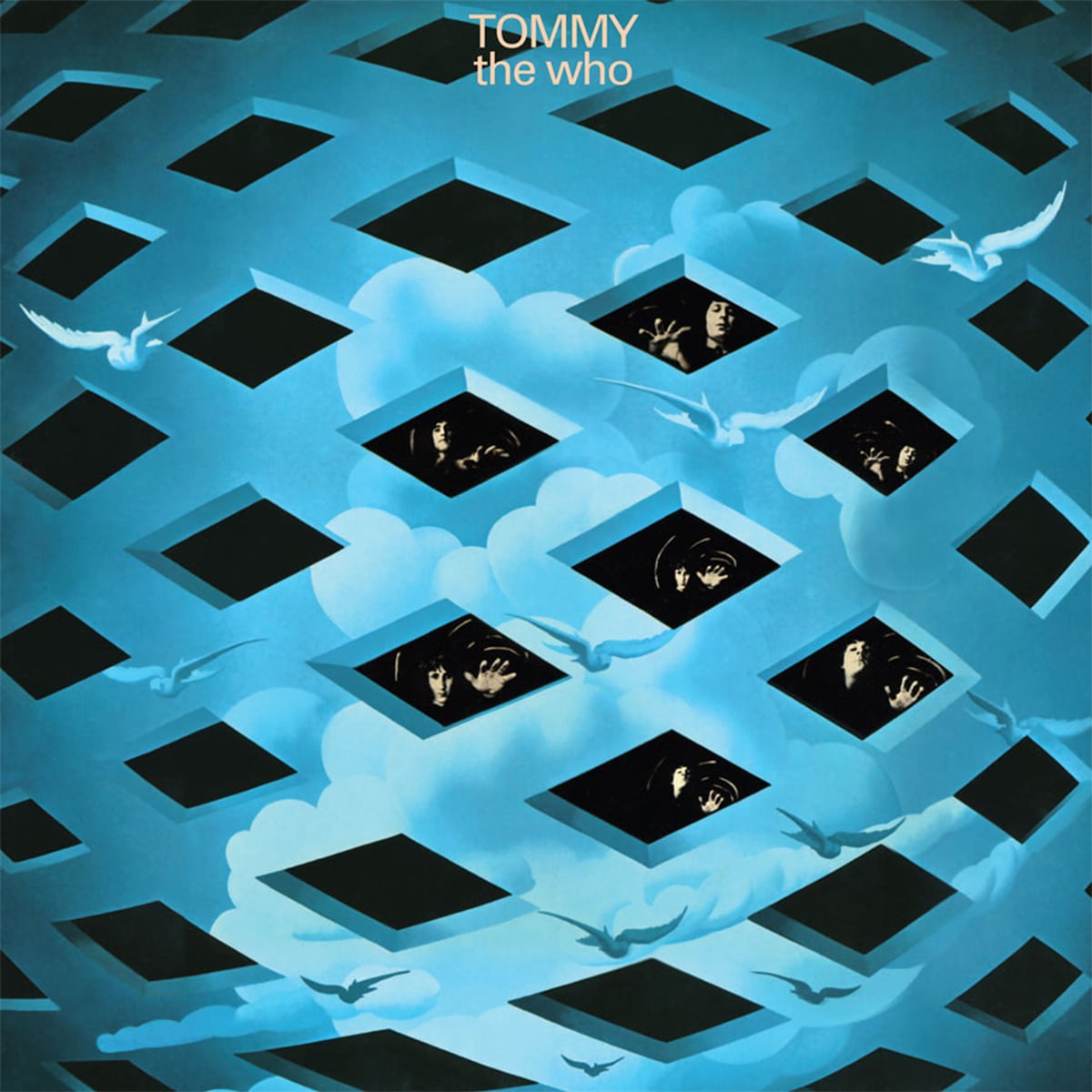
The Beatles added specific boundaries to what was meant by a concept album when they released Sgt Pepper’s Lonely Hearts Club Band, but it was The Who that perfected the idea, as they added such a layered narrative to their albums that they’ve been turned into books, stage shows and films. Perhaps their best conceptual album is Tommy, but make no mistake, despite its timeless nature, this record has been around for ages.
Released towards the back end of the 1960s, this is a record which has been around for a long time, and yet it still blows people’s minds the moment they press play. For an album to have such a clear story but then not to come across as a piece of music written for theatre is a borderline impossible task, but The Who made it look easy with this one.
The Jimi Hendrix Experience – ‘Axis: Bold As Love’
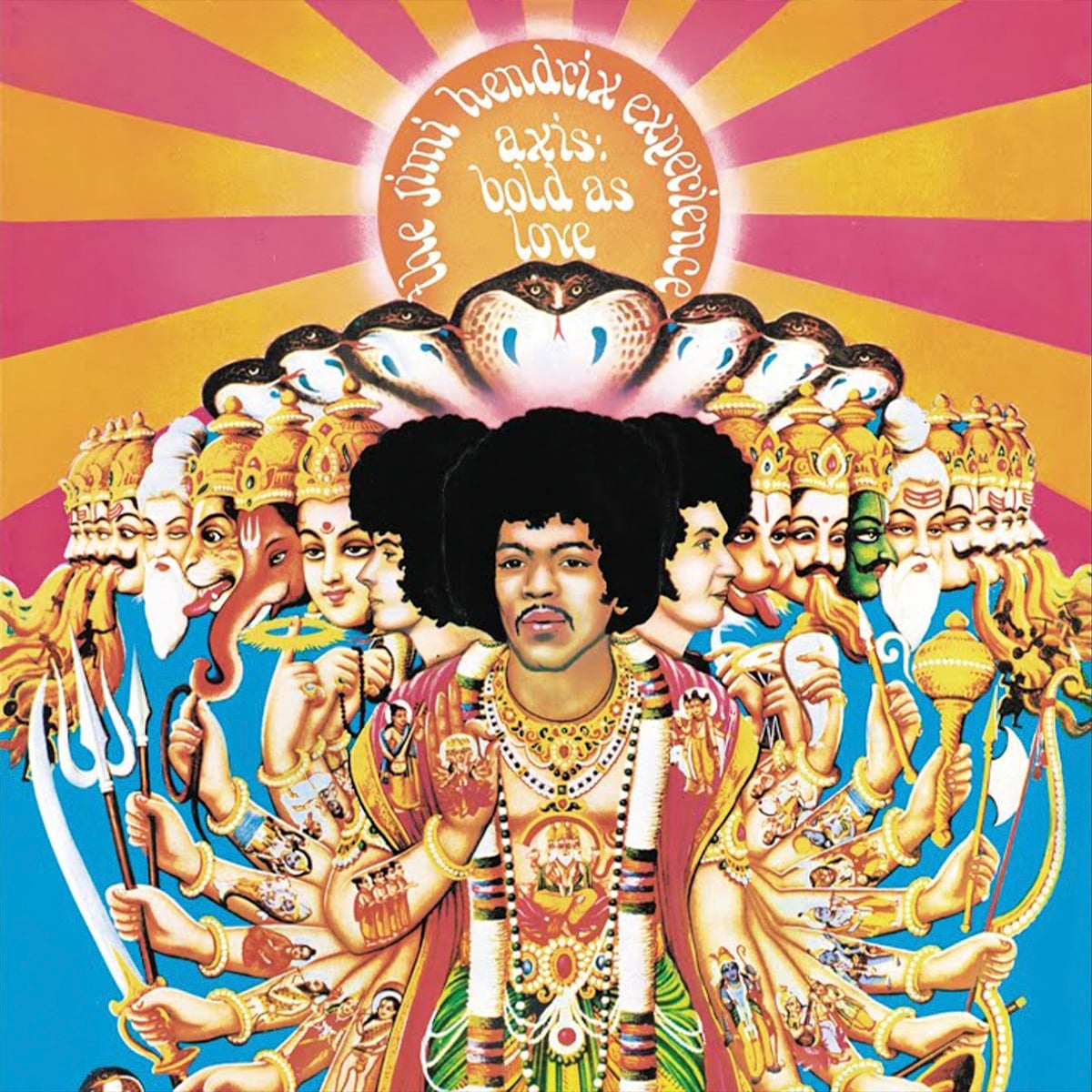
You’d struggle to find anyone who was alive in the ‘60s who went to see Jimi Hendrix and didn’t immediately fall in love with him the minute he played. “Hendrix came out in 1966, and he was probably 20 years ahead of his time,” said Ritchie Blackmore when discussing the guitarist, “What makes him a genius is his phrasing and his originality; his construction of songs, his very innovative riffs, like those of ‘Purple Haze’ and ‘Manic Depression’; his presence on stage. But, oddly enough, one of the things that I think made him so special was his voice, since he never wanted to be a vocalist.”
There are plenty of albums which highlight how brilliant an artist Hendrix was, but one of his most layered, versatile and complex was Axis: Bold As Love. It’s hard to believe that he passed five decades ago, as his sound is still unbelievably fresh and exciting. When you hear guitar solos like the outro on the titular ‘Bold As Love’, it feels as though you’re hearing someone reinventing the way a guitar should be played, but there is no reinvention here, as Hendrix did what he did years ago, and no one has come close since.
Grateful Dead – ‘Live/Dead’
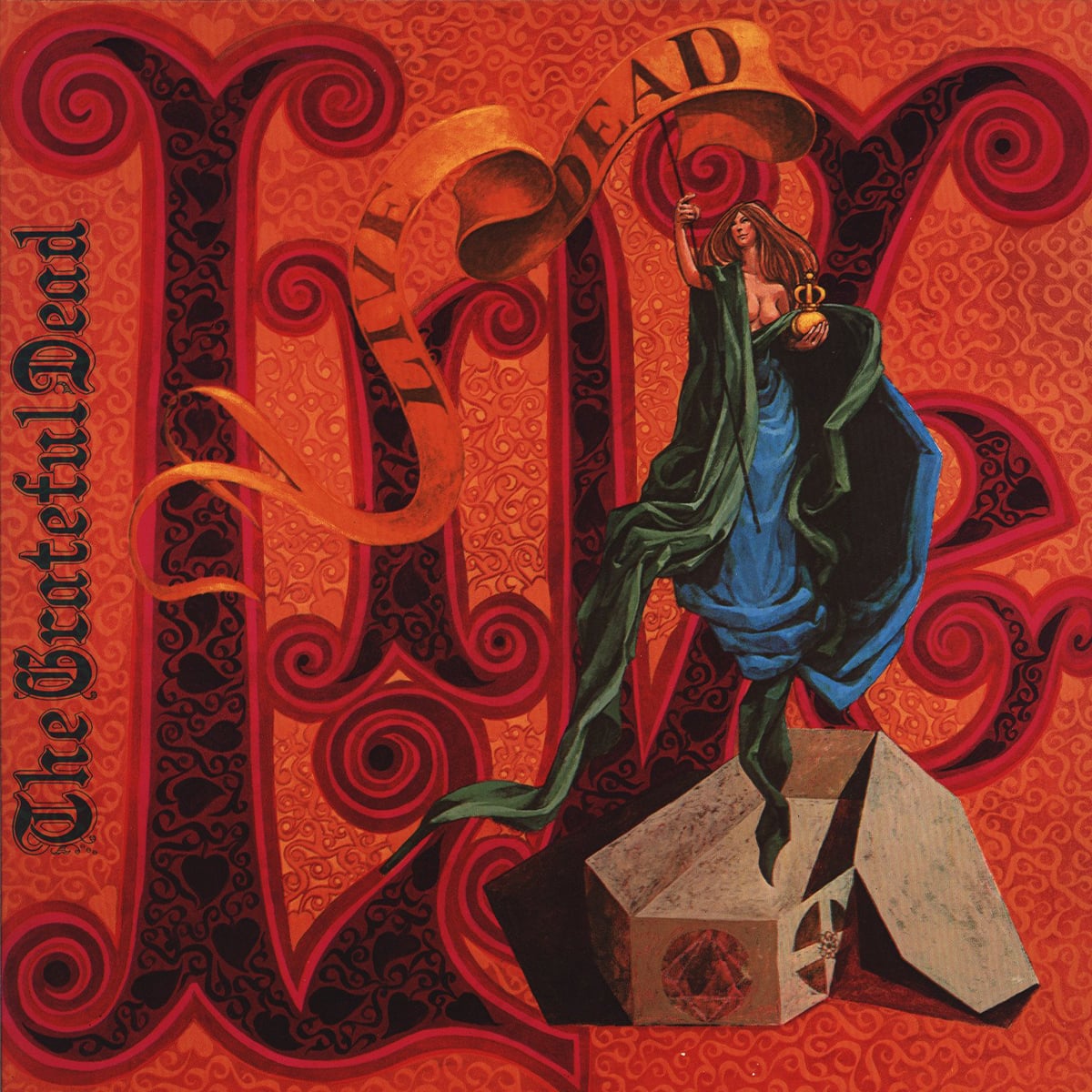
The best live act of all time is obviously a hotly contested topic, as people go to gigs for different reasons. If you want a true-to-form reeling off of your favourite songs, you won’t get it at a Grateful Dead gig, but if you want a bunch of exceptional musicians, spiritually connected and presenting music that only exists in that specific moment, look no further, as they were one of the greatest live jam bands on the planet, and that’s wonderfully represented on their record Live/Dead.
“Live Dead explains why the Dead are one of the best-performing bands in America,” said Lenny Kaye, discussing the record, “Why their music touches on ground that most other groups don’t even know exists […] A list of song titles would mean very little in terms of what actually goes on inside the album.”
Captain Beefheart and His Magic Band – ‘Trout Mask Replica’
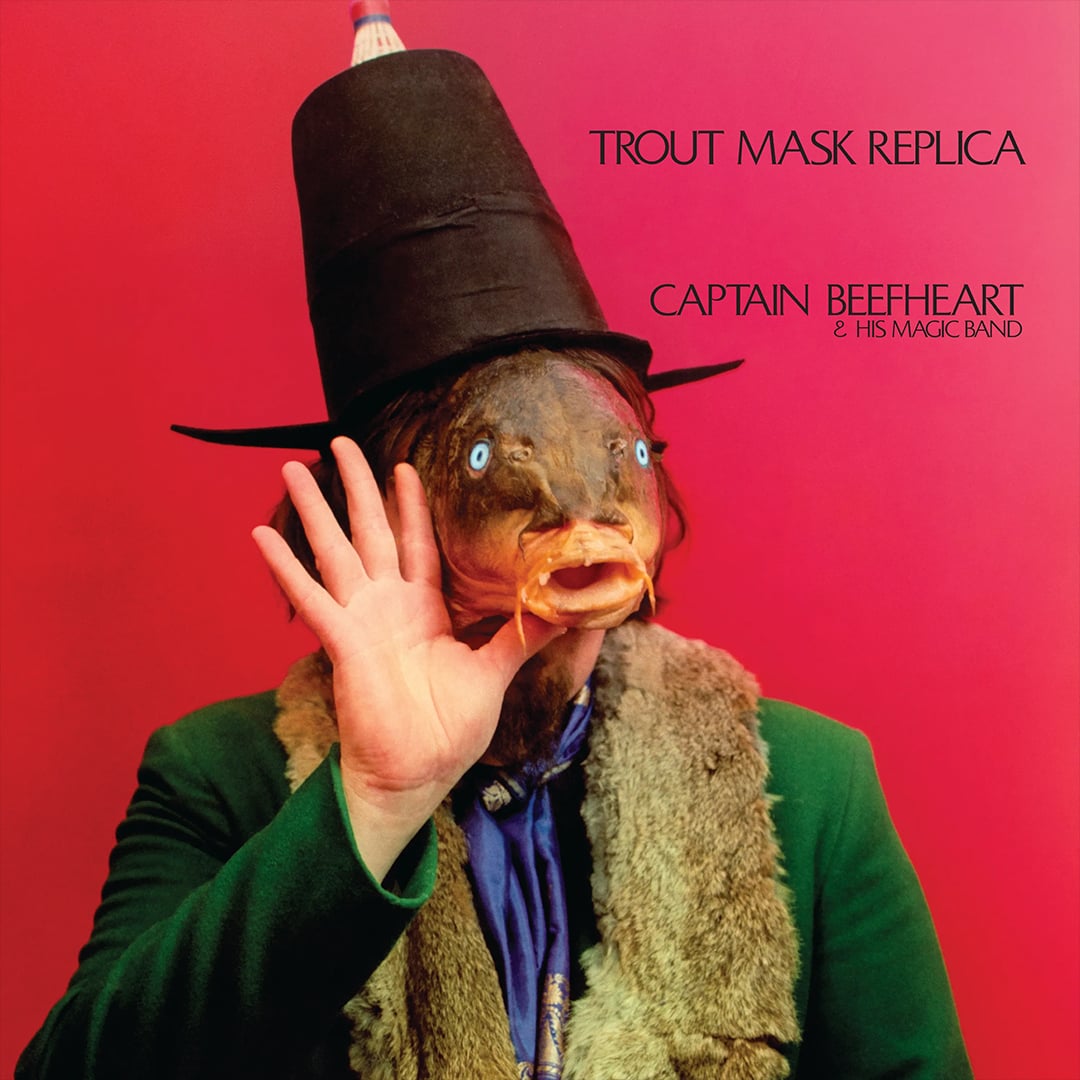
A lot of people think that punk rose from the ashes of a dilapidated Britain, but while society certainly contributed to this raucous sound, there was a lot of music put in place beforehand that also helped its construction. One of those pieces of music was Trout Mask Replica, an album so chaotic that a lot of budding punks heard it and also wanted to make music that borrowed from carnage so freely.
“There’s just so much on this,” said John Lydon, “It’s a double album and by the time you finish it – if you can finish it, you can’t remember what you heard at the beginning. I liked that […] It was anti-music in the most interesting and insane way, like kids learning to play violin, which I was going through at the time. So all the bum notes I was being told off for by the teachers were finally being released by well-known artists. That was my confirmation.”
The Velvet Underground – ‘White Light/White Heat’
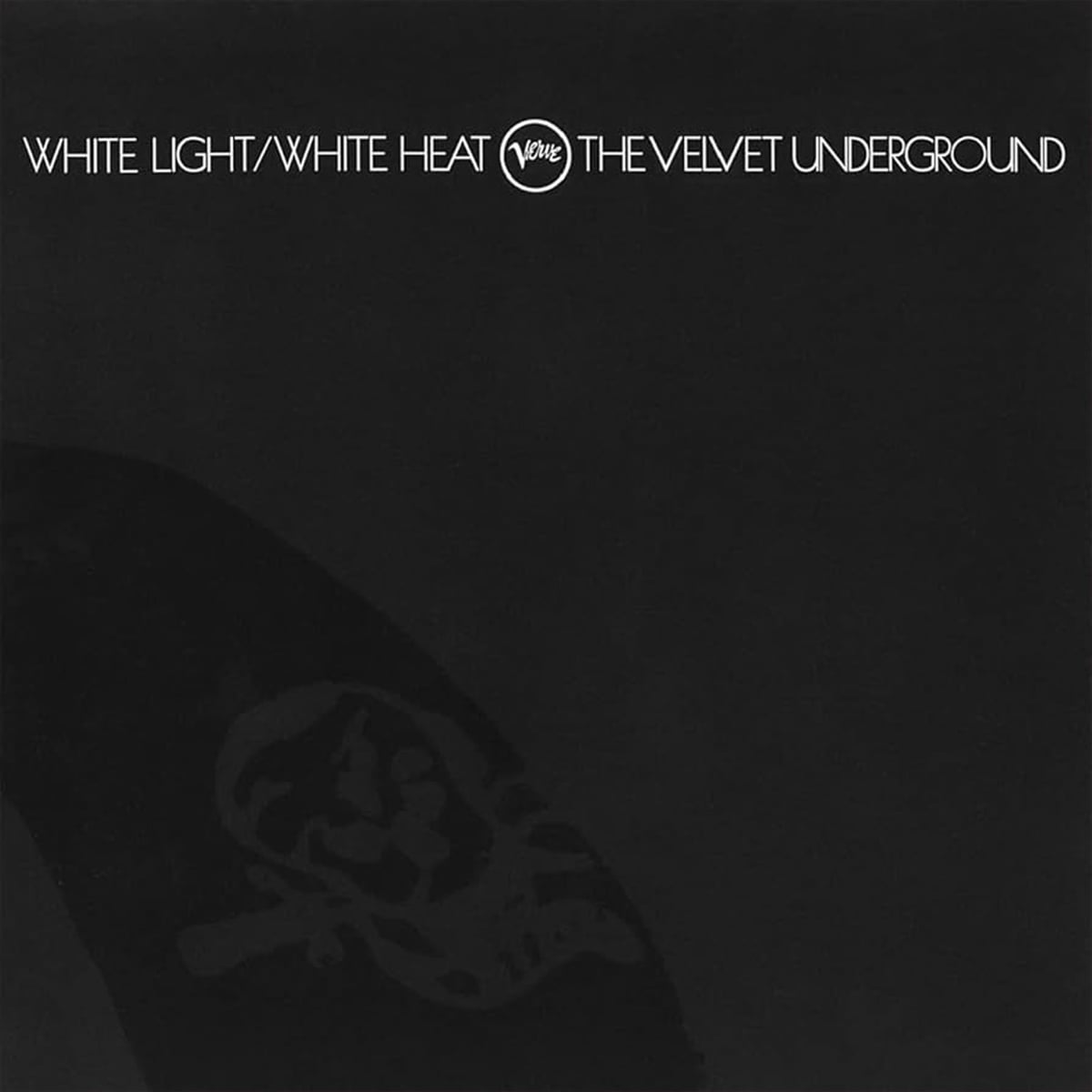
One of the biggest lessons that a lot of modern artists take from musicians who came before them is that you don’t need to strictly stick to one genre, as doing so can stunt your creativity. Artists these days are happy to embrace various styles and sounds without so much as blinking, and this leads to more creative projects across the board. Plenty of artists and bands inspire such freedom, but all of that stems from The Velvet Underground, who still sound cutting-edge despite their music being released so long ago.
David Byrne put it best when he was talking about the unpredictability of The Velvet Underground, saying, “The Velvet Underground were a big revelation. I realised, ‘Oh, look at the subject of their songs: There’s a tune and a melody, but the sound is either completely abrasive or really pretty’. They swing from one extreme to the other. White Light/White Heat is just this noise, and then ‘Candy Says’ is incredibly pretty but really kind of dark. As a young person, you go, ‘What is this about?’”
