


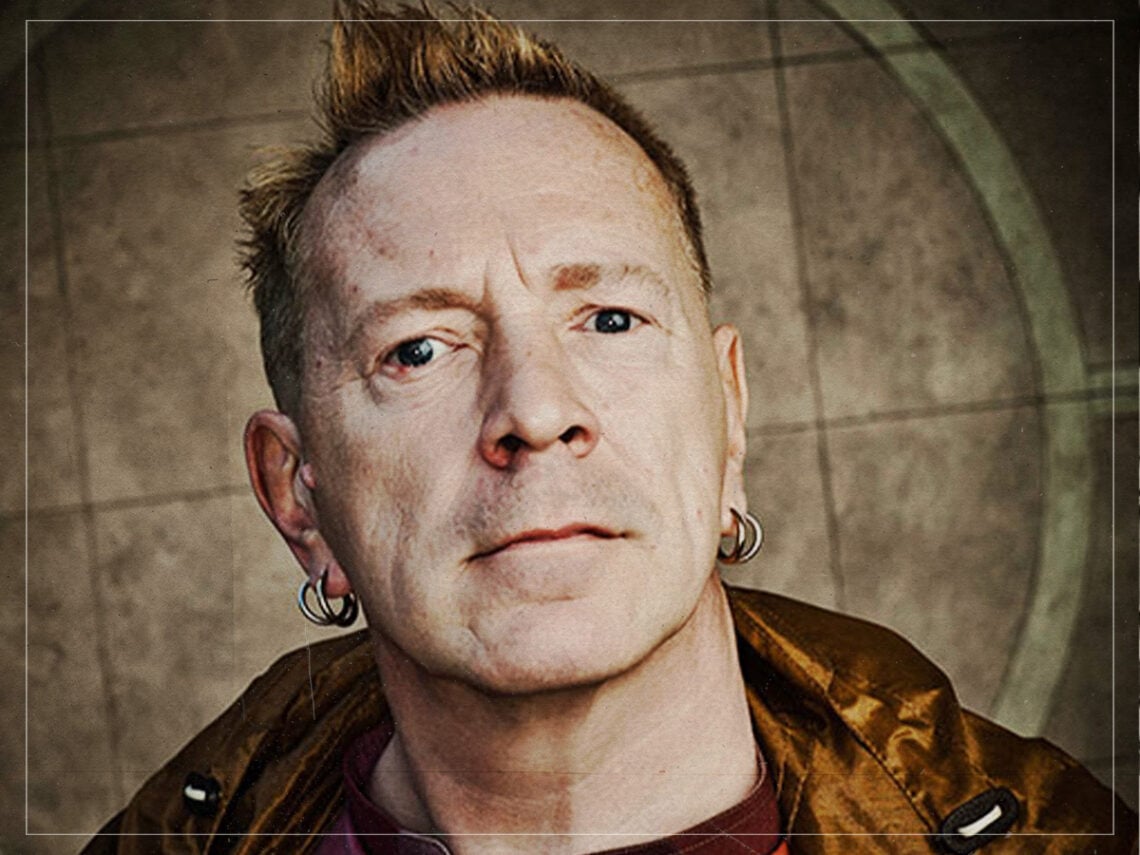
The album John Lydon called the “most interesting” music ever

For such a towering icon of UK punk – and yes, icon’s the word – John Lydon knew when to scarper just as the scene got stale.
He had a solid head start. Before “The Filth and the Fury” Daily Mirror headlines and 100 Club Punk Special weekenders, Lydon, back when he was Rotten, was already fronting the incipient Sex Pistols as early as November 1975 while still a teen, the gang fed on a diet of glam, Detroit’s garage rock from Alice Cooper to The Stooges, and The Who at their most raucous. Dropping ‘Anarchy in the UK’ a year later, the punk revolution was kick-started in earnest and inspired countless kids to go similarly pick up a guitar and learn Sideburn #1’s three chords.
Yet, Lydon was a restless fellow. Once the Sex Pistols had ground to a halt dramatically across the ill-fated US tour in 1978, fatigue with manager Malcolm McLaren’s showman string-pulling and a dwindling musical future saw Lydon walk away from the band to fire up the infinitely more bold and inventive Public Image Ltd.
While the former Pistols were larking about in the execrable The Great Rock ‘n’ Roll Swindle dross, Lydon, along with old Kingsway College mate Jah Wobble on bass and former Clash guitarist Keith Levene, stepped into the new smouldering terrain left in punk’s aftermath to define its new ‘post’ successor with their debut LP and 1979’s confoundingly brilliant Metal Box.
The new PiL outfit almost spoke in a different musical language. Gone was the garage-glam that hovered all over Never Mind the Bollocks, Here’s the Sex Pistols; in came avant-garde expanse, rippling dub rhythms, atonal scrape, and a new belligerent canvas affording Lydon’s nasal whine new manners of revealing itself. One key record that helped pave the way to Metal Box came from the fringes of the counterculture a decade earlier, when Captain Beefheart and His Magic Band also made their upside-down mark on the world of blues rock.
“There’s just so much on this,” Lydon revealed to Pitchfork in 2016, celebrating Beefheart’s Trout Mask Replica. “It’s a double album and by the time you finish it – if you can finish it – you can’t remember what you heard at the beginning. I liked that.”
He added, “It was anti-music in the most interesting and insane way, like kids learning to play violin, which I was going through at the time. So all the bum notes I was being told off for by the teachers were finally being released by well-known artists. That was my confirmation. From then on, there was room for everything.”
Released in 1969, even Frank Zappa knew he was grappling with something weird when stepping up to production duties. Packed with rusty blues hack and disjointed art-rock, Beefheart’s pugilistic opus sits amid his oeuvre with goading wrestle, almost standing as a byword for any artist’s difficult LP gem.
It clearly stuck its strange hook in a young Lydon, forever pointing the way beyond derivatives and expectations that would help the former Pistol hack through punk’s encroaching orthodoxy by the 1970s’ close.
