


The five best directors of the 1980s you’ve never heard of

Not every filmmaker has managed to endure as a well-known figure, even if they’ve made some genuinely impressive works of art.
The reality is, with so many directors in the world, the ones who make big, glossy blockbusters tend to be much better remembered than those who make indie movies with significantly less financial backing. Of course, this isn’t always the case, but it’s not surprising that many directors who emerged in the 1980s, a time when big-budget movies were dominating more than ever before, have faded into obscurity.
Female directors were still few and far between in the 1980s, although that began to change as the decade went on. Still, various important contributions to cinema were made by female filmmakers during this time, such as Kathleen Collins, who became the first Black American woman to make a feature-length film. Despite this, her legacy has largely been forgotten, and she deserves to be remembered.
So, from revolutionary female filmmakers to British directors who never broke through, here are five great directors from the 1980s you’ve likely never heard of.
The five best unknown directors of the 1980s:
Chris Bernard
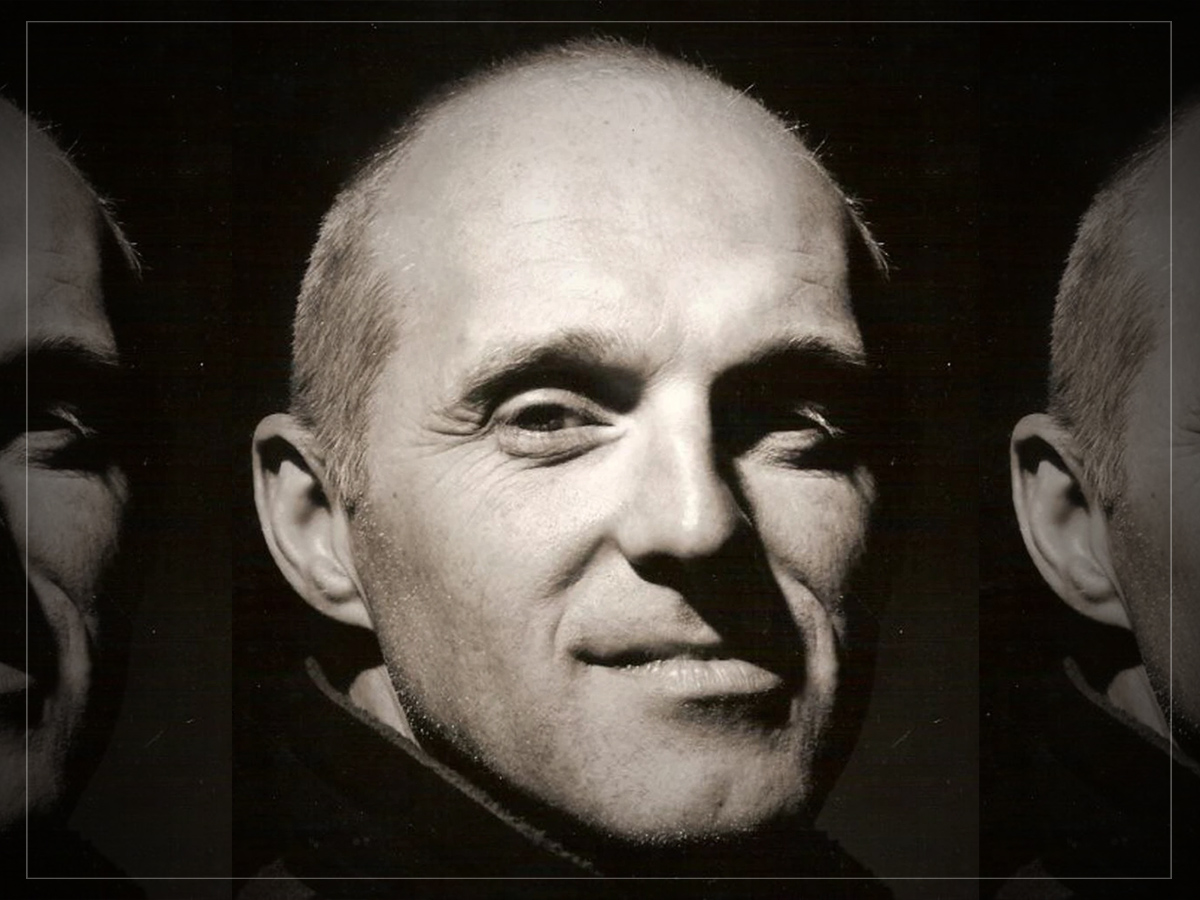
Besides a few television movies, Chris Bernard’s most significant achievement was Letter to Brezhnev, a poignant tale of finding purpose, employment, love, and friendship in Thatcher’s Britain. It’s a fantastic film featuring a young Alfred Molina, playful in its realistic depiction of working-class nightlife while also refusing to hold back from depicting the grittier aspects of life during a time when the political and economic state was dire.
Bernard also made the television film A Small Mourning, starring Alison Steadman, in 1989, although little information about it exists on the internet. So, despite the brilliance of Letter to Brezhnev, it seems as though much of Bernard’s cinematic contributions have faded into the ether.
Amy Holden Jones
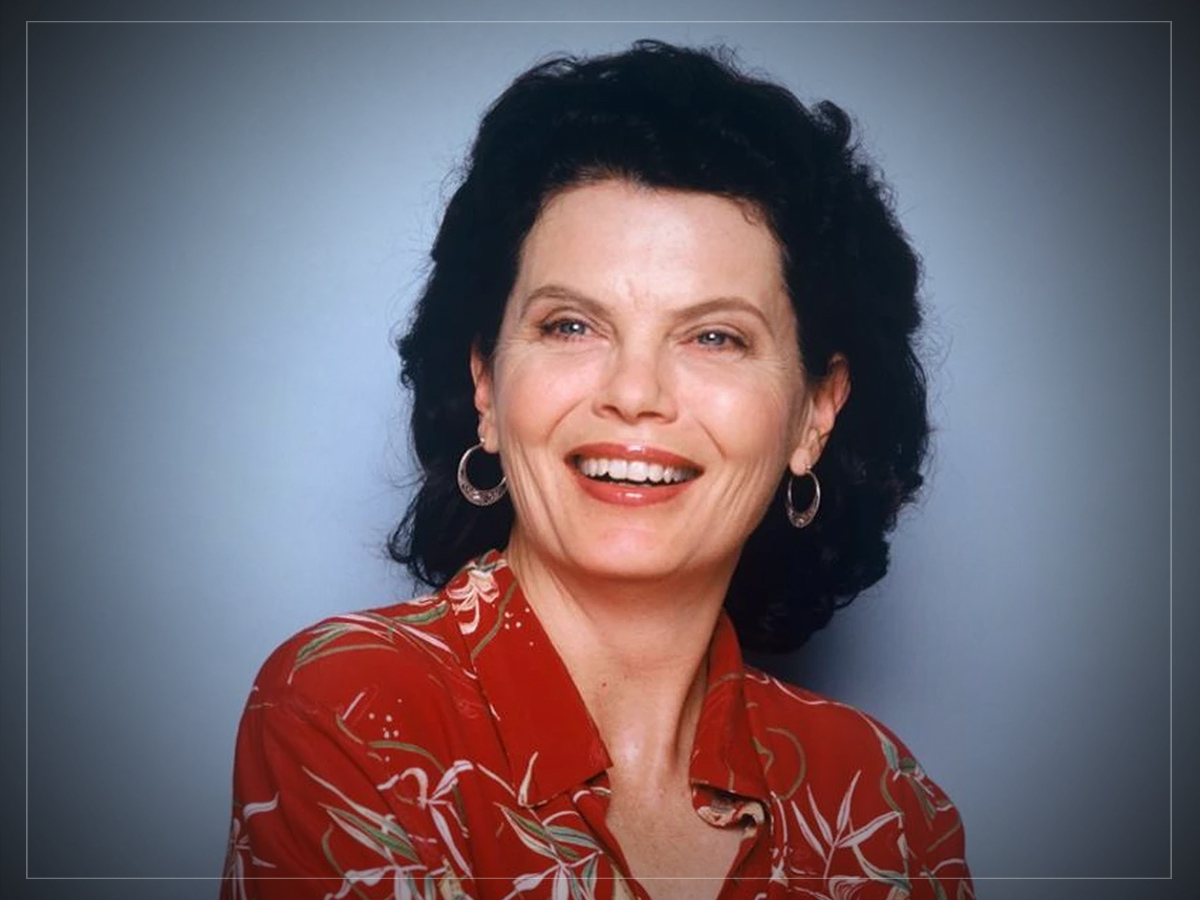
When you first look at the poster for The Slumber Party Massacre, directed by Amy Holden Jones, you might think it’s the wet dream of some low-rent male filmmaker cashing in on the popular slasher genre.
Yet, the film is actually unsuspectingly clever, commenting on male-on-female violence in a wholly suspenseful and entertaining way. It might not be Halloween, but The Slumber Party Massacre is certainly worth your time if you’re an ‘80s horror fan. Still, Holden Jones’ name remains relatively unknown.
She did sadly make the flop Maid to Order, but she also helmed the rather well-received Love Letters starring Jamie Lee Curtis in 1983, while also penning the popular teen romantic comedy Mystic Pizza. While you might recognise her films, you’re probably unfamiliar with her name, but it’s time she receives her dues.
Lindsey C Vickers
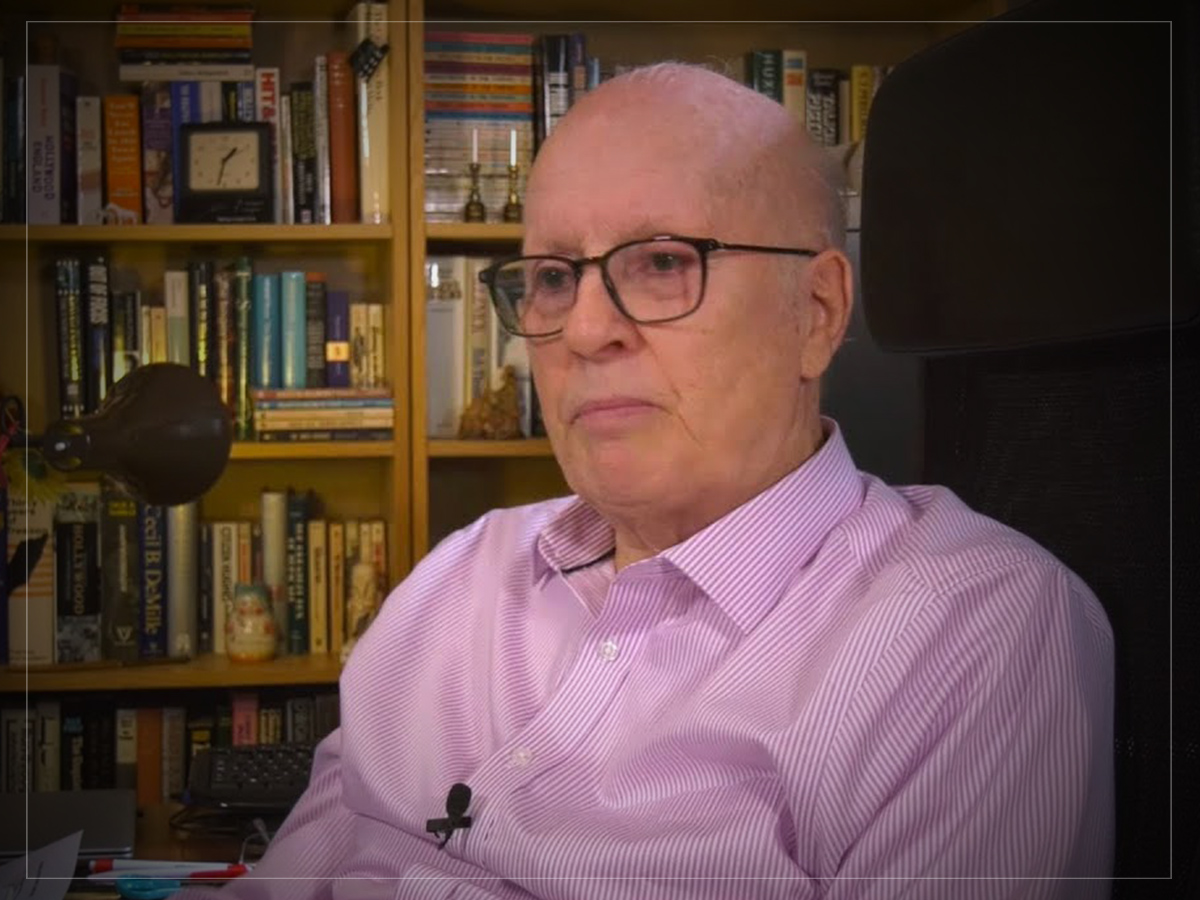
Disappearing for many years, Lindsey C Vickers’ film The Appointment re-emerged to be praised as an unearthed horror gem, but even to keen scary movie enthusiasts, you probably aren’t familiar with the director’s name. That’s because – apart from a short film, The Lake, released in 1978 – Vickers’ only feature was The Appointment. When it was broadcast on British television, a power cut prevented the director from seeing his own film, as though the strange forces at play in the movie had been transported to real life.
It’s clear that Vickers had great ideas up his sleeve, however, and it would’ve been great to see him make more films, especially the kind of slow-burning horror, rife with tension, that defines every eerie sequence of The Appointment. If you’re keen on obscure British horror, Vickers’ film should be on your watchlist.
Lizzie Borden
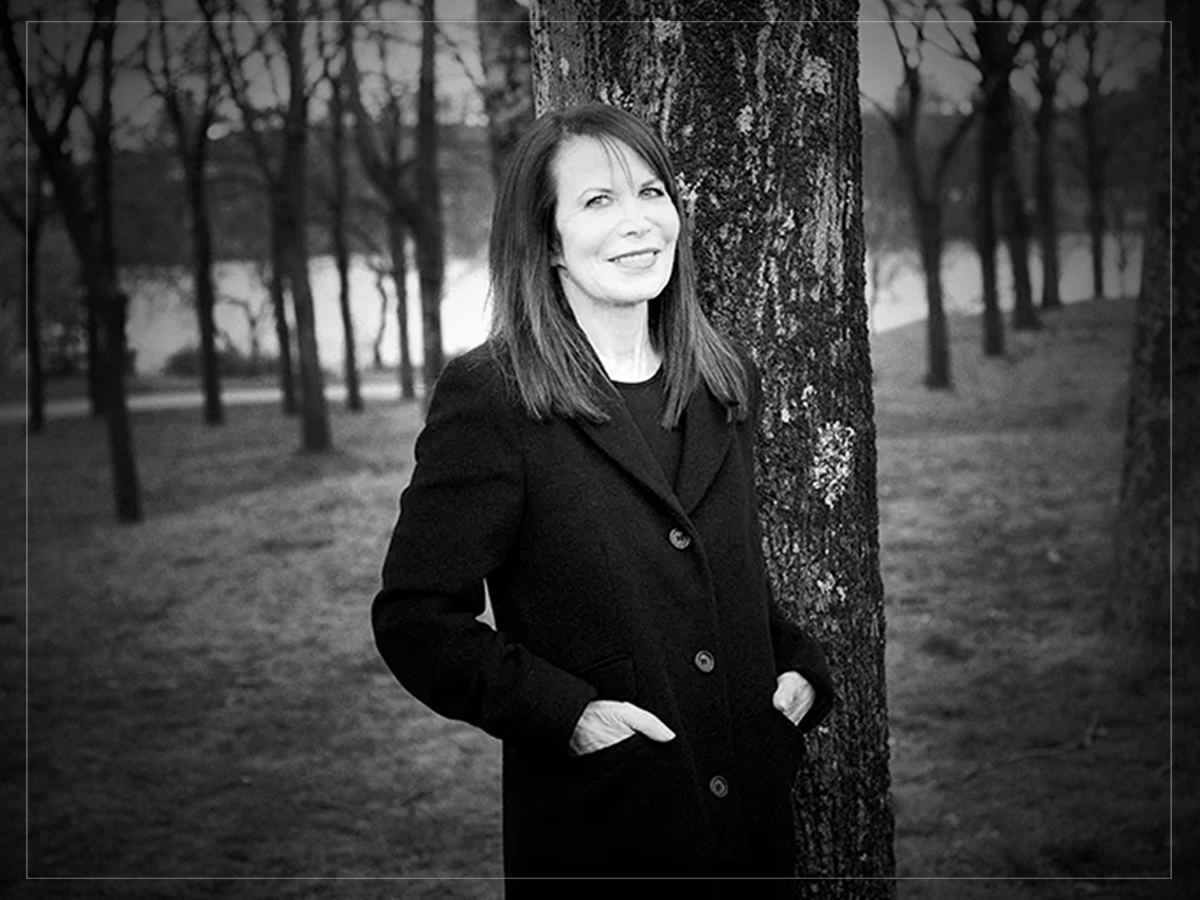
The revolutionary feminism at the heart of Lizzie Borden’s Born in Flames should be studied much more widely, but sadly, the director’s bold film isn’t as well-known as it deserves to be. Borden, who named herself after the 19th-century alleged axe murderer, used cinema to explore powerful ideas about society, such as intersections between race, gender, politics, and rebellion. Shooting the film on a low budget, Borden proved that a DIY style is the best way to transmit real concerns and issues that Hollywood rarely tries to combat.
She also made the film Working Girls, not to be confused with Working Girl, which emerged a few years later. Exploring prostitution in New York, the movie was fairly well-received, although many audiences were uncomfortable with the unflinching look at such a taboo topic. Yet, Borden refused to bow down to convention, subsequently making a small yet impactful body of work.
Kathleen Collins
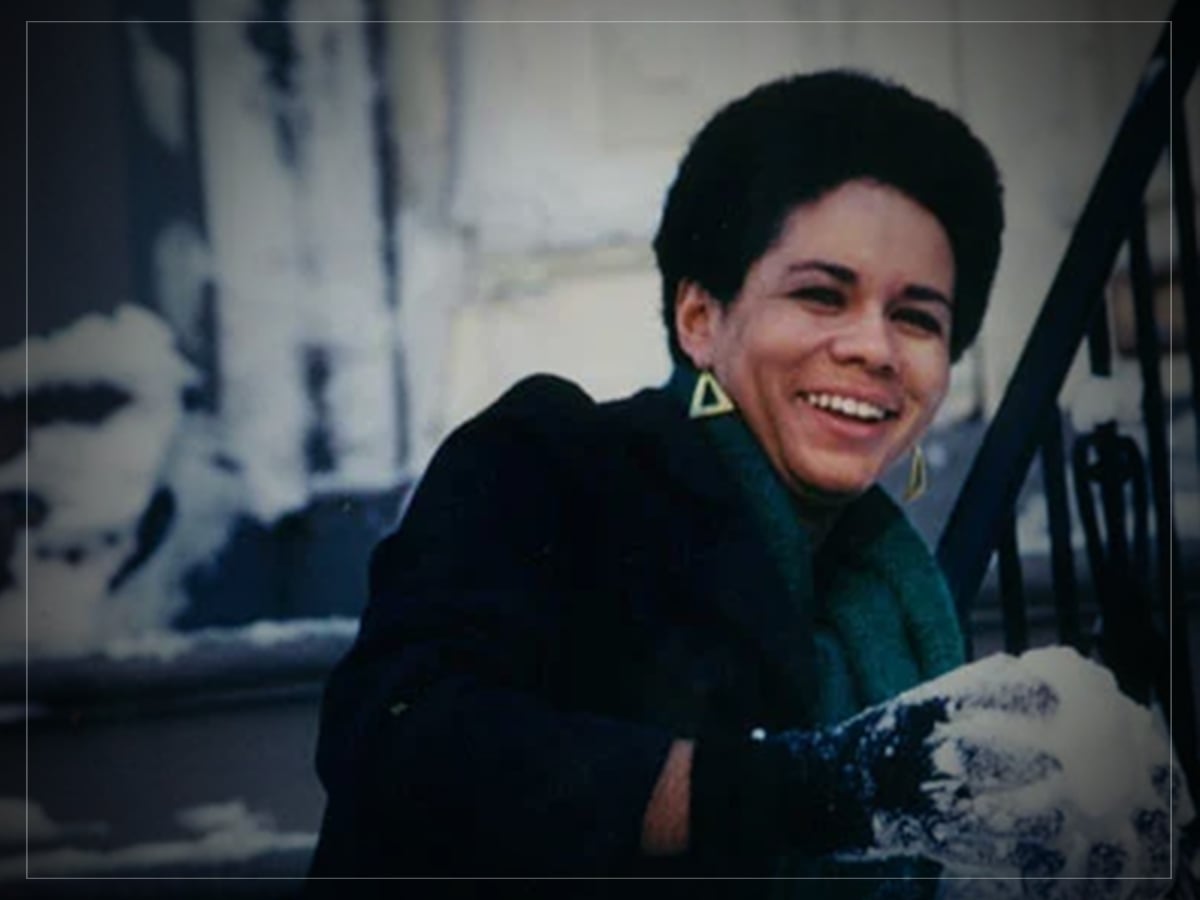
As recently as the 1980s, a black female filmmaker had not been afforded the chance to make a feature film that would receive widespread release. Julie Dash made history with Daughters of the Dust in 1991, but this might not have been possible if not for another pioneer, Kathleen Collins, although her contributions to cinema are largely forgotten. Born in 1942, Collins sadly passed away before the end of the 1980s, but she made several films during her career that broke new ground for black female filmmakers.
Losing Ground was released in 1982, and it stands as the first ever feature-length movie to have been directed by an African-American woman. It took several decades for the movie to receive the flowers it deserves, meaning Collins never got to see the true success and legacy of her film. Yet, she was a true talent, significantly innovating an area of cinema that was otherwise marginalised.
