


The five best directors of the 1960s you’ve never heard of

It wouldn’t be unfair to say that the 1960s were a turning point for cinema worldwide, with movements from the French New Wave to New Hollywood and British social realism all gaining full steam. Cinema was rapidly evolving with the decline in censorship thanks to the abolishment of the Hays Code in America, paired with increasingly liberal views being fostered by a new post-war generation hoping for change.
Thus, it was only a matter of time before new faces would emerge, harnessing cameras and a shoestring budget in the hopes of making a piece of cinema that could really mean something. Commentary on the state of the world in the form of experimental documentaries or gritty dramas marked the decade as one of both cinematic creativity and social consciousness.
With such a large number of new filmmakers making movies during the decade, it was only inevitable that some would get left behind, remembered only by those with a keen taste for the obscure. Yet, it’s important to remember those who made films at a time saturated by so many pioneers, because many were pioneers themselves who simply got lost among the noise.
From feminist trailblazers to those who opened up the lid on working-class life, here are five great filmmakers from the 1960s that you might not have heard of.
The five best directors of the 1960s you’ve never heard of:
Barney Platt-Mills

British cinema thrived in the 1960s with the kitchen sink drama depicting a country in need of greater governmental support through gritty and realistic stories of poverty, racism, abortion, and homophobia. Many iconic films emerged during this time, like A Taste of Honey and Poor Cow, but a lesser-known title that tapped into the lives of bored British youths perfectly was Bronco Bullfrog. While it was received well, it faded into obscurity, with the original negative accidentally ending up in a skip until an employee at a film laboratory discovered it.
Directed by Barney Platt-Mills, the film is a raw look at London’s young people during an era supposedly famed for its Swinging attitude, and it showed real promise from the first-time feature filmmaker. He made several documentary shorts during the decade, too, before making the similarly underrated Private Road in 1971, a quiet tale of love turned sour. The director had a knack for showing the sides of life that are so rarely depicted with such realism, depth, and honesty, but he made few movies from this point onwards, instead working creatively with prisoners and young people.
Peter Watkins

Privilege is a movie incredibly ahead of its time, commenting on the use of celebrities as puppets and the blind adoration of stars in mainstream culture. Directed by Peter Watkins, the film faded into the cinematic ether, and similarly to Bronco Bullfrog and Private Road, it gained a newfound sense of recognition through the BFI’s Flipside BluRay series many decades later. Yet, it’s a wonder why such a film managed to fly under the radar for so long. It’s a clever, visually impressive, socially poignant movie which asks questions about the state and religion’s influence over people’s opinions.
Perhaps this is exactly why – it was too controversial. Watkins made various other gems during his career, like The War Game, a fake documentary that imagines a nuclear attack on England. Yet, when the BBC, who commissioned the project, saw the final product, they were horrified. It was too real and too intense, so much so that they banned it from being screened on television for many years. Watkins isn’t a British household name, but he has certainly contributed some bold ideas to cinema that deserve more recognition.
Forough Farrokhzad
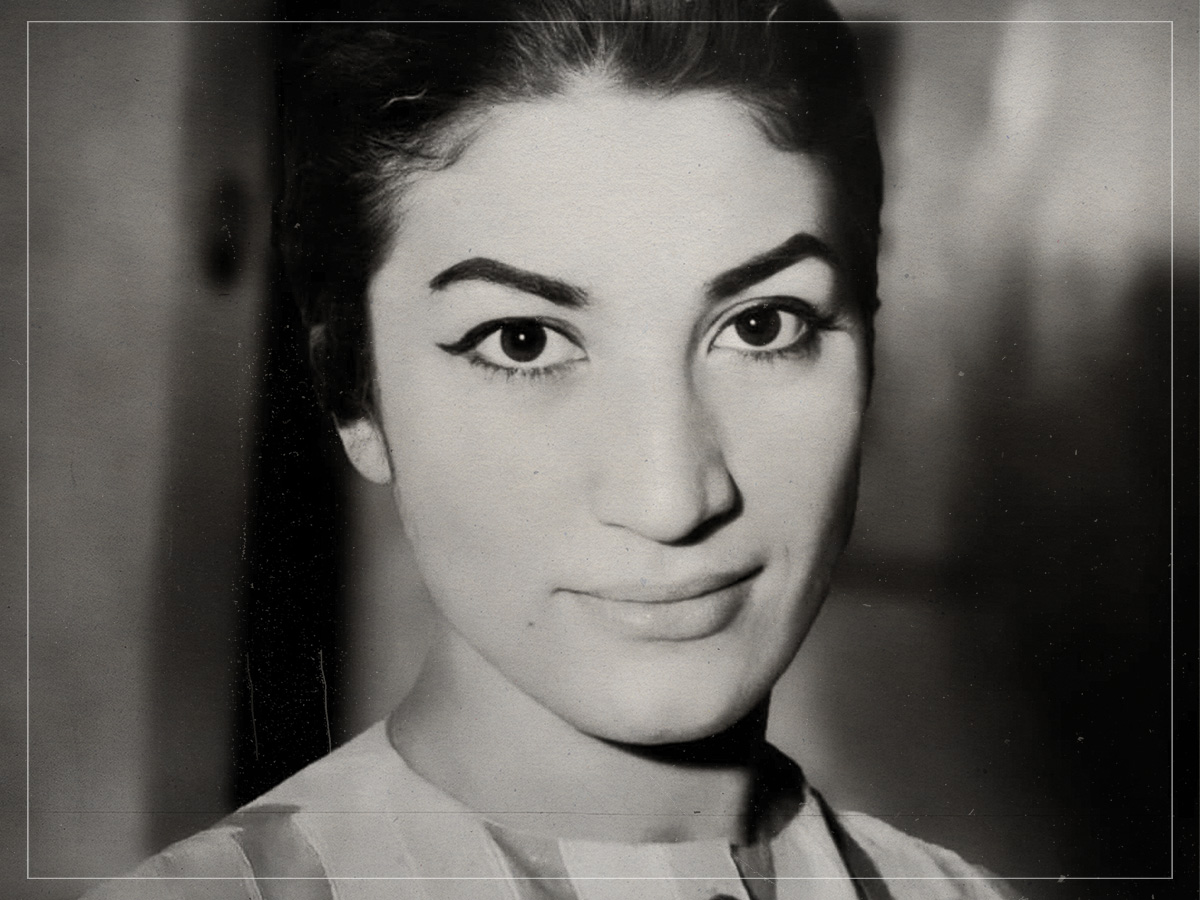
Forough Farrokhzad tragically died when she was just 32 in a car accident before the 1960s had even ended. The Iranian poet and filmmaker only directed one short film in her lifetime, the 20-minute The House is Black, but it showed real talent from Farrokhzad, who surely would’ve gone on to make even more incredible films in the coming years. The short takes us to a colony in Iran where people with leprosy are living, and she poetically and empathetically paints a picture of the simultaneous beauty and pain found in the world.
While she was better known as a writer, Farrokhzad’s foray into directing was nuanced and artistic, and it’s a shame that her career was cut so devastatingly short. She adopted a child, the son of two people with leprosy, that she met while filming the documentary – a testament to the compassion and care that Farrokhzad had for her subjects.
Stephanie Rothman
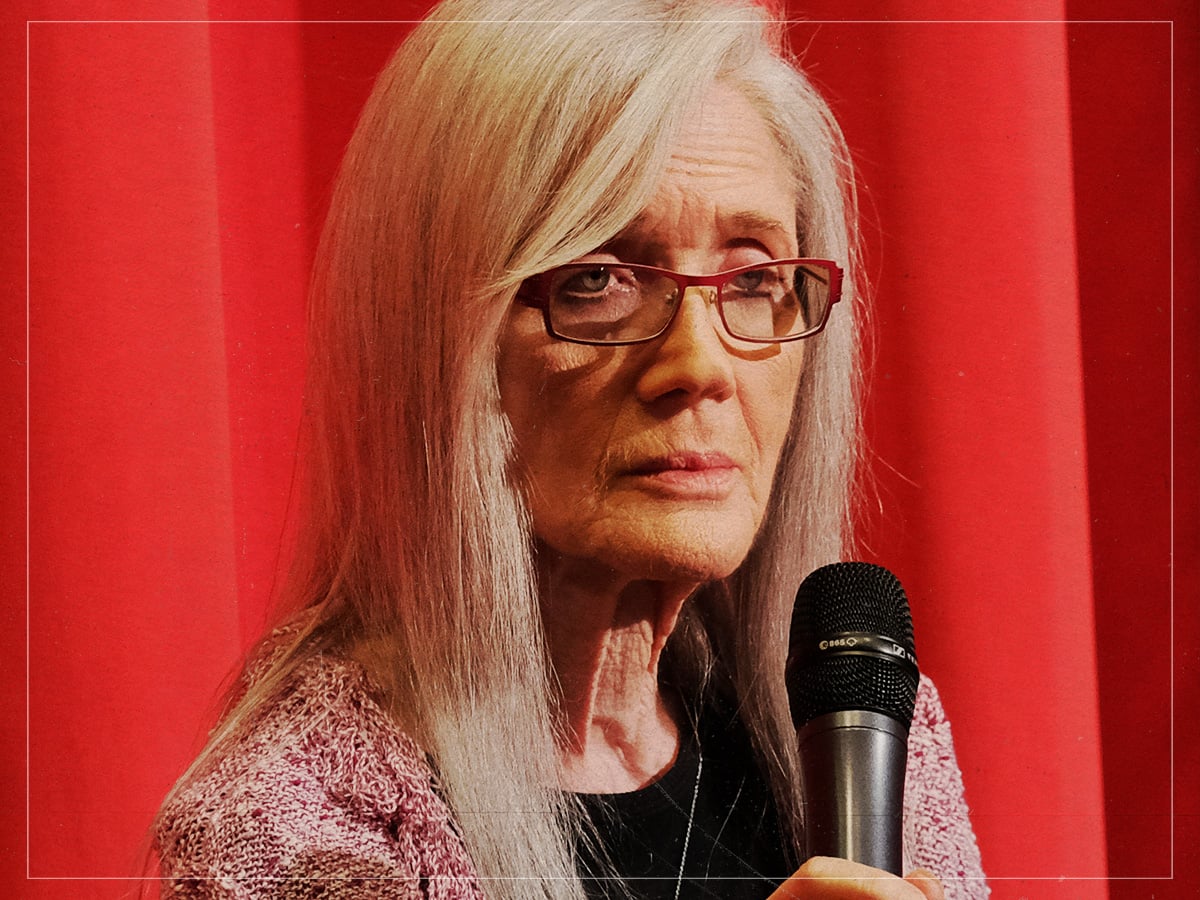
At a time when cinema had very few female filmmakers on the scene – not due to lack of talent but simply lack of opportunity – Stephanie Rothman emerged in the 1960s as a rare example of a woman behind the camera. She mainly worked in the exploitation genre, although her debut feature was as the director of a beach party film, It’s a Bikini World, with feminist themes that made it stand out from its other beach party counterparts. Rothman also co-directed Blood Bath with Jack Hill, a strange horror film that featured a distinctively feminine touch.
Rothman continued her career into the 1970s with titles like The Velvet Vampire, an example of the lesbian vampire genre that boomed in the decade, as well as playing into exploitation genres like nurses. She might not have made the highest-calibre of movies, instead opting for B-movies with plenty of sex and violence, but she certainly deserves more acknowledgement for her work alongside the likes of Hill and Roger Corman.
Shirley Clarke
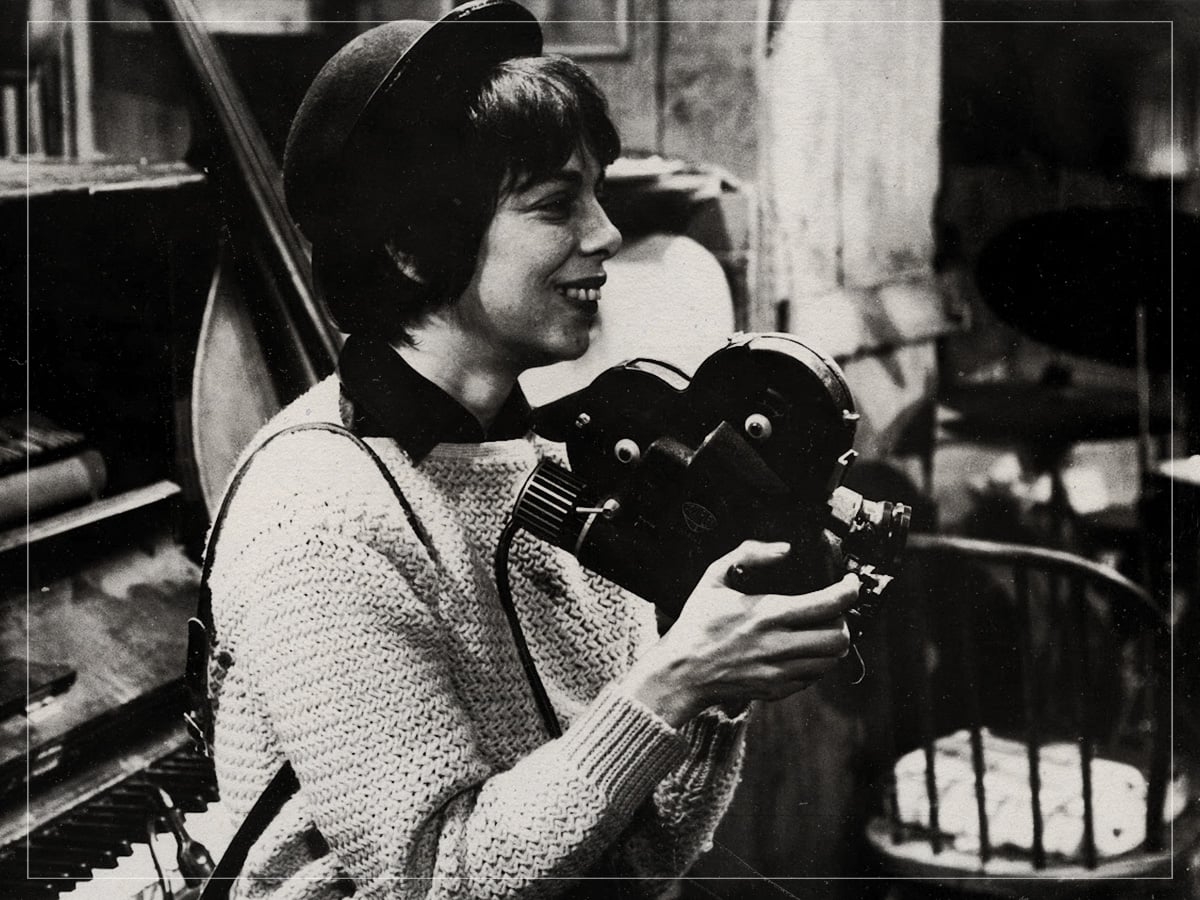
During the 1960s, Shirley Clarke emerged with a bold approach to cinema. She wanted to defy convention and tell stories about those who aren’t usually given the space to exist in the mainstream. Her first film, The Connection, came in 1961, using an experimental style to depict heroin addicted musicians, while her skills as a documentarian even won her the Academy Award for ‘Best Documentary Feature’, following the release of Robert Frost: A Lover’s Quarrel With the World.
Despite this achievement, Clarke simply hasn’t been remembered like her contemporaries, such as John Cassavetes and Jonas Mekas, have. She fearlessly tackled topics that the mainstream simply didn’t, often looking at African American life with movies such as The Cool World and Portrait of Jason, the latter following a gay sex worker in New York. Clarke was one of the only women at the time making indie films, and she was a pioneer, although she was soon pushed to the sidelines of cinema history.
