


‘Bronco Bullfrog’: Barney Platts-Mills’ authentic depiction of working-class youth culture in ’60s London

Barney Platts-Mills made his feature film debut with Bronco Bullfrog in 1969, yet shortly after, it faded into obscurity for years. While the movie has since been re-released by BFI, available as part of their ‘Flipside’ series, Bronco Bullfrog remains criminally underrated despite its authentic portrayal of working-class life.
Platts-Mills’ film can best be described as a later addition to the British kitchen sink realism movement that became popular in the 1950s and ’60s. These films often explored themes of class inequality, painting realistic portraits of economically deprived men and women as they navigated life and love. Bronco Bullfrog merges romance with a raw portrayal of working-class youth, with Platts-Mills setting the film in London’s East End.
One could easily mistake the film for a beautifully shot documentary at first glance due to its depiction of the city streets lined with rundown buildings. What’s more, the director employed non-actors whose lives weren’t far removed from their character’s. The result is a movie without a trace of Hollywood sheen. Rather, Bronco Bullfrog is an honest documentation of an era that feels so separate from today. Yet, at the same time, its focus on the struggles of working-class youth couldn’t be more prevalent as 21st-century viewers navigate a cost-of-living crisis and political discontentment.
The movie was born from Platts-Mills’ desire to use his privilege to spotlight those less fortunate than him. After meeting Joan Littlewood, who ran improvisational acting workshops that prioritised working-class kids, the director decided to make a movie in a similar fashion. He told The Guardian, “Everything they [the actors] knew about acting came from Joan. Everything I knew about directing – that came from Joan as well.”
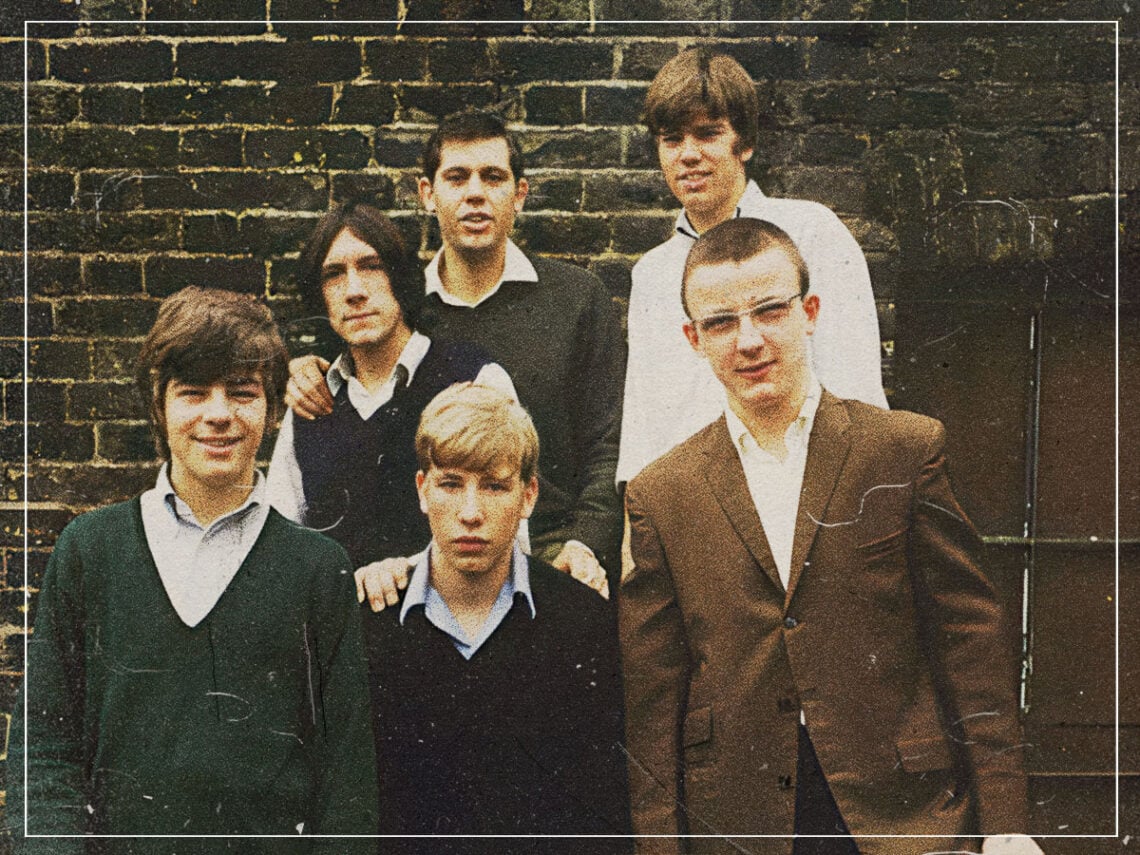
Using young people with limited experience in front of a camera, Platts-Mills encouraged his actors to improvise, channelling their own frustrations, quirks and ambitions into the characters. “We gave them time off work and paid them double the wages, and their idea of acting was to give us more or less what they thought we wanted. More often than not, that’s better than the alternative,” he explained.
Bronco Bullfrog follows Del and his girlfriend, Irene, whom he meets at the start of the film after his gang of mates break into a cafe, only to be met with nothing more than some old cakes. The pair begin a relationship, much to the disapproval of each of their parents, but their shared desire to achieve something greater, to escape the humdrum of their mundane lives, unites them.
Inevitably, in a society set up to help the privileged and turn away the poor in the hopes they’ll fend for themselves, Del and Irene don’t get the fairytale ending they dream of. After reuniting with an old friend named Bronco, freshly released from Borstal, Del only involves himself deeper into a life of petty crime, marking the start of his downfall into further economic and social disparity.
While Bronco Bullfrog is far from perfect, it’s this rough around the edges quality that makes it such an important film. This is a piece of cinema made by people with real experience of the subjects at hand, and there’s an urgency that emanates from this glossless, black-and-white time capsule.
Actor Sam Shepherd (not that one), who played the titular Bronco Bullfrog before abandoning a creative career, once stated that the film contains “dodgy acting” executed by “dodgy actors,” adding, “we were all like that in those days. Turn your back and we’d have nicked the camera.” Inspired by Italian neo-realism, Platts-Mills’s film is an honest slice-of-life depiction of a cinematically and socially underrepresented group deserving of more appreciation.
