


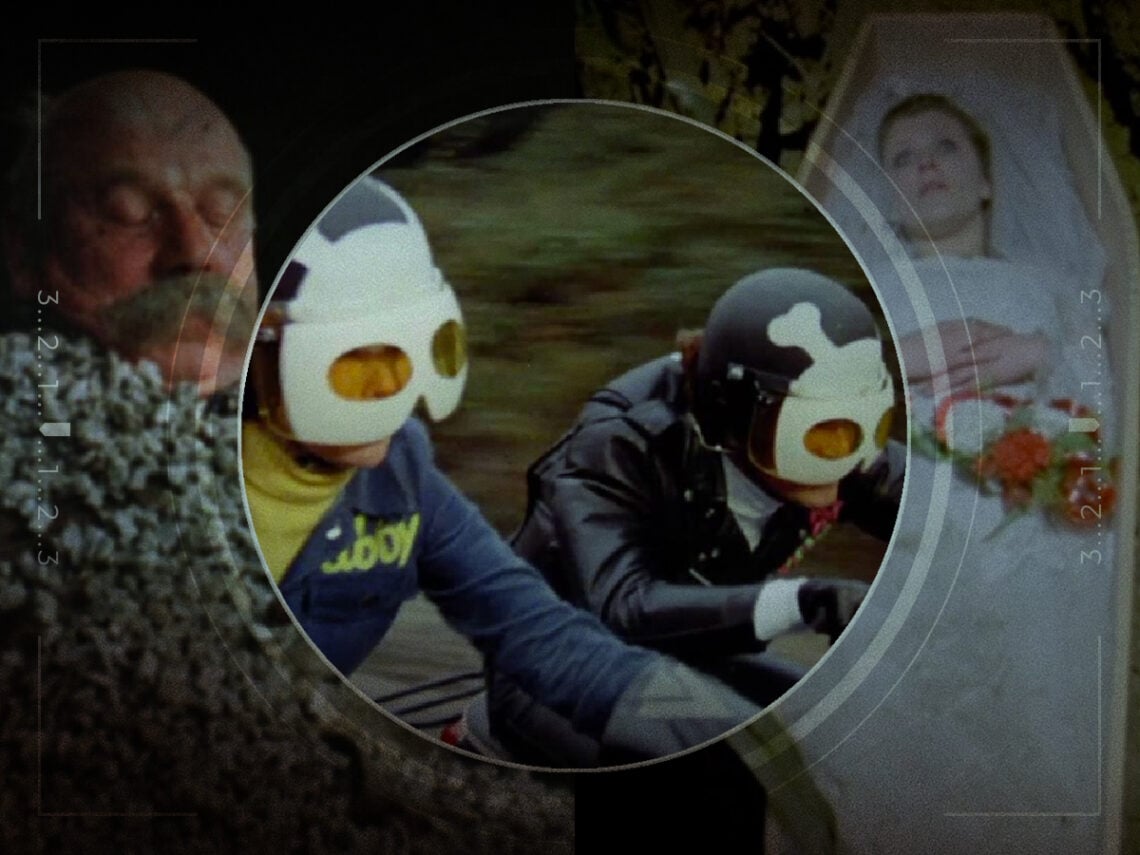
The five best British movies of the 1970s that you’ve never heard of

While the 1960s were an exciting time for British cinema, buoyed by the kitchen sink genre giving rise to social realism, which existed alongside dazzling slices of swinging London, the 1970s were much more of a mixed bag.
As cinematic censorship eased by the end of the ‘60s, you could find all sorts peppering the films of the next decade, as reflected in the rise of bawdy sex comedies and more violent horror films, with some great British classics finding light during this time, like The Wicker Man, which became the country’s most iconic horror film, while the likes of Get Carter and A Clockwork Orange depicted a brutal landscape that viewers quickly lapped up.
From bizarre biker films to gritty dramas, plenty of directors were making bold and unapologetic films that challenged the mainstream, and while cinema might have been booming across the pond with the New Hollywood movement, Britain still released its fair share of compelling films, where many just went under the radar.
So, here are our picks of five fantastic British films from the 1970s which you might not have heard of.
Five best 1970s British movies you might have missed:
‘Nightbirds’ (Andy Milligan, 1970)
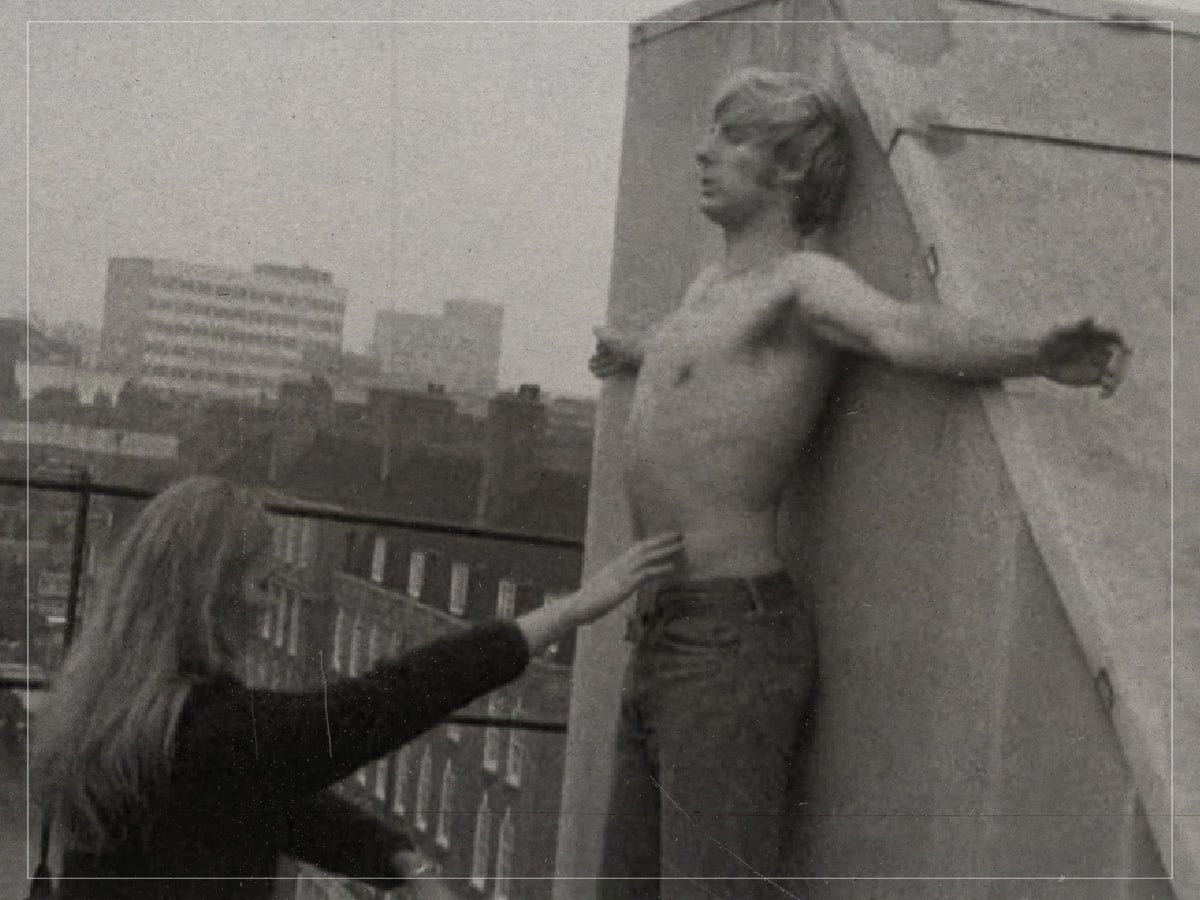
The end of the swinging sixties is perfectly encapsulated in Andy Milligan’s Nightbirds, a gem from 1970 which takes an unexpectedly dark turn as protagonist Dink meets Dee, a beautiful woman who invites the homeless young man into her squat. They form a relationship, but soon, it proves beyond destructive, with no turning back for Dink.
The film looks deliciously low-budget, but this only serves to emphasise the dingy, bleak conditions that the pair find themselves in, and while many films showed a prosperous image of swinging London, Nightbirds peels back the curtain on the poverty-stricken reality that many found themselves in, following in the footsteps of the social realists, like Tony Richardson, who had emerged a few years before; this is a lot less polished, but still just as poignant.
‘The Black Panther’ (Ian Merrick, 1977)
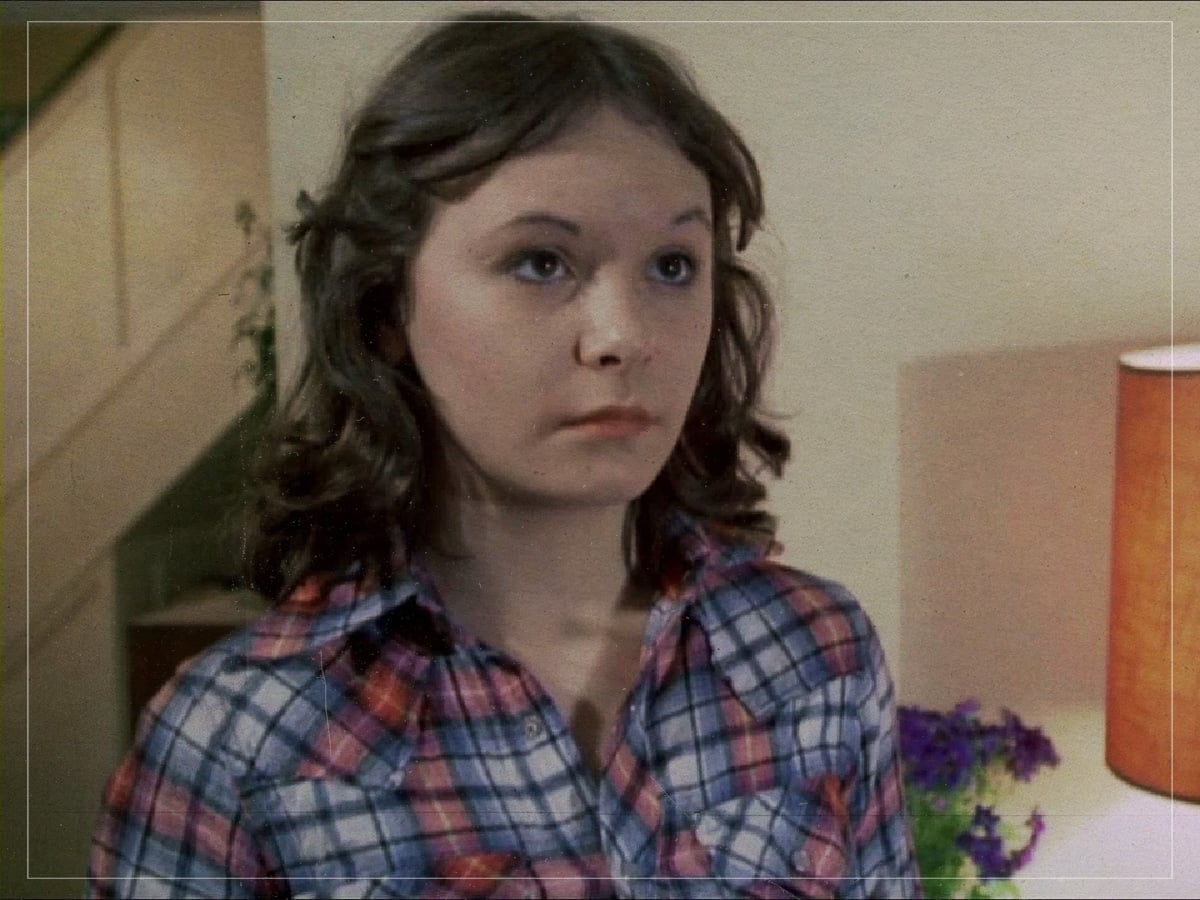
Taking inspiration from the real-life criminal Donald Neilson, who killed four people, including the kidnapping of an heiress who died while he kept her captive, The Black Panther is wholly underrated, blending crime and horror to unsettling effect. Directed by Ian Merrick in his feature debut, the film gives us a grim look at Neilson’s crimes, taking a rather unsensational approach despite the furore that came with the movie’s release.
Only following Neilson’s death in 2011 did the film finally get a proper release, meaning it went decades without being seen. With an incredible performance from Donald Sumpter as the killer, The Black Panther gets under your skin, simply because it’s all too real.
‘The Other Side of the Underneath’ (Jane Arden, 1972)

The topic of mental illness in women has never been portrayed as lucidly and intensely as in The Other Side of the Underneath, an experimental, often terrifying depiction of schizophrenia and societal taboo, where sexuality is punished, and patriarchy has a detrimental effect on the female experience.
Jane Arden’s film is a tough watch at times, but its DIY approach really gets inside your head, such that it feels like you’ve discovered a messy home video, where memories and nightmares intersect. The Other Side of the Underneath is perhaps best described as haunting, with images like a bald-capped woman with a big fake red nose, a terrifying musical performance featuring plenty of blood, and a very explicit sex scene coming together to create an unforgettable cinematic experience.
‘Requiem for a Village’ (David Gladwell, 1976)
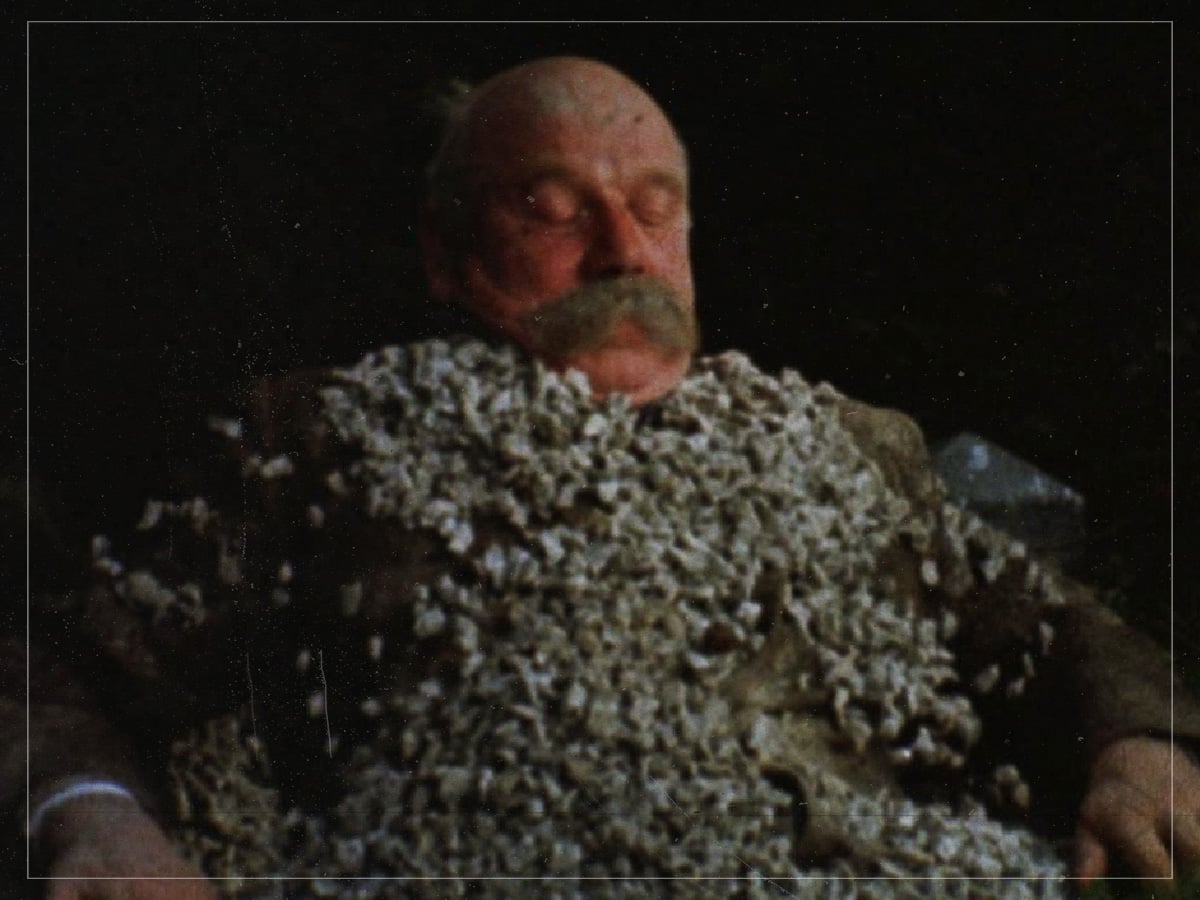
Haunting images of a village steeped in memory form the basis of David Gladwell’s first feature, Requiem for a Village. Released in 1976, the film is a poetic and unforgettable collection of scenes which reveal the dark heart of a pastoral landscape, where human violence undercuts the natural world. It’s a gorgeously-shot film, hallucinatory in focus on rather unsettling scenes, which often feel otherworldly, like vignettes from a nightmarish dream.
There’s a contrast between the past and the present as an old man who works in the graveyard recalls memories of villagers from over the years, the film marking that transition into a new era for Britain as the ‘80s neared. There’s a gorgeous sequence in which a man slowly rises out of his grave, an indelible scene that tinges the film with an essence of folk horror, a genre that was thriving at the time.
‘Psychomania’ (Don Sharp, 1973)
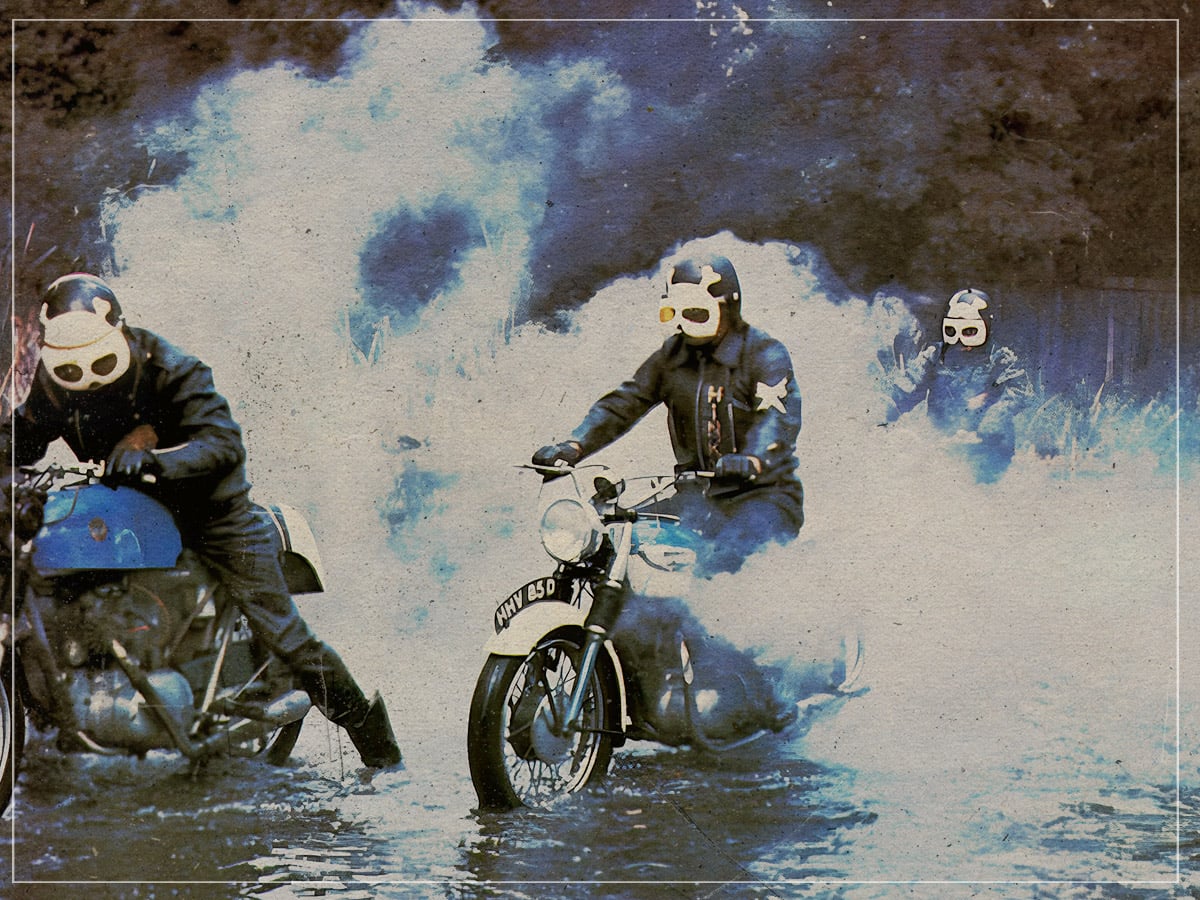
One of the greatest biker films of all time exists in the shadow of Easy Rider and The Wild Angels, and it’s a shame, because it fantastically blends the outlaw biker genre with horror, even taking a supernatural approach. Directed by Don Sharp, who had previously helmed everything from Kiss of the Vampire to The Face of Fu Manchu, Psychomania wasn’t a hit, but it should’ve been.
In the years since, it has gained cult status with those interested in biker movies and British gems. Maybe it didn’t pack the same punch as Easy Rider with its social commentary, as it’s much more sensational and indebted to the horror genre, but Psychomania offers an interesting analysis of the countercultural landscape at the time, where occultism and ‘Satanic Panic’ were seen as genuine threats to society.
