


The five American artists who made it in the UK first

There’s no question that in the global rock and pop rankings, the British Isles come a confident second after the US of A for the sheer plethora of bands and dazzling songbook exported across the Atlantic.
It all comes down to those four Liverpudlians playing that fateful 1964 slot on The Ed Sullivan Show. There were some early examples of Americans faring better in the UK than in their Stateside homes, Bill Haley & His Comets and Buddy Holly undertaking mammoth tours across Britain and enjoying a higher and more enduring chart presence compared to the various Billboard rankings back home. But once Beatlemania had brought the world’s attention to Blighty, suddenly a volcanic plume of pop heavyweights would shove the original rock and rollers out of the way to score the 1960s’ shattering youthquake.
Pop suddenly became baked into the very British soil, boasting a world-class industry, live music petri-dish, and a crowded gaggle of budding managers and impresarios eager to spot the next Beatles or Rolling Stones. It was a fertile environment for any US Anglophile shaped by the British invasion and lost in the vast crevices of the States’ music terrain that didn’t recognise their subversive lyrics, foundations away from the blues, or a stirring melancholy more at home with the English weather than the West Coast’s sunny uplands.
Whatever it may be, some of the most famous names in US rock and pop eyed up an opportunity across the water and managed to find the fame they were fruitlessly clamouring for back home. Join us as we peruse the musical titans who finally struck gold when landing on the island of pop’s ultimate above-weight punchers.
The five American artists who made it in the UK first:
The Walker Brothers
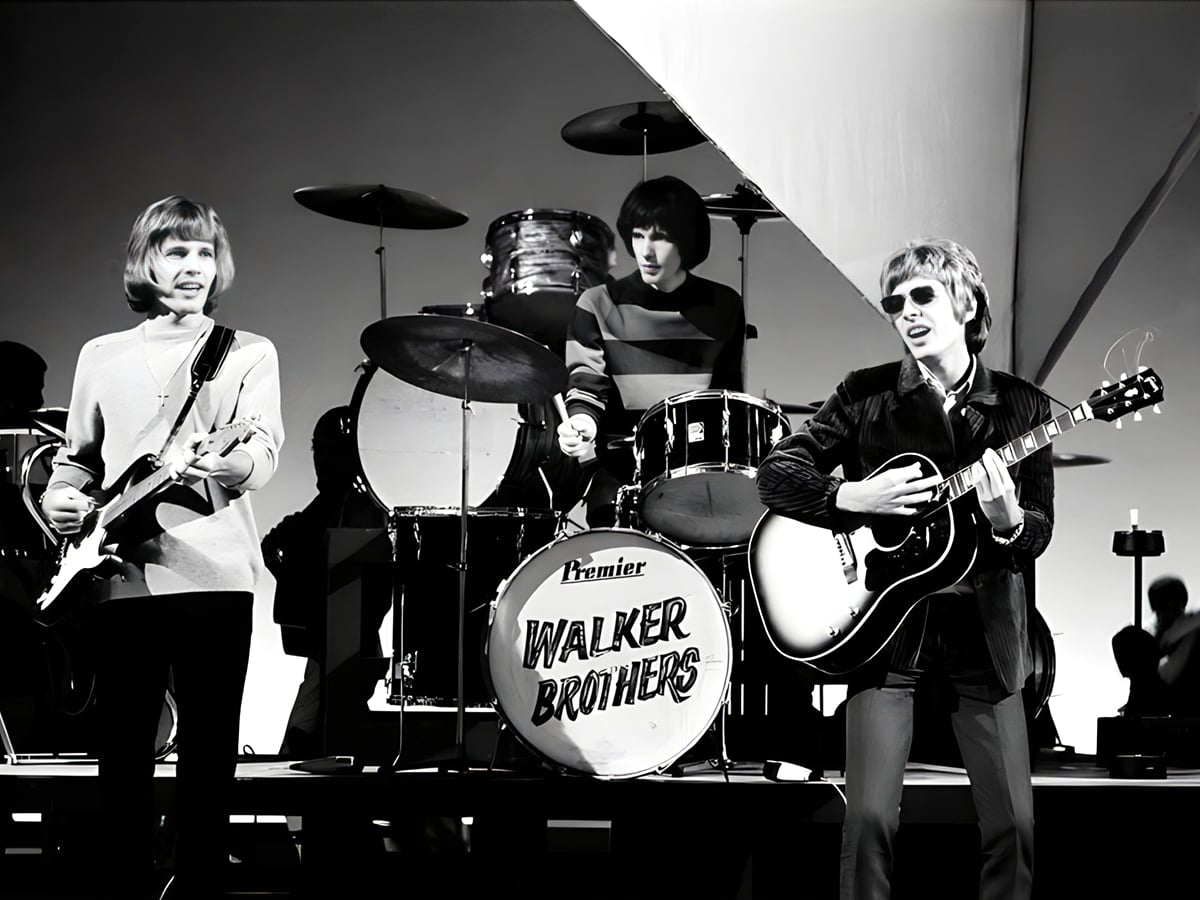
It was a bold move. While the British invasion was in its Billboard conquering peak, the American pop trio The Walker Brothers decided to head to where the action was in the UK and convince the country’s pop pickers to take a chance on the Yanks. Fitting in with newly adopted moptop haircuts, a string of sweeping covers would quickly win a fervent fanbase that soon began to rival the Fab Four by Spring 1966, their defining ‘The Sun Ain’t Gonna Shine Anymore’ the second UK number one in six months and having a fan club bigger than even The Beatles that year.
The Walker Brothers’ albums would chart well in the UK with little presence back home before petering out as a unit in 1968. Britain would continue to serve as a major platform for Scott Walker, recording his famed Scott series in London and granted his own TV show with the BBC, later to enter his cult stature as an avant-garde composer with the dark Tilt and The Drift cut in London and where he also lived out his final days til 2019.
Sparks
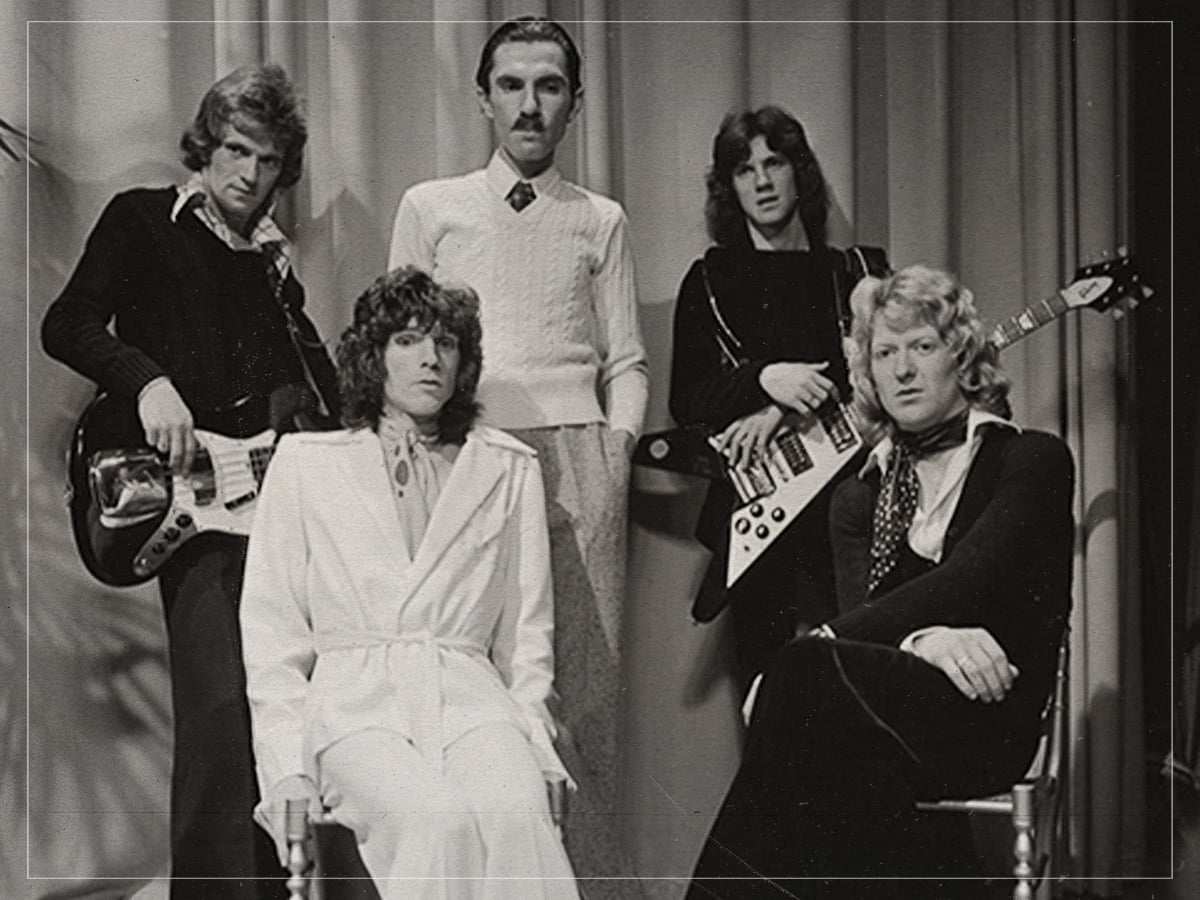
One look at Sparks’ chamber pop snark when they first landed on the UK charts back in 1974 just radiates a very British sense of acerbic wit and wry theatre. The fact was, brothers Ron and Russell Mael were from sunny Pacific Palisades in Los Angeles, hooked on the British invasion with little to no time for the city’s hippy stragglers or earnest folkies. After cutting a record as Halfneslon with Todd Rundgren that went nowhere, the committed Anglophiles decamped to England in 1973 to take advantage of the glam glitter taking off on British charts.
They had the look nailed for the era, the hyperactive and flamboyant Russell fronting the art-pop extravaganza with Ron playing the staid and sinister, toothbrush moustache and swiftly thrusting them to the fore of Top of the Pops land. ‘This Town Ain’t Big Enough for Both of Us’ wouldn’t even chart on the Billboard Hot 100, but would shoot to number two on the charts and bring its Kimono My House Album into the Top Ten, and mark one of the few US acts to score the great, British glam songbook along with Suzi Quatro and Alice Cooper’s ‘School’s Out’.
Pixies

There’s such a lauded legacy that surrounds Pixies’ impact on 1990s alternative rock that it’s easy to forget just how firmly underground they were right up until their first dissolution. The States just didn’t know what to do with them. Francis Black’s weird lyrical surrealism and the band’s jarring ‘quiet-loud’ haphazardly between screaming noise and lilting melodies won Pixies heavy rotations on college radio, but never showered with much mainstream attention.
It was a different story in the UK. Signed to Britain’s 4AD indie label, Pixies’ first run of albums would meet unanimous acclaim from the country’s music press and swiftly found themselves building a dedicated fanbase in Europe, sparked by their supporting shows for Throwing Muses. While Dolittle, Bossanova, and Trompe Le Monde made a tepid impact on the Billboard 200, all three records struck the UK’s Top Ten and scored the country’s indie surge with significance.
Then, hair metal died a death, and the grunge revolution swept across the 1990s, helped by Nirvana’s Nevermind lightning bolt. Pixies were given a boost over in the States via Kurt Cobain’s keen fandom, but they were already big names across the Atlantic long before America finally caught up with them.
The Killers
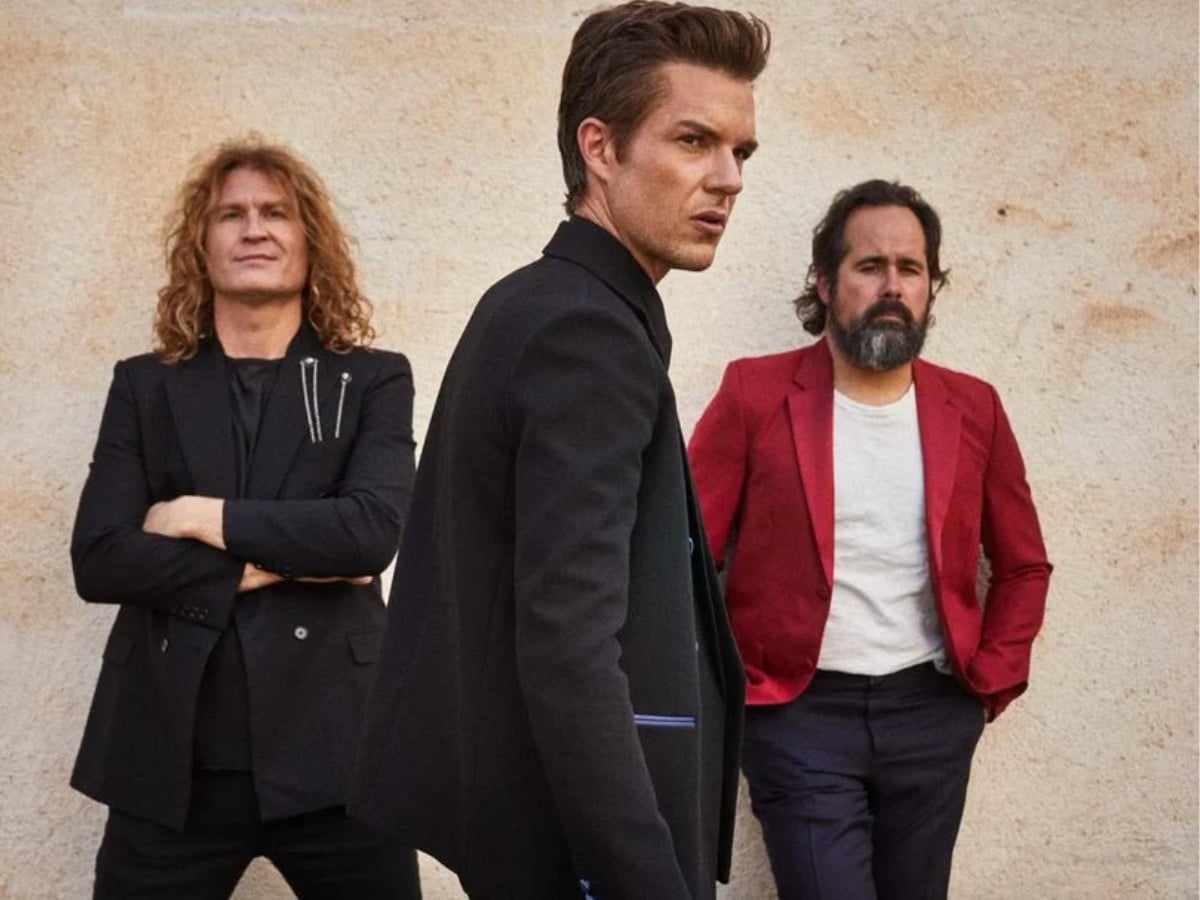
There was always something Anglophile about The Killers back in their indie debut. Taking their name from the fictitious group on New Order’s video for ‘Crystal’, the big lights of Las Vegas were likely the last place anybody thought of when exposed to their early, new wave-spiked anthemic pop and tailored suit clobber. Devotees of the UK’s rock and pop canon, The Killers’ sharp and glistening indie stylings would naturally find their footing over in their spiritual birthplace rather than in the States.
Various live showcases were met with label disinterest until A&R Brit Alex Gilbert took a punt on the hungry Killers, arranging a deal with the UK’s Lizard King Records off the strength of their demo. The ‘Mr Brightside’ debut single would be premiered on BBC Radio 1, and before long, The Killers stood shoulder to shoulder with the rest of the indie mob without the faintest American whiff alongside your Razorlights and Libertines. Constant touring across the UK would build the Las Vegans a massive profile, pushing Hot Fuss to the top of the British charts and making them a fixture of the 2000s’ NME.
To this day, they’re a world-recognised band, but back in the States, they’ll play a large arena show, while in the UK, they can sell out Wembley Stadium. Over 20 years later, ‘Mr Brightside’ still enjoys an unassailable immortality in the British pop landscape, played with cheer at anything from football matches, club nights, and weddings ever since the Brits made The Killers their own.
Jimi Hendrix

He certainly boasted an impressive CV back home in the States, having recorded or played with everybody from Little Richard, Sam Cooke, Ike & Tina Turner, and The Isley Brothers not long after his army discharge in 1962. But the countless floundering on the R&B circuit, as well as the stifling pigeonholes affording little musical freedom for any artistically restless Black man, soon found Jimi Hendrix eagerly accepting former Animals bassist turned manager Chas Chandler’s offer of a contract under his care over in London.
Hendrix was no unknown, playing the small New York clubs as Jimmy James and the Blue Flames, where Chandler caught his live take on Bob Dylan’s ‘Hey Joe’, but it’s his arrival in the UK in September 1966 where his legend was cemented. Before long, Chandler recruited Noel Redding and Mitch Mitchell to form the Experience trio, and, after a spell of shows in Germany, an electric night at London’s Bag O’Nails heralded the arrival of a major US force in the city’s swinging underground, John Lennon, Paul McCartney, Jeff Beck, Pete Townshend, and Mick Jagger among the wowed audience.
The UK charts would see ‘Hey Joe’ and ‘Purple Haze’ enter the Top Ten with Top of the Pops performances for each, as well as Are You Experienced, dropped three months ahead of Hendrix ever making a dent on the US Billboard. With his stardom cemented across the Atlantic, a slot at California’s Monterey Pop Festival in June 1967 would find the Experience finally break America, entering rock lore with his guitar-smashing, fire-igniting magic.
