


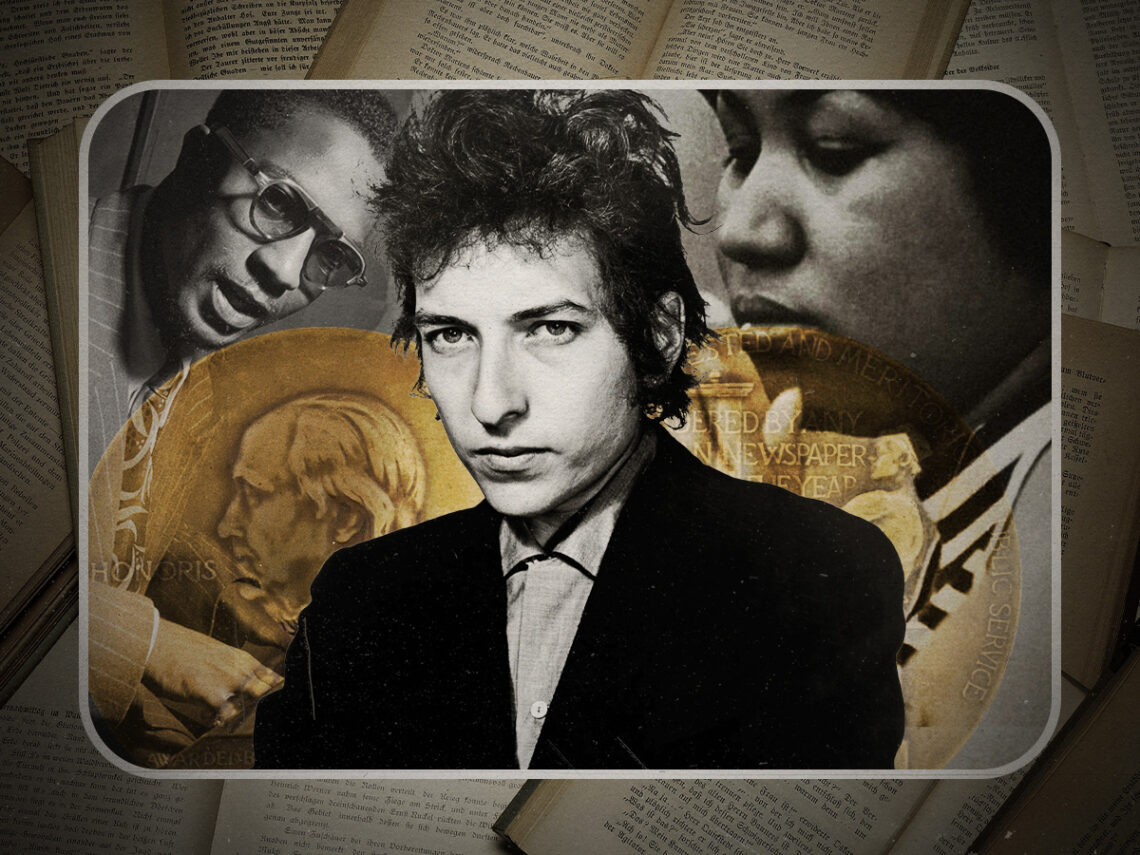
Five amazing artists you didn’t know had won a Pulitzer Prize

June, 1917 – this was the year that the Pulitzer Prize was first established, and it remains one of the most prestigious awards in the culture landscape.
While it’s widely recognised for its acknowledgement of great journalism and education, there have also been awards given out to musicians for outstanding contributions to their chosen fields – a lot of these winners tend to be classical artists, those who have created symphonies that bring new meaning to what sound can achieve, but scattered throughout these accolades are contemporary musicians who you might not expect to win such an award.
From rappers to folk singers to jazz phenomenons, the awards have been given to great musicians from different periods in time and different corners of the musical spectrum. It’s interesting to see how awards in this instance vary from some of the other big accolades in music, as some artists are given a nod who might not be acknowledged elsewhere.
All worthy winners, these are five amazing artists who have managed to take home a Pulitzer Prize, despite being musicians who don’t usually align with the awards.
Five artists who you’ll be surprised have won a Pulitzer Prize:
Kendrick Lamar
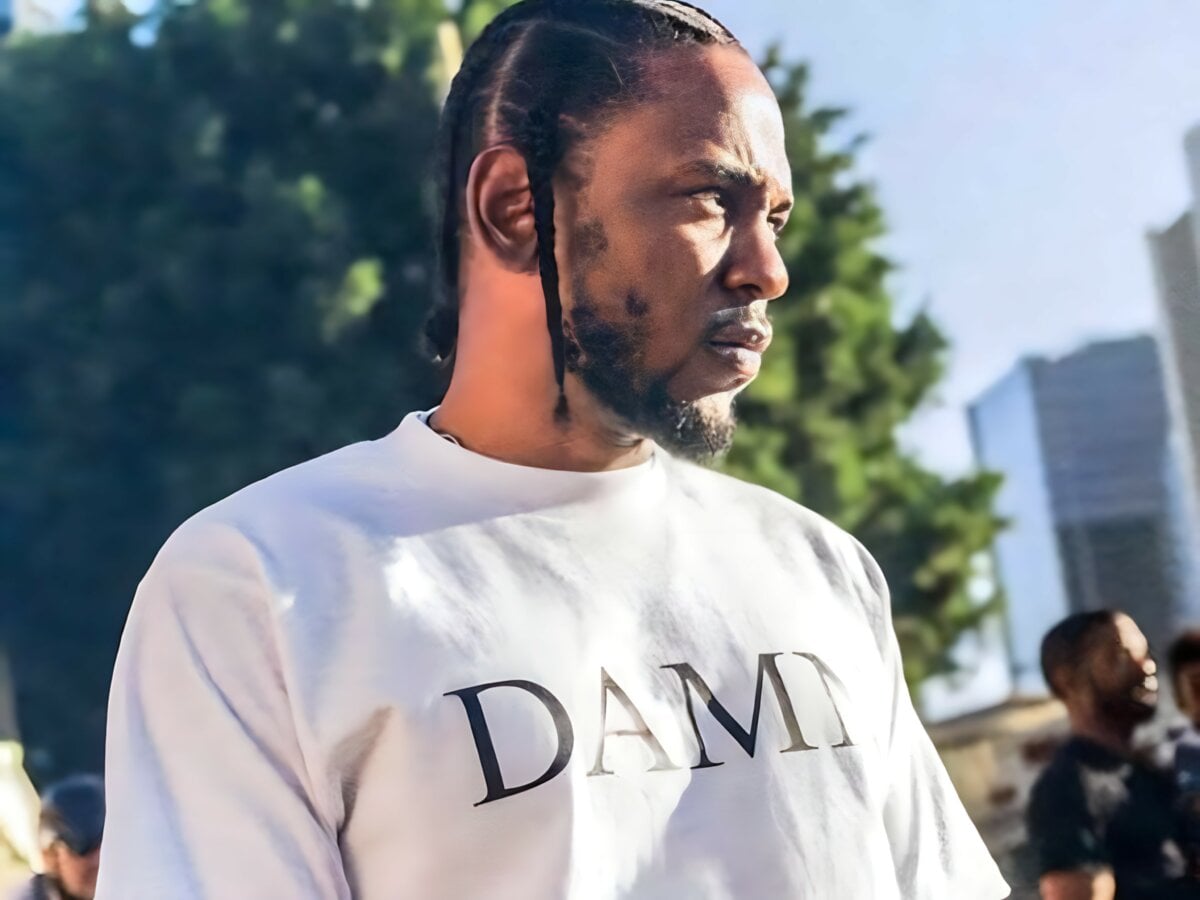
When you think of the Pulitzer Prize, rap music isn’t the kind of genre that usually pops into your head; however, Kendrick Lamar defied expectations when he was given the prestigious award for his acclaimed album DAMN – released in 2017, the record was everything that fans of Lamar have come to expect, diving lyrically into personal struggles, politics, and all things in between.
A lot of people still criticise rap music, but Kendrick Lamar proves that it’s simply another form of poetry. No topic is off limits, and the unique way that opinions can be expressed and emotions can be explored is unlike any other genre, and while a lot of people might not align the Pulitzer Prize with rap, Lamar proves that this style has a place within the prestigious awards.
Ornette Coleman
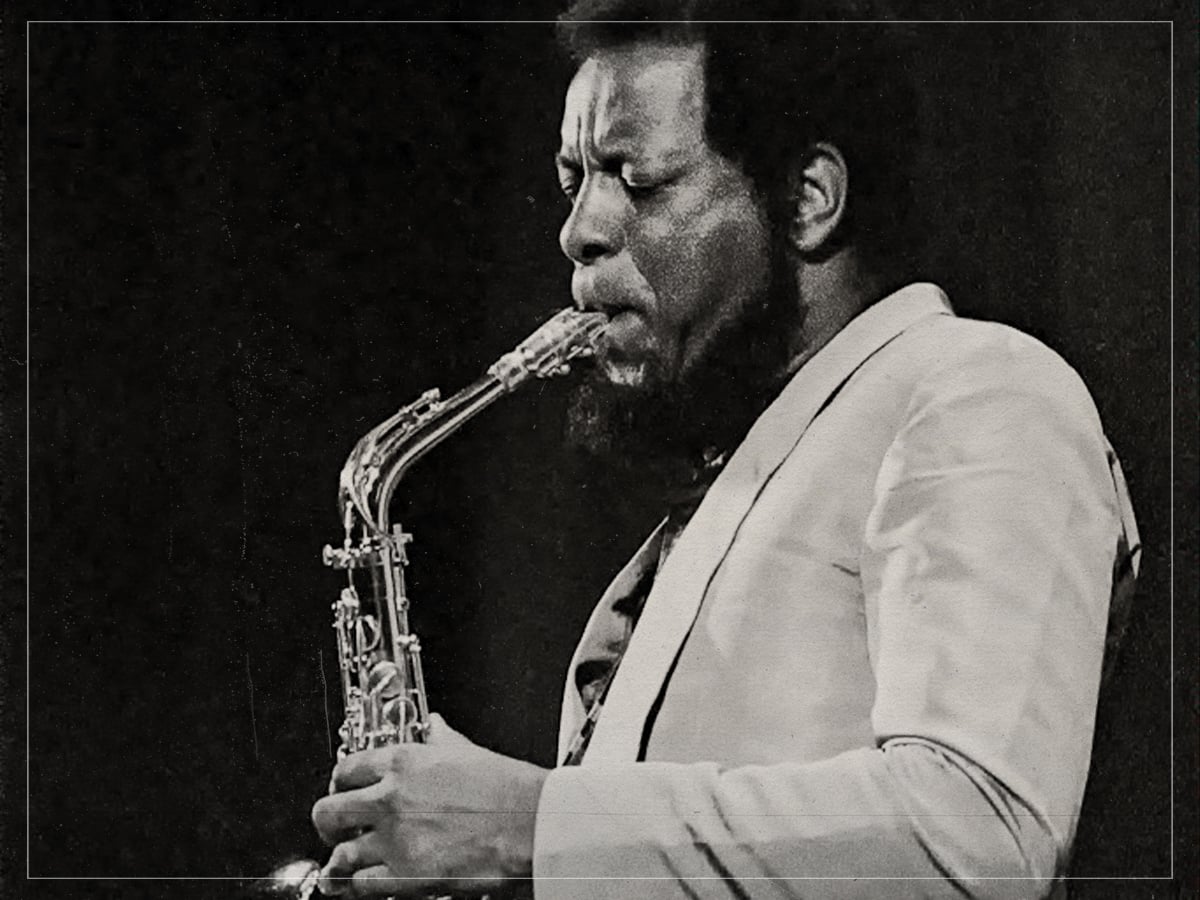
Ornette Coleman is one of the most exciting jazz musicians of all time, but when he first started experimenting with his music, there were a lot of people who didn’t quite take to it, because he played around with the chaotic branch of jazz known as free jazz – this involved taking apart the regular structure of jazz music and using notes that didn’t belong together, which, to many, sounded completely unlistenable.
While some people might not have liked that free jazz sound, it’s now recognised as a huge turning point, as it showed that artists could bend the rules of a genre and produce something unique and exciting as a result. He was given a Pulitzer Prize for his contributions to music, specifically for the album Sound Grammar, and his influence on music can be heard in multiple genres today, not just jazz, but punk, rock, prog, and all things in between.
Bob Dylan

Bob Dylan’s songs might not have been musically complex, but lyrically, they tapped into something that other artists seem unable to scratch the surface of. His combination of accessible lyrics paired with abstract words that you could spend hours deciphering led to him being given a Pulitzer for his outstanding contribution not only to music, but literature as a whole.
Bruce Springsteen put it best, saying that Bob Dylan didn’t just make good music, he made music that made him view the world differently. “I was very influenced by Dylan. I always say he’s the father of my country,” he said. “He initially provided me with a picture of a country that I recognised. One that feels real, feels like the truth.”
Aretha Franklin

Aretha Franklin didn’t just have a great voice, but a pivotal one, one that led the soundtrack for civil rights movements and that inspired everyone within earshot. She remains one of the most important figures in music, not just because of what she released, but the mindset she championed that will live on forever.
Al Sharpton once spoke about the spirit of Franklin that earned her the respect of listeners around the world and that got her a Pulitzer Prize. “Aretha never took orders from nobody but God,” he said. “She stood for something, she never shamed us, she never disgraced us… she represented the best in our community, and she fought for our community until the end.”
Thelonious Monk
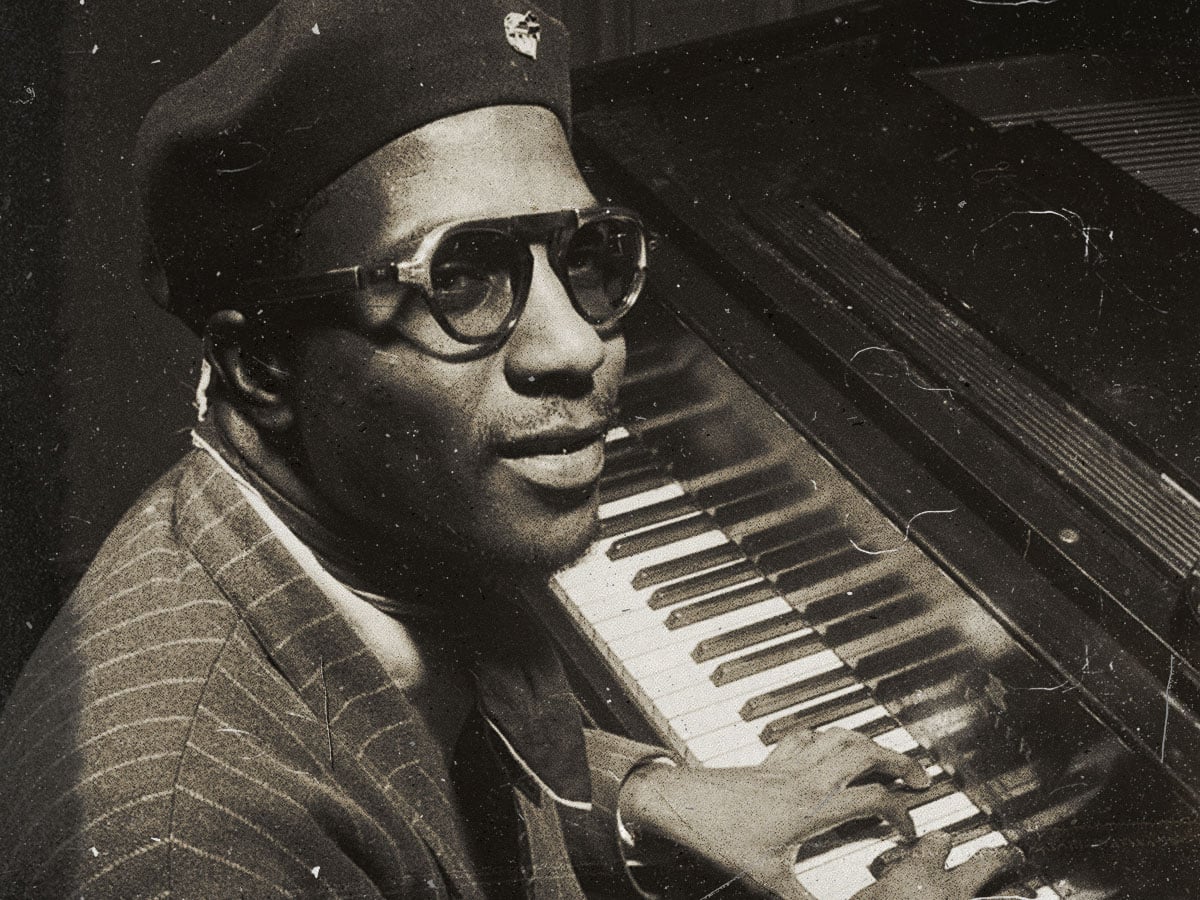
Thelonious Monk is one of those artists who you can’t imagine sitting down to learn his instrument, he played so naturally, so effortlessly, that you would be forgiven for thinking he was simply born to play. He was awarded a Special Citation Pulitzer Prize in 2006, which was honoured to him because of the outstanding contributions he had made to the perfection and evolution of music.
“Monk said, ‘There is no wrong note, it has to do with how you resolve it.’ He almost sounded like a kid taking piano lessons,” said Tom Waits when discussing his adoration for the artist. “I could relate to that when I first started playing the piano, because he was decomposing the music while he was playing it. It was like demystifying the sound, because there is a certain veneer to jazz and to any music, after a while, it gets traffic rules, and the music takes a backseat to the rules.”

Never Miss A Tale
The Far Out Bob Dylan Newsletter
All the latest stories about Bob Dylan from the independent voice of culture.
Straight to your inbox.