


The five albums only critics like, according to data science

Is ‘critique’ just a fancy word for an arbitrary opinion from someone with an ego? According to the unsolicited messages I receive on social media, that certainly seems to be a line of thought that plenty of people subscribe to, especially if they’re called Ken from Florida.
But to Ken, I would perhaps egotistically argue that a fan gets to enjoy art subjectively, it’s the critic’s job to bridge that undeniable facet of creativity with some form of objectivity, too. Granted, as the old meme says, they don’t build statues of critics (of course, barring the countless times that they have), but they do sometimes build statues of the stars that critics have been integral to promoting.
These days, over 100,000 songs are uploaded to Spotify every day. While that seems like a democratisation of art, it would also present untold challenges if such a glut was devoid of any critical arbitration. Without any discerning of what invaluably illuminates society, of what advances or nails musicology, of what simply comes with a known backstory, we’d be on a slide towards the death of art and the rise of anonymous, free noise.
So, while the role of the critic seems increasingly important, we figured we’d take a look at the times where their opinions didn’t quite seem to align with the public’s. Using data compiled by Henrik Franzon, who aggregated review scores from countless verified sources over years and years, and approved sales figures, we’ve come up with five definitive albums that critics rave about but the public don’t care for quite so much.
So, these are the albums that science has decreed five-star flops that you couldn’t flog to the masses if they were free… which is pretty much what they are now, and the reverence still isn’t matching up with non-existent revenue.
The five albumsthat only critics like:
The Velvet Underground & Nico – ‘The Velvet Underground & Nico’ (1967)
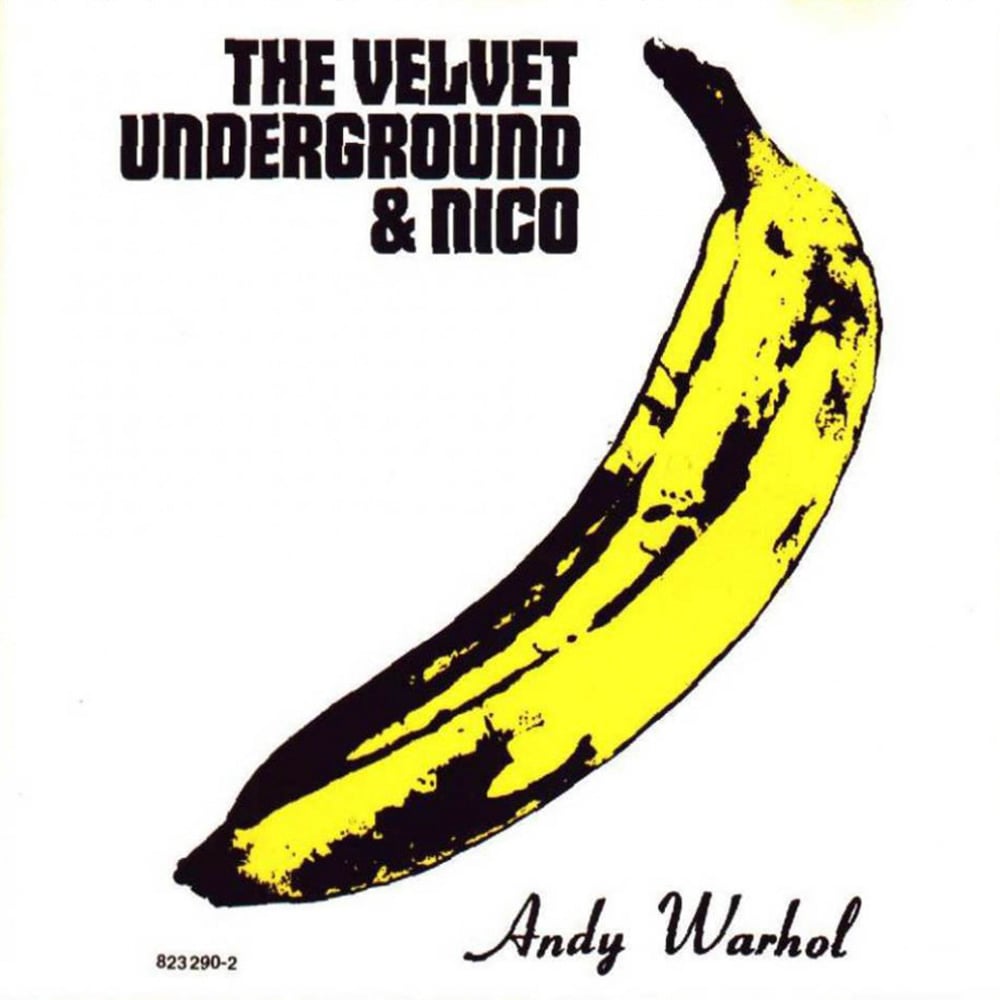
It’s the classic rags-to-riches story, that, in fairness, not even the critics were all that fussed with initially. Then, The Velvet Underground & Nico rose to revered indie ascendency and David Bowie called it more influential than The Beatles. But what is often lost in this all too neat narrative is that the subsequent riches have never really arrived.
It charted at 171 upon release and failed to garner any real press outside of some middling murmurrings in Andy Warhol’s carefully curated circle. Since then, according to Franzon’s scientific data, it has asserted itself as the fourth most widely celebrated album ever released based on critical reviews. So, you might expect it to have sold a few more copies than one million record sales in 58 years since its release.
That figure certainly proves that there’s been an uptick in its popularity alongside critical approval given that MGM royalties records show it sold just around 58,000 in its first two years – albeit that’s more than Lou Reed even thought – but seeing as though it is sandwiched between Revolver by The Beatles (which has sold around eight million copies), and What’s Going On by Marvin Gaye (which has sold around five million copies), it’s reputation still outstrips its actual presence within music. Or at least it does for now.
LCD Soundsystem – ‘This Is Happening’ (2010)
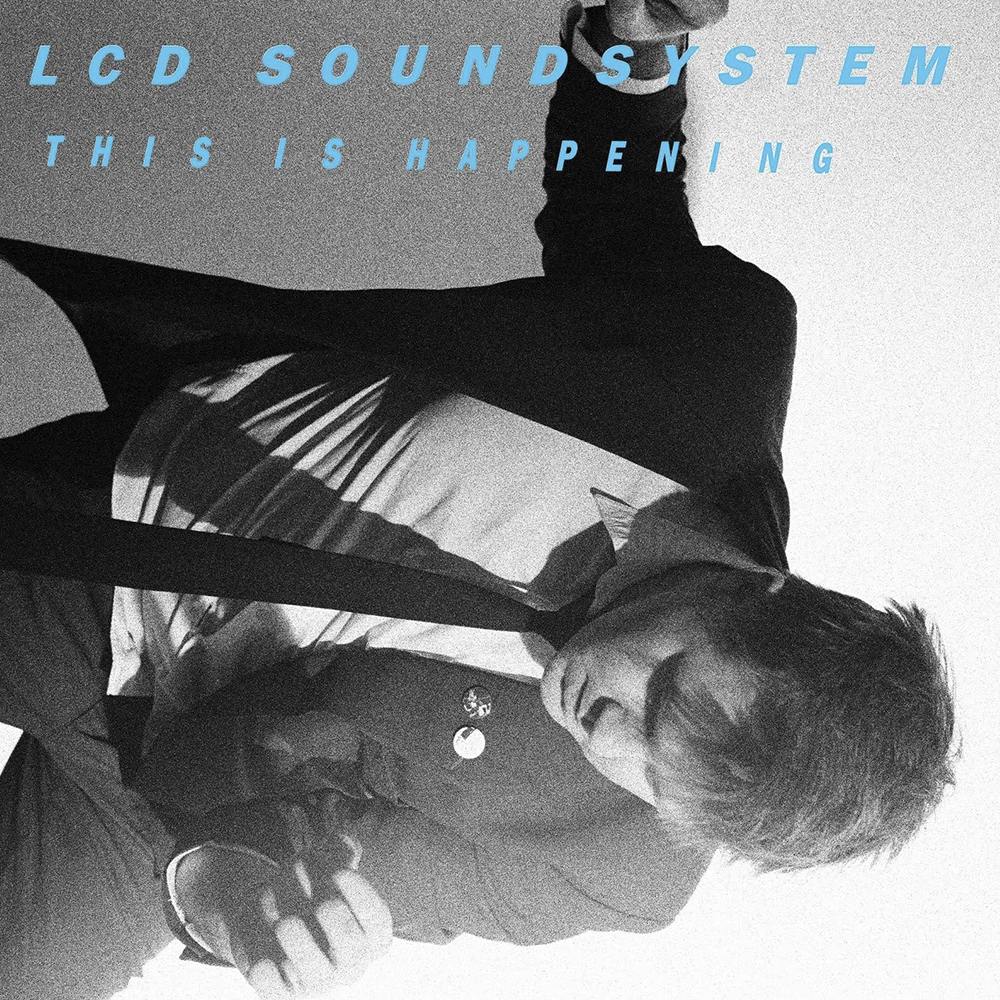
A seminal album that reinvented indie to such an extent that it stands proudly as the 245th most celebrated record of all time, or the ultimate hipster signalling showpiece that has only actually fetched sales of around 275,000 in the 15 years since its release? This Is Happening by LCD Soundsystem happens to be both.
New York City culture is often critically heralded beyond its command over wider public attention. And albums don’t get much more New York than This Is Happening. In fact, it’s so New York, it’s practically Brooklyn. In every cool studio flat in the city, you’re likely to find a copy. But its ubiquity at warehouse conversions the world over has not been reflected in the wider sales of the seminal album.
It peaked at tenth in the US chart and didn’t hang around for long. It might have been pretty much instantly hailed in the upper echelons of the year-end lists for 2010, but since then, it has surpassed that positive start to achieve iconic status. Or at least that’s what retrospectives might reckon, but while it occasionally pops back into the doldrums of the charts fleetingly, its sales have rather flatlined.
Talk Talk – ‘Spirit of Eden’ (1988)
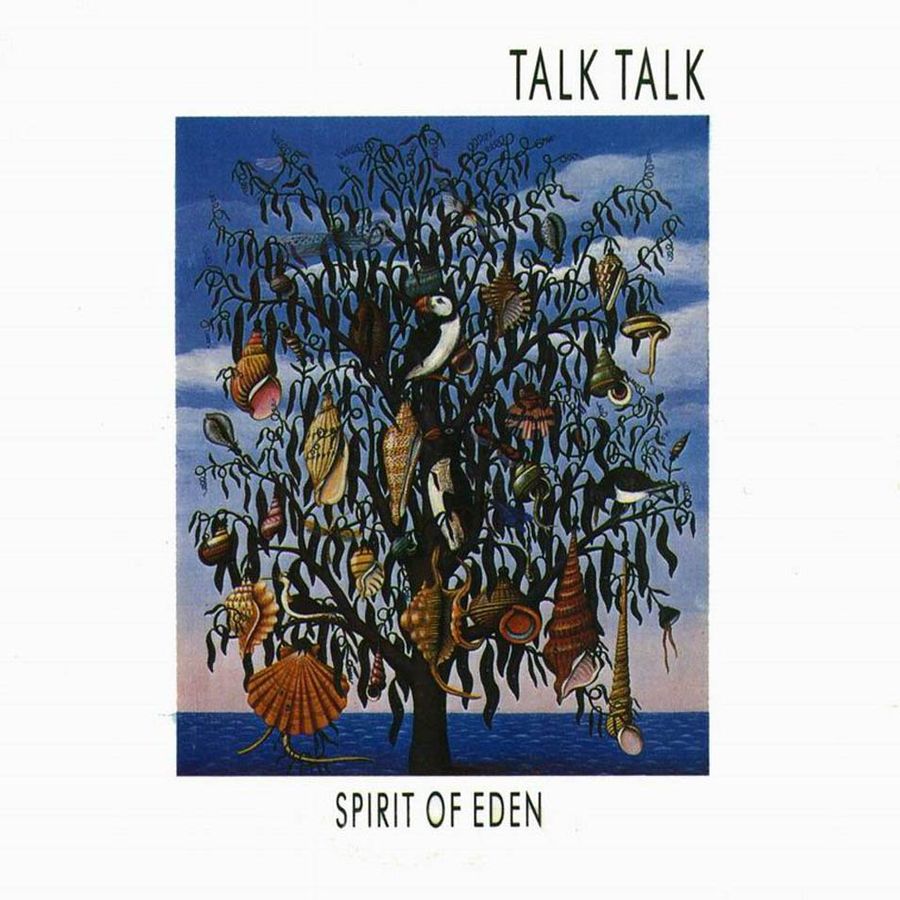
Shout the name Mark Hollis into a crowd, and if someone’s head swivels and their eyes light up, there’s a fair chance they’re a music journalist. The late songwriter from Tottenham was a talent firmly of the musician’s musician ilk. While Talk Talk might’ve had big hits with the likes of ‘It’s My Life’, it’s their least commercial work, Spirit of Eden, that is championed as their classic.
The album ranks as the 413th finest of all time, according to Franzon’s tireless data science, but given the fact that its shortest song is 5:16, it has barely been heard on the radio. In fact, it has barely been heard, period. The highest chart position it achieved upon release was in Switzerland, where it rose to 12th. While it has surpassed 60,000 sales in the UK, it has never been certified anywhere else in the world.
But thanks to its blend of post-rock, ambience and innovative recording techniques, it is cherished by those who have heard it as a masterpiece. It broke through the mess of hair rock like a spiritual assagai of hope for a cleverer, calmer world. That timing mattered, and critics who were sick of an endless slew of synth pop and sultry rock recognised it in a flash, thankfully heralding a record that made experimentation cool, and the few musical folks who took notice were soon doing the same.
Brian Eno – ‘Another Green World’ (1975)
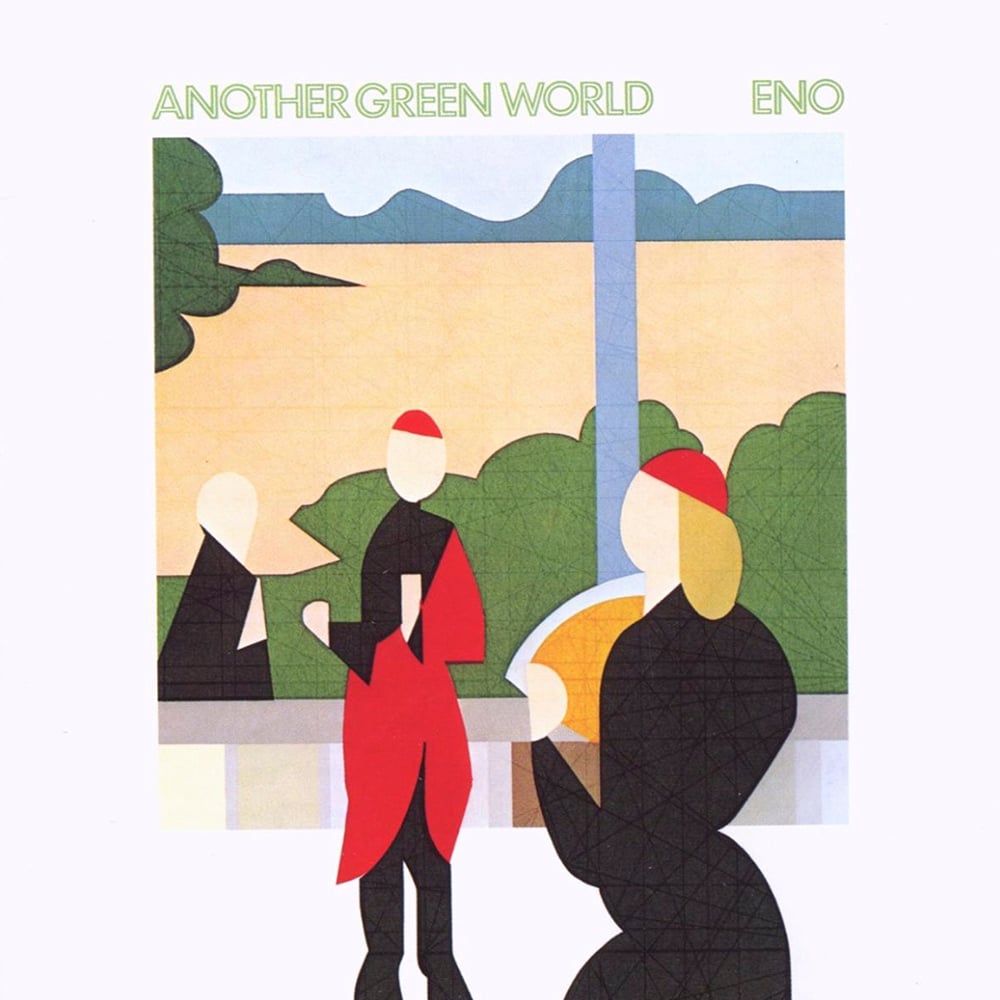
“My reputation is far bigger than my sales,” Brian Eno told the Los Angeles Times. “I was talking to Lou Reed the other day, and he said that the first Velvet Underground record sold only 30,000 copies in its first five years.” As we know, he’s slightly off on that, but Eno wasn’t about to call him out.
The former Roxy Music man continued, “Yet, that was an enormously important record for so many people. I think everyone who bought one of those 30,000 copies started a band! So I console myself in thinking that some things generate their rewards in second-hand ways.” In part, it’s the critic’s job to see that second-hand influence and help to foster it when it comes to worthy records.
When it’s your job to listen to so many unreleased albums every year, those that stick out as something new for good reason are always worthy of reverence, even if you don’t envisage them being a big hit on any level. That was certainly the case with the ambient breakthrough of Another Green World. It might have barely sold upon release, peaking at 24th in the New Zealand chart and absolutely nowhere else, but it represents such a pivotal moment for popular music that it’s well worthy of its 290th place on Franzon’s list.
Captain Beefheart – ‘Trout Mask Replica’ (1969)
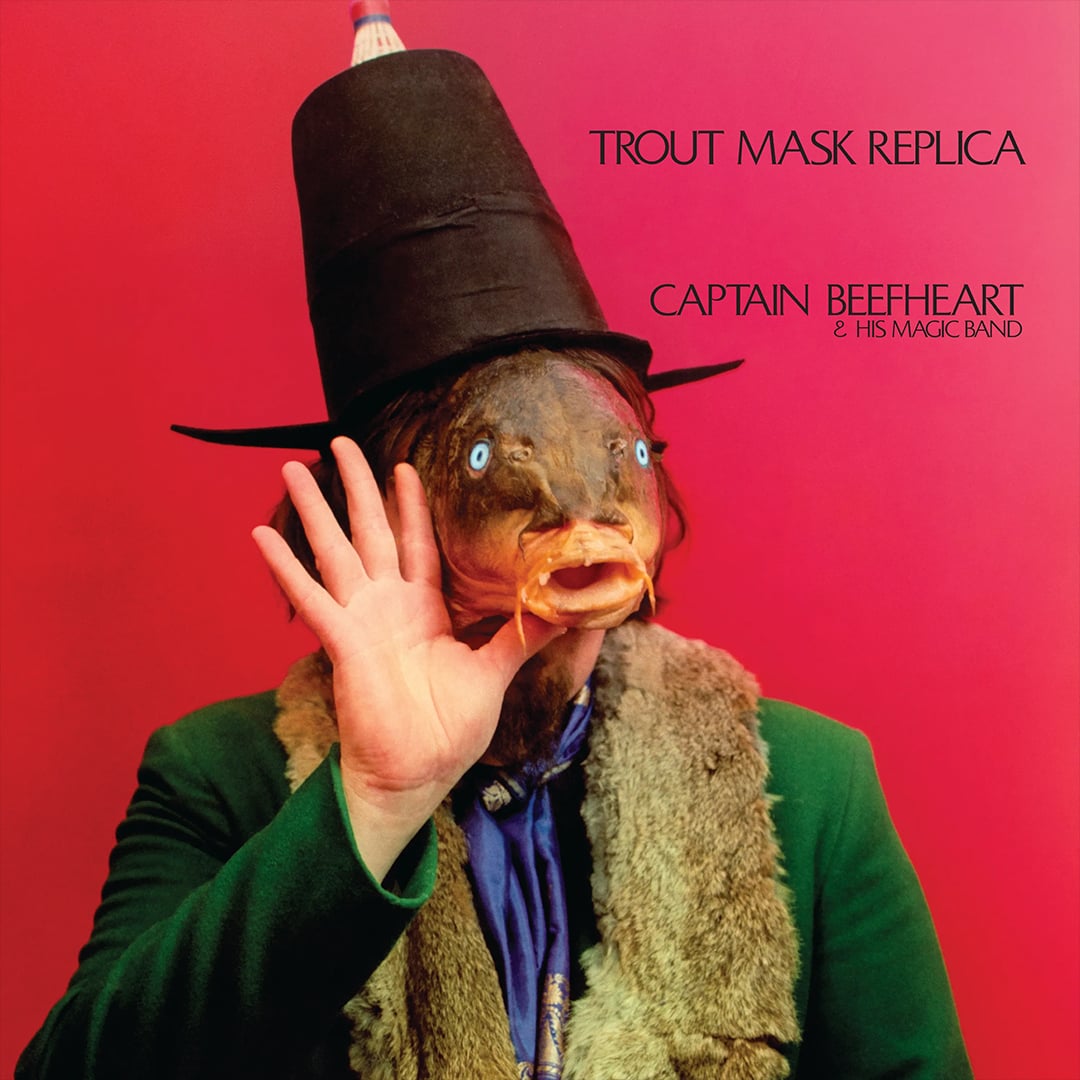
If listening to music is part of your trade, after a while, it becomes rare to find anything new under the sun. Surprises prove elusive. But there has never been anything quite as surprising as Trout Mask Replica in the history of music. For some, that’s because it’s a manic racket of rubbish that nobody else would have the decency to dare to record. For others, it’s because it’s a masterpiece that reinvented music in a manner that can’t be replicated.
So, according to Franzon’s data, it sits just behind Hunky Dory in 76th place on the most critically acclaimed records of all time list. However, it certainly sold a lot less than its neighbour. Trout Mask Replica failed to chart anywhere in the world. For years it wasn’t available on streaming either. And you even suspect that some people who claim to like have never actually heard it the whole way through.
So, whether it is a mishmash of nonsense or an avant-garde breakthrough still remains to be seen. On this occasion that fact alone is at least representative of art worth remembering.
