

Mark Hollis’ favourite Talk Talk album
Read More


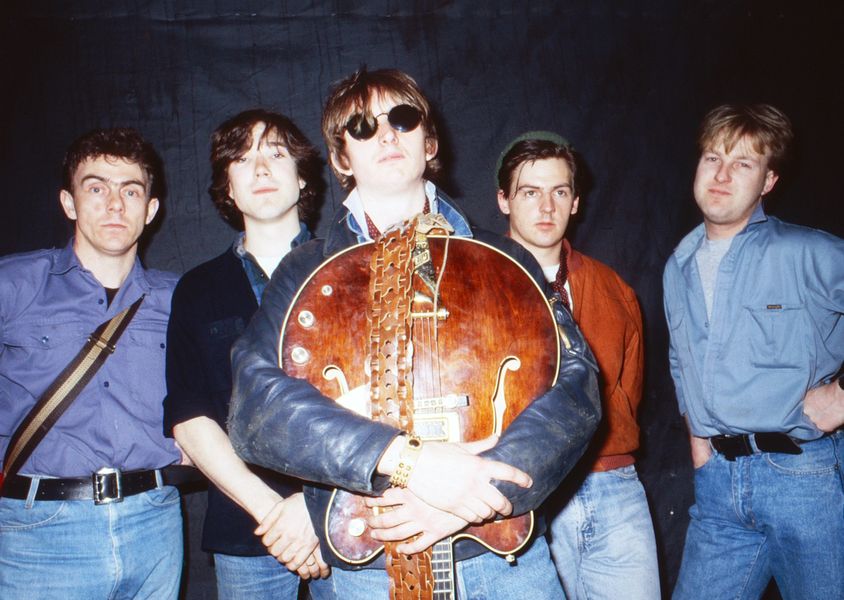
The year is 1988. Hair metal is the dominant genre in rock music, with groups such as Mötley Crüe and Poison enjoying much chart success, to the disdain of many. On the other side, alternative music is also flourishing, with bands such as Pixies and Dinosaur Jr. leading the underground revolt against the ubiquitous genre of music that placed misogyny and excess right at its very core.
Bands such as Metallica and Guns N’ Roses are also enjoying a colossal level of success and on both sides of the Atlantic, the rave scene was booming. Then, in September comes along Talk Talk with their fourth album, Spirit of Eden.
This was not the Talk Talk who were known for their 1984 synthpop hit ‘It’s My Life’ though. This was a new Talk Talk. With the release of their third album The Colour of Spring in 1986, the band had invited in experimentation, utilising more instruments and textures, to create an organic sound, which was a complete departure from their earlier style.
Then Spirit of Eden arrives. Minimalist and dynamic, in many ways, this was the most experimental album a popular band had released since The Beatles dropped Sgt. Pepper’s in 1967. It would be fair to say that on Spirit of Eden, Mark Hollis and Talk Talk truly arrived. They’d teased what was to come on The Colour of Spring, but now they’d fully realised their expansive yet restrained creative vision.
It was so different, and it stood out like a sore thumb amongst everything else, but this only stood the album in good stead. After the release of Spirit of Eden, Talk Talk leader Hollis was hailed as a visionary, a creative genius who had just written not only one of the albums of the year, nor decade, but one of the greatest records of all time.
Even today, some 34 years later, Spirit of Eden is mindblowing. Perhaps, the track ‘Desire’ is slightly outdated, but even it contains so much more pulp than anything Mötley Crüe, Guns N’ Roses and Pixies were releasing at that point in time. It was futuristic, fluid and artistic, hinting at the direction that many alternative artists would embark on over the course of the next decade, which has continued to this very day.
Reflecting just how groundbreaking the album was, when creating the record, the band often worked in darkness, recording many hours of improvised performances that drew on a plethora of styles, including jazz, ambient, classical and dub. These stream of consciousness, long-form pieces were then edited and rearranged into the album. This was the ‘cut-up technique’ just on a much broader, more profound scale.
Due to this, what emerged was an album that was challenging, not easily accessible, and engaging. The album opener ‘The Rainbow’ makes a strong claim for being one of the best album openers of all time. It’s wailing harmonica and plodding, blues-influenced rhythm, with Hollis’ angular guitar, combined with the rest of the textures to create something people had never heard before. It’s languid, hypnotic and cathartic, everything you want from a track.

Definitively, Spirit of Eden set a precedent for bands such as Radiohead to come in and dazzle the world in the name of experimentation. Whilst we’re on this point, Radiohead are often hailed as the masters of alternative experimentation, when actually it was Talk Talk. It was they who opened up the floodgates. The follow-up, 1991’s Laughing Stock is also incredible and confirms this sentiment.
Every track on the album is a classic, but the penultimate track, ‘I Believe in You’, is the standout. Pulling you in with the teasing beat, and the emotive piano, the key change at the chorus sends the serotonin pulsing through your brain. Added to this, Hollis’s vocals shine on the song, weaving in and out of that fantastic bassline.
The bassline seemed to heed the advent of trip-hop that would dawn a few years later, and the way it cuts through the swirling mix, tying the piece together, is an example of simple but effective musicianship. It then takes a side step for the ethereal chorus, which is the best that Talk Talk ever created. Short and simple for sure, but it does more than what any standard chorus does, and garners such an internal response, that you can forgive yourself for thinking you’re on drugs.
There is so much to love about Spirit of Eden, and decades since its release, there remains much to explore within its dynamic textures. The album that made difference and experimentation cool, it’s rightly coveted and is, without a doubt, one of the finest albums ever made. If the Garden of Eden had a sound, it would be this.
Listen to Spirit of Eden in full below.
