


‘Invocation of My Demon Brother’: experimental occultism soundtracked by Mick Jagger

The work of underground filmmaker Kenneth Anger is hard to put into words; creating over 40 short films from 1937 onwards. He created a unique sort of hellscape in his work that made a general mood of homoerotic surrealism and magical fantasies, and he was one of the first openly queer filmmakers in the United States who explored his sexuality in his mystical work. Many of his earlier films were released before homosexuality had been legalised, and his film Fireworks in 1947 led him to be put on trial for obscenity charges due to its sexual content.
In the 1950s, he began working on some of his most notorious films, influenced by the counterculture at the time and involving these ideas in a series of Thelema-themed works, a spiritual philosophy and new religious movement that evolved in the early 1900s. This led him to direct Invocation of My Demon Brother, a project that led to a surprising collaboration in the 1970s.
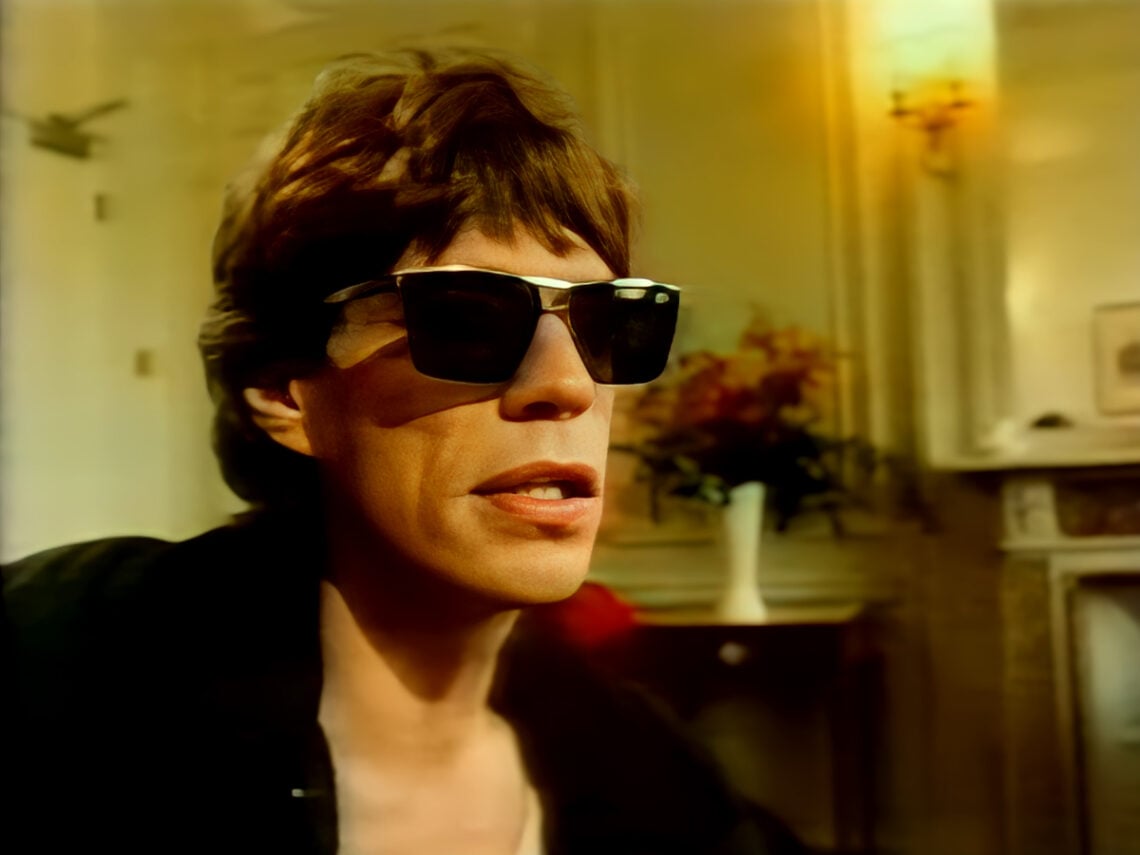
Invocation of My Demon Brother is an occult based film that is hard to make sense of, with Anger experimenting with insanity and the world of witchcraft, creating a deliberately messy and satanic-feeling story. However, the film gave birth to an interesting pairing between Anger and Rolling Stones singer Mick Jagger, who soundtracked the strange little film.
After Jagger’s split from the Rolling Stones, he ditched his usual style and opted for something a little different, abandoning the bubble of pop and making something a little more experimental. It begins with an electric hissing sound that crescendos into Jagger’s repeated use of four single notes, distorting the final note each time in an eerie and unsettling soundscape.
The music very much reflects the Satanic themes of the film, with Anger referring to images of people worshipping the Devil. It calls upon the darkest elements of the sub-culture at the time and references the internal chaos and clash of the ’60s. The role of Lucifer was initially offered to Jagger himself, but the singer declined and chose to focus on the score.
Filmmakers such as Martin Scorsese, David Lynch and John Waters have cited Anger as an influence, with the Kinsey Institute for research in Sex, Gender and Reproduction saying that Anger had “… a profound impact on the work of many other filmmakers and artists, as well as on music video as an emergent art form using dream sequence, dance, fantasy, and narrative.”
As well as his working relationship with Jagger, Anger also had a friendship with Led Zeppelin guitarist Jimmy Page, going to visit the guitarist at his home in Scotland and help him exorcise a headless ghost that Page believed had infiltrated his home, for which the musician agreed to soundtrack Lucifer Rising, Anger’s 1972 film. However, the pair had a disagreement and Anger replaced his music with a score by Beausoleil, who was in prison at the time.
The life and work of Kenneth Anger is a baffling creative feat, and his life was so eclectic that to write about it doesn’t quite do it justice. But if you’re ever looking for a great story, look no further than the captivating albeit disturbing work of the filmmaker who relished in being an outsider and master of mayhem.
