


Why was the 1970s such an influential decade for LGBTQ+ cinema?

On-screen representation is vital when we consider how movies shape our understanding of the world. As Oscar Wilde famously said, “Life imitates Art far more than Art imitates Life,” highlighting how art and our perception of the world around us are intrinsically linked. For people to feel understood and made visible, those of all genders, races, sexualities, and abilities must have their stories told.
The film industry has always expressed a bias for straight white male filmmakers since it first emerged, with specific hegemonic beliefs being perpetuated on screen. Gay representation has a long and complex history due to the fact that homosexuality was illegal in many countries, such as the United States, for a long time – and still is banned in many other places across the world. Thus, it’s rare for explicit depictions of relationships between two men or two women to be found within films made in the first half of the 20th century, with a lot of filmmakers instead relying on queer subtext or ambiguity.
Of course, there certainly were examples of movies that weren’t inconspicuous in their portrayal of homosexuality, but these films were often shocking for audiences, and many were banned, like Madchen in Uniform. The Hays Code was implemented in 1934, which prohibited the depiction of homosexuality within Hollywood movies, among various other themes. Gay people were essentially silenced, their stories unable to be told in the mainstream.
The first gay narrative film arrived in 1947 with Kenneth Anger’s experimental short, Fireworks. He continued to make movies with homosexual themes and characters, like Inauguration of the Pleasure Dome (1954) and Scorpio Rising (1963), truly pushing the boundaries. His movies were hugely influential, although when he started making them, homosexuality was still illegal in the United States. It wasn’t until the early 1960s that certain states began decriminalising homosexuality, although there was still a long way to go in terms of gay liberation.
The Stonewall riots occurred in 1969 after members of the local gay community in Greenwich Village began fighting back against police who raided the Stonewall Inn, a safe space for marginalised groups. This was an incendiary moment, inspiring the true beginning of the gay rights movement in the United States, with activists campaigning for gay people to be treated like normal people and for their sexualities to be decriminalised, hitting out against the violence and disgust often targetted at LGBTQ+ people.
While underground filmmakers like Andy Warhol, Paul Morrissey and Anger were making LGBTQ+ cinema during the ‘60s, with the gay rights movement gaining traction and the Hays Code coming to an end in 1968, filmmakers were now given the opportunity to spotlight homosexual characters in the mainstream. The ‘70s ended up becoming a seminal decade for the representation of queer lives on screen, paving the way for the current landscape of cinema, where gay characters and relationships can be found in everything from blockbusters to made-for-television movies.

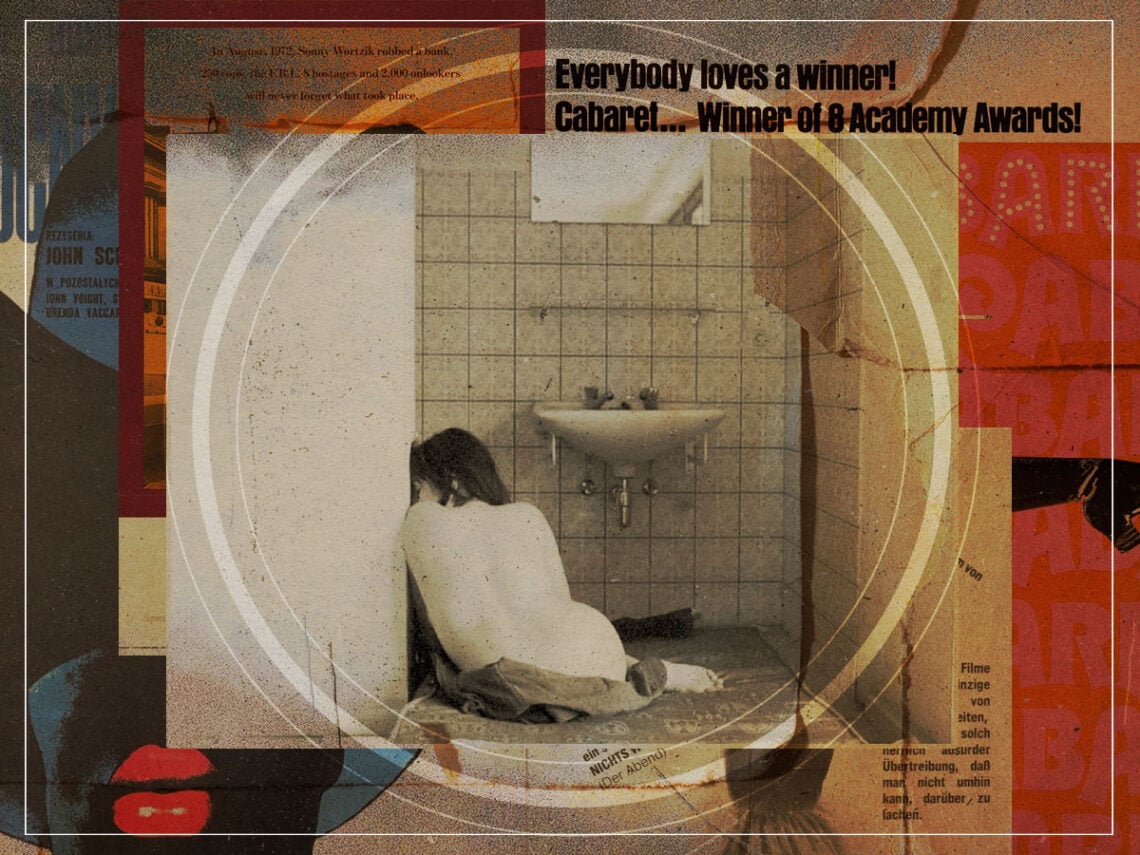
Some of the most acclaimed movies to emerge during the ‘70s featuring queer characters and storylines include Dog Day Afternoon, Midnight Cowboy and Cabaret. Each film won at least one Academy Award and remains heralded piece of cinema, suggesting that attitudes were changing and audiences were becoming more receptive to seeing films about gay characters and, in the case of Dog Day Afternoon, those exploring transgender themes. Some particularly celebrated and popular European movies dealing with LGBTQ+ themes were also released in the ‘70s, like The Bitter Tears of Petra Von Kant, The Decameron and Il Conformista.
The most subversive works of LGBTQ+ cinema came in the indie scene, however, with John Waters rising to become a queer auteur. The filmmaker placed Divine, a drag queen, at the centre of most of his films, like the shocking Pink Flamingos, Multiple Maniacs and Female Trouble. He often showed same-sex relationships, and in the latter, one character even insists that “the world of the heterosexual is a sick and boring life.” His films have become coveted by many, including the queer community, with his films acting as a safe space for anyone who has ever felt like an outsider.
During the ‘70s, there was an influx of sapphic vampire films, with seductive, bloodthirsty women lusting after other women. Many of these were cheap, exploitative B-movies directed by men, although some hold up as stylish horror flicks. From Daughters of Darkness to The Vampire Lovers, Mary, Mary, Bloody Mary, Vampyros Lesbos and Le frisson des vampires, this sudden wave of cinematic lesbianism was often sensationalistic and overly sexualised. Luckily, filmmakers like Chantal Akerman were giving lesbian women defined voices with her work, such as Je Tu Il Elle, a film that features one of the longest lesbian sex scenes in cinema history.
The ‘70s also saw an influx in movies about transgender characters, such as Change of Sex, In a Year of 13 Moons, Myra Breckinridge, and I Want What I Want. The problem was, especially demonstrated by Myra Breckinridge, that many movies that attempted to depict transgender issues simply didn’t have the understanding that we have today, nor did they ever seem to cast real trans actors. Even today, there is still a distinctive lack of good transgender representation in cinema.
As the decade welcomed movements like gay rights, feminism and Black civil rights, movies, both underground and mainstream, started to reflect a new sense of open-mindedness. Explicit gay sex scenes, transgender characters, lesbian representation, and more complex depictions of queerness were welcomed into the industry after decades of censorship. While there were many viewers who were still not comfortable with these depictions – and there were some films which took pretty questionable, dated approaches to their themes – there was a noticeable shift in people’s opinions, and now, LGBTQ+ representation in cinema is commonplace.
