



Everyone needs a post-cinema ritual

On a flight some years ago, I sat next to a film producer who told me about his divorce. “We would go to the cinema, and she wouldn’t want to talk about the movie afterwards,” he said. “I wanted to analyse it and share opinions, but she just wouldn’t have anything to say.”
As someone who writes about film for a living, I am firmly with his ex-wife on this one. For me, the quality of a film directly corresponds to how long it takes me to talk about it. I was ready to debate Disclosure Day within about 20 minutes, but even after a few months, I’m still not quite sure how to articulate the experience of watching Rose of Nevada. The best movies take time to percolate, and even the bad ones – especially the noble failures – deserve contemplation.
Unfortunately, we live in a time when contemplation is attacked from every angle. Our attention spans are shrinking, and our addiction to phones makes it a constant battle to not start googling or checking social media instead of taking a minute to process an experience. When it comes to movies, the problem is more specific. Once upon a time, cinemas actually let you sit, undisturbed, through the credits, but these days, they switch on the overhead lights and start sweeping up popcorn before the final frame has finished fading.
At its best, cinema is a religious experience that deserves a certain level of respect. Imagine turning up to church and having the priest run through 20 minutes of sponcon before getting to the Jesus stuff. Imagine the end of the sermon getting cut off by the organist hammering out the Jaws theme.
Mainstream cinemas have become increasingly hostile to the processing portion of movie-going, which leaves it up to the individual viewer to sort themselves out. What do you do at the end of a horror movie when you’re still shell-shocked from the twist ending? What if you’re still sobbing at the end of a tearjerker?
What if you’ve just seen a movie that has renewed your hope in humanity, but you now have to walk into a shopping mall where everyone is either staring at a phone or filling the existential void by hoovering up the latest imitations in fast fashion? For most of us, the buffer to the outside world isn’t a buffer at all: You get your phone out to check your emails, the news, and everything else that definitely doesn’t need your attention.
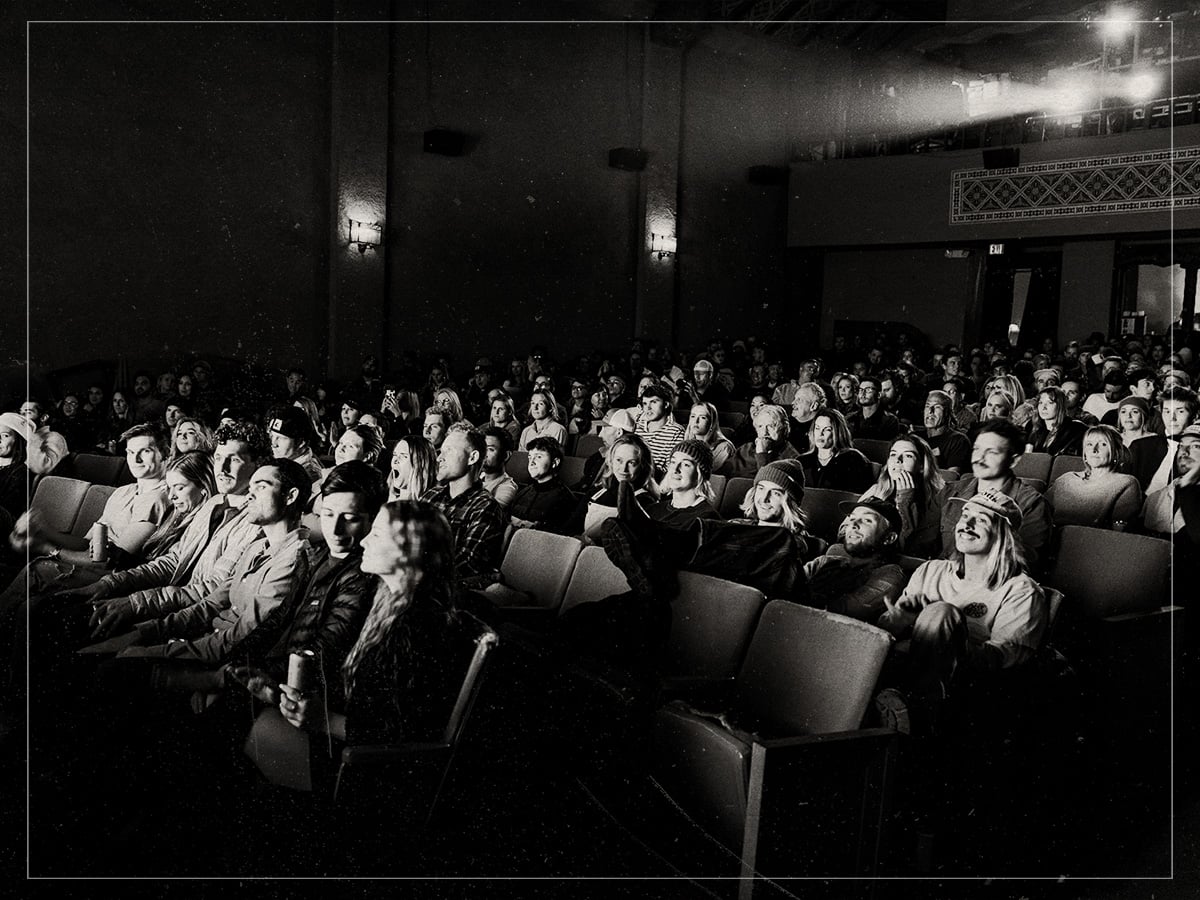
Despite all these hurdles, we owe it to the filmmakers, their art, and ourselves as cinema lovers to sit with a movie after it’s finished, in the same way that we sit with a painting at a museum. Some independent cinemas have it all figured out. They’ll wait until the end of the credits to bring up the house lights and provide some sort of halfway lounge where you can drift back to Earth before heading out into the depressing sameness of the real world. For those who have no option but the multiplex, though, there are decisions to make.
Maybe you’re a person who likes going to the pub after the cinema. This is probably ideal for the extroverts, who like to formulate their opinions by talking about them. For others, though, it takes a little time to find the words, even for a mediocre movie. Over the years, I’ve gone through countless post-cinema rituals, depending on the cinema, the time of day, and the company.
There was one cinema that I always ran to. Running is its own form of meditation, of course, but there is a dissonance about sitting in a darkened room for two hours and immediately stepping out into the daylight and exercising. Walking is an option, but most mainstream cinemas aren’t in particularly scenic areas. Why would you elect to go on a stroll through a parking garage unless you absolutely had to?
Some people, especially critics, like to write about a movie immediately afterwards, formulating their notes into a handful of cohesive sentences. But where do you do it? At a coffee shop? A bar? A library? Maybe you have a dentist appointment, or you need to get groceries on the way home. Can those be meditative enough?
Everyone will have their own answer, of course, but it’s worth taking the time to find yours. It’s so easy to consume media nowadays. The temptation is all around us. The major temptation is in our pockets, at our fingertips. It’s easy to dismiss movies as just another form of entertainment, like the never-ending stream of videos you can see on your screen at any time of day. But there are so many movies that are made with such care and depth that they can’t be relegated to passive viewing.
In this year alone, Rose of Nevada, The Invite, and The Odyssey (to name a few) have deserved some sort of buffer zone, a liminal space where you can go between disappearing into the screen and re-materialising outside the cinema. The difference between art and “content” isn’t just how it’s created, but how it’s received.
Post-cinema rituals are not built into the cinema-going experience anymore, but they’re more rewarding in this time of ever-shrinking attention spans than they’ve ever been.
