


Every penny counts: when Hollywood boycotted British cinema

The push and pull between films made in Hollywood and the United Kingdom has always been more of a tug of war, with both countries trying to assert their dominance as the leading force in cinema. Over the years, both countries have somewhat merged their forces together, with Hollywood films starring British actors and vice versa, with the film industry in London becoming a match for the bustle of the business in Los Angeles.
For a while, Hollywood remained leagues ahead of the UK in terms of film production, but blockbuster projects like Harry Potter, Notting Hill and Titanic led to huge commercial success and asserted Britain’s power in the film industry. British culture has always been showcased in the films of Danny Boyle, Mike Leigh, Stanley Kubrick and Charlie Chaplin, with directors like Alfred Hitchcock, Christopher Nolan and Sam Mendes merging both industries together by working on Hollywood and British films.
Both industries have been inextricably linked for many years, using talent from both countries and infusing the best of both worlds in globally successful productions. However, there was a period in which film production was a source of contention between both superpowers, with Hollywood even boycotting British cinema entirely at one point in the 1940s.
The 1940s was one of the greatest decades in British film history, with the likes of David Lean, Powell, and Pressburger, and the Ealing comedies defined the landscape of entertainment with over a billion cinema tickets sold each year. This golden era came after the devastation of WWII, with Britain beginning the process of rebuilding after 1945, which included a new direction for the creative industries. As well as this, it was a useful way for the government to perpetuate propaganda and specific stories set during wartime, with the likes of Parallel, The Lamp Still Burns and Millions Like Us being released to inspire feelings of hope.
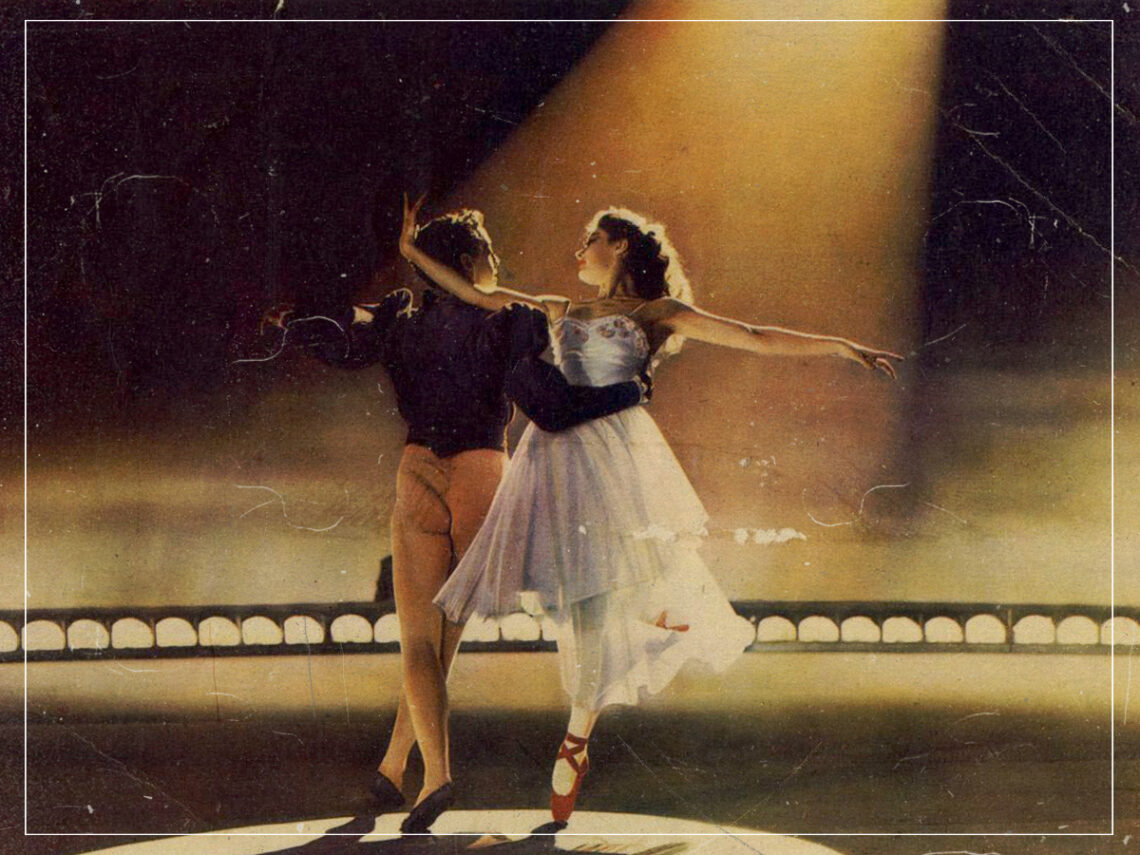
As well as this, Powell and Pressburger were producing some of their greatest films, with the release of The Life and Death of Colonel Blimp, A Canterbury Tale, A Matter of Life and Death and The Red Shoes. Ealing studios was also busy with the release of Kind Hearts and Coronets, Whiskey Galore and Dead of Night, which are some of their most successful projects.
But in 1947, the British government realised they needed to save money for food and other imports were received from the United States, deciding to restrict the Hollywood studios by remitting 25% of their overall profits. Hollywood responded by refusing to distribute any of its new films in the United Kingdom; however, Britain only responded to this by deciding to produce more high-quality films in the UK to boost its own industry. However, once these films had been finished, the restriction was lifted, and a sudden wave of Hollywood films were screened in the UK.
Both countries have maintained a somewhat harmonies working relationship in relation to film production, with equally impactful productions over the years that showcase the creativity and innovation associated with both cultural identities.
