


Martin Scorsese names the most subversive period in cinema history

While they were working, the films made by legendary filmmaking duo Emeric Powell and Michael Pressburger were not met with the same level of reverence that they elicit now. Powell had been blacklisted after the release of Peeping Tom, struggling to find work for years after the moral panic that ensued from his satirical horror, something that mocked the seedy underbelly of London and the film industry itself.
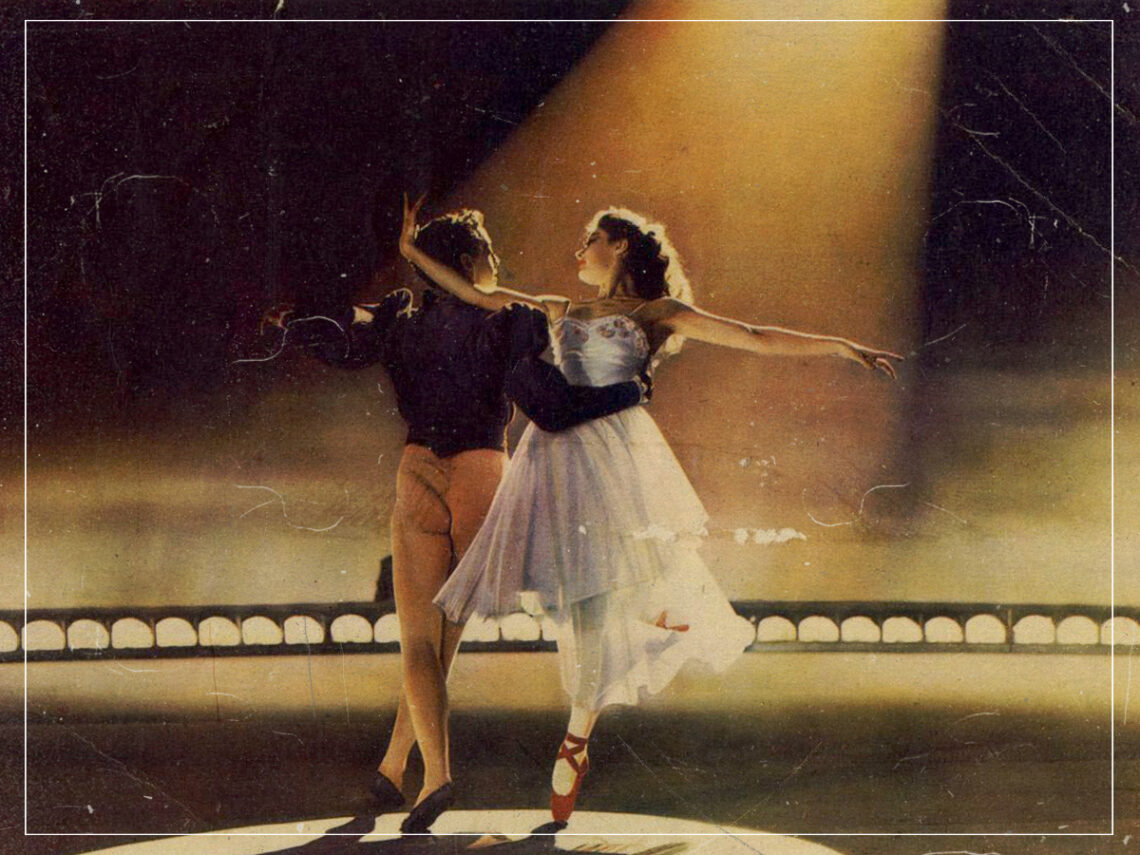
With a very limited theatrical release of The Red Shoes (which is now considered one of the greatest masterpieces from this era of cinema), there were very few people that could watch the film, but for a dedicated film fanatic like Martin Scorsese, this was an obstacle he could manoeuvre, and he soon became one of their biggest fans.
The work of Powell and Pressburger is daring, ground-breaking and dizzyingly romantic, with rich colours and innovative camera work that felt as though they discovered the medium itself. Each frame is bursting with life, from the set design to the costumes, capturing a love for expansive storytelling that has remained timeless and hugely influential to this day.
However, their work was met with controversy during the time of its release, exploring political and sometimes taboo subject matter in their work, with a progressiveness that was quite rare for the time. In The Life and Death of Colonel Blimp, the British government was concerned about their portrayal of the army, a war-time drama that was deemed by some as being mocking and not being very patriotic of Britain. Black Narcissus is largely about female sexuality, something that was entirely unspoken about at the time, especially given that the story is about a group of reclusive nuns, showing the slow torment of desire that begins to disturb them.
When Martin Scorsese first discovered their work, he was immediately smitten by the level of artistry in their craft. He discussed their films with other emerging directors such as Francis Ford Coppola, Steven Spielberg, and Paul Schrader. When asked about their work in the 30s and 40s, Scorsese described it as “the longest period of subversive film-making in a major studio, ever.”
Despite the magnitude of their work, with each film feeling so distinctly different to the last one that Scorsese thought that their name was a pseudonym used by other filmmakers, it only achieved the cultural status that it holds now much later on, with Scorsese fiercely championing their work and organising a complete restoration of their back-catalogue of work, bringing it back into the public sphere and highlighting how revolutionary it truly was.
The duo are now regarded as some of the most influential and innovative directors of all time, with their films influencing not only Scorsese but directors like Greta Gerwig, Ari Aster and Francis Ford Coppola. There are references to their visual style and thematic strands in many of Scorsese’s films, with the idea of your craft being a matter of life and death being explicitly explored in Raging Bull and his of the colour red in Mean Streets. Despite this being his own homage to the directors he respected the most, when Powell, later became friends with Scorsese, he told him that he had slightly overused the colour, showing that some tributes are perhaps best left on the cutting room floor.
