


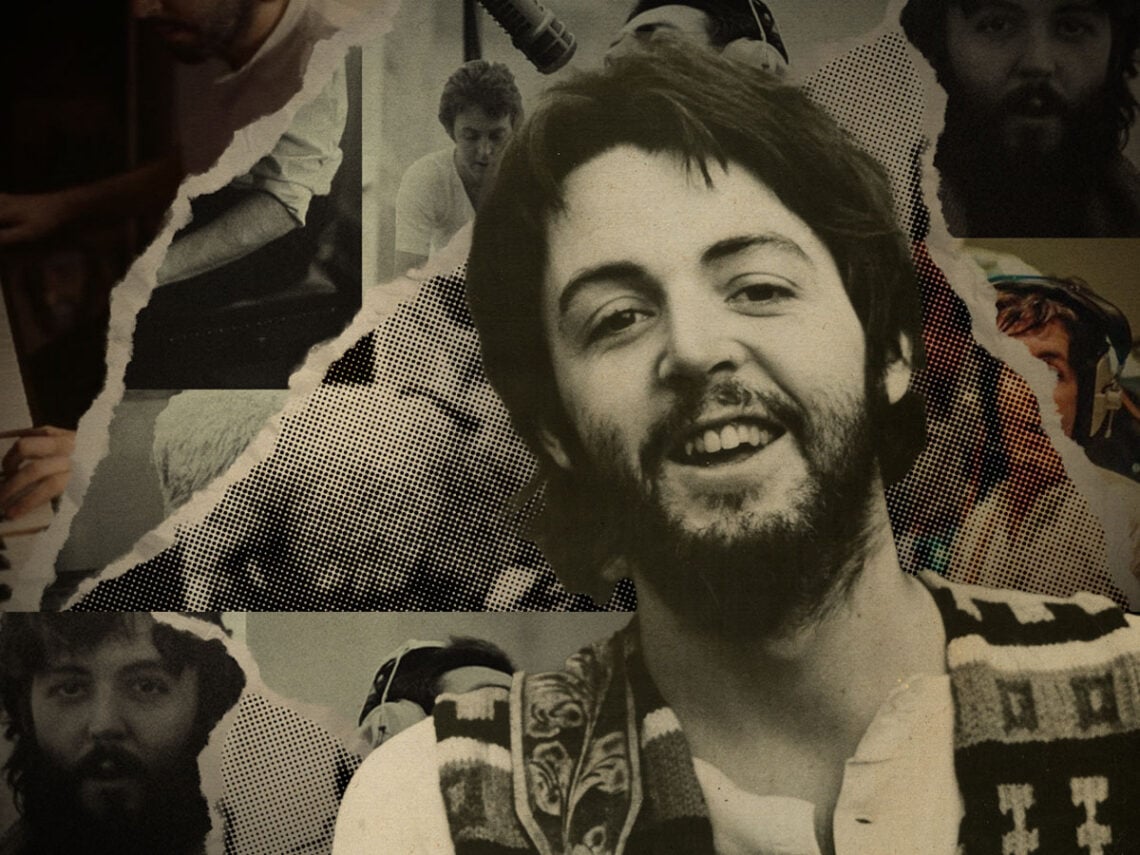
Ranking every Paul McCartney solo and Wings album

“Nothing pleases me more than to go into a room and come out with a piece of music.” – Paul McCartney
Paul McCartney is undoubtedly one of the most gifted songwriters pop music has ever known, and his recent album McCartney III is proof of that. The former Beatle, celebrating his 80th birthday this weekend, pushes the boundaries of creativity further than most musicians can even dream of. Of course, his work alongside John Lennon and The Beatles will be regarded as some of his best. However, to discredit his solo standing is to forget a large portion of his impressive career. As a solo artist over the last 50 years, McCartney made an incredibly large imprint on music, one that is still clearly visible today.
Even within The Beatles, McCartney was known to create some of the Fab Four’s best songs purely on his own, recording a few tracks singularly too. So here we go one step further and concentrate exclusively on his solo work to celebrate the great man’s birthday. If the 22 studio albums the musician has created over the last 50 years or so is too much to take in, we’ve got you covered, as we’re ranking the studio albums of McCartney from worst to best.
Paul McCartney joined The Beatles in 1957 and happily played second-fiddle to Lennon before breaking out into the songwriting world of his own. From there, he not only worked with another musician – and wife – Linda McCartney, but a new band in Wings too. Gifted musically beyond comprehension, Macca has one thing that most musicians would kill for, but only very few have; a nose for what the public craves.
It has seen the world’s most famous bass player create ballads, rock numbers, songs that make you laugh and songs that send you to the bridge. Paul McCartney, it is safe to say, is one of Britain’s most cherished songwriters and a pillar of the culture.
Below, you can get a taste of just how important he is to British culture by revisiting his 22 studio albums, we’ve ignored his covers albums and soundtracks, meaning this is a robust list of pure originality.
Paul McCartney’s albums ranked from worst to best:
‘Pipes of Peace’ (1983)
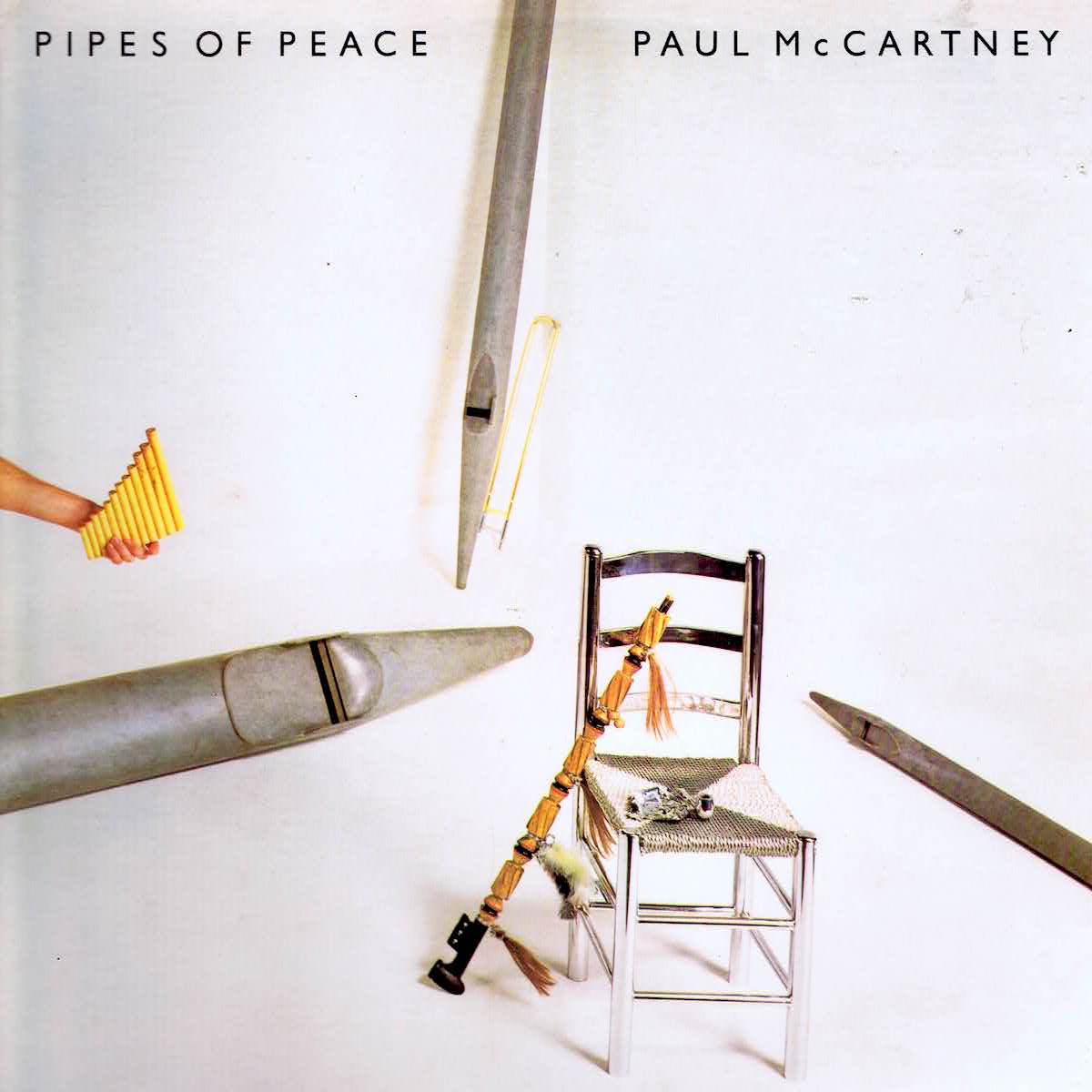
The 1983 album had the tough time of following one of McCartney’s finest albums in the form of Tug of War, and has been routinely considered a collection of cast-offs. Of course, if you were thinking that, you’d be exactly right.
Full of Tug of War throwaways, the album is, at best, a little light. At worst, it is one of the most saccharine collections of songs in Macca’s canon. His duet with Michael Jackson for ‘Say Say Say’ pales in comparison to ‘The Girl Is Mine’, and the album falls into a similar position of soppy songs in the shadow of their charting equivalencies.
‘Driving Rain’ (2001)
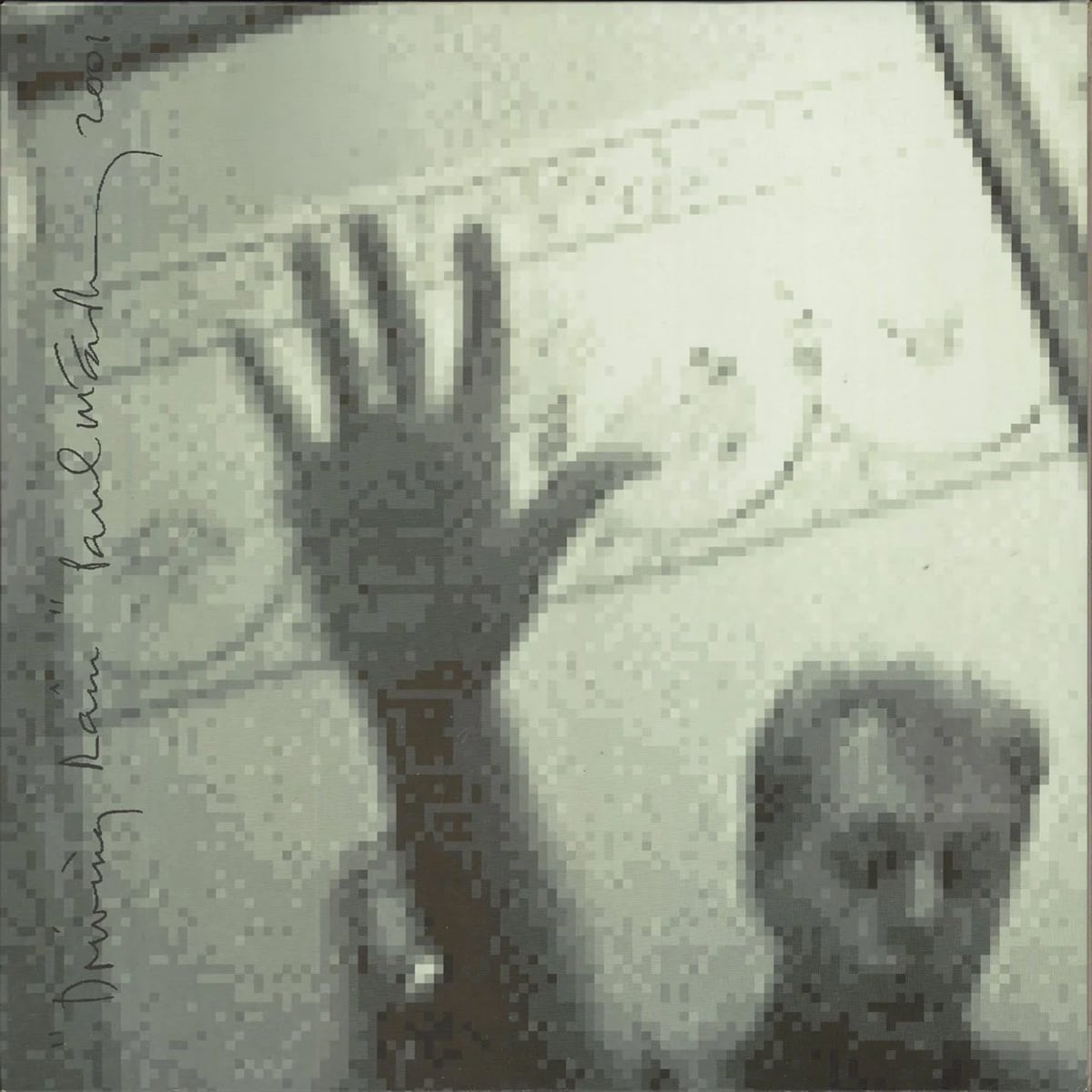
Paul McCartney is, undoubtedly, one of the finest pop songwriters of all time but, the truth is, he also enjoyed a bout of experimentation sometimes. With the dawn of a new millennium, Macca tried to combine these two facets of his style into one album. The pixelated album cover was proof that he never quite brought them both into focus.
Driving Rain is marred by the duality of McCartney’s direction. Professionally, the album is full of duds, and it reflected his personal life, which saw McCartney coming to terms with the loss of Linda and the introduction of a new lover. Caught in this transition, the album is a muddy mess: neither experimental enough to come close to being avant-garde nor pop enough to make for a typical pleasant listen to old Paul.
‘Wild Life’ (1971)
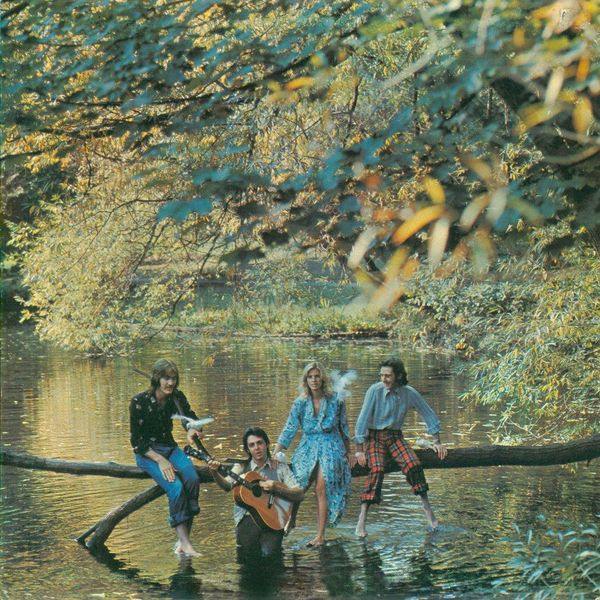
Over half a century on from the 1971 album, Wild Life, it still hasn’t risen from the relegation zone of Paul McCartney’s solo album pile despite its iconic and alluringly luscious cover. Nevertheless, the Wings record is one of the few LPs from the band that has grown in estimation since its release.
The band’s debut was always likely to suffer at the time for being McCartney’s second attempt at leading a group. It has to be said, the LP is packed full of daydreaming dross alongside a few more recognised cuts. But it also contains the song that McCartney laments more than any other in his career, and that says a lot.
‘Press to Play’ (1986)
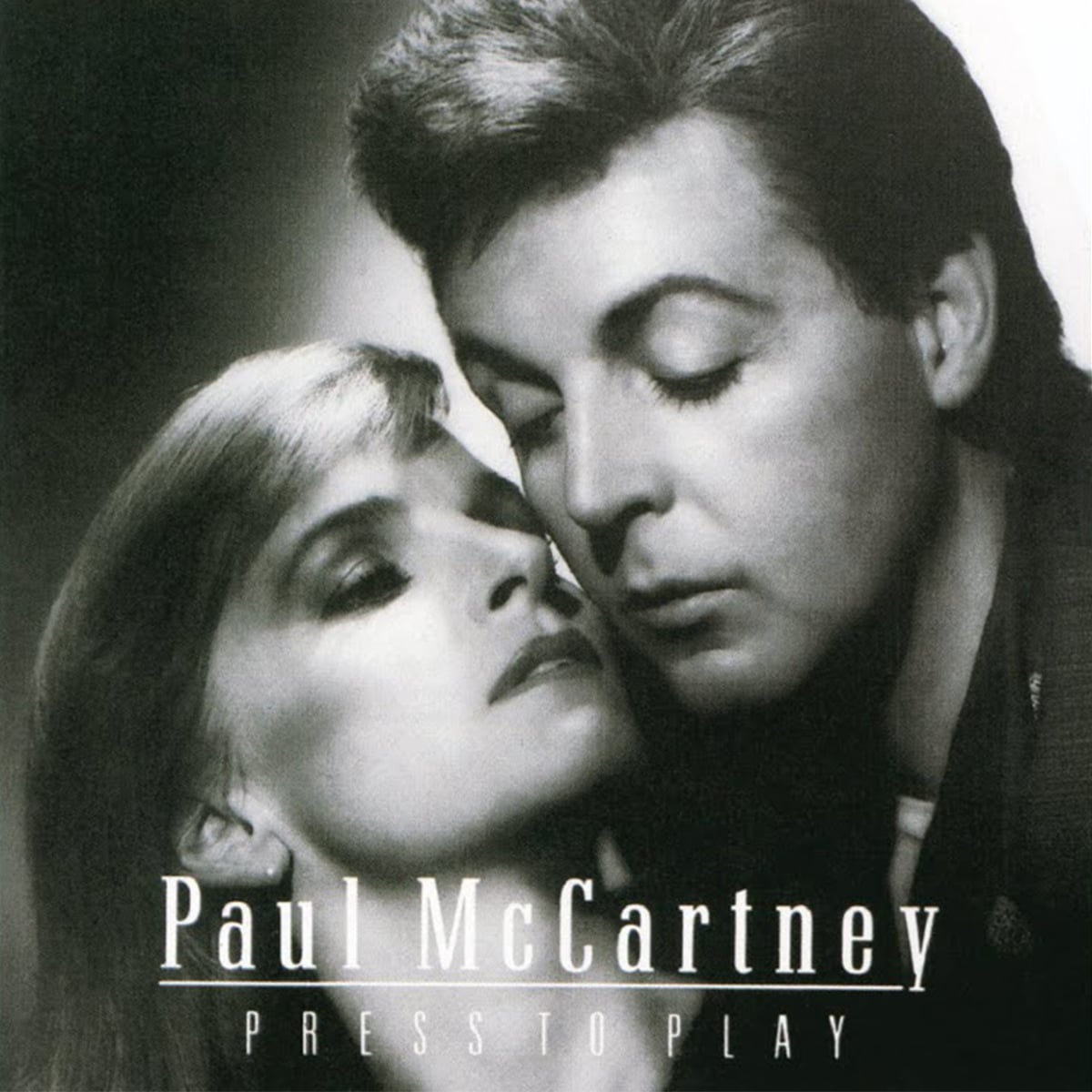
Lead single ‘Press’ did enough to put people off this album. The 1986 record Press to Play was an LP hampered by the invention of MTV. With a new medium, McCartney seemed to lurch towards the station the way a drunken man does a dodgy kebab. Sure, it may seem like the right move in the moment, but it will quickly turn to a touch of sickness somewhere down the line.
Album opener ‘Stranglehold’ is the brightest moment of the record, but it leaves the rest of the offering chasing its tail, never quite able to lay its chompers on it. Something about the sanitised production and irksome shadow of commercialism just leaves the record feeling a little cheap in retrospect.
‘Off the Ground’ (1993)
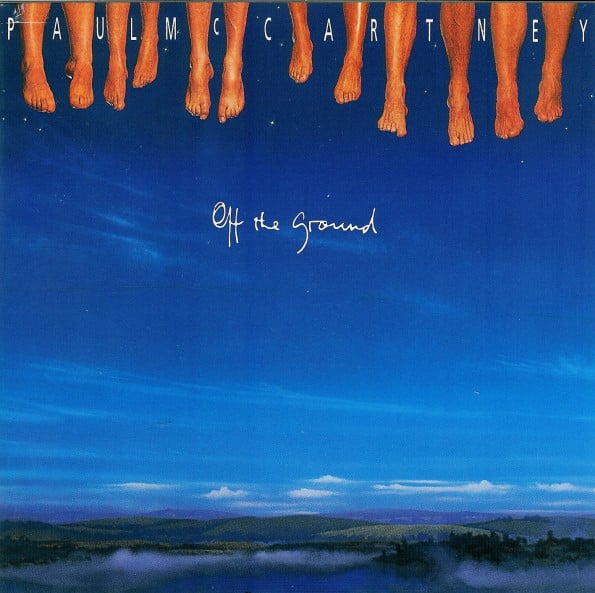
While we’ll agree that there are moments on this record that shine brightly in the face of Macca’s critics. His collaborations with Elvis Costello are probably the finest moments on the album. However, for the most part, it struggles to make an impact.
One thing McCartney has always been good at is making songs that infiltrate your brain like covert earworms. However, on Off The Ground, they aren’t so much covert as non-existent. There’s a cleverness to the compositions, but by and large, the record seems to reflect a master a bit bored with the convention that had worked well for him for so long.
‘New’ (2013)
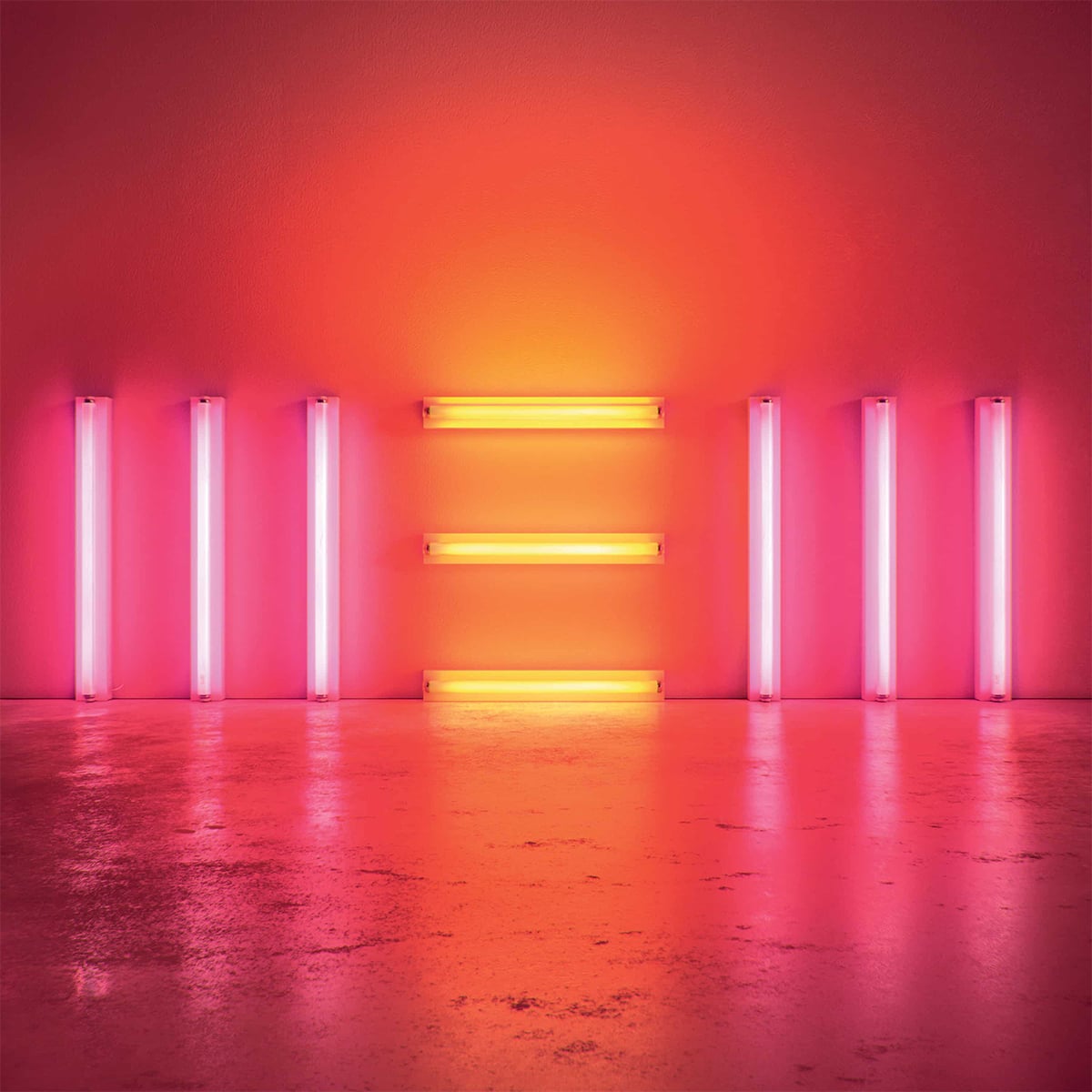
Looking at the date, title, and cover for this record, you may be lured into thinking that McCartney had completely changed up his approach. However, aside from the odd flash of modern production, the musician’s style remains relatively unchanged. That’s not necessarily to the album’s detriment, as the hints of newness happily mingle with solid songwriting.
The album, New, wasn’t exactly blessed with standout singles and instead benefits from McCartney understanding his legendary position in the music world. His pop songs are still as potent as they were before and feel timeless within this revived setting. He feels like a man liberated to have fun, commenting, “I worked with four producers and each of them brought something different.”
‘The Boys of Dungeon Lane’ (2026)
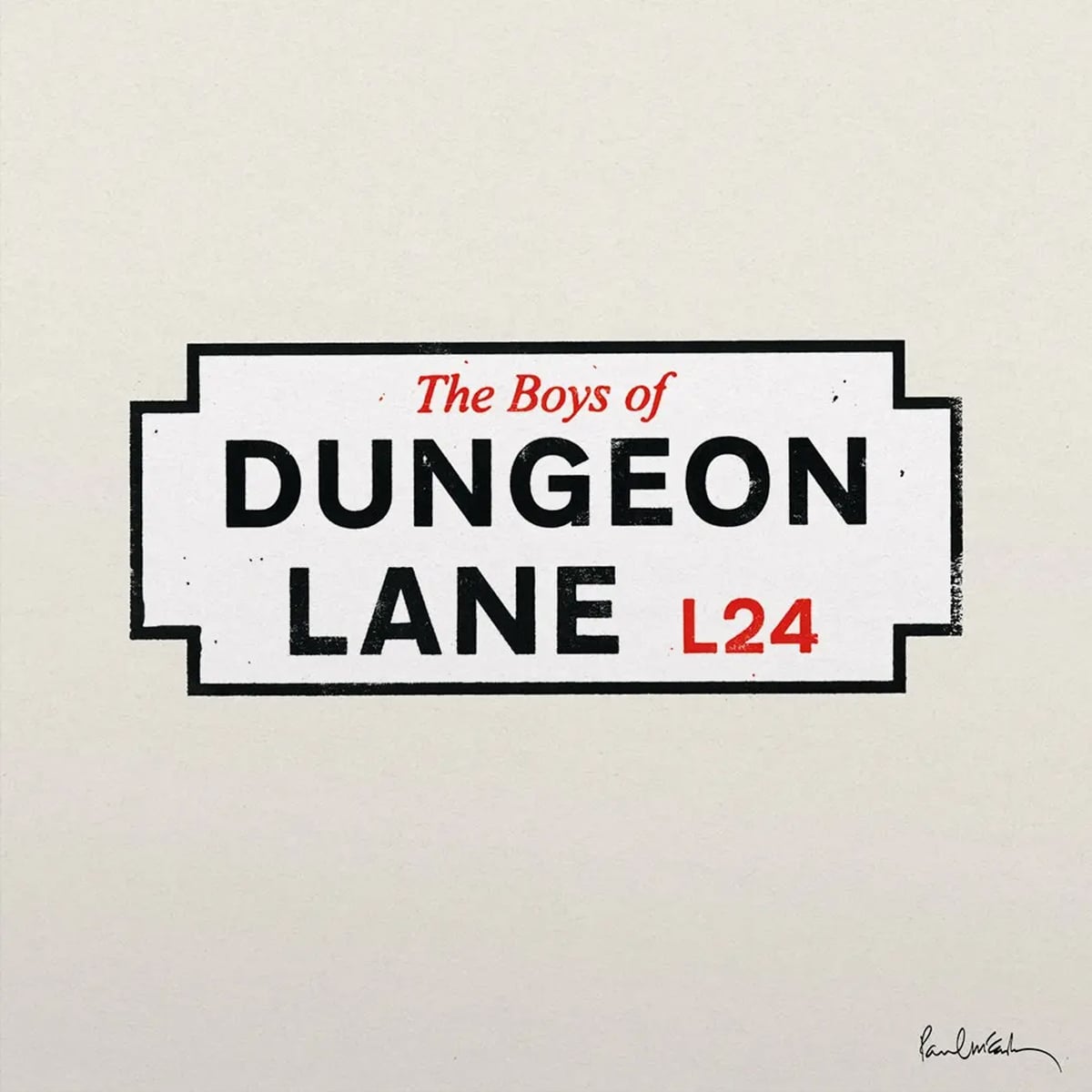
Creaking and crackling with the weathered timbre of age and wistfulness, The Boys of Dungeon Lane sees McCartney at his most reflective. It may well see him at his most honest, too. As our very own Andrew Clayman wrote in his review of the record, “I’ve always imagined that McCartney must find it odd to be asked every day about things he did 60 years ago, considering how much he’s done since. But as it turns out, what he really wants to talk about was stuff that he did 70 years ago.”
That certainly makes the album a fascinating artefact. It stops shy of being a memento mori, implying McCartney may well have more in him, but it leans towards some very existential reflections. There are some terrific tracks on it too, namely the titular offering. But by and large, with the album unfurling largely as expected, a creeping feeling kicks in that you might not listen to it all that often when push comes to shove.
‘Memory Almost Full’ (2007)
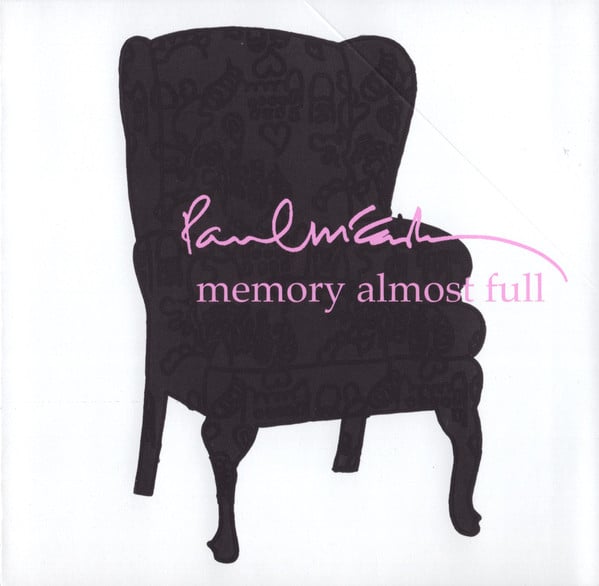
It can be easy to see McCartney’s dancing across the new millennium as a testament to his timeless appeal. The musician certainly gained traction with a run of classic records during the 2000s. Here, he goes a little ‘indie’, and while it could have been queasy, it kind of works. But, for our money, this one has been a little over-hyped, owing to the fact that publications hailing ‘indie sleeze’ as the saviour of rock ‘n’ roll took ‘kind of’ to mean that Macca had cracked it.
That being said, the legendary Liverpudlian certainly does some fine work on the record. He tackles his recent divorce in ‘The End of The End’ with gripping sincerity, for example. But the rest of the record feels like when your dad tries to drink shots with your mates when you’re 19. Of course, it’s fun at first, but as you get older, the memory becomes a little sadder.
‘London Town’ (1978)
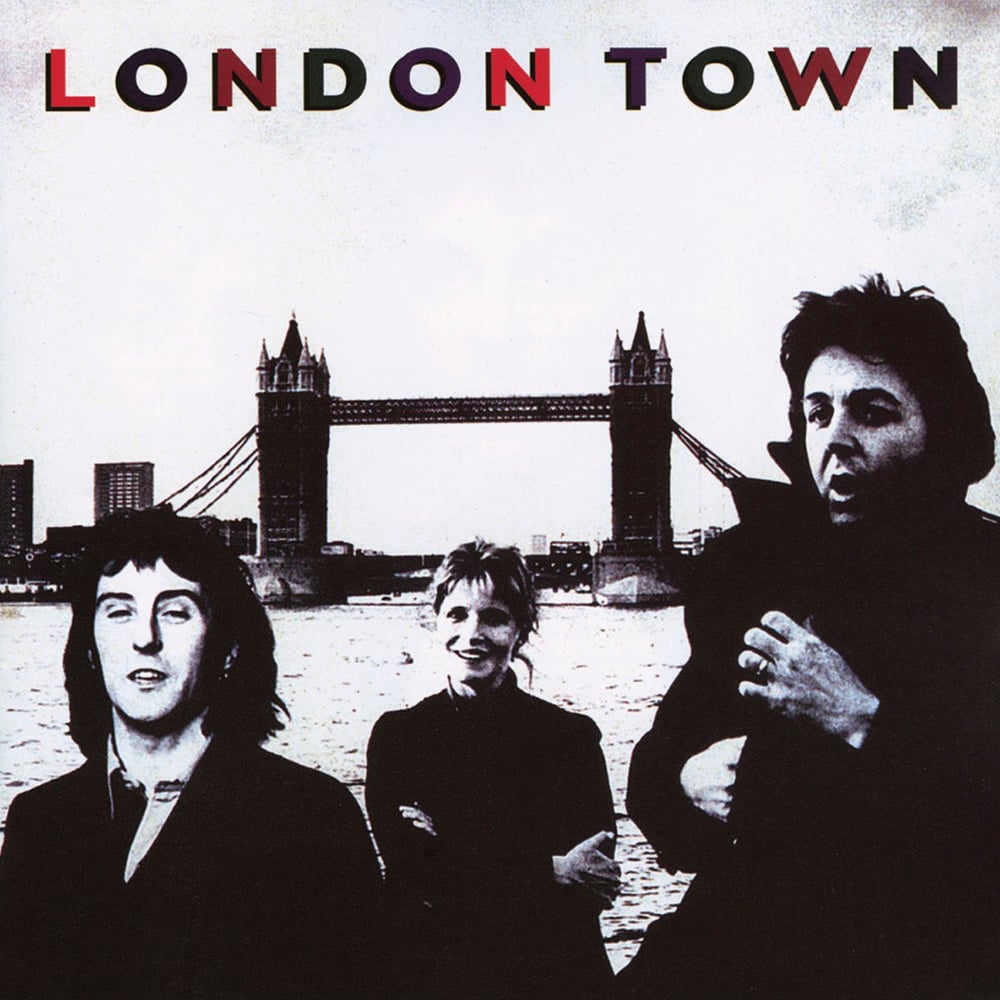
Arriving a few years after a brief hiatus, London Town saw Wings once again reduced to a threesome after Linda McCartney fell pregnant and cancelled the 1977 tour; it meant two members of the band dropped out and left the McCartneys and Denny Laine as the heartbeat of the group.
‘With A Little Luck’, easily the album’s best single, hit number one, but perhaps the record’s most famous song is ‘Mull of Kintyre’, McCartney’s ode to the northern part of Scotland. Unfortunately, most of the album played into the pastiche of Wings. McCartney was pushed into reverting to type as he was forced to restructure the band once more.
‘McCartney II’ (1980)
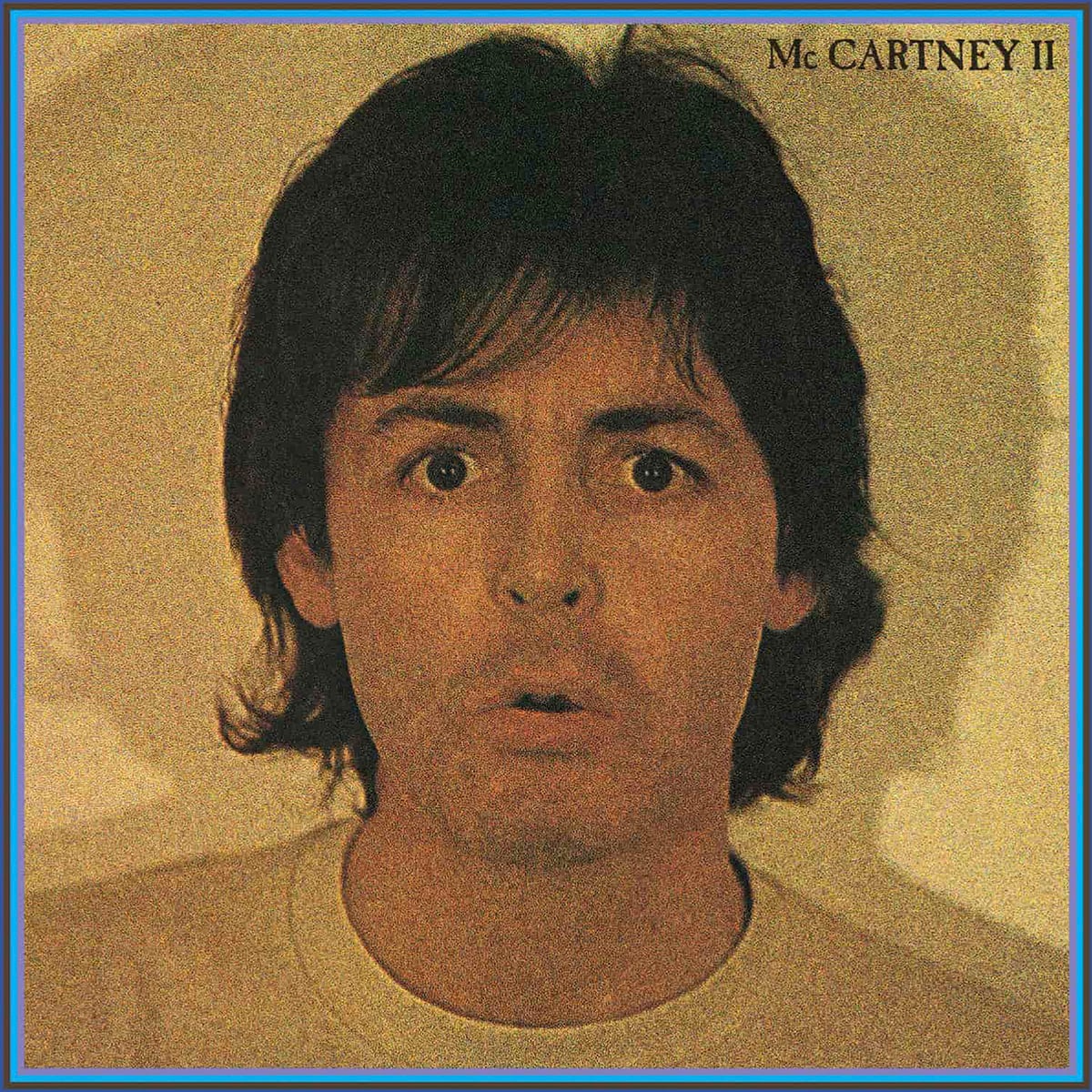
The isolated genius of McCartney was never on the cards for the second part of the famed trilogy. He was simply at a less pivotal and more mature moment in his career. But while the 1980 effort, McCartney II, might be bereft of truly timeless moments, it had enough class and quirky touches to inspire John Lennon and pay tribute to The Sparks.
Yet, over time, this album has found itself somewhat overshadowed. It prides itself on a lighthearted rockiness, and he simply has better albums in that arena. There are plenty of strong moments of McCartney’s songmanship with ‘On the Way’, the sugary sweet ‘Waterfalls’, as well as the upcoming Wings number ‘Coming Up’. Sure, it’s a little mawkish, but there’s a lot to like.
‘Back to the Egg’ (1979)
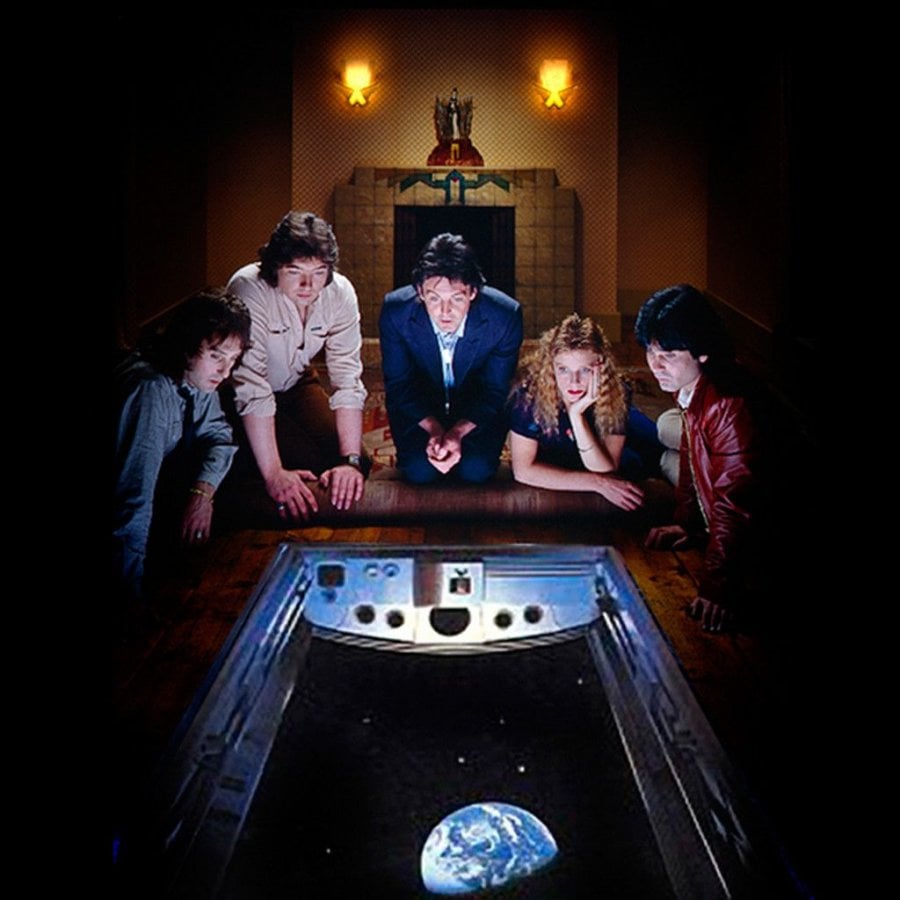
Most of the critiques levelled at Wings, and Paul McCartney regards him as being, well, a little bit wet. It seemed that his penchant for, ahem, “granny shit” had followed him into his solo work. But on 1979’s Back to the Egg, McCartney tried to strip it all back and get a little bit raw.
“The new wave thing was happening and … I sort of realised, ‘Well, so what’s wrong with us doing an uptempo [album]?’ […] Back to the Egg was influenced just as what I had wanted to do at the time, the direction I felt I hadn’t been in for a while,” recalled McCartney when speaking on the influences of the album.
‘McCartney III’ (2020)
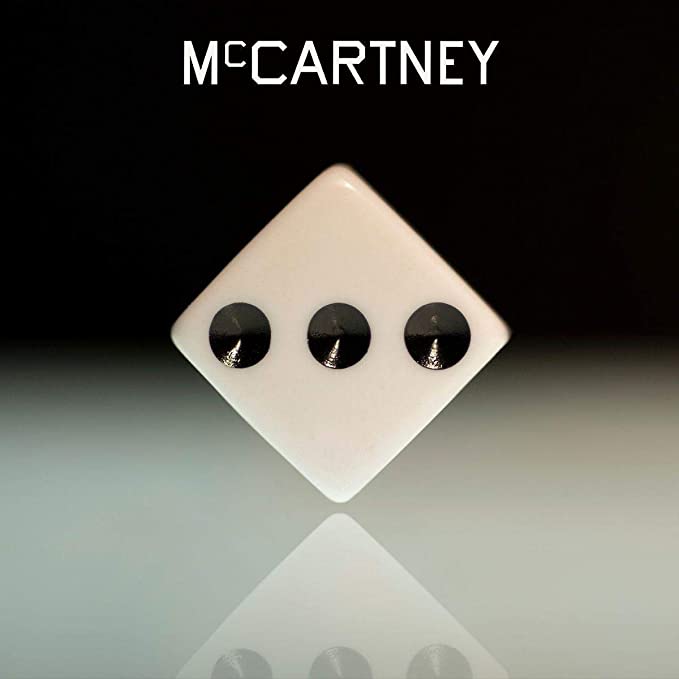
Greasy and with enough guts to get your feet stomping, it’s certainly an album you wouldn’t expect your average 78-year-old to fire out on his 18th studio album. But, then again, Sir Paul McCartney isn’t your average 78-year-old. Completing his trilogy of personalised albums is a testament to that. And he does so embracing a key tenet of his artistry: collaboration.
Forget sourdough starters and washboard abs; Paul McCartney spent his life in Covid lockdown creating his own special brew. The multi-instrumentalist and composer took to his studio and delivered a collection of 11 songs, spanning genre, geography and generation, which offer the perfect distillation of a true great. Whether that’s your particular tipple is, of course, the drinker’s choice.
‘Tug of War’ (1982)
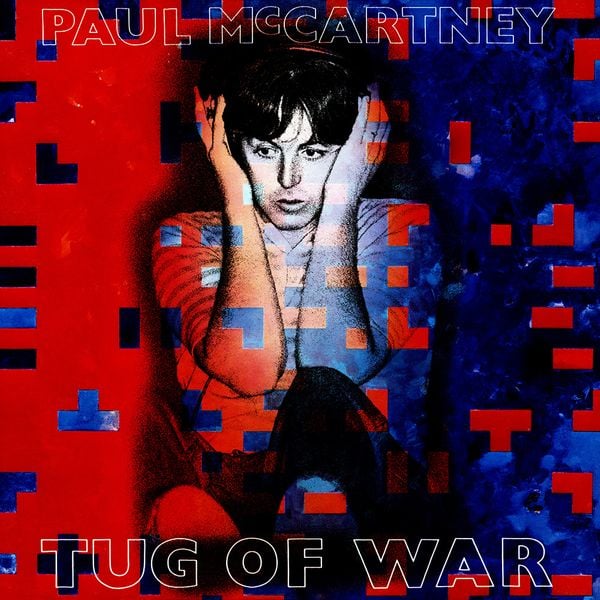
There’s a good chance that Tug of War is our most divisive selection on this list. The record is either supremely adored or loathed by the great man’s fans. At the time of release, the album was buoyed by the tragic murder of John Lennon. It left former-Beatles fans flocking to the LP to gain a small piece of solace. Later, the album has been lambasted as a failure.
We’re in the first camp of thought. While the album is certainly helped by Lennon’s presence, it is throughout the songs that we really get a sense of McCartney. Now, it must be said, we’re erasing ‘Ebony and Ivory’ from our collective memories and, instead, focusing on songs like ‘Take It Away’ which shimmers brightly.
‘Wings at the Speed of Sound’ (1976)
The album was bouncing before you even dropped the needle on Wings at the Speed of Sound. The record is imbued with McCartney’s internal sense of whimsy and is driven by his always melodic basslines. This time out, a distinct sense of self-awareness allowed him to cosy up to his silly little love songs with nothing but catchiness and incredible basslines in mind.
As well as the fearsome horn section on ‘Let ‘Em In’, the album has another sting in its tail with the defining ‘Silly Love Songs’, a track that McCartney penned in the face of his friend, John Lennon. It wasn’t the first time he took a shot at his former Beatle bandmate, but it may well be his most punchy. Half a century on, it is still tapping toes.
‘Flowers in the Dirt’ (1989)
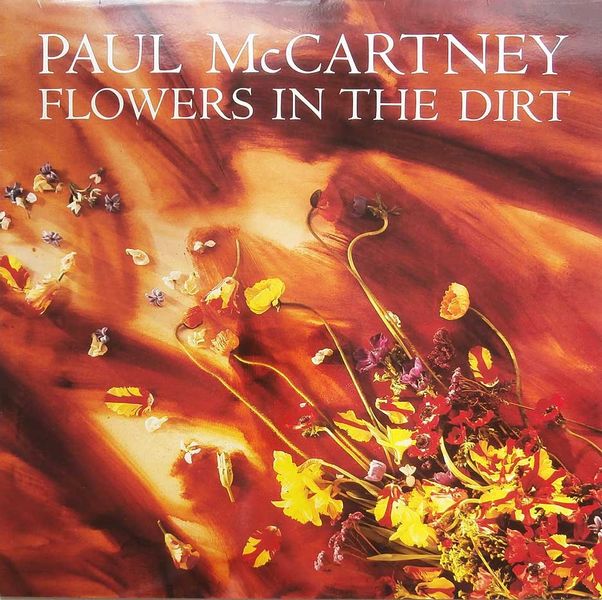
McCartney had a tough 1980s. The singer rarely pushed his high watermark up any further, and it would appear that to shake himself out of that funk finally, he would need an outside collaborator to help stoke the fires. Whereas before it would have been John Lennon, now McCartney leaned on Elvis Costello.
The record is, of course, absolutely sodden with ’80s production values, which can rightly put off the casual listener. But we implore you to stick with it. The more you sow on this album the better your bouquet will be. McCartney virtually pitched this as a comeback album, and that sense of defiance harks back beautifully to his Fab Four output.
‘Red Rose Speedway’ (1973)
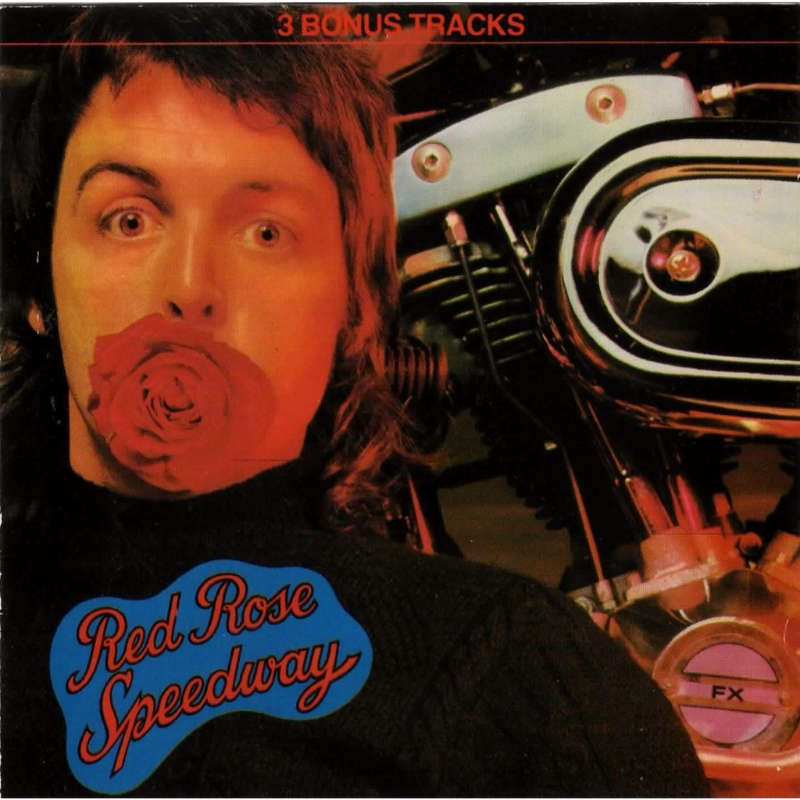
The second album from Wings provided another mode of transport for Paul McCartney’s unstoppable pen. It’s something that really strikes you when looking at his entire catalogue: McCartney has written an incredible amount of songs. Even the bottom half of the pile is better than most could hope for. In the best way, this record captures that prolific nature. There are brilliant tracks like ‘Single Pigeon’ that have a charming half-finished feel.
On Red Rose Speedway, McCartney does his best to keep up the pop jaunt of his previous efforts, but it felt like something wasn’t right, so he changed tack in style. Linda McCartney said of the record: “Red Rose Speedway was such a non-confident record. There were some beautiful songs […] there was ‘My Love’, but something was missing. We needed a heavier sound. It was a terribly unsure period.” In time, something about a legend suffering from uncertainty has embellished the offering with intrigue and grace.
‘Egypt Station’ (2018)
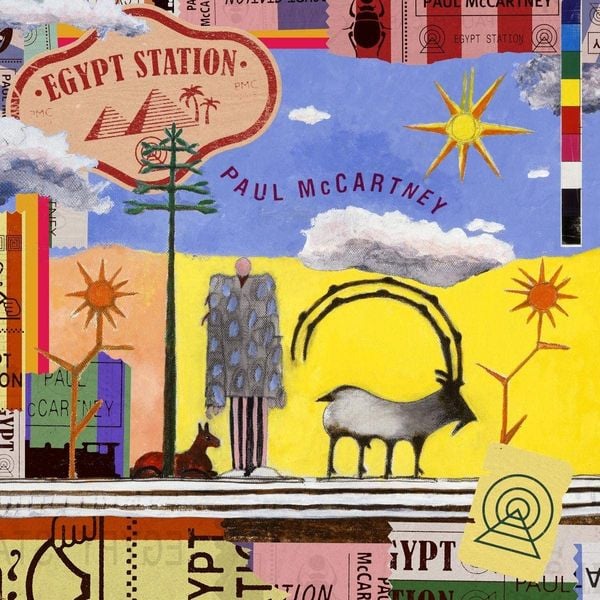
Whereas Driving Rain was hampered by the duality of McCartney’s desire to both remain in the pop spotlight and not giveaway his signature style, 2018’s magnificent Egypt Station did it all with aplomb. OK, so the record may go on for a little while, but we’ll put that down to Macca being fully engrossed in the groove.
Singles ‘I Don’t Know’ and ‘Come On to Me’ are two of the finer moments on the album and do a good job of explaining McCartney’s penchant for pop. He explained the title: “I liked the words Egypt Station. It reminded me of the ‘album’ albums we used to make. […] Egypt Station starts off at the station on the first song, and then each song is like a different station. So it gave us some idea to base all the songs around that. I think of it as a dream location that the music emanates from.”
‘Venus & Mars’ (1975)
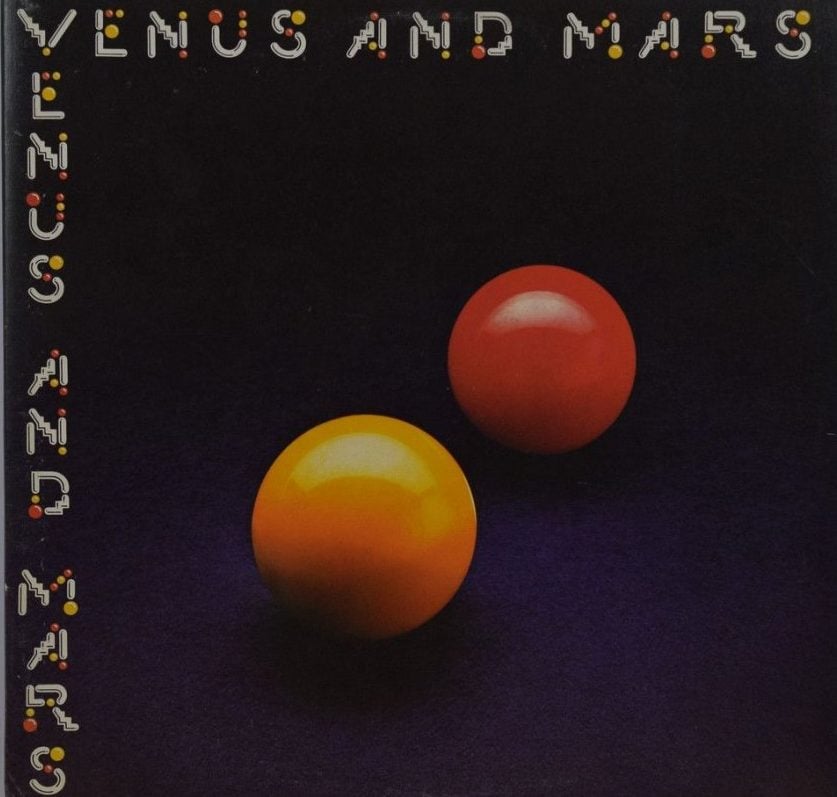
The 1975 album featured a settled Wings line-up for the first and only time. It was the same band that featured on Red Rose Speedway and they sound robust and comfortable in their style. In fact, the entire record is palpable with warming glows and a cosy atmosphere. It arrived after Macca signed a multi-million dollar four-year deal with EMI and Capitol, and it seemed to have sharpened his mind.
Of course, such an album could easily see McCartney become the chocolate box cutie that so many people dislike. Instead, he keeps it on the side of poised brilliance with some of the finest Wings songs the band ever came up with, especially on anthems like ‘Letting Go’ and ‘Listen to What the Man Said’. Many critics upon release said it sounded like The Beatles, and in time, that’s surely no bad thing.
‘Chaos and Creation in the Backyard’ (2005)
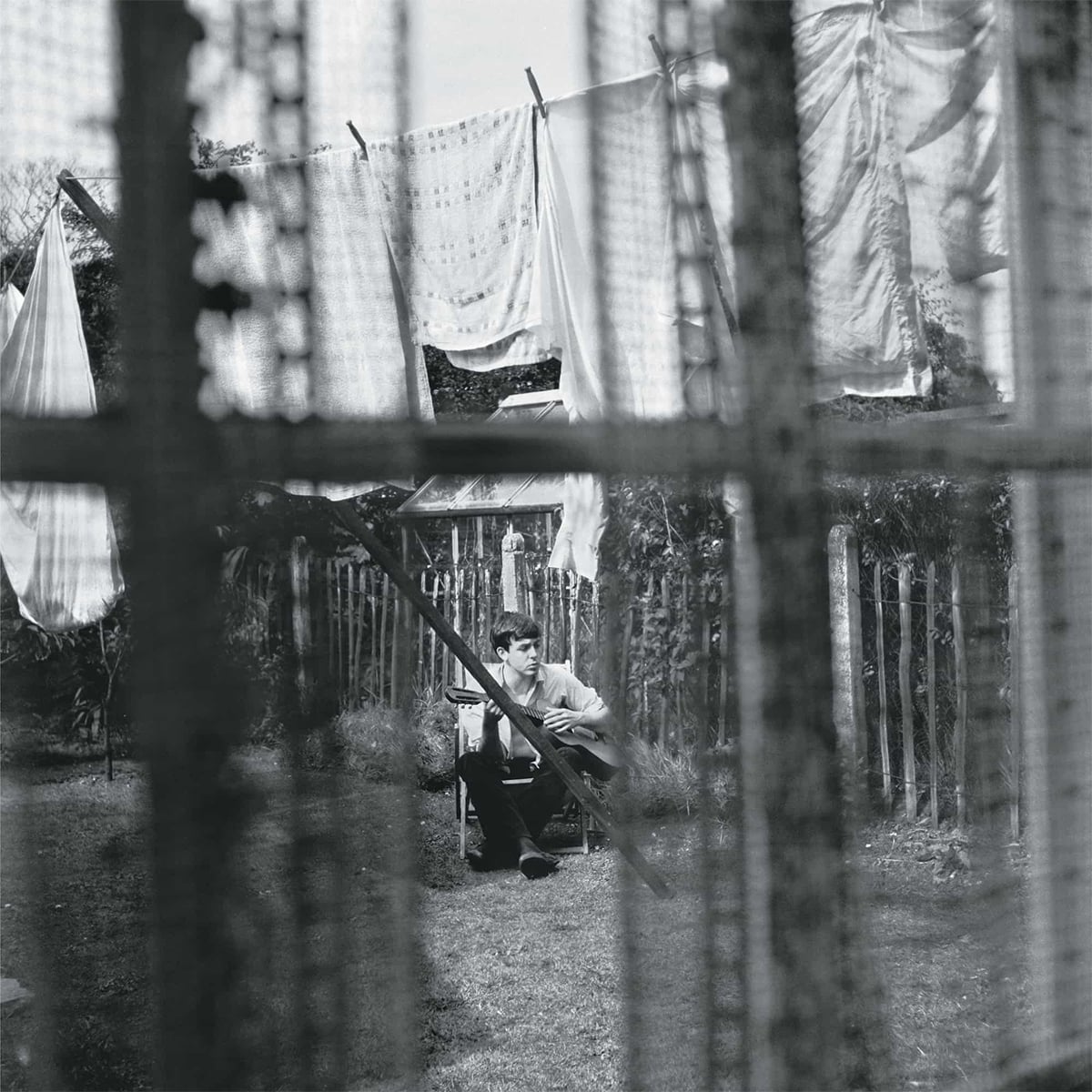
Never one to shy away from an elbow in the ribs and a tongue in his cheek, McCartney has always had a cheeky side to his songwriting. But, on 2005’s Chaos and Creation in the Backyard, the musician gets more serious than we’ve ever seen him before.
It would be easy for a musician as esteemed as Paul McCartney to just phone in his third act albums, but he clearly gave himself over to this project. It is a potent and powerful collection of songs that resonates further with every listen. The album is undoubtedly bolstered by the appointment of Radiohead collaborator Nigel Godrich on production. He said of working with McCartney: “My initial reaction was one of terror, not only because it’s a very important person, but I really wasn’t sure how willing he would be to get his hands dirty.”
Macca said of the experience: “Nigel… refused to allow me to sing songs that he didn’t like, which was very cheeky of him.”
‘Flaming Pie’ (1997)
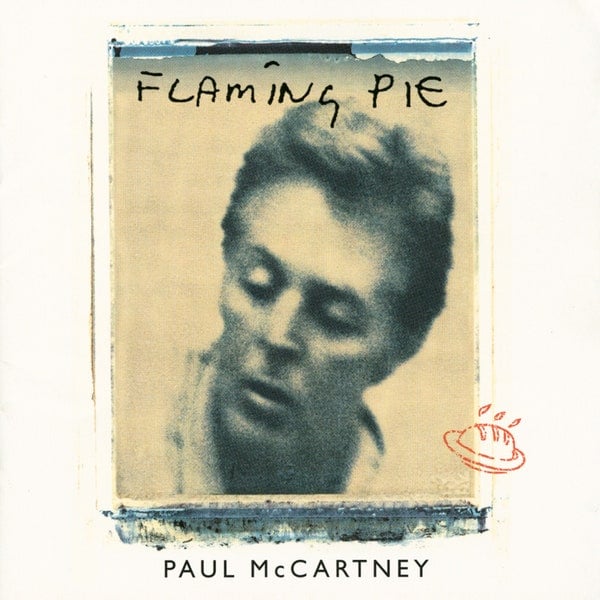
The album, first released in 1997, was recorded after McCartney’s involvement in the highly successful Beatles Anthology project. “[The Anthology] reminded me of the Beatles’ standards and the standards that we reached with the songs,” McCartney said previously. “So, in a way, it was a refresher course that set the framework for this album.”
The record took two years to make and saw McCartney record tracks in numerous different locations during that time. After teaming up with Electric Light Orchestra lead singer and guitarist Jeff Lynne for the production, McCartney also worked with the likes of George Martin, Steve Miller, Ringo Starr, Linda McCartney and more on the record.
The album is bristling with moments of pure Paul McCartney bliss. It’s an album that deserves its recent reissue and delivers in spades with every single listen.
‘Band on the Run’ (1973)
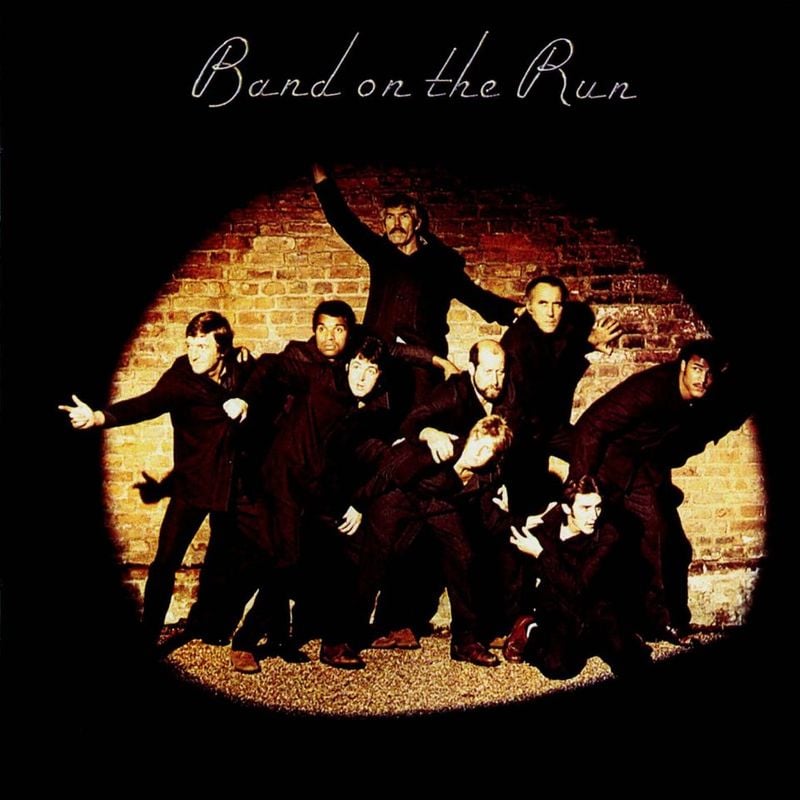
Featuring two of Paul McCartney’s best post-Beatles singles in ‘Jet’ and ‘Band on the Run’, the titular album is widely regarded as some of McCartney’s best work with or without the Fab Four. It was The Beatles, in fact, who helped inspire the record as, after three albums that hadn’t inspired McCartney, he was desperate to regain his mojo, Linda McCartney said: “Paul thought, ‘I’ve got to do it, either I give up and cut my throat or [I] get my magic back”.
McCartney is never afraid of a concept album (see Sgt. Pepper for reference) and was clear in this one’s origination. He said of the record: “It’s a collection of songs and the basic idea about the band on the run is a kind of prison escape. At the beginning of the album, the guy is stuck inside four walls and breaks out. There is a thread, but not a concept.”
The album has since been regarded as one of the best rock albums ever made. It’s an album that speaks loudly of two themes of McCartney’s musicianship: a desire to make songs that instantaneously make your hips swing and feet tap, and songs that are drenched in the complexity of the music itself.
‘McCartney’ (1970)
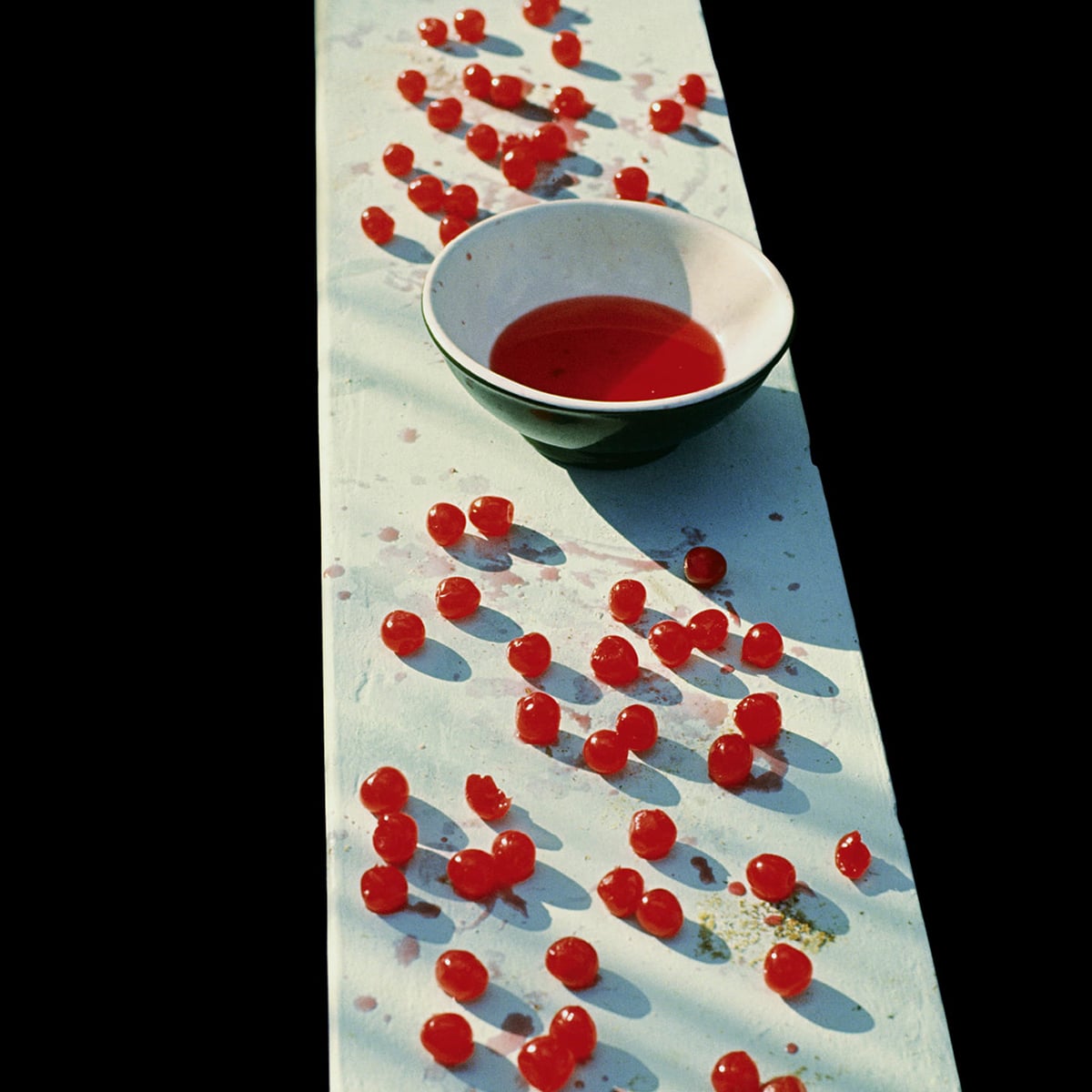
When the news of The Beatles’ split finally began to sink in for the four members of the band, they all had different reactions: Lennon, the chief conspirator behind the disbandment, went about his life as the most famous man in the world. George Harrison rejoiced at the opportunity to be heard, and Ringo Starr, too, was excited about the future. For Paul McCartney, however, things were a bit different.
The singer-songwriter had worked for so long alongside John Lennon that now, faced with a future without him, he retreated to the northern tip of Scotland and, most pertinently, within himself. Secretly working on his debut solo album for months before it was released in 1970, McCartney had begun to find his feet and was ready to stand up and be counted.
It’s a trick Macca has repeated on two more occasions, firstly for McCartney II in 1980 and, of course, the stellar release of 2020’s McCartney III. The first instalment of the trilogy is certainly the best and captures an artist beginning to understand their own expression.
‘Ram’ (1971)
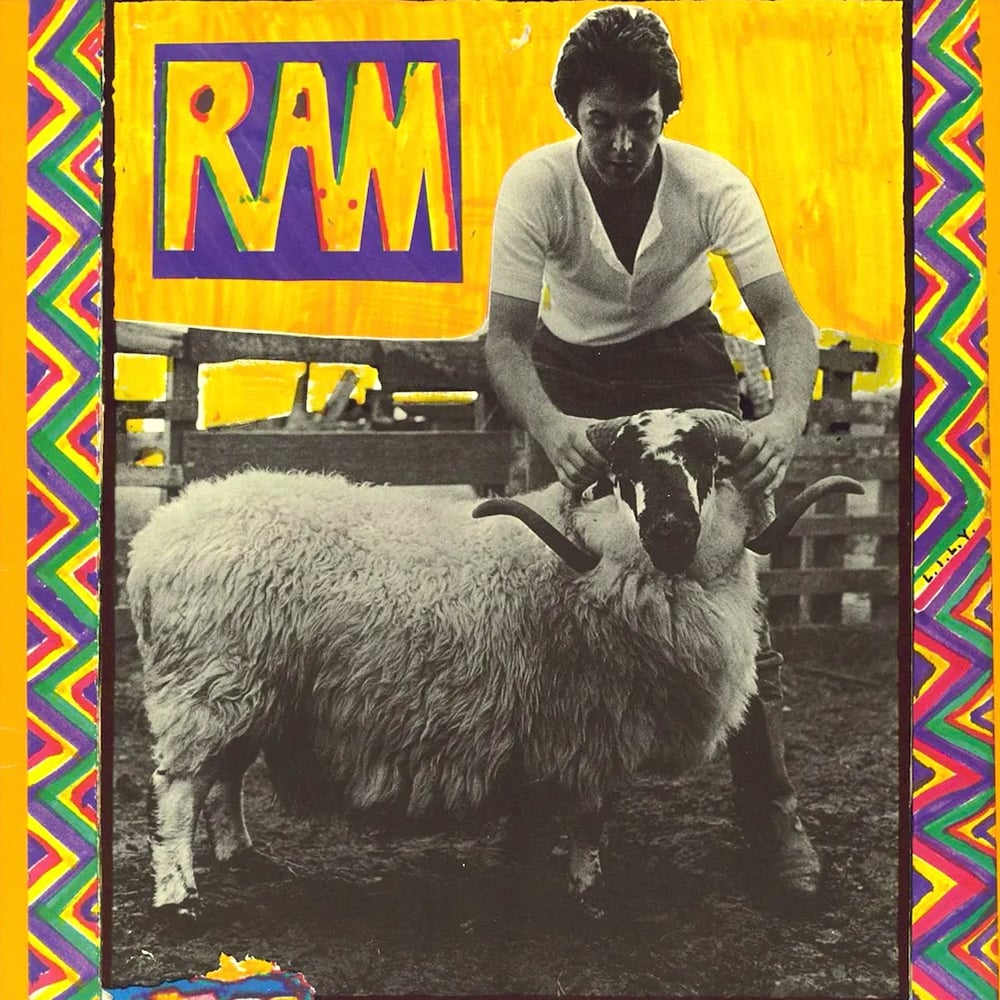
“I thought it was awful! McCartney was better because at least there were some tunes on it, like ‘Junk’,” said John Lennon of Macca’s seminal LP. Despite that cutting statement from Lennon, Paul McCartney’s 1971 classic album Ram has long been regarded as some of the former Beatle’s most inspired work, highlighting that though it may not have been to Lennon’s taste when McCartney let his imagination run wild, there was no telling the heights he could reach.
The record not only saw Paul invite his wife Linda McCartney to play, effectively beginning Wings in the process, but also saw the singer lay down a blueprint that would eventually help build some of the most notable genres around. You can trace everything from Britpop to pure jangle indie back to this record. What started as a piece of pure pop innovation would provide a sure footing for a host of other groups to spring from.
What’s more, despite the slight conceptualisation, the album largely reads like a confessional moment in Macca’s life. It was an album where he not only provided some fantastical music hall numbers, the kind that inherently beat in the heart of McCartney, but also provide some scathing reflections of the world around him. In fact, the best moments of the album come in these reflections.
One Ram track acts as the perfect distillation of McCartney’s life in 1971. Having split from his familial band in The Beatles, Macca was now public enemy number one after bearing most of the blame for their disbandment. It wasn’t something McCartney was prepared to take lying down. So as a retort to Lennon’s continued flouting of his talent, McCartney wrote a song aimed directly at John.
“That was your first mistake/You took your lucky break and broke it in two,” he snorts in ‘Too Many People’. “He’d been doing a lot of preaching, and it got up my nose a little bit,” McCartney said in 1984. Somehow McCartney manages to take a swipe at his former writing partner through one of his sweeter melodies that perhaps hinted at the vulnerability behind the attack.
Much of Ram was lambasted by John Lennon, but even he liked this experimental number. Ironically, it is arguably the closest vision of McCartney’s “granny” music on the record, proving that even Lennon knew there was a place for the pop pomp. The reason for its success in comparison to the rest of the record is perhaps because it sounded very much like the Fab Four. An orchestral arrangement provided by George Martin and the New York Philharmonic helped to elaborate the track written about Macca’s real-life uncle.
It showed that not only did Paul McCartney know what his output would be like following the break-up of the Beatles, with the songwriter now free to indulge himself in whatever facet of musicianship he wished, but it is also regarded as the first indie-pop album of all time.

Never Miss A Beat
The Far Out Beatles Newsletter
All the latest stories about The Beatles from the independent voice of culture.
Straight to your inbox.