


Dusting off the ‘next big thing’: Pop music’s future could be a do-over of its past

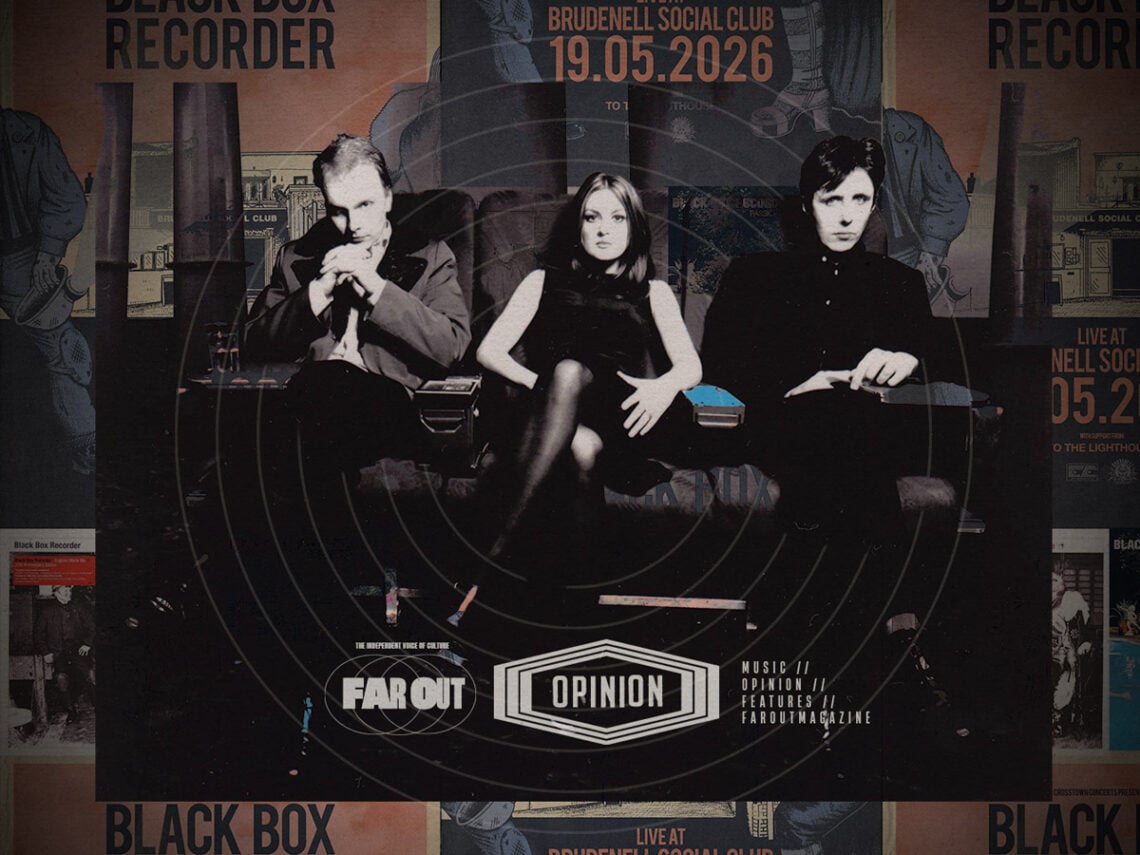
On May 19th, 2026, I was fortunate enough to see the London indie pop band Black Box Recorder play their first gig in 17 years; a lively and rust-free set at Leeds’ Brudenell Social Club, booked as a warm-up of sorts for their big London Palladium comeback show on the 22nd.
The last time singer Sarah Nixey and guitarists John Moore (Nixey’s ex-husband) and Luke Haines shared a stage together, a good portion of the audience still had flip phones, and their tickets were printed out on paper. The last time they put a new record out, 2003’s Passionoia, it wasn’t promoted on YouTube or Facebook, because those things didn’t exist.
These fun facts would certainly suggest that the majority of people in attendance at this Leeds gig would be middle-aged survivors of those bygone days; fans who remembered Black Box Recorder’s flirtation with mainstream pop success at the turn of the century, or the dreaded ‘6 music dads’ hoping to have Nixey sign their original copies of the ‘The Art of Driving’ CD single.
Well, yes, I can attest to seeing a few folks matching that description, but the more telling evidence of the changing tides of popular music was the abundance of younger faces in the audience; Gen Z kids and Leeds uni students who knew enough to sing along to some of the tunes of a fairly obscure Gen X band coming out of a long hibernation.
At one point, Nixey took a moment to comment on this bizarre phenomenon of a band re-emerging in their 50s only to find that their fans somehow got younger. “You’re so young!” she told the crowd, a bit dumbfounded. “Not all of us!” shouted several grey-haired fans in unison.

Unlike a lot of band reunions or album anniversary gigs I’ve attended in recent years, the return of Black Box Recorder wasn’t premeditated or strategised as part of an obvious, nostalgia-bait cash grab. Certainly, the three founding members of the band are quite pleased if you want to buy one of their old records, now beautifully repressed on vinyl, or pick up a t-shirt or two. But this whole situation is more of a lark for them, almost; an unexpected opportunity brought on by the completely random act of one individual they’d never met.
Billie Eilish was a toddler when the last Black Box Recorder album dropped, and she certainly wasn’t in the audience at any of their gigs. At some point in the subsequent decade and a half, though, after becoming one of the biggest pop stars on earth, Eilish somehow stumbled upon the BBR song ‘Child Psychology’, and decided to share a selfie on Instagram of herself listening to the track, giving it her unofficial, mega-influencer endorsement. That was three years ago.
Back in 1998, ‘Child Psychology’ peaked at number 110 on the UK charts and had no measurable impact in America. After getting dusted off and re-introduced to Eilish’s army of followers, however, the catchy song and its blunt, confrontational chorus (“Life is unfair / Kill yourself or get over it”) suddenly found the audience it always deserved.
“[Billie Eilish] fucked up our retirement,” John Moore recently joked to The Guardian, acknowledging that the ripple effects of that single social media post were entirely responsible for the resurgence in Black Box Recorder record sales and streaming numbers, inspiring the band members to have a conversation they never expected to have about playing gigs again.
Lest it be misconstrued, this kind of overnight revival of a ‘hidden gem’ band from the past isn’t something wholly unique to the social media age. One of the great perks of achieving success in pop music is that you suddenly have the platform to share your influences and musical passions with the people who love you, and that tradition has existed for the entirety of rock ‘n’ roll history, from The Rolling Stones shining a light on Muddy Waters to Kurt Cobain championing the likes of Daniel Johnston and the Meat Puppets.

Unlike a Stones cover song or a Cobain T-shirt choice, though, today’s influencers can revive a defunct band in a matter of seconds, as their followers can now instantly access back catalogues and music videos without having to conduct research or spend money in the way we had to back in the ‘90s, when a desire to follow up on Cobain’s recommendation of a band like Flipper or The Wipers meant months of hopelessly searching for deleted vinyl at local record shops. There was no eBay to hunt for these things, let alone instant digital deep dives at an arm’s reach.
As music continues to unhinge itself from the linear tracks of time and culture, becoming something more ethereal and de-contextualised, the Black Box Recorder story might actually turn into a repeatable blueprint for record companies looking to turn the deadweight of their back catalogues into new income streams.
Why spend the time and effort to scout, recruit, and negotiate deals with new bands when you can just try a second or third go-around with old artists and records that underperformed in the past? Yes, a band like Geese can break through after years of effort with no shortage of promotional power behind them, but for Kate Bush or The Cranberries, one 30-second needle drop on a Netflix show can achieve similar returns.
It’s not that pop music isn’t still the playground of the young; it’s that young people are no longer at the mercy of what’s ‘new’ and ‘in stock’.
Musicians who once topped the charts under the old systems might find their legacies carried off in a dust storm, while other artists who toiled in frustration and never ‘made it’ will wake up one morning to find that, with no warning whatsoever, they’re suddenly the songwriter du jour for millions of teenagers.
There is no way to know exactly how these tectonic plates will shift as AI becomes more of a tastemaker, and social media enters its third decade. It is interesting to consider, though, that our shared stockpile of 70-odd years of modern pop music might transform from a carefully curated collection of winners and losers into a democratic free-for-all, less dependent on record companies and journalists, and more susceptible to total, occasionally batshit rewrites of the old canon.
In a world in which all new music is now competing on an even playing field with all existing music, it can certainly sound like a bleak prospect for young artists, but fear not. If your music doesn’t connect with people upon release, it’s not necessarily a failure. Just give it a year, or a decade, or a lifetime, as it will always be just one Billie Eilish selfie away from setting you up for a sold-out show at the Palladium.
