


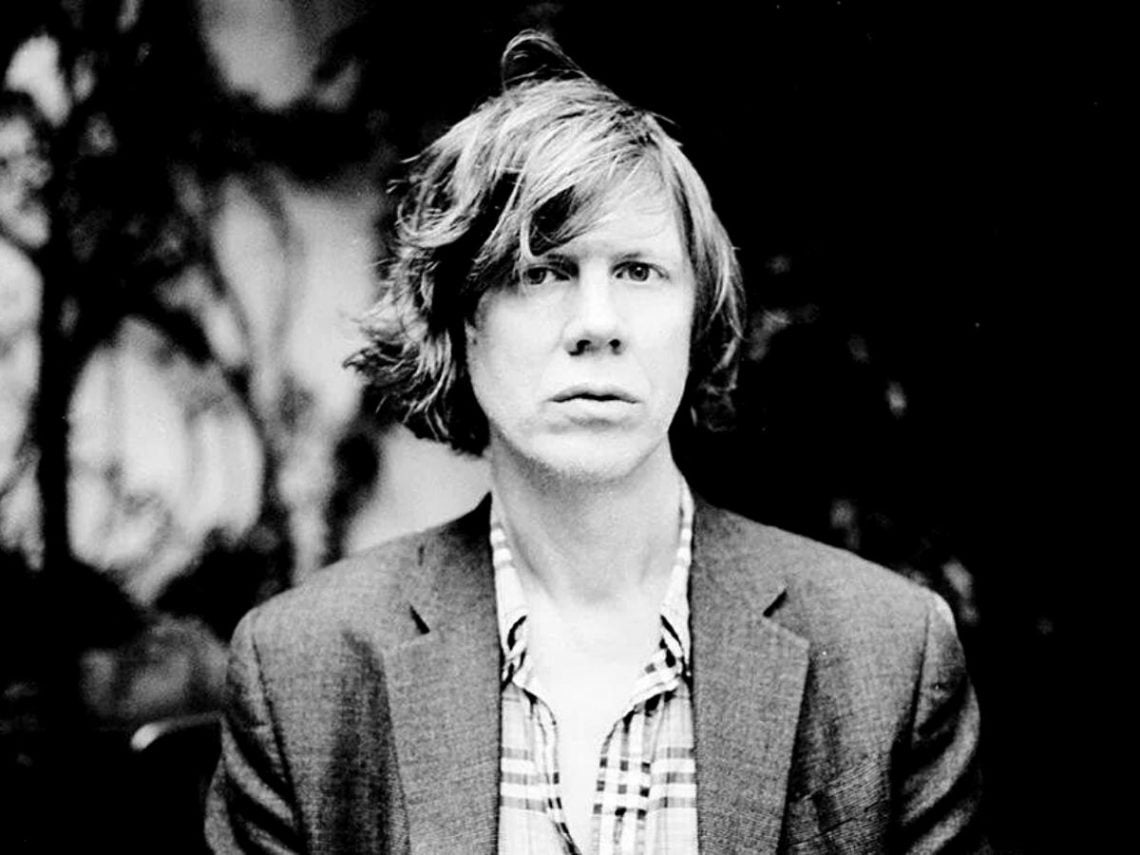
Does Sonic Youth guitarist Thurston Moore like the Pixies?

Sonic Youth gained a reputation as one of the most iconic bands to emerge from the experimental New York art-rock scene in the early 1980s, and their coolness factor remained intact even as the band disbanded after three decades. Coinciding with their rise, another significant band, Pixies, also emerged as a notable force in the genre. While debates about which of the two bands has the edge persist even today, both Sonic Youth and Pixies possess unique qualities that defy easy comparisons.
Thurston Moore, Sonic Youth’s guitarist and vocalist, became precious about the punk movement as soon as it came onto his radar. In fact, he identified with the music so much that anything he listened to prior quickly became disregarded. “When punk rock happened, by ‘76 or ‘77,” he explained, “All of the records that you would have owned at my age – such as a Sabbath record or a Pink Floyd record or a Led Zeppelin record, Bad Company, Yes, Emerson, Lake & Palmer, Allman Brothers Band – all of those records got kind of put into the basement.”
In fact, Moore’s keen interests and notable guitar talents were at the helm of Sonic Youth’s signature punk sound. In 1976, he dropped out of university in Connecticut to join the post-punk no-wave scene, and he immersed himself in the culture, joining a hardcore punk band and attending performances by William S. Boroughs and Patti Smith.
During the ’80s, both Sonic Youth and Pixies emerged as trailblazers of the bourgeoning movement, each boasting added elements of experimentalism and various other musical styles that set them apart from the more conventional sounds at the time. Pixies, in particular, have since been praised for having a more widespread appeal due to their ability to adopt more accessible pop sensibilities. Although the rivalry between the two was never confirmed or spoken about on record, Moore has described his opinion of the comparisons.
He once explained: “I don’t know Surfer Rosa at all. I know it’s a classic. I shouldn’t say this – but when the Pixies were around, I was not much of an enthusiast. I was into more far-out things. The Pixies to me were a pop-punk band. They were collegiate in a way. I remember when Nirvana was name-checking the Pixies all the time. I was like ‘You’re joking’. But they weren’t, because they were buying bootlegs of Pixies concerts on the road. I was like, ‘Are you guys nuts?'”
His comment may come across as a little strange, but Pixies’ ability to blend genres is something they’re actually commended for. Surfer Rosa, in particular, was heralded for its mix of musical styles, including its pop guitar songs ‘Broken Face’, ‘Break My Body’, alongside the slower, more mellow ‘Where Is My Mind?’. Later, the band would release Bossanova, which became essential and interesting on account of its ability to divide fans: those who preferred straight-forward rock liked the latter, while the ones who enjoyed Pixies’ more pop-punk contributions gravitated towards the former.
Contrastingly, Sonic Youth more often remained loyal to its punk influences, with many of their hits being an exercise in experimental and noise rock. Ultimately, both bands had their own unique styles and sounds, and they even often crossed over into the same circles with regards to concerts and releases. Although naturally, there exists spaces with heated rivalry between fans, the two groups coexisted and contributed to the flourishing alternative music scene of that era.
