


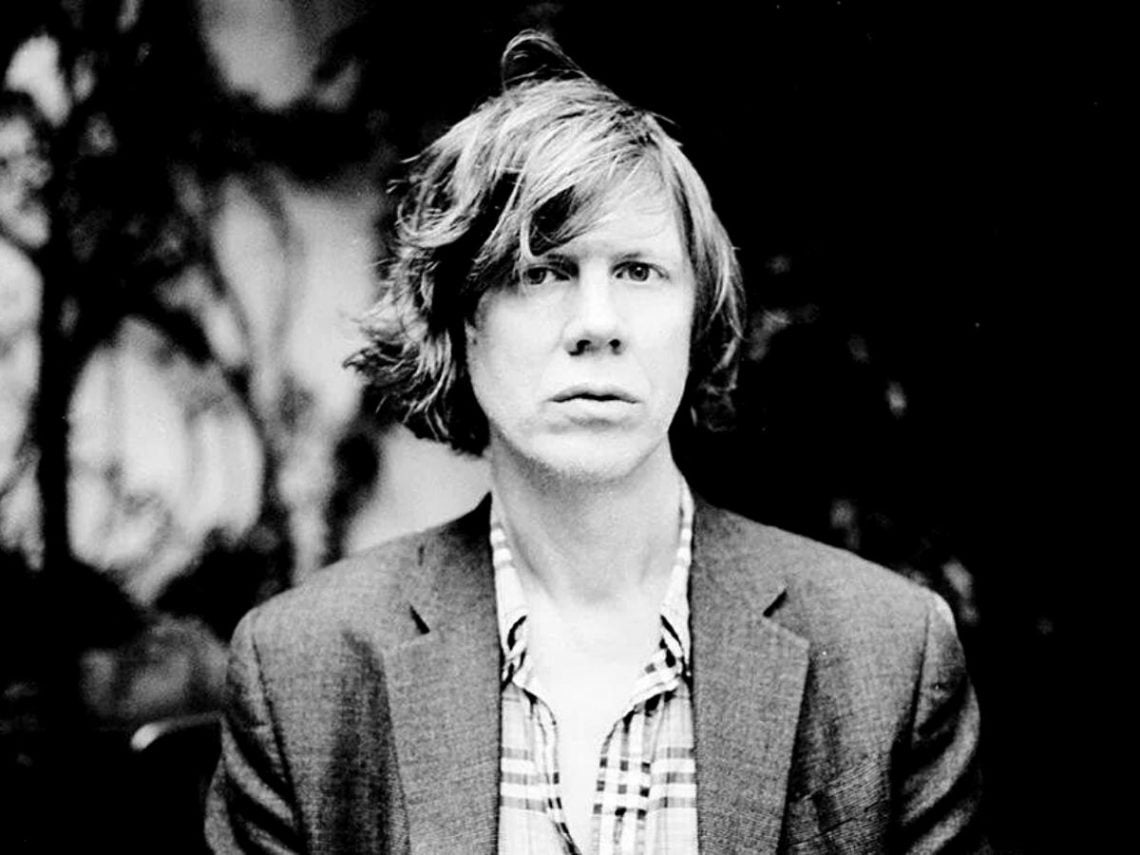
The bands that influenced a young Thurston Moore

Though they eventually veered further into alt-rock and noise territory, Sonic Youth first emerged from the New York no wave movement of the late 1970s and early 1980s. Combining jazzy influences, experimental rock, and lyrical nihilism, the no wave scene was a direct response to the boom of jangly new wave – even its name aimed to ridicule it.
New wave was the more commercially viable genre, spearheaded by the likes of Talking Heads and Devo, while the sound of no wave was more dissonant and lyrically pessimistic. Sonic Youth may have their origins in this reactionary scene, but many of their early inspirations were stalwarts of the new wave movement.
Guitarist and singer-songwriter Thurston Moore moved to New York in 1976, finding himself quickly immersed in the post-punk scene. Accordingly, many of the bands who influenced him came from the genre he was supposedly rebelling against. Moore divulged his early influences in an interview with Fred Perry, stating, “I was always attracted to music that was from the outer zones.”
He noted that this began with 1960s rock outfits recommended by his older brother, including Jefferson Airplane and Black Sabbath, alongside his own “weirdo” choices like The Stooges and Captain Beefheart. But, he recalls, those influences faded away when he turned 18: “My vocation became apparent by hearing and witnessing the Ramones, Richard Hell & The Voidoids, Suicide, Talking Heads et al.”
The Sonic Youth guitarist further expanded upon the influences of the likes of new wave icons Talking Heads and Suicide in an interview with Tidal. He explained: “When punk rock happened, by ‘76 or ‘77, all of the records that you would have owned at my age – such as a Sabbath record or a Pink Floyd record or a Led Zeppelin record, Bad Company, Yes, Emerson, Lake & Palmer, Allman Brothers Band – all of those records got kind of put into the basement.”
Instead, he recalls, “They were supplanted by the Ramones and the Clash and the Sex Pistols and Patti Smith and Blondie and Talking Heads and Siouxsie and the Banshees. It was a completely new world, a new identity of music that was an option for youth culture, and it was very marginalised. But I certainly chose it, and I bought into the whole division away from any previous generation.”
Though the Ramones and the Clash were more straightforward punk and rock, Blondie, Talking Heads and Siouxsie and the Banshees were all definite pioneers of the new wave sound. No wave, just like new wave, was just the next generation’s attempt to divide from their predecessors. Nonetheless, their influence persisted. Sonic Youth may have emerged from a scene which aimed to ridicule new wave, but some of the genre’s most important bands were a huge early influence on Moore.
