


These directors are subverting narratives of ‘madness’ and reclaiming motherhood

Portrayals of motherhood and mental health on screen have historically been misleading at best and deeply problematic at worst, with characters like Shutter Island’s Dolores, played by Michelle Williams, Rosemary in Roman Polanski’s 1969 film Rosemary’s Baby or Meryl Streep’s Joanna in the 1980 film Kramer vs Kramer offering two-dimensional outdated stereotypes of maternal mental health that fail to confront the nuance and comlexity of the lived experience.
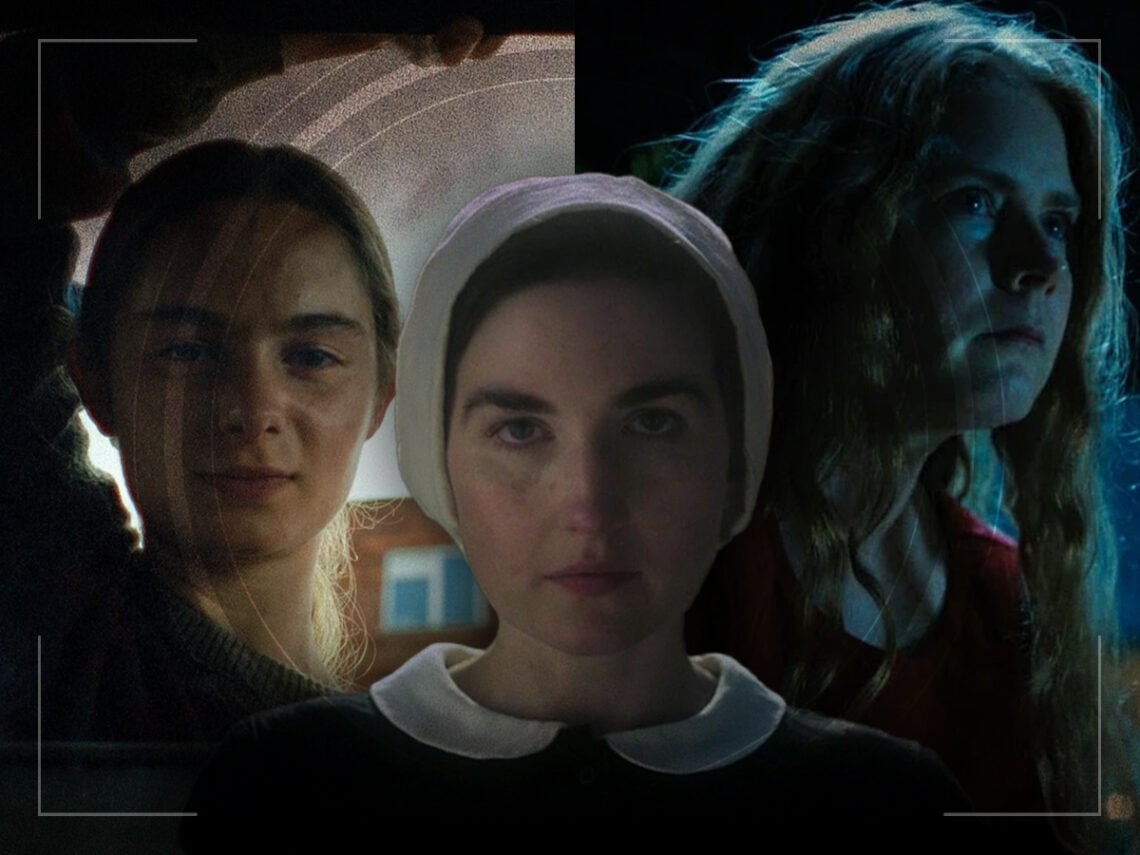
But a recent clutch of films like Marielle Heller’s Nightbitch, Elizabeth Starkey’s Witches, Luna Carmoon’s Hoard, and most recently, Lynne Ramsay’s latest feature, Die, My Love are offering refreshing perspectives surrounding themes of postpartum psychosis, maternal mental health, and isolation in women post-childbirth, with creative and defiant portrayals reclaiming the experience, and in doing so, reducing the stigma around mental health postpartum and later into motherhood.
In Marielle Heller’s Nightbitch, Amy Adams plays an exhausted first-time mum who has been persuaded to abandon her artistic career by her husband to be a stay-at-home caregiver to their lively son. Finding herself descending deeper into boredom, depression and growing resentment and rage, Adams’ snarls turn into a literal manifestation of a dog, as tufts of fur and growling noises indicate her literal embodiment of built-up maternal rage, chaos and the return to primitivism. The film’s use of comedic horror in the representation of the dog, although on the nose, offers a radical space for this oft-ignored maternal sentiment to grow unashamedly and come alive on the screen.
Similarly, in Luna Carmoon’s deeply personal haunting debut, Hoard, maternal mental health and childhood trauma is confronted in mother Cynthia, an obsessive compulsive hoarder who collects shiny objects from discarded waste, and piles them in teetering towers as an act of love for her only child Maria, before the daughter is separated and taken into foster care. Later on, the film explores Maria’s suppressed sexuality and trauma as an older teen, which reveals itself in feral, thwarted and transgressive behaviour. Through anomalous sexualised acts and macabre activities, Maria finds a connection to her mother and their shared creativity, with Carmoon ultimately embracing redemption and tenderness through Maria and her mother’s strange little worlds.
Motherhood and madness: cinema’s new era of feral femininity
In Elizabeth Starkey’s Witches, the director charts a radical tale of redemption and reclamation for all the women throughout history who have suffered from post-traumatic depression and psychosis and been mistreated and punished for it. Through explorations of the Salem Witch Trials and other historic portrayals of witches, of motherhood on screen, archival footage and deeply personal and revealing interviews with women Sankey met when she was hospitalised and spent eight weeks in a psychiatric ward with her newborn baby, Witches offers a defiant lens for the lived reality of mothers experiencing PTSD and psychosis. It confronts audiences and forces us to bear witness to their stories. It’s harrowing and devastating, but also deeply moving, uplifting, and ultimately triumphant and full of solidarity between women.
In Lynne Ramsay’s latest film, Die, My Love, loosely based on the 2012 Spanish novel of the same name by Ariana Harwicz, a mother struggles to maintain her sanity as she battles with psychosis in a remote, forgotten rural area. In a similar style to the Scottish filmmaker’s earlier works, including We Need to Talk About Kevin, the film explores this maternal breakdown through abrasive sound design and moments of intense sharpness and rawness, allowing the audience to sit with these feelings of authentic emotion and passion. Jennifer Lawrence maintains a primitive almost feral feminine rage and her experience of psychosis coexists with the similar breakdown of her husband, played by Robert Pattinson, offering a portrayal of parental “madness” that shifts the dial to a less gendered position, revealing the dual nature of parental mental illness and bringing nuance and balance in its portrayal of motherhood.
With more and more states in the US increasingly voting to restrain women’s reproductive rights, and the growing narrative on social media surrounding ‘trad wives’ and motherhood as an easily perfected craft, it’s more important than ever to challenge these dominant and misleading narratives that thrive in the climate of right-wing policies.
Ultimately, this new crop of films embraces the feminine rage so often misrepresented and stigmatised in films and mainstream media, owning and giving space to the intimate, chaotic, feral and messy world of maternal mental health post-childbirth.
