


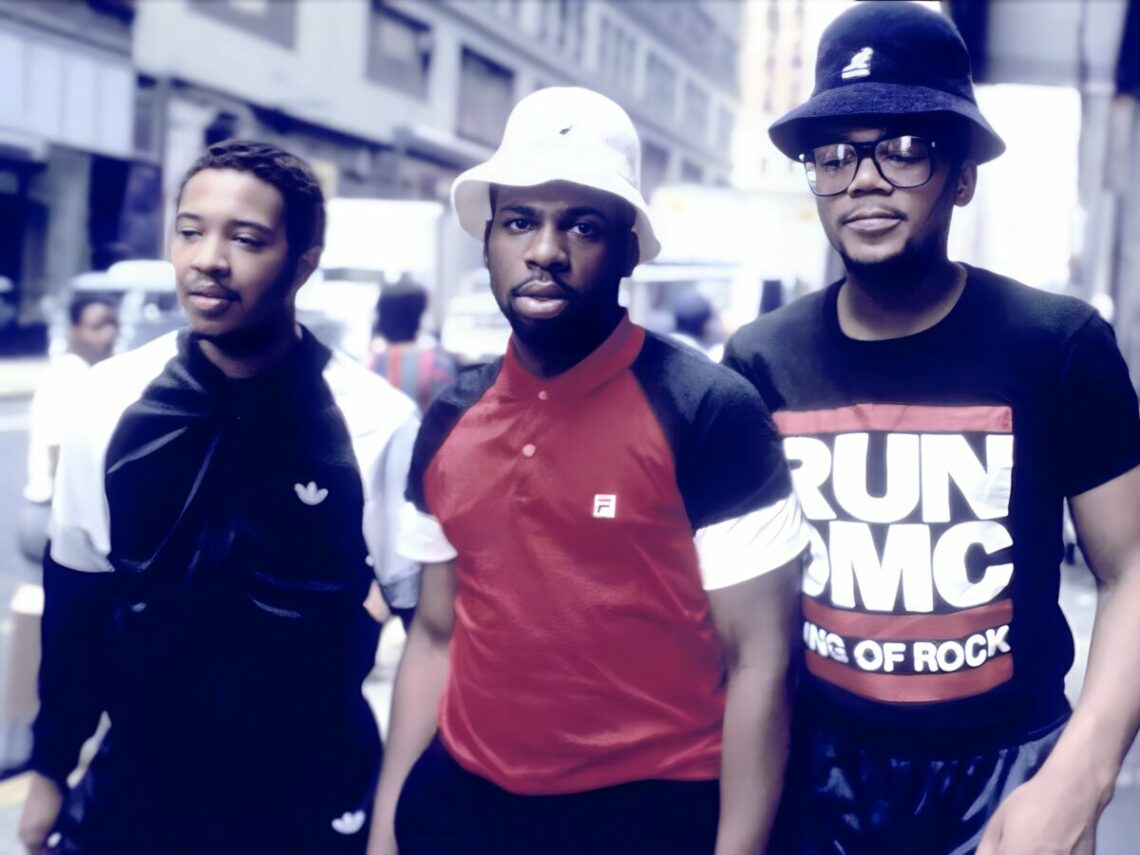
40 years of ‘Walk This Way’: Did Run-DMC and Aerosmith really bridge the gap between rock and hip-hop?

Back in 1986, hip-hop was still a relatively nascent genre, brimming with inventiveness in a distinctly contemporary way.
Acts like the Sugarhill Gang, Grandmaster Flash and the Furious Five and Kurtis Blow had achieved a reasonable amount of notoriety for their early prognostication of where the style could go, and less than a decade later, artists were beginning to find their way and discover new ways to push the genre forward.
At the same time, rock music was, quite frankly, dying on its arse. Guitar music was being watered down from all angles, with the much-maligned subgenre of hair metal receiving a large portion of mainstream attention, as new wave and punk both demonstrated a distinct lack of innovation. Everything that was being done in rock music had been done before, and had been done much better, but telling someone who was exclusively into rock music that it desperately needed to be freshened up was only going to catch you an earful of abuse.
There’s a tendency to refer to those who refuse to move on from the past as dinosaurs; those whose archaic attitudes are reflective of something that should either have evolved or gone extinct many years ago, and because rock music’s time in the spotlight was all but dwindling, the people who only knew it as the cultural norm were barely clinging onto it with their rapidly fossilising fingertips. Hip-hop was threatening to be the new rock and roll, the new punk, the new pillar of popular culture, and the rock-loving dinosaurs weren’t happy about it.
As far as they were concerned, hip-hop was bereft of creativity, lacked melody and adhered to the most straightforward rhythmic patterns. What’s more, large amounts of material were heavily reliant on sampling, which, while by no means a new technology at the time, was perhaps the most controversial aspect of hip-hop’s identity. People were making songs by rapping over the top of someone else’s songs, and as far as they were concerned, that’s stealing, right?
The irony is, rock music only ever existed because it stole from the blues and jazz, falling foul of the exact same crime that they were accusing hip-hop artists of. As much as rock fans liked to sneer at hip-hop and pretend to be above it, and often vice versa, there are far more similarities between the two genres than anyone cared to acknowledge at the time. That is, except for producer and music mogul, Rick Rubin.
As a man who had grown up surrounded by these two seemingly warring factions of popular culture and embraced them from the start, his meddling in both areas has brought him many critics from both sides, with rock fans wondering why a hip-hop producer would show so much interest in their domain, and hip-hop fans returning the sentiment. But the thing is, he proved he can do both, and in 1986, chose to try and demonstrate that the two could coexist harmoniously.

While working with Run-DMC on their third studio album, Raising Hell, Rubin inadvertently introduced the three members of the group to Aerosmith’s Toys in the Attic, after he found the band improvising over the looping introduction of the song ‘Walk This Way’. Thinking that they’d be receptive not just to utilising the track, Rubin suggested that they re-record their own version of the track, and sought to bring Aerosmith’s Steven Tyler and Joe Perry on board, but such were the tensions between these two opposing camps, the only person who showed any interest in the project was DJ Jam Master Jay.
This is the level of mutual disrespect that there was between rock and hip-hop at the time. Rev Run and DMC allegedly dismissed the lyrics of the original song as “hillbilly gibberish”, while Aerosmith were sceptical that the idea would work, and it took a considerable amount of coaxing for everyone to agree, with many different conditions having to be met.
As a surprise to almost everyone, the rework of ‘Walk This Way’ ended up being a massive hit, revitalising the career of Aerosmith and boosting the profile of Run-DMC by introducing them to a different audience. What was widely expected to be a commercial failure and an unholy marriage of two genres that have a square-peg-in-round-hole level of compatibility had defied the odds and succeeded. So, with it being one of the first mainstream rap and rock crossovers to exist, why did it not do a better job of bridging the gap between the two styles and create a more agreeable dynamic?
Rap rock has, of course, come to exist in the years since, but save for a handful of rare examples, it hasn’t exactly thrived. Rage Against the Machine were evidently far too talented and incendiary to fail, and while the nu metal movement produced a handful of prominent acts, it remained in the spotlight for all of five seconds, with the original bands like Linkin Park, Korn and Limp Bizkit remaining the sole proprietors of the genre ad aeternum.
Forty years on from ‘Walk This Way’, any time a rock group flirts with hip-hop now, you can bet there’s a decent crowd of people that will scoff at the idea, and if a hip-hop artist tries to branch out into the rock world, they’re met with ridicule and scorn. Given how people, broadly speaking, have much more diverse music tastes than ever before, thanks to the greater availability of affordable platforms for exploration, when these two genres combine, it somehow still doesn’t register with audiences, save for a handful of examples.
While ‘Walk This Way’ may have been Rubin’s valiant attempt at facilitating the creation of something that combined together rap and rock in a way that not only felt accessible but appealing, it’s evident from today’s climate that a true union of the two genres is yet to truly happen, and as much as he may feel he’d made a difference, it was always going to take much more than this to bridge the gap.
