


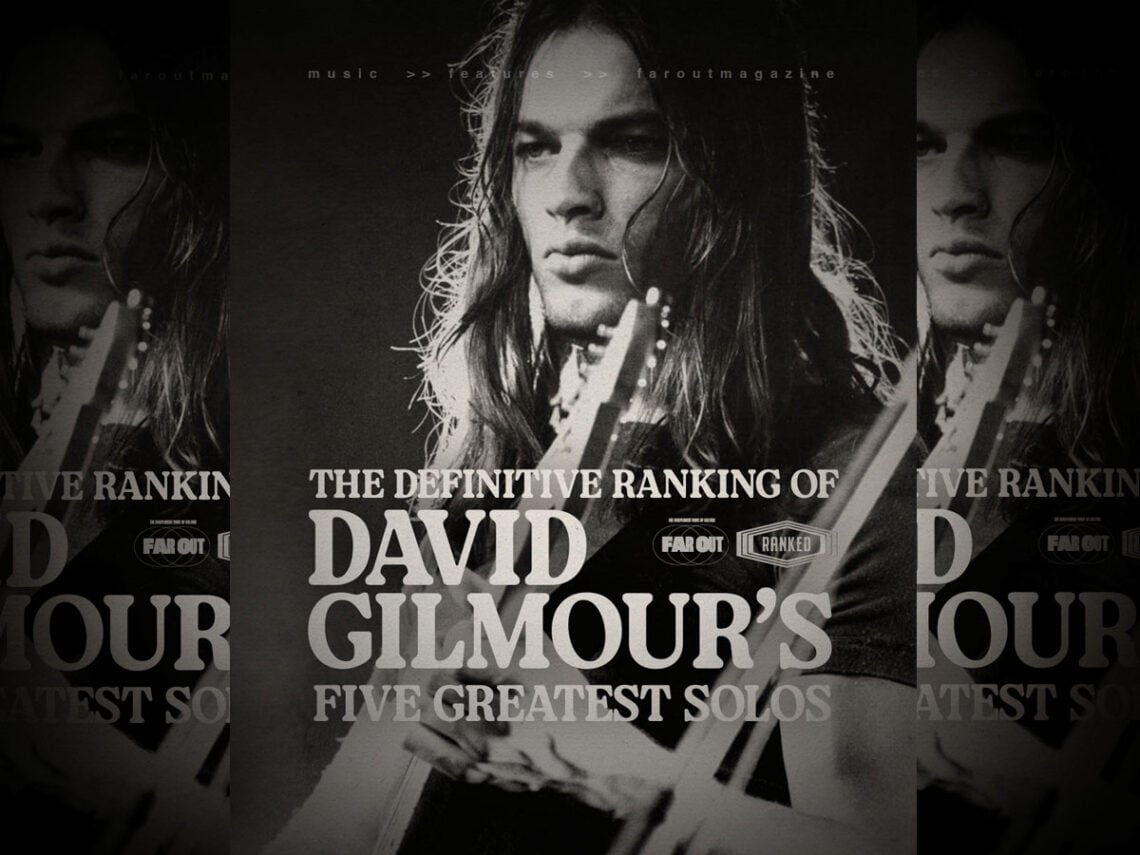
The definitive ranking of David Gilmour’s five greatest solos

Few guitarists have been able to mine such emotional depths as David Gilmour.
You feel his work the moment his fret magic leaps out of the speakers. Be it with Pink Floyd or beyond, there’s something about Gilmour’s masterful chord bends, intelligent use of space, rich tones, and slow pace that all amount to a thrilling solo line, raising the stakes of any song he’s lent his axe to.
Such qualities have resulted in a remarkable malleability to Gilmour’s guitar shine. He can dwell in cavernous pools of ambient engulfment or lead the charge in a volcanic burst of rousing prog rock, always embedded in the sonic character of the piece he’s working with rather than greedily stamping his name all over the integrity of the song.
It was an essential alchemy in the Pink Floyd team. While doomed to eternal fracture by the end, bassist Roger Waters’ growing conceptual direction of the band still depended heavily on Gilmour’s knack for amplifying his ideas with those celestial guitar tracks, forming an essential component of what made their golden album run across the 1970s radiate with such titanic beckon.
With Gilmour now having turned 80, what better way to mark the guitarist’s special day than by selecting five of his finest solos committed to record?
Ranking David Gilmour’s five greatest solos:
‘Is Your Love Strong Enough?’
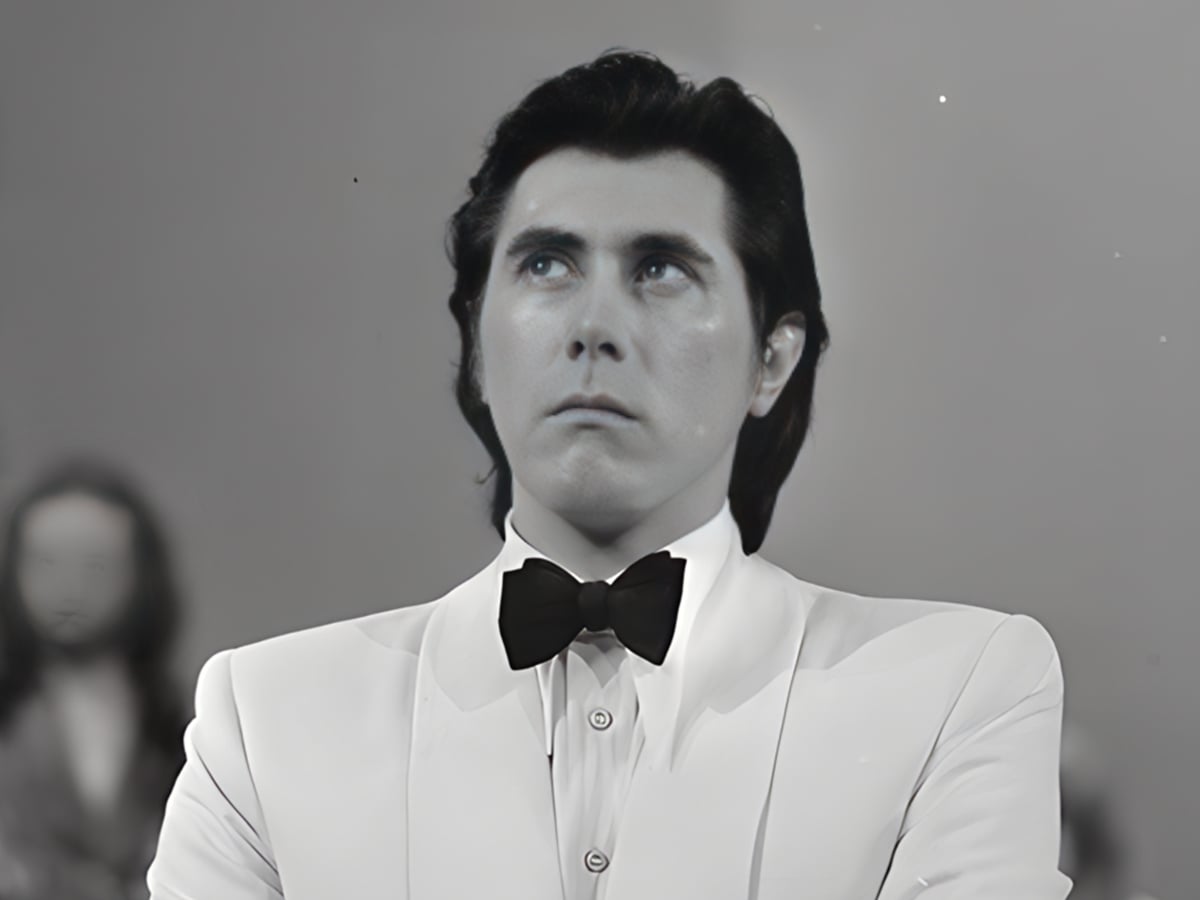
For such an epic stomper, it’s extraordinary how last minute Bryan Ferry’s ‘Is Your Love Strong Enough?’ single was unleashed to the world. An outtake from Roxy Music’s Avalon sessions, a need to jazz up Ridley Scott’s 1985 fantasy drama Legend after poor test screening resulted in Ferry’s romantic crooner being dusted off for the feature’s end credits.
Bottling all the sonic expanse and swaddling production that made Avalon so seductive, it’s Gilmour’s scorching solo that elevates the theme to grander, cosmic heights. Swirling against Ferry’s immersive ambience, Gilmour wields his deft ability to illustrate a song’s inner power without ever showboating or taking up too much space, simply honing in on the emotional core and translating via his magic fretwork.
‘Echoes’

It took them a while, but Pink Floyd began to crack their winning formula on 1971’s Meddle after a string of unfocused conceptual traipses in the aftermath of their former creative captain’s departure. While still not touching the golden album run that awaited, Meddle did boast a flash of brilliance on the 20-odd minute ‘Echoes’ that occupies the LP’s entire second side.
In only the way he can, Gilmour manages to make his Bill Lewis howl, cry, and scream with passion once the solo flies in around five minutes in, while a more swaggering funk solo tears up the piece a short while later, illustrating Gilmour’s masterful dexterity. It’s a fantastic cut, documenting Gilmour and the band inching ever closer to space rock greatness.
‘Shine On You Crazy Diamond’ (Parts I–V)

There’s no more apparitional cut in the Pink Floyd canon than Wish You Were Here’s phantasmic opener. A ghostly love letter to their former frontman, Syd Barrett, who had become a countercultural casualty several years prior and succumbed to mental health issues, it took the band several years and a string of LPs to finally begin conceptually tackling their fallen comrade in their work.
The mini-epic contains various compositional suites that all feature Gilmour firing on all cylinders. With shimmering solos all wandering ‘Shine On You Crazy Diamond (Parts I–V)’s conemplative terrain, it’s the brittle opener that steals the show. Before even those famous four-note chimes that tingle the spine, an introspective ache forms amid keyboardist Richard Wright’s synthesiser mist, showcasing just how affecting Gilmour’s soloing work can be.
‘Time’

While a fantastic cut on its own terms, it’s Gilmour’s solo that everyone remembers about The Dark Side of the Moon’s haunting cut. A rumination on life’s ever-ticking mortal clock, ‘Time’s alarm ringing introduction and spectral vocal choirs all stand as one of the record’s most evocative moments, but Gilmour ties all together with his trusty guitar in addition to singing lead vocals on the verses.
It’s the solo that gifts ‘Time’ with its cosmic climax. Managing to wield a guitar line that’s both powerful and vulnerable, Gilmour’s ‘Black Strat’ grapples with the song’s weighty themes immaculately, all brooding contemplation and fired up muse dancing on the edges of space rock without ever losing its human edge.
‘Comfortably Numb’

Legend has it that Gilmour had actually sketched out ‘Comfortably Numb’s chorus during the session for his solo debut. Catching Waters’ attention, some added songparts the Pink Floyd bassist had been working out would eventually birth one of the band’s most unforgettable pieces and Gilmour’s finest guitar hour.
Seeing life on 1979’s The Wall, ‘Comfortably Numb’ scores the rock opera’s alienated music star’s descent into oblivion, injected with tranquilisers to ensure an evening’s performance while his spirit is trapped in the fortress of his own isolation. Such meaty material drew two exceptional solos from Gilmour’s hand.
While the first is a captivating slice of soaring melancholy, it’s the thunderous crescendo which hews itself into rock immortality. Letting loose a ripping summon of electric drama via his trusty Big Muff pedal, the ‘Pink’ character’s pain and desperation are all channelled in ‘Comfortably Numb’s gripping finale with unforgettable, transportive heft.
It was the perfect final bow to Gilmour and Waters’ creative partnership, never to work with each other again in any real collaborative effort, but leaving a gem of colossal stature in the Pink Floyd songbook.
