


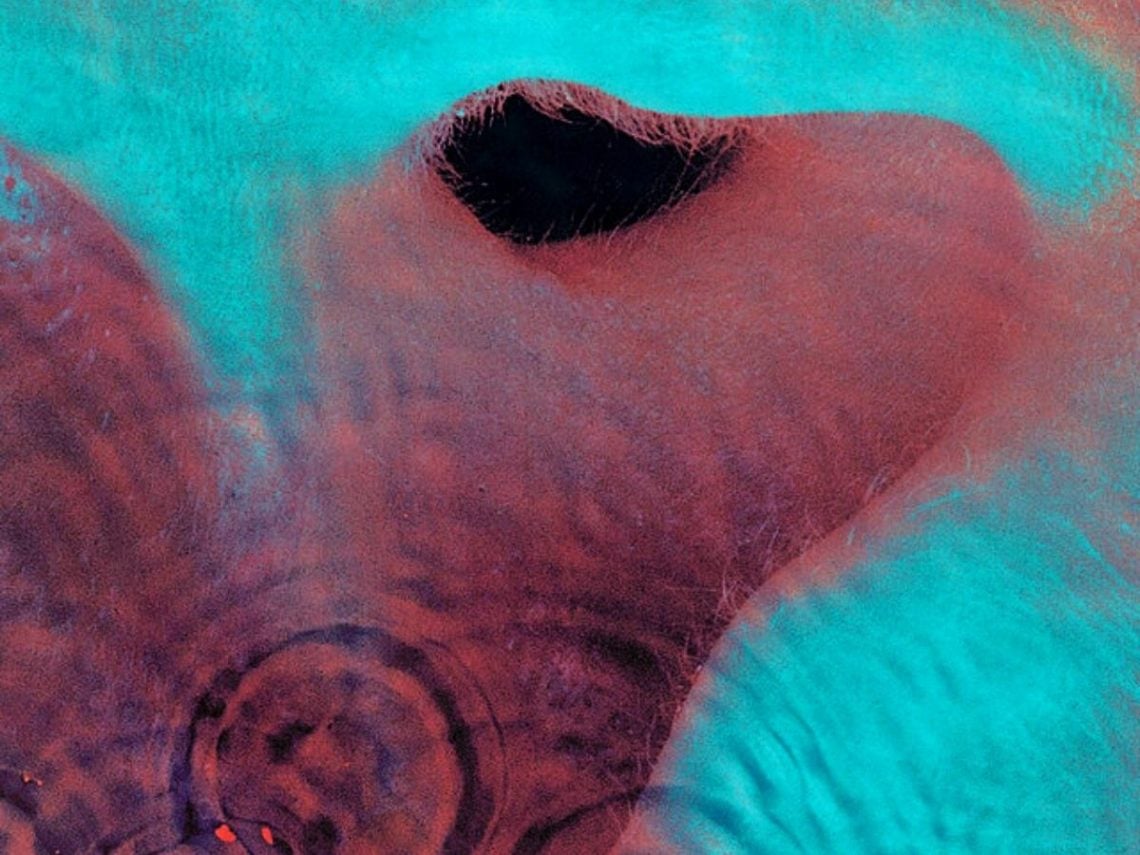
The understated genius of Pink Floyd album ‘Meddle’

Without the efforts of Pink Floyd, the world would be a completely different place, both musically and culturally, in what is the clearest testament to just how vital their creative heyday really was. Whether it be the fantastical psychedelic rock of their first chapter when the band were led by Syd Barrett or their later period of churning out grandiose rock operas conceived by Roger Waters, their oeuvre is a varied one, featuring many moments of sheer brilliance that were so ahead of their time that they remain breathtaking today.
Although conversation about Pink Floyd usually centres around records such as The Piper at the Gates of Dawn, The Dark Side of the Moon and The Wall, one opus in their collection remains criminally overlooked: 1971’s Meddle. Their sixth studio effort, the record is a thing of absolute beauty, acting as a sonic bridge between the swirling psychedelia of their Syd Barrett period and the prog splendour that was to come over the rest of the decade.
Recorded at the historic Abbey Road studios in London, Meddle is an interesting album in the sense that whilst it is refined in a compositional purpose, there’s a rawness and energy that even eclipses that of the band’s performance at Pompeii. It’s dynamic, heady, and utterly all-encompassing, with the use of a field recording of Liverpool fans singing ‘You’ll Never Walk Alone’ during ‘Fearless’ one of the most fascinating creative decisions the band ever made, helping to separate them from the other sickeningly intellectual prog rock bands, and show that Pink Floyd were not to be pigeonholed.
The album opens with the instrumental ‘One of These Days’, which gradually builds up to a roaring climax, with David Gilmour’s tremolo-heavy guitar work some of his best to date. It then segues into ‘A Pillow of Winds’, something of a spiritual successor to ‘Green is the Colour’ from 1969’s More. One of the most enchanting pieces the band ever wrote, Gilmour and Waters’ vocals act as a warm blanket, and they dovetail perfectly with the arpeggiated guitar lines and keep you utterly mesmerised.
Then, the twang of the acoustic guitar announces the arrival of ‘Fearless’. Arguably in the top ten Pink Floyd songs of all time, it does the talking for itself despite what the fans of their overtly prog chapter might say. Another hypnotic duet from Gilmour and Waters, with one hell of a riff and some interesting production techniques, including the surprise of the reverb-drenched Liverpool fans that fade in at the end, the piece has a multifaceted essence that keeps it from ever getting boring.
The album then continues on its stellar run with the upbeat ‘San Tropez’ and bluesy ‘Seamus’ before it concludes with the 23-minute epic ‘Echoes’. The song was so groundbreaking that Waters later claimed that the dark lord of the theatre scene, Andrew Lloyd-Webber, stole the main riff when conceiving the theme for The Phantom of the Opera.
A flawless way to end the album, Echoes was Pink Floyd showing everyone what was about to come. Although it’s a long piece, it doesn’t feel that way, always keeping the listener utterly immersed, with many twists and turns, juxtapositions and off-the-cuff moments of genius raising the curtain on Pink Floyd the world beaters.
For those who haven’t already heard it, I implore you to delve into Meddle. Although we are now firmly locked into autumn, it has the power to whisk you away to dreamlands and warmer climes and make the current crises we’re experiencing fade away into faint background noise. For a record that’s 51 years old, that’s not bad going.
