


The films of Damien Chazelle: praising old Hollywood, or just ripping it off?

Ryan Gosling knew he was in safe hands with director Damien Chazelle after the image of the water cooler truck was made to look like the Divine Mother herself – it was a sight to see, with Chazelle finding the beauty in every garbage back alley and downtown bar in Los Angeles. He made traditionally ugly things look somewhat poetic, and I left the cinema feeling distinctly uninspired by the drabness of my hometown in Scotland and wishing that Linus Sandgren lighted my life. It’s something that has become a topic of discussion in recent times, with people reminiscing over old movies shot in Technicolor and the life that would drip from every frame. No opportunity was wasted, with attention being paid to every little thing that made its way onto the screen, whether it be a car, costume or handkerchief.
When speaking about the influences of his work, Chazelle has highlighted his own reverence towards films like Umbrellas of Cherbourg, Singin’ in the Rain and American in Paris, sharing his love for the golden era of Hollywood and the painstaking detail that went into the craft of filmmaking before everything was digitalised, with elaborate dance sequences, lush colour palettes and sweeping heartfelt original scores. He’s the first one to admit that this is very much something he carries into his own work, paying homage to a lost era of filmmaking and the work that most inspired him. But in doing so, many people have criticised Chazelle’s films, saying that this era does not influence La La Land and Babylon but directly rips it off. At what point does a homage become a copy? And within this grey area, where does Chazelle’s work exist?
The plot of La La Land is heavily inspired by Jacques Demy’s 1964 film The Umbrellas of Cherbourg, which follows a couple who are so perfect together that it feels like fate itself brought them together, only to be torn apart and end up with other people. It’s a classic case of ‘the one who got away’, with a devastating score that rips right through your heart and leaves you feeling embittered and cynical.
La La Land chooses the same heart-wrenching route, with the main characters Mia and Sebastien stumbling upon a perfect relationship with each other that could only be conjured by the gods and poets, but ultimately having to sacrifice their love to fulfil their creative dreams. On the way home from seeing it in the cinema, my mother had to pull over the car because I was completely inconsolable, in tears over the cruel ending and longing for it to all be a bad dream.
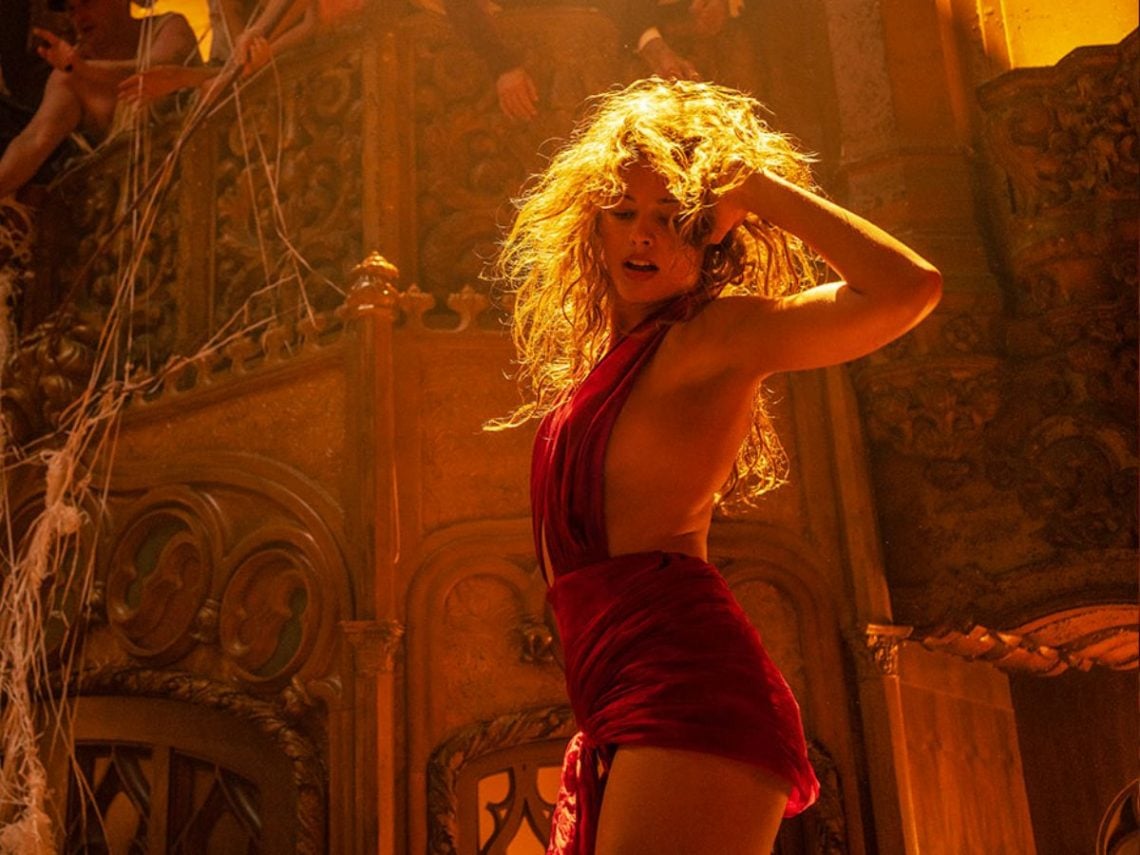
Babylon is similar, following a group of makers in Hollywood as they navigate the transition from silent to talking pictures, struggling to keep up with the changing times and the chaos of the filmmaking machine. It mimics the timeline of Singin’ in the Rain and even directly references moments from the film in many scenes, with Nelly being given lessons on ‘talking proper’ and Brad Pitt’s character being laughed at when audiences first hear his voice in a talking picture, much like Lina Lamont in the 1952 film.

However, while there are startling similarities to their predecessors in both films, I would argue that it is not a rip-off, and Chazelle is by no means a hack. In fact, I think he is doing something incredibly important by injecting the magic of old Hollywood into modern filmmaking and revitalising an era that so desperately needs to be felt again.
There’s a line in La La Land where John Legend’s character confronts Sebastien about his reluctance to keep up with the times – he refuses to play anything but traditional jazz, with Keith trying to encourage him to join his new band, exasperatedly saying, “How are you gonna be a revolutionary if you’re such a traditionalist? You hold onto the past, but jazz is about the future”.
And this, I believe, is the crux of Chazelle’s work.
Chazelle is not ripping off old Hollywood classics; he is trying to keep filmmaking and the magic of cinema alive by bringing the glory of the past to modern times. In a world of unoriginal sequels, repetitive action thrillers and superhero reboots, we so desperately need to be reminded of what used to be: the beauty of seeing colours on our screen just because they can and devastating romances that kick your heart onto the floor. I want to see ridiculous dance sequences, contrasting costumes and a big orchestra that soars when the characters kiss for the first time. A water cooler that looks like it was lit by the gods.
What will the future of cinema look like when we forget the great works of the past? Chazelle is not a hack but a champion of the power of cinema, pushing us forward by reminding us of the magic of the past, showing us that new isn’t always better, and perhaps we had it right all those years ago. We could do with more directors like this who recognise that we don’t always need special effects, green screens and technology to make a great story. Sometimes, all we need is blind tenacity, unrelenting passion and a reverence for the people who did it well, knowing that if the greats could do so much with so little, then what else could we possibly need? What we had is not lost; it just needs to be reworked into our future, which is exactly what Chazelle is doing.
