


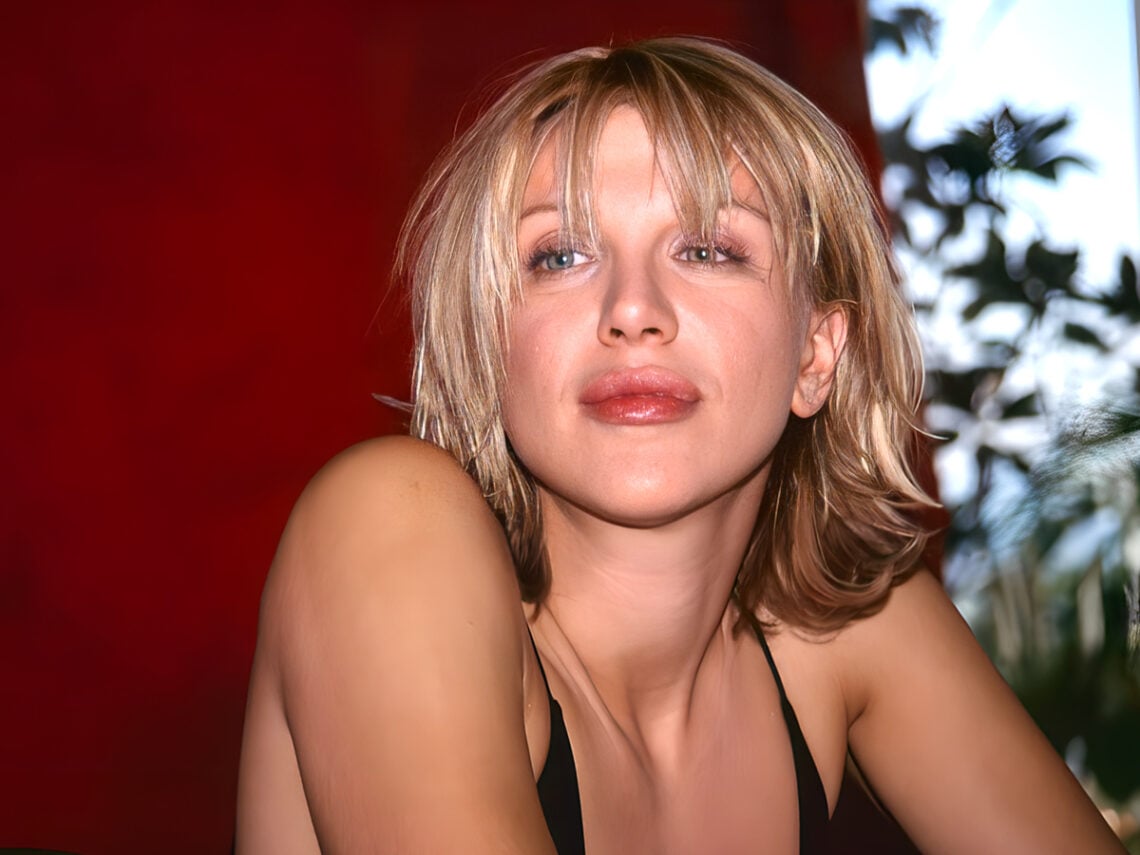
“Awesome performer”: Courtney Love’s brief stint fronting Faith No More

When the lead singer of any band packs up and moves on, is it best the band calls it quits or rings in a replacement? It’s a tricky situation, but if done right, it can resurge the life of a band. Take Ronnie James Dio with Black Sabbath or even Sammy Hagar with Van Halen, two tactical moves by bands that added a unique dimension to the band’s already established legacy. While the nuances of the aforementioned are to be discussed lightly, there’s no accounting for the staunch change Courtney Love brought to Faith No More when she took over the microphone for a brief stint.
In Love’s favour, the band’s lead role had been somewhat of a revolving door until that point, after parting ways with original singer Mike Morris. Before the days of Chuck Mosley and Mike Patton, who are more commonly associated with the band’s leading role, Love stepped in to try and give the band somewhat of an identity.
“She sang with us for probably six months,” keyboardist Roddy Bottum told Classic Rock. He continued, “She was an awesome performer; she liked to sing in her nightgown, adorned with flowers.”
This six-month audition was rumoured to have taken place during 1984, at which point Love would have been 20 and merely sowing the seeds of the cultural impact she would later enjoy. But while her exposure to the band came at a relatively tender age, her performance style was already showing signs of her enate confident aura, and that’s ultimately what led her to leave the band. The band’s bassist, Billy Gould, admitted that Love was “a lot of work” and her “chaotic personality” hindered the band’s somewhat wider mission at that point.
Given her upbringing, it’s unsurprising that Love entered the band with an uncompromisingly creative and esoteric attitude. Born to a hippie psychotherapist mother with connections throughout San Francisco’s counterculture, the inner workings of her creative mind were fostered in what is arguably America’s most free-thinking historical chapter.
While she grew up in the technicolour of America’s ‘free-love’ movement, it was in the shadows where she would find her voice. Citing the moment she knew her destiny as rock star awaited, Love recalled, “An intern who was working for school credit came back from England and said, ‘You should really be into this stuff, it’s really you.’ And he gave me three records: Pretenders, Squeeze, and Never Mind the Bollocks. I decided then that I was going to be a rock star.”
While that destiny may not have manifested with Faith No More, it was when Hole came together that the world began to hear what Love had known all along. A natural stage presence and a powerful vocal style soon made her one of the most influential voices in the burgeoning 1990s garage-rock movement.
