


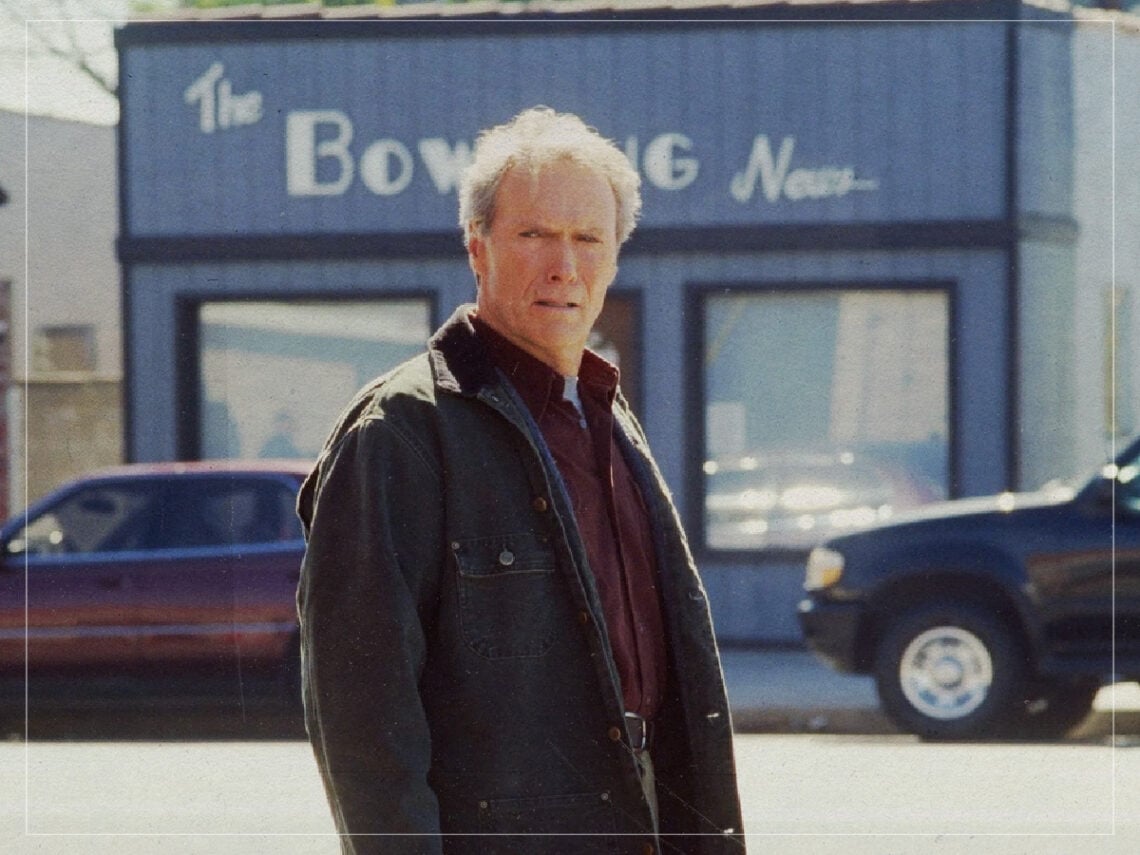
“They’d never have enough nerve”: Clint Eastwood owes his iconic status entirely to irony

It’s been a long time since Clint Eastwood was regarded as anything other than an icon, and he had a sneaking suspicion that all it would take was one role to make it happen.
At the time, he wasn’t even known as a big-screen actor. He was known almost exclusively as the guy who played Rowdy Yates on Rawhide, but in a combination of manifest destiny and delicious irony, the future four-time Academy Award winner could see his star-making turn coming from a mile away.
Back then, every TV actor dreamed of making it to the big leagues and transitioning to film, and sometimes, all they needed was one picture to get them there. In Eastwood’s case, that picture was Sergio Leone’s A Fistful of Dollars, and while he was trepidatious at heading to the other side of the world to work with a director who couldn’t speak his language, he was confident enough to take the risk.
Part of the reason was that he recognised the broad strokes of the story, and since it had been so successful the first time around, there was no reason why it couldn’t work in the genre he’d already been calling home for years, even if it was more litigation than inspiration.
It didn’t escape Akira Kurosawa’s attention that A Fistful of Dollars was a blatant remake of Yojimbo, with the production company Toho filing a lawsuit to get credit where credit was due. As a result, the agreement reached saw the legendary director earn more money from Leone’s film than he did from his own.
Eastwood knew it was an obvious facsimile, too, but he still believed in the project long before it was a twinkle in Leone’s eye. “The funny thing was that a few years before, I’d gone down to a theatre on Western Avenue in LA that ran Japanese films,” Eastwood recalled of his first time seeing Yojimbo.
“I remember sitting there and saying, ‘Boy, this would be a great western if only someone had nerve enough to do it, but they’d never have enough nerve,'” or so he thought. “So it was ironic when, a few years later, someone handed me a script for what became A Fistful of Dollars, and about five or ten pages in, I recognised it as an obvious rip-off of Yojimbo.”
He knew right away that what he was watching could easily be transplanted to the western, and he was right on that front, even if he was wrong about nobody having the stones to go ahead and actually do it. Leone had the necessary stones, and it almost feels fated that Eastwood became the ‘Man with No Name’.
Kurosawa also earned a pretty penny into the bargain, so it was a win-win for everyone involved, with Eastwood having no idea at the time that he’d predicted the exact role that would cement him as an icon.

Never Miss A Tale
The Far Out Clint Eastwood Newsletter
All the latest stories about Clint Eastwood from the independent voice of culture.
Straight to your inbox.