


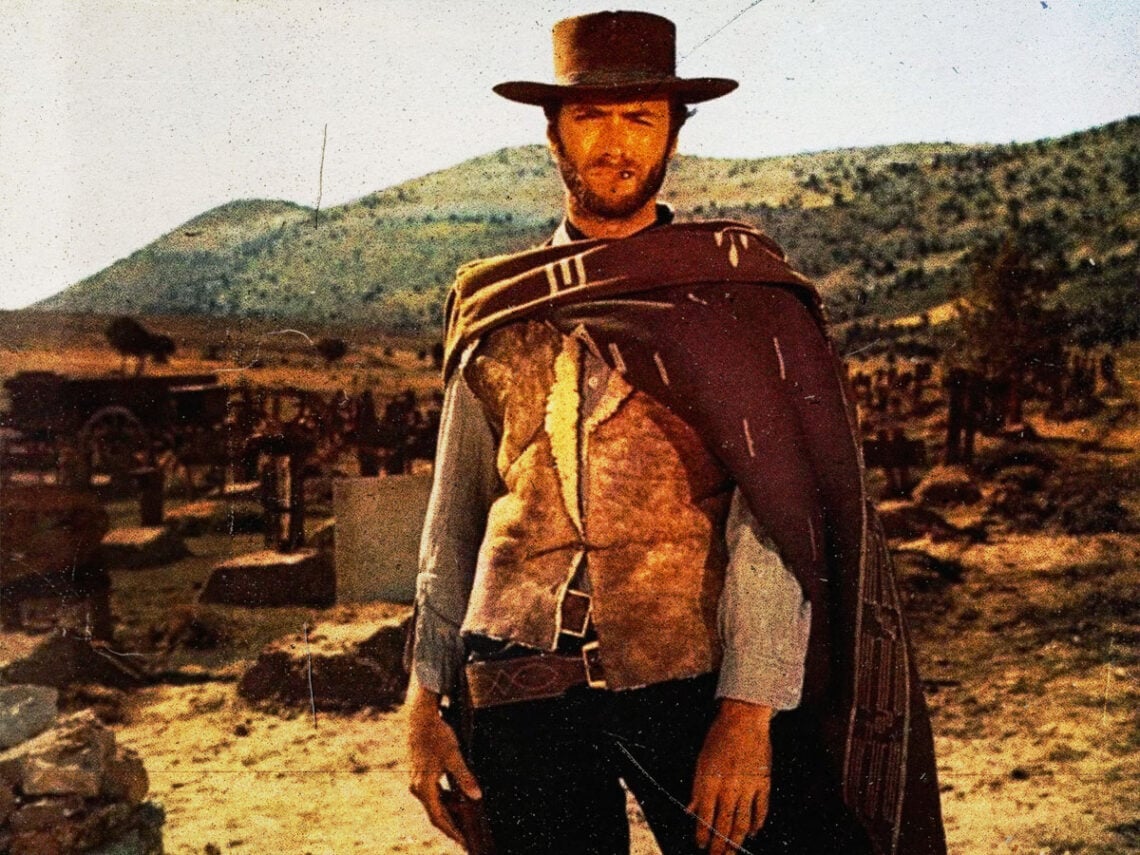
The actor Clint Eastwood almost lost his most iconic role to: “He was too expensive”

To become an icon, one thing needs to be overcome: you not only have to demand attention but also hold it for decades. Hollywood’s most decorated living legend, Clint Eastwood, broke through in the late 1950s and ‘60s as one of many western stars riding the genre’s concurrent wave of popularity. But perhaps his most impressive feat was remaining relevant for so many years after.
Having established a tough, squinting outlaw image in the foundational TV series Rawhide and mastered it in Sergio Leone’s legendary Dollars Trilogy, the handsome gunslinger consolidated his status as the iconic anti-hero cop Harry Callahan in the Dirty Harry franchise. It would become a run of roles much-celebrated in Hollywood history, and most certainly set up Eastwood for his domination.
Throughout his six-decade stint under the Hollywood limelight, Eastwood expanded his skillset to become a leading producer and director, earning four Academy Awards and four Golden Globes for his duties behind the camera. Remarkably, Eastwood is still active today at 93 years of age and has even more recently delivered his movie, Juror #2.
However, the nonagenarian may not sit atop such a humbling mountain of success as an actor and filmmaker if Leone hadn’t given him his big movie break in the 1960s. The Dollars Trilogy finished most memorably with The Good, the Bad and the Ugly in 1966, but set off with A Fistful of Dollars two years before. Things went right for Eastwood after appearing as the ‘Man with no Name’, but things could have been so different. The role is, undoubtedly, the most important of his career.
Although joining the cast would turn out to be one of the most important steps in Eastwood’s career, he wasn’t enthusiastic about the project at first. “I was doing Rawhide, and I was coming to a hiatus,” Eastwood once recalled in a BBC documentary. “I took three months off, usually around February, March and April every year, and my agent in Los Angeles called me up and asked me if I’d like to go to Europe and make an Italian, German, Spanish co-production of a remake of a Japanese film [Yojimbo] in the plains of Spain.”

“I said, ‘Not particularly,’” Eastwood recalled with a smile. However, he would finally relent and decide to take on the performance. But if not for a somewhat restricted budget, Leone may well have picked another actor.
Another hurdle to Eastwood’s unseen future was the fact that Leone didn’t really want Eastwood for the role initially. “I really wanted James Coburn, but he was too expensive,” Leone told the BBC. “The Italian cinema is very poor. We got Clint for $15,000, Coburn wanted $25,000.”
It’s hard not to let your mind wander as to how James Coburn could have performed in the role. Few actors embodied effortless cool quite like Coburn. With a gravel-laced voice and a grin that could cut through steel, Coburn sauntered through movies with powerful charisma. Taking on a classic role in The Magnificent Seven, Leon certainly had a good eye.
Continuing, the Italian director explained why he was initially wary of Eastwood’s style. “I didn’t see any character in Rawhide, only a physical figure,” he said. Though famous for his gritted teeth and strained delivery, it was another physical aspect that appealed to Leone: “What struck me most about Clint was his indolent way of moving; it seemed to me Clint closely resembled a cat.”
Eastwood recalled becoming more intrigued by the project after reading the uniquely constructed script. “The script was in English, very strange English because it had been written by an Italian group of people who didn’t speak English that well – especially English with what you’d call the western kind of slang,” he explained. “It was like an Italian concert of what a western slang would be.”
“So, a lot of the dialogue was a little bit on the shaky side,” Eastwood continued. “I liked it, though, and I felt that maybe a European approach would give the western new flavour because I thought it had been in a very stagnant period at that point.”
Ultimately, Leone settled for Eastwood, and Eastwood settled for $15,000 from a total movie budget of approximately $200,000. Although the movie was released in mainland Europe in 1964, it wouldn’t receive its theatrical debut in the US until 1967. Taking $19.9 million at the box office, the movie was a monumental commercial and critical success as the progenitor of the spaghetti western genre.
Watch the trailer for the A Fistful of Dollars 4K restoration below.

Never Miss A Tale
The Far Out Clint Eastwood Newsletter
All the latest stories about Clint Eastwood from the independent voice of culture.
Straight to your inbox.