


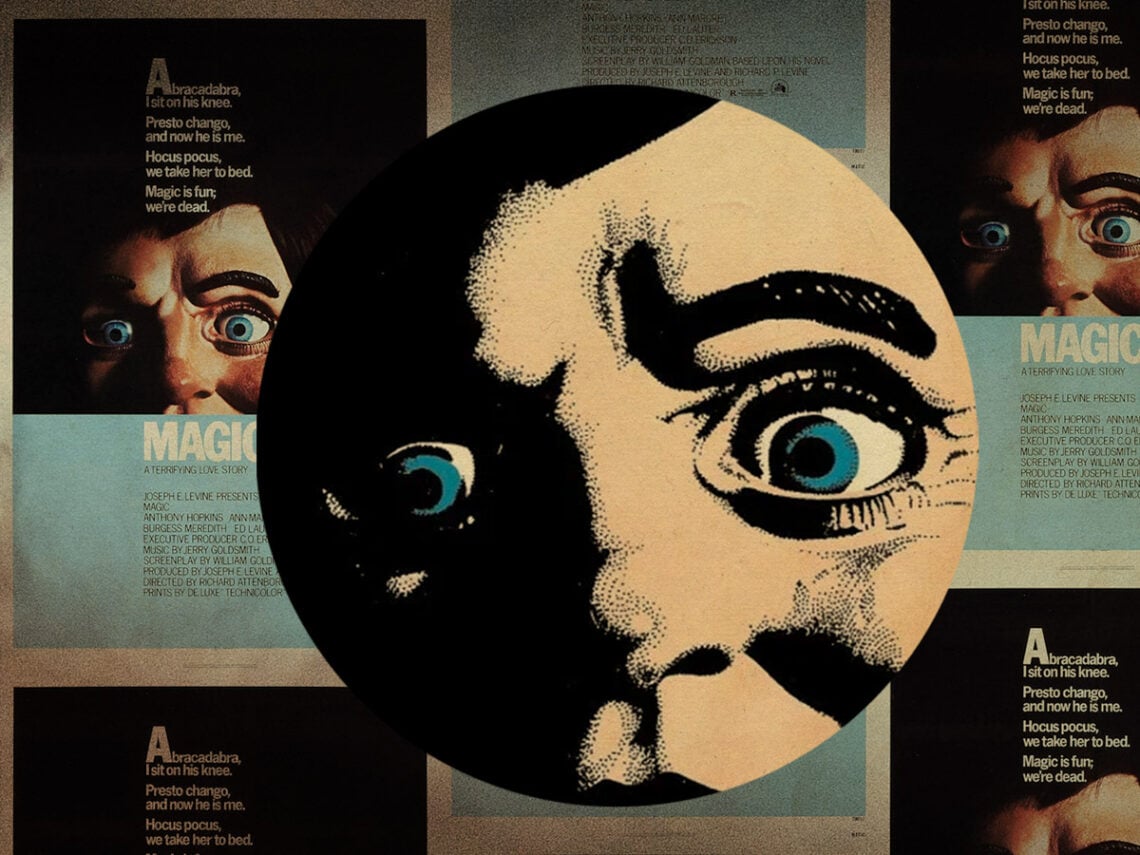
Can Sam Raimi capture the quiet dread of 1978’s ‘Magic’?

Director Sam Raimi famously described his 1981 horror classic The Evil Dead as “The Three Stooges with blood and guts [standing in] for custard pies”. In other words, its gore is so over the top that it may as well be pure comedy, no matter what the British censors thought at the time. It is a splatter extravaganza, with a tongue-in-cheek tone lifted straight from comic books.
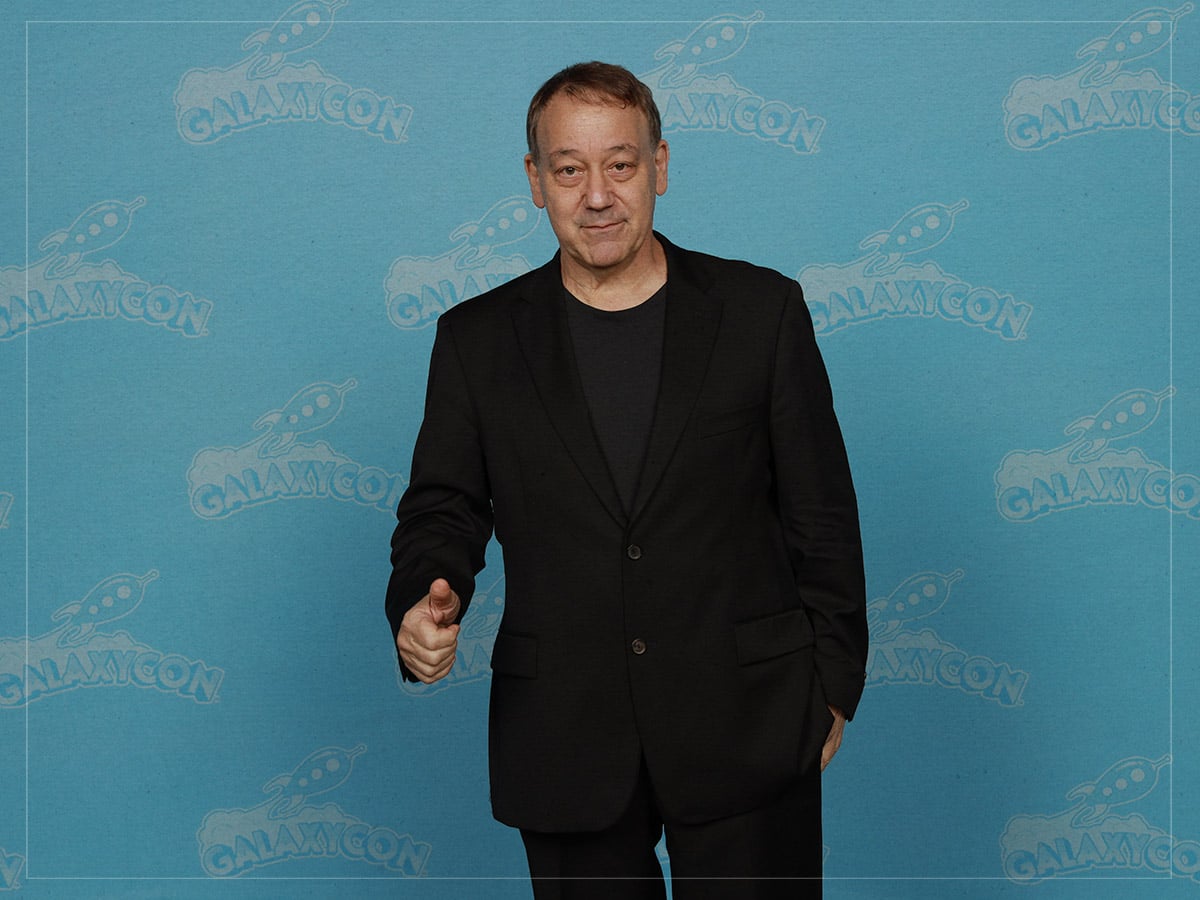
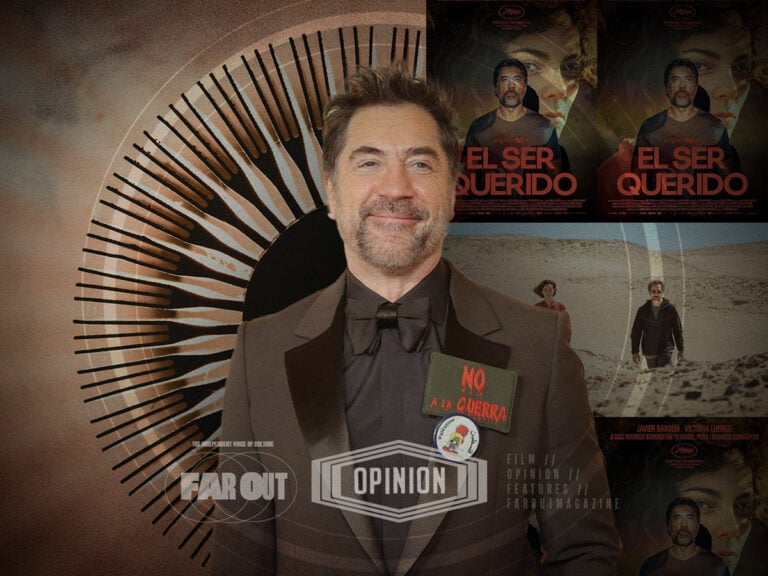
Throughout his career, Raimi has dabbled across genres, from his low-budget blood-spatter roots to the wildly successful Toby Maguire Spider-Man trilogy. Along the way, he’s slotted in a hyper-stylised western (1995’s The Quick and the Dead), a supernatural thriller (2000’s The Gift), and a prequel to the Wizard of Oz (2013’s Oz the Great and Powerful). When it was announced earlier this month that this master of genre would helm an upcoming remake of the criminally underrated 1978 horror movie Magic, it might have seemed like the perfect fit, but in reality, fans of the original have reason to be extremely wary.
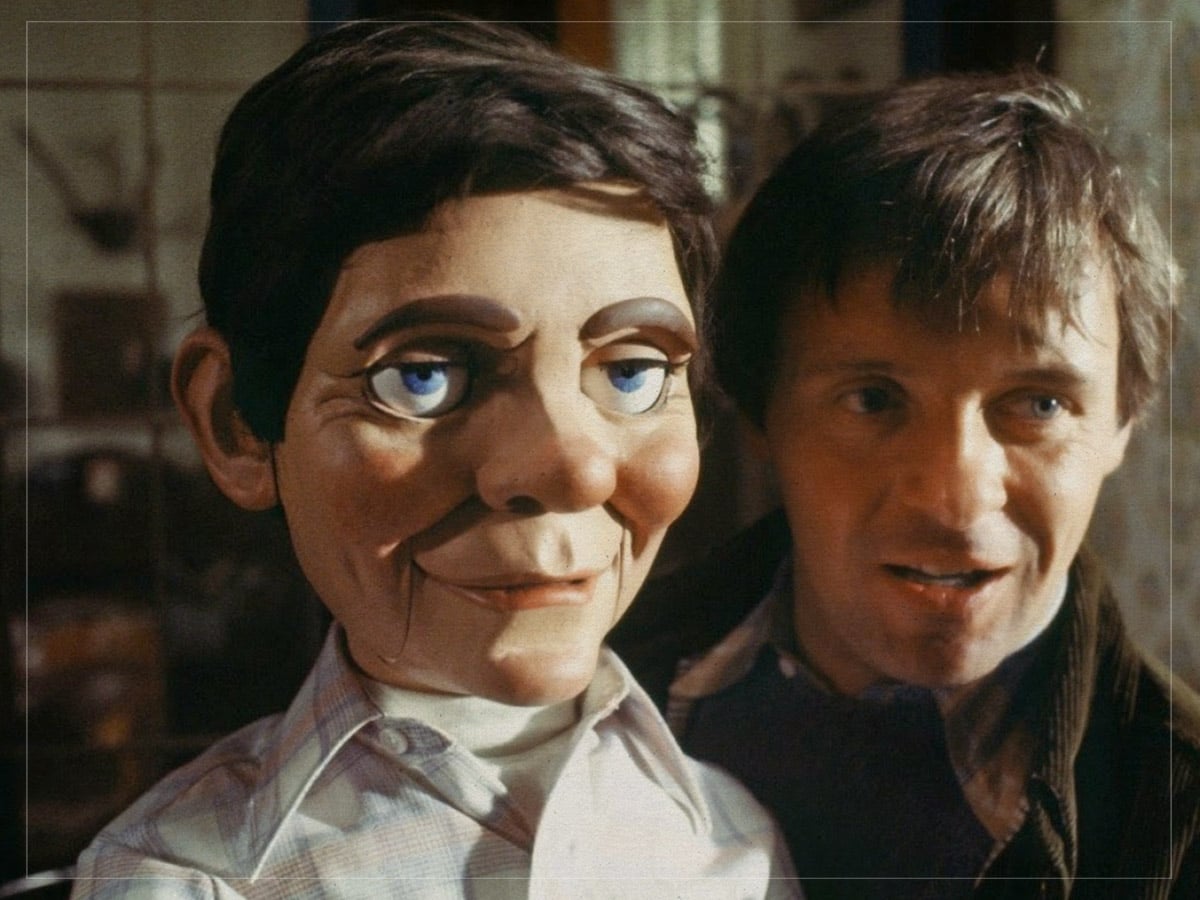
Directed by Richard Attenborough with a script from All the President’s Men and Marathon Man screenwriter William Goldman (who had written the novel of the same name), Magic stars Anthony Hopkins as magician Corky Withers, who begins using a ventriloquist’s dummy to liven up his act. His show gains a following on late-night television, but when he’s offered his own series, he baulks at the contractual stipulation that he undergo a medical exam.
He sneaks off to a remote hotel with his dummy, Fats, where he reunites with the girl he had a crush on in high school, played by Ann-Margaret. Soon, however, Fats begins encroaching on his psyche, occasionally speaking on his behalf and then goading him into violence.
Goldman, who later wrote The Princess Bride, was no stranger to comedy, and there are hints of absurdity and humour in Magic, but there is no shred of the slapstick humour that Raimi has made his trademark. The key to the film’s success is Hopkins’ chilling performance and the slow build-up to his breakdown.
You might not even know that you’re watching a horror movie until more than halfway through. For an hour of its hour-and-47-minute running time, the film is pervaded by dread, but with no clear source. It’s a masterclass in pacing and subliminal messaging. By the time the killing starts, you finally realise just how tightly the tension had been wound.
The subtlety of Magic is apparent in its scariest scene. Where a Sam Raimi movie might make you gasp in terror at an exploding skull or a woman getting raped by a possessed tree, Attenborough gives us the single most terrifying twitch in recent memory. Towards the end of the film, a character is rifling through Corky’s dresser looking for incriminating evidence.
We see him through his reflection in the mirror. In the background, blurred into near abstraction, is Fats, propped up on a chair by the door. As the man glances to the side, there is a split-second, infinitesimal movement behind him as Fats’s head twitches ever so slightly. It’s so minute that it registers more as a chill running down your spine than as a visual manifestation.
Raimi has shown that he is capable of subtlety on one or two occasions, most notably with the 1998 thriller A Simple Plan. It’s possible that he could take Magic as another vanishingly rare opportunity to demonstrate restraint. However, he’s not the only person who has been attached to the project.
It will be scripted by Mark Swift and Damian Shannon, who are hot off the success of Raimi’s latest film, Send Help. This does not bode well for those of us who love the languid chill of Attenborough’s original. Send Help is a scrappy island survival comedy that revels in projectile vomiting, wild boar excretions, and rivers of blood. It’s a fun ride, but it’s about as subtle as a burning at the stake.
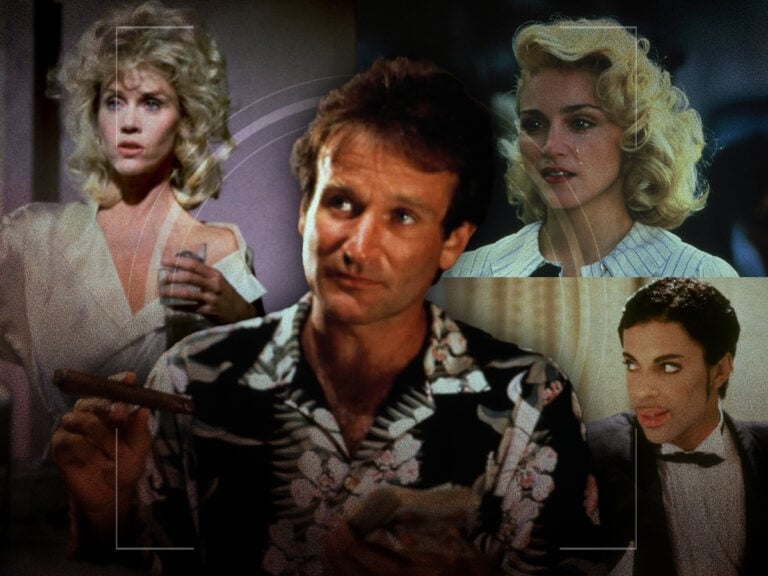
The original movie went through many iterations. Mike Nichols was interested in directing it at one point, but Goldman felt that he was too fixated on the serial killer angle. Steven Spielberg had high hopes about directing it himself, but that, too, fell through. Jack Nicholson was attached to star, but he dropped out because he didn’t want to wear a wig. Norman Jewison dropped out of directing it because he got into a spat with the producer, Joseph Levine.
It’s hard to imagine a more fortuitous series of accidents. Though Nicholson has played villains, he never quite manages to shake off his magnetism. He is always compelling, even when he’s at his most unnerving. In contrast, Corky Withers is catastrophically dull. The first scene in the film shows him bombing a performance even though his card skills are unparalleled. He is a charisma vacuum, which is why he invents the alter-ego of Fats to capture the audience’s attention.
Dropping the prospective directors in favour of Attenborough was also key. The tone of the first half of the movie is more melancholy than frightening, and it’s only after we see Hopkins fly into a rage and lose grip on reality that we start to question why everyone from his past appears to be six feet under. We never discover whether he killed them all or if it’s simply a macabre coincidence, which makes the ending all the more chilling.
Raimi’s brand of horror is much more in keeping with the clichés of zombies and skeletons and squelching blood, which is not only the antithesis of Magic’s tone, but also the antithesis of what makes it so blood-curdlingly effective. Lose that cold fish of a protagonist, and it will become clownish. Lose the slowly tightening fist of dread, and it will become overwrought and predictable.
My suspicion is that it will lean into the comedy of the foul-mouthed dummy and deploy jump scares from scene one. It’s a formula that has worked before, and it will probably work again, it won’t be doing the original film justice. Sadly, Hollywood doesn’t make horror movies that take their time anymore.
